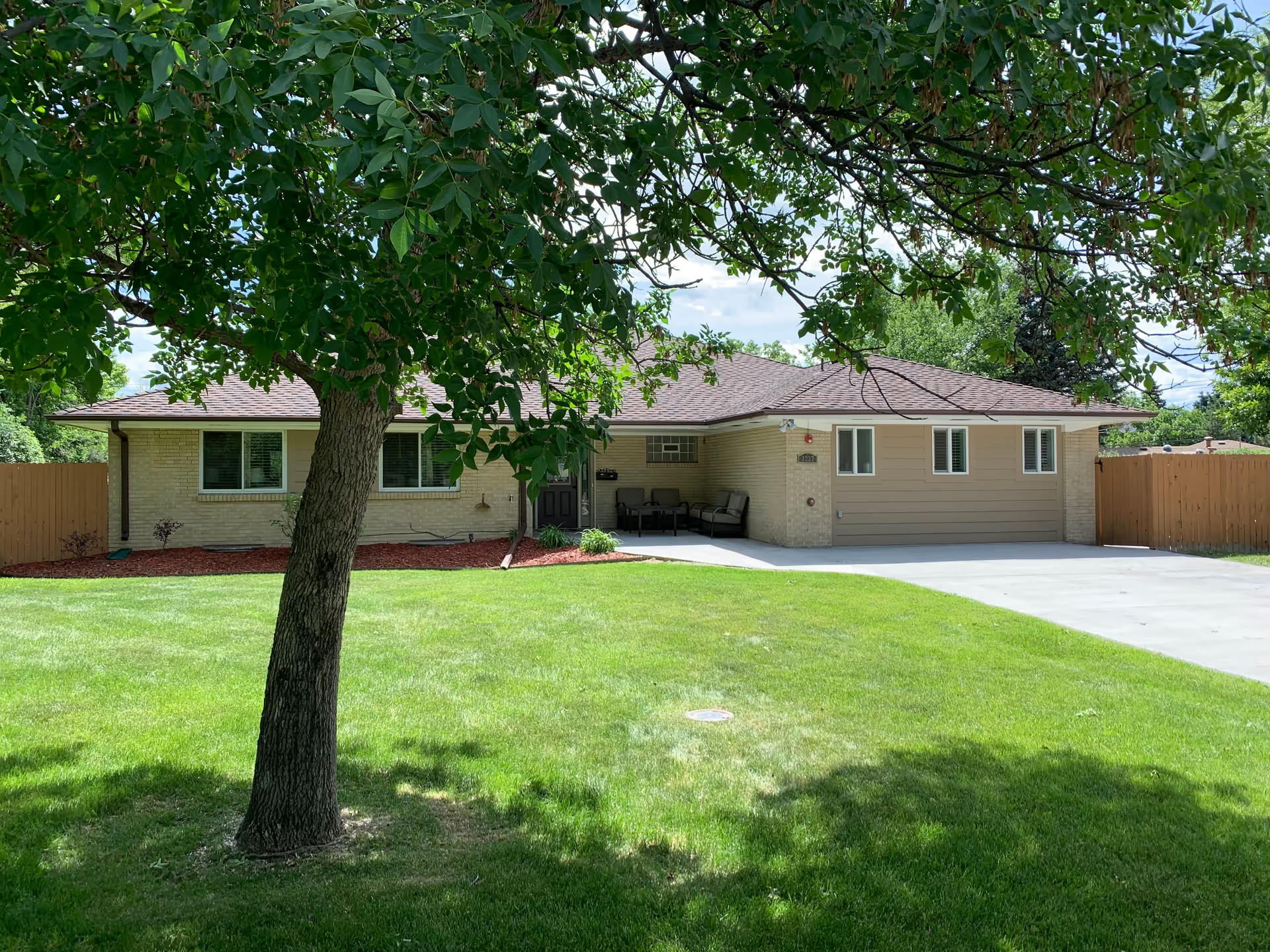
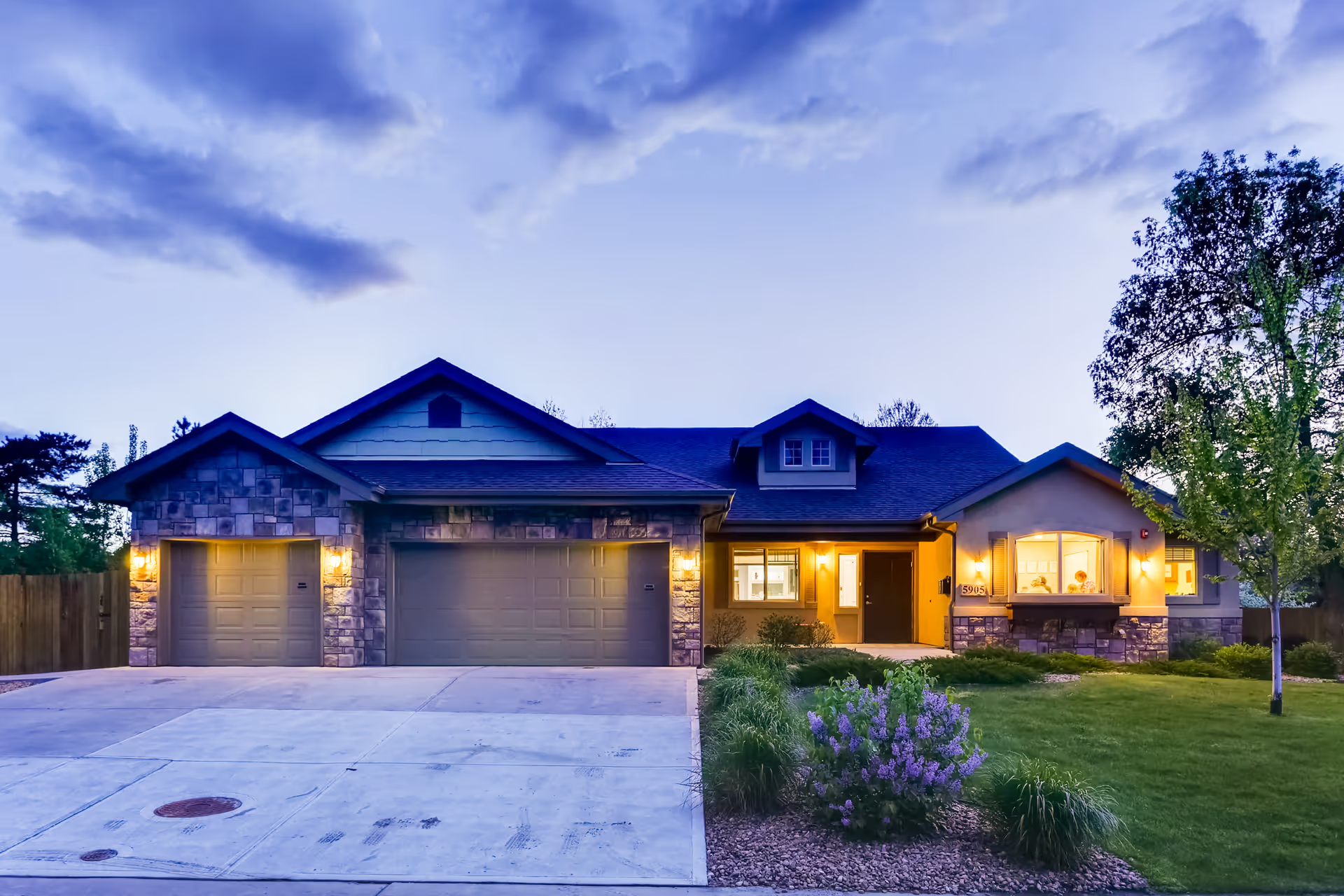
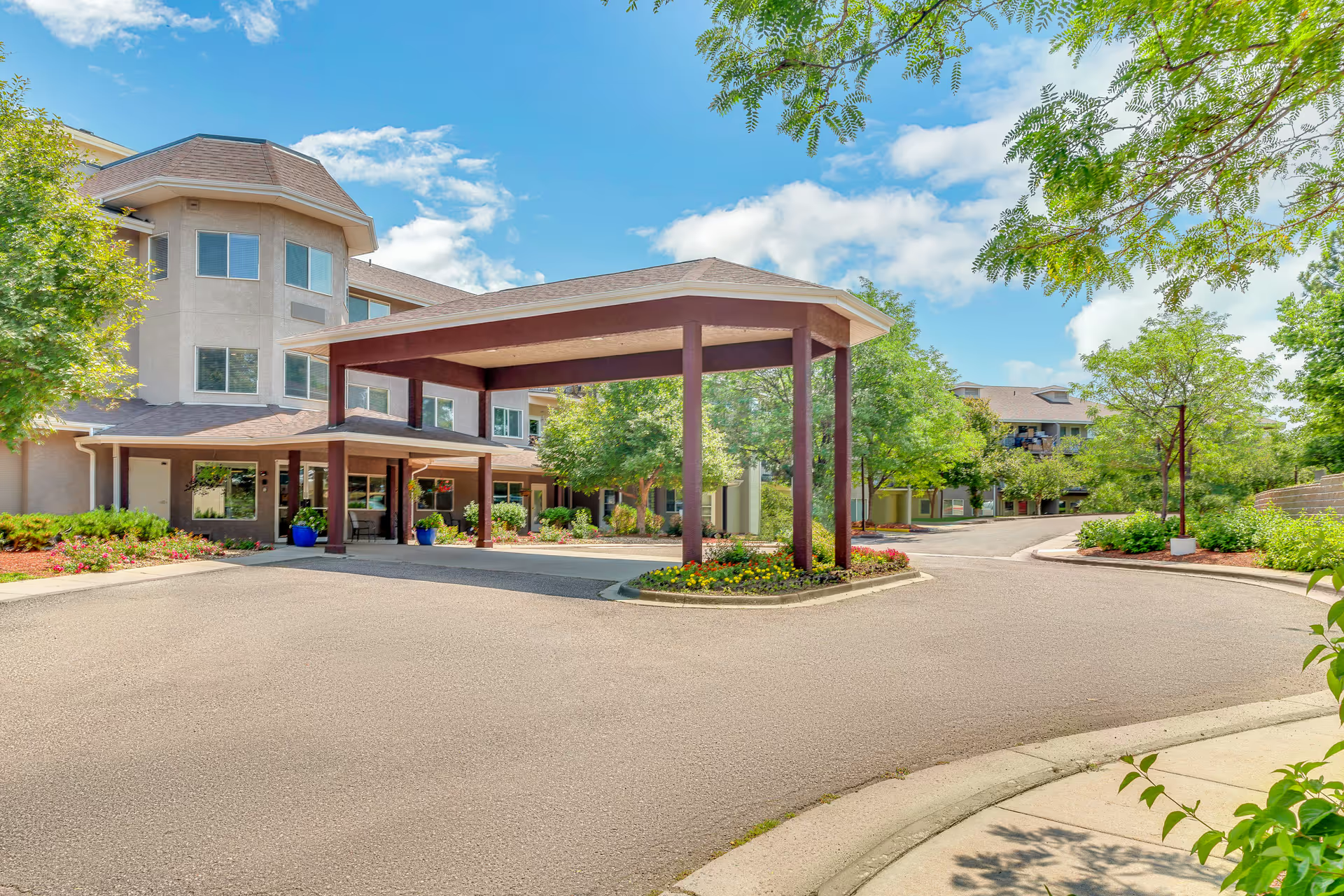
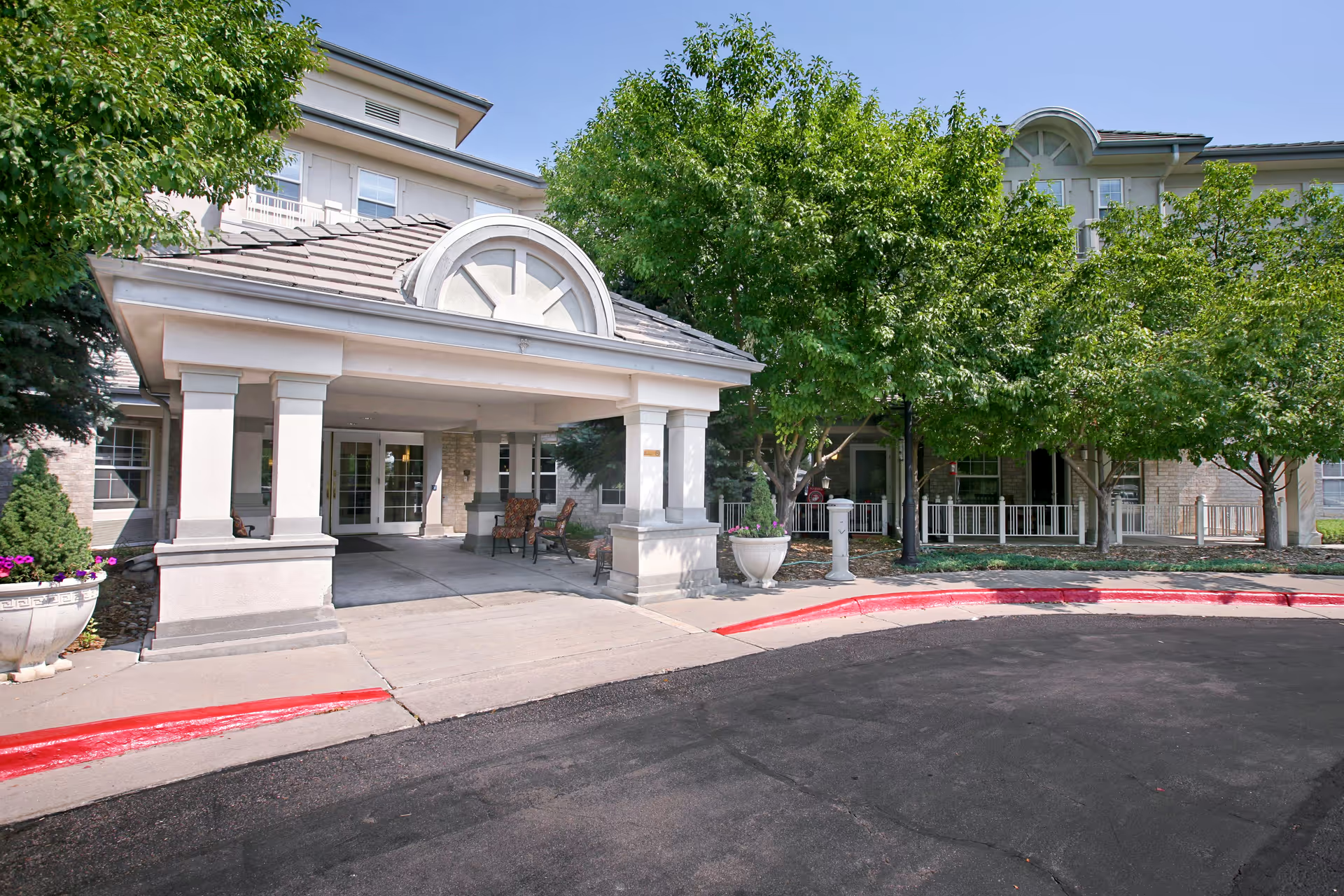
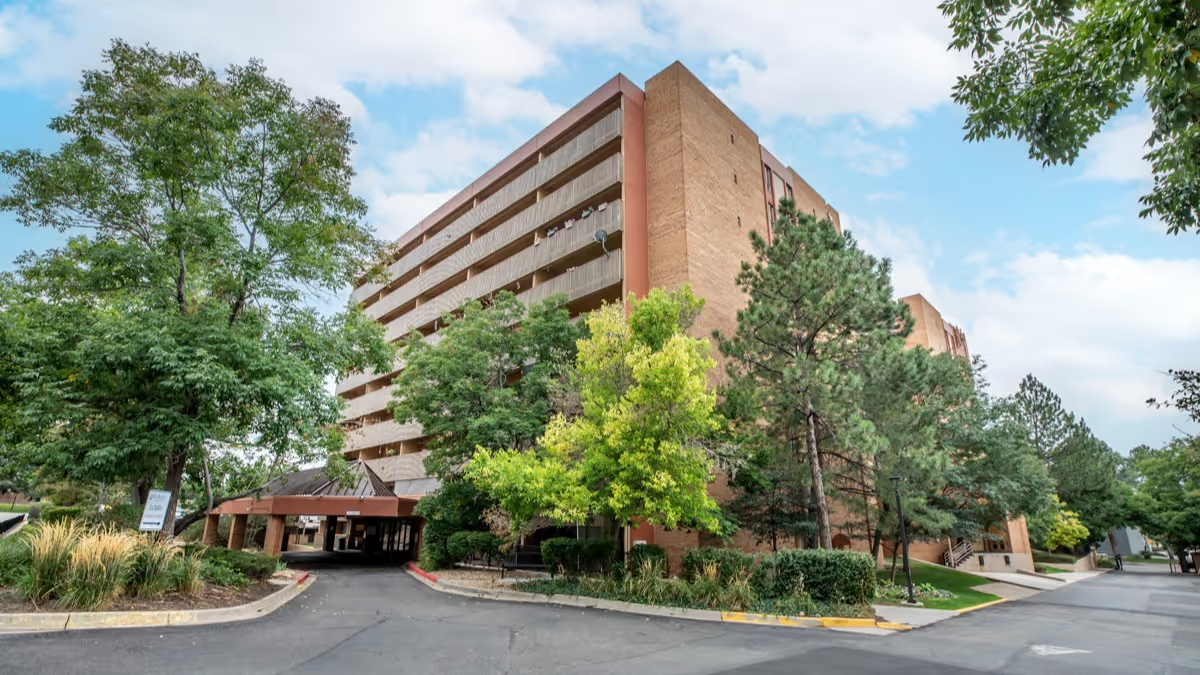
Assured Serenity Assisted Living 23 is consistently described as a small, home-like assisted living setting with strengths in personal care, family proximity, and engaged staff. Families emphasize the facility's convenient location and residential atmosphere, and many reviewers expressed relief after finding a placement there. The community's size and layout create a cozy environment that several families valued when seeking an alternative to larger campuses.
Care quality is a recurring positive: reviewers describe attentive nursing and effective medication management, with examples of clinical coordination such as arranging cognitive testing and support during recovery from acute events. The facility offers hospice services and appears prepared to coordinate transitions when a resident's needs change. Communication with families is repeatedly characterized as responsive and helpful.
Staffing and day-to-day support receive favorable comments. Caregivers are described as friendly, interactive, and active in organizing resident engagement — from tabletop games to visiting musicians. Activities programming includes social and recreational options, and ancillary services such as nail care are available. Several families noted that residents appeared in good spirits and stayed occupied.
Dining and nutrition are not a major complaint in the available feedback; reviewers generally did not raise concerns about meals and some praised the food. A few families asked about snack availability between meals, suggesting there may be opportunities to clarify or expand snack service for some residents.
Facility amenities fit the small-house model: reviewers mention a cozy interior, well-maintained rooms, and outdoor areas including a backyard and deck. At the same time, the compact scale introduces trade-offs. A small community size limits bed capacity and may reduce the breadth of on-site amenities and program variety compared with larger campuses. Shared-room arrangements and occasional roommate-compatibility concerns were noted as operational limitations. There were isolated references to odor or sanitation concerns in parts of the facility, which indicates attention to housekeeping and environmental maintenance is important to ongoing family satisfaction.
Overall, the pattern of feedback suggests strong person-centered care, effective family communication, and an active, home-like environment. Prospective residents and families should weigh the benefits of close-knit staffing and location against the constraints of limited capacity, potential shared rooms, and the smaller facility footprint. Visiting in person to evaluate room configurations, odor control, and activity options will help determine whether the setting fits a specific resident's needs.