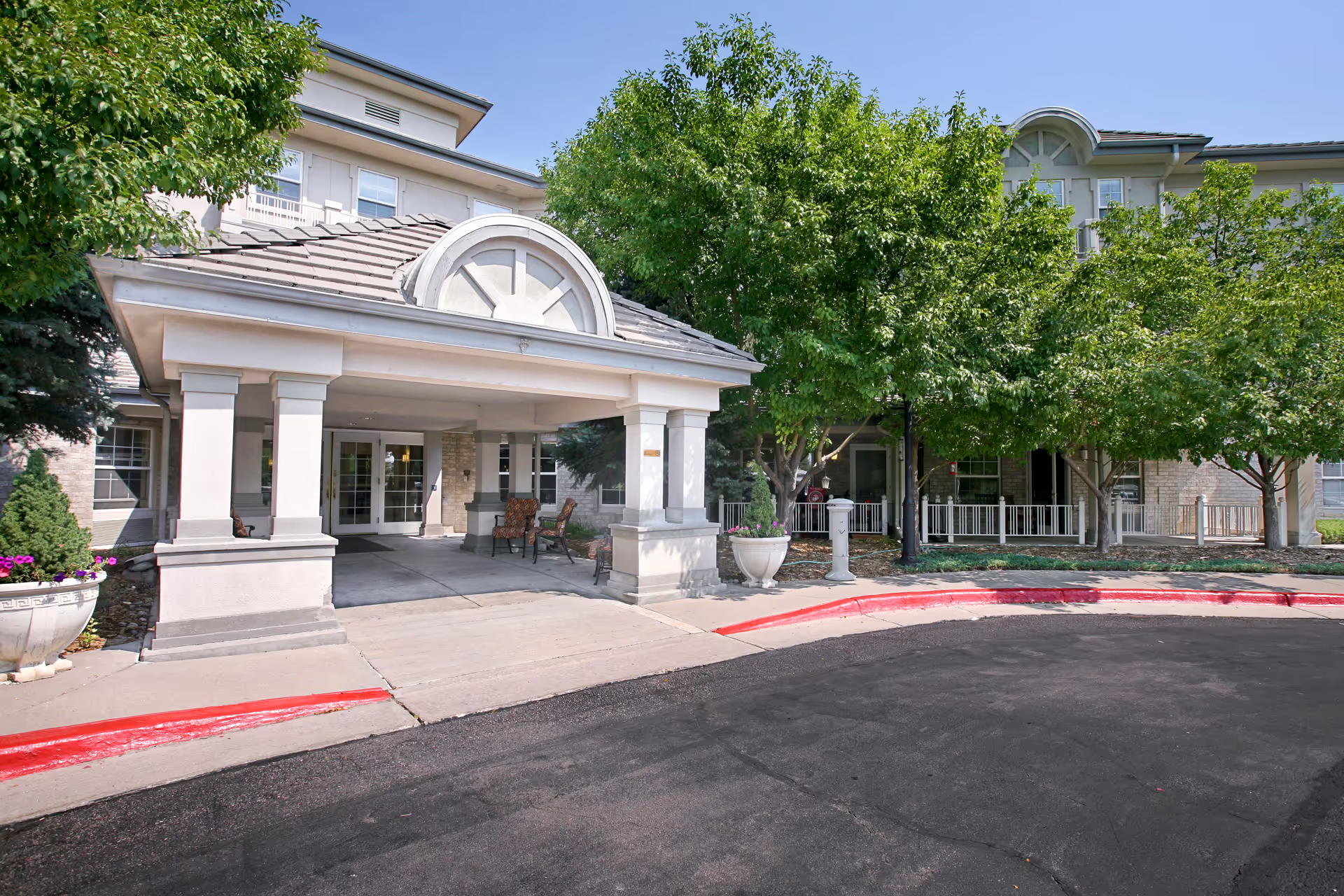
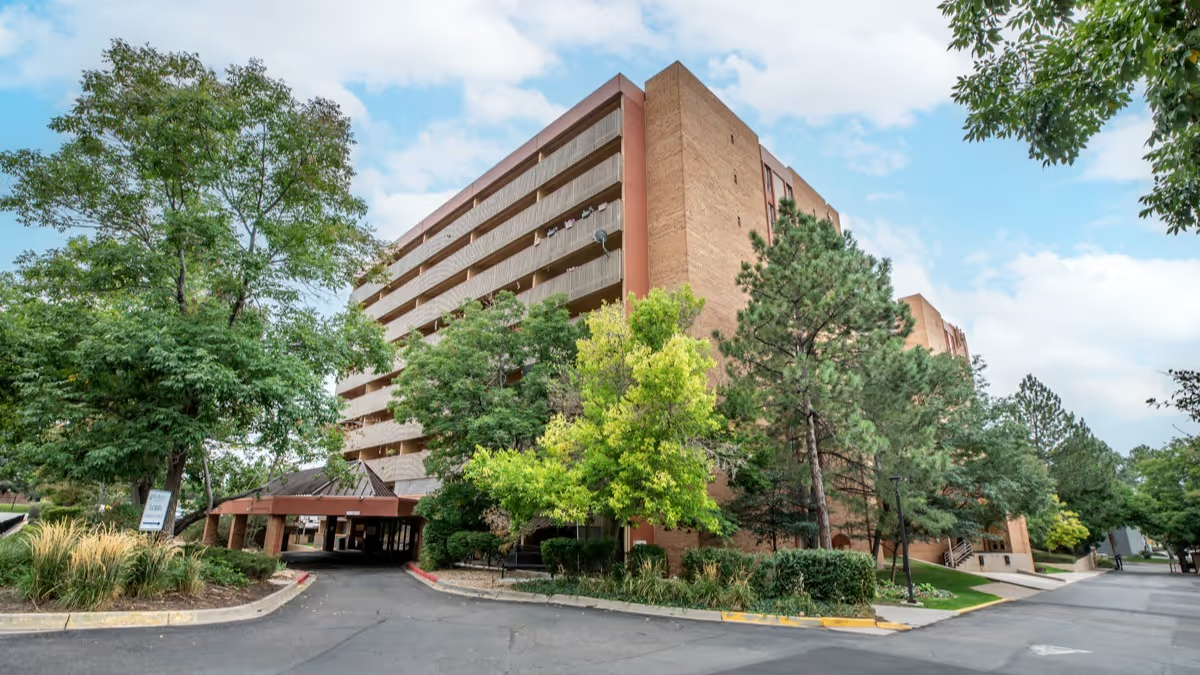
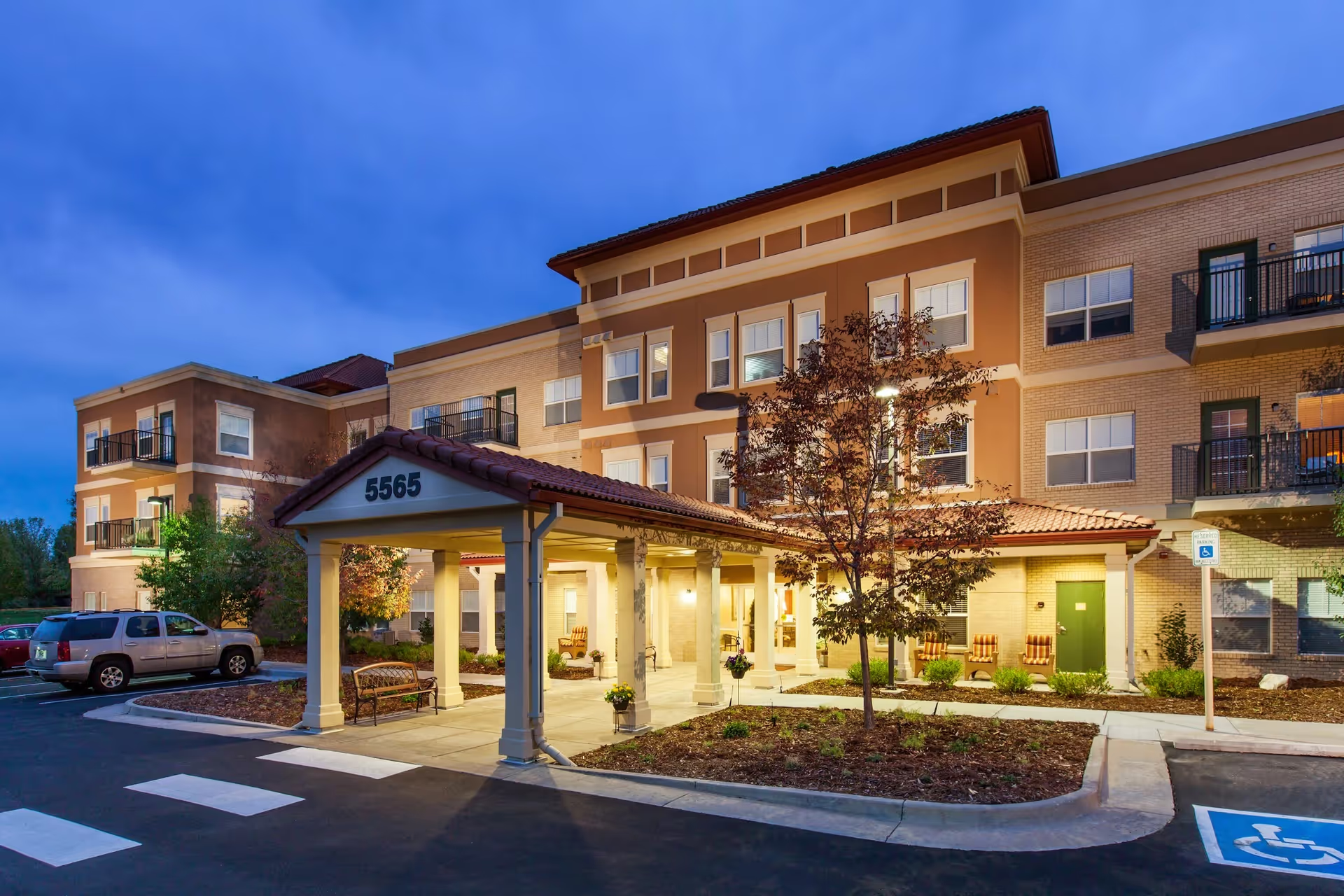
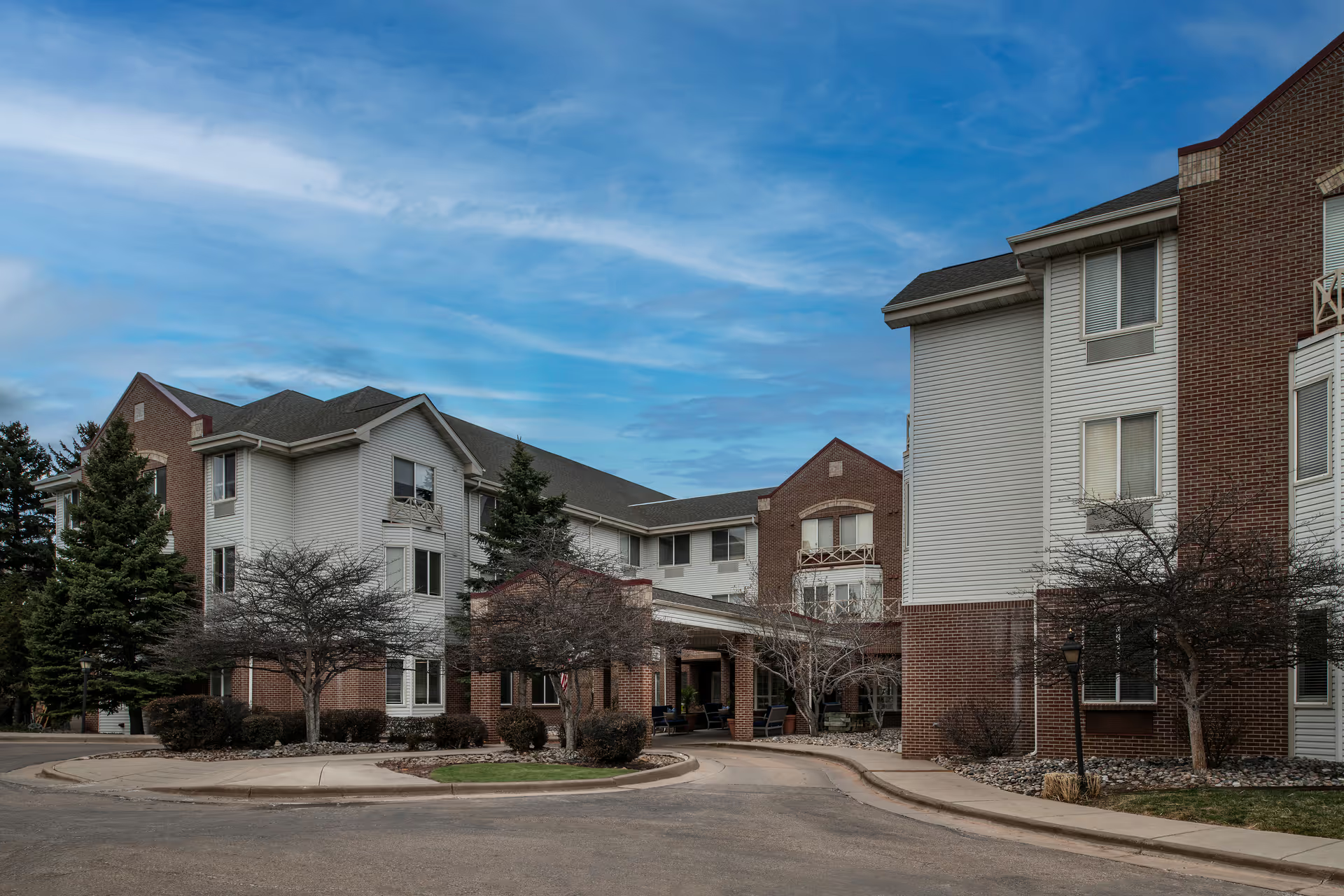
Quincy Place presents as an independent-living community with a generally positive, resident-focused culture alongside notable operational inconsistencies. Strengths reported across accounts include a warm, compassionate staff, a bright and airy facility with high ceilings and large windows, and a variety of social opportunities — live music, art classes, bingo, exercise, bible study and frequent bus outings. Units tend to be roomy for independent living and many feature balconies or patios; the property is described as convenient to I-225 and local shopping, pet friendly, and equipped with common amenities such as a gym, salon, theater and on-site therapy services.
Care and staffing impressions are mixed. Many families praised staff attentiveness, personalized check-ins, and staff who know residents by name; on-site physical and occupational therapy and routine assistance with housekeeping and meals support the independent-living model. At the same time, multiple accounts describe staffing shortages and turnover that have affected service consistency — delayed housekeeping, slower maintenance response times, reduced life-enrichment support, and reports of limited or no overnight medical coverage. Prospective residents who require reliable clinical support or 24-hour nursing should verify available coverage and escalation procedures prior to moving in.
Dining and food service are another area of mixed performance. Numerous reviewers complimented the variety, presentation, and regularity of three meals per day and highlighted chef specials and snack offerings. Conversely, others described uneven meal quality, reduced variety when meals are delivered to rooms, limitations on in-unit cooking (no stoves, limited microwaves), and breakfast service constraints. Meal-service continuity has also been affected at times by staffing and operational issues; visitors should observe a service period and sample meals during a tour.
Activities and transportation are generally regarded as positive drivers of social life, with regular outings, musicians, and scheduled events noted as strengths. However, programming consistency varies: some residents describe a lively calendar while others found schedules sparse or outdoor offerings limited. Transportation is provided for shopping and appointments but logistical problems have been cited, including cancelled bus trips, scheduling mistakes, and limited wheelchair-accessible vehicles; confirm the scope and reliability of transport services if mobility support is a requirement.
Facility-operations and physical-plant feedback is likewise mixed. The building’s aesthetic — light-filled atrium, wide hallways and communal spaces — is frequently praised. At the same time, infrastructure limitations surface repeatedly: only one elevator creates circulation delays and accessibility concerns, and some reviews point to sanitation or pest-control issues, smoking-policy ambiguity with associated odors, and delayed or incomplete maintenance work. Parking is available but may carry additional monthly cost.
Management and administrative patterns show both responsive behaviors and notable problem areas. Several accounts describe managers and directors who are engaged, communicative, and responsive to concerns. Conversely, there are consistent complaints about aggressive move-in sales tactics, opaque fee structures (community fees, rate-lock fees, deposits), unresolved refund or billing disputes, and inconsistent follow-through from corporate accounts-payable. There is at least one cited HIPAA-related allegation and separate allegations of financial misconduct; these raise governance and compliance questions that should be explored directly with the provider.
Overall, Quincy Place will appeal to independent seniors who prioritize social engagement, a bright facility, included meals and transportation, and a community-oriented staff. Those with higher medical needs, mobility devices requiring frequent transit between floors, or a low tolerance for administrative ambiguity should probe operational details carefully. Recommended topics for an in-person visit: current staffing ratios and overnight clinical coverage, elevator redundancy and accessibility plans, concrete examples of recent maintenance turnaround times, the facility’s pest-control and smoking policies, exact fee and refund terms in writing, and observation of meal service and an activities session.