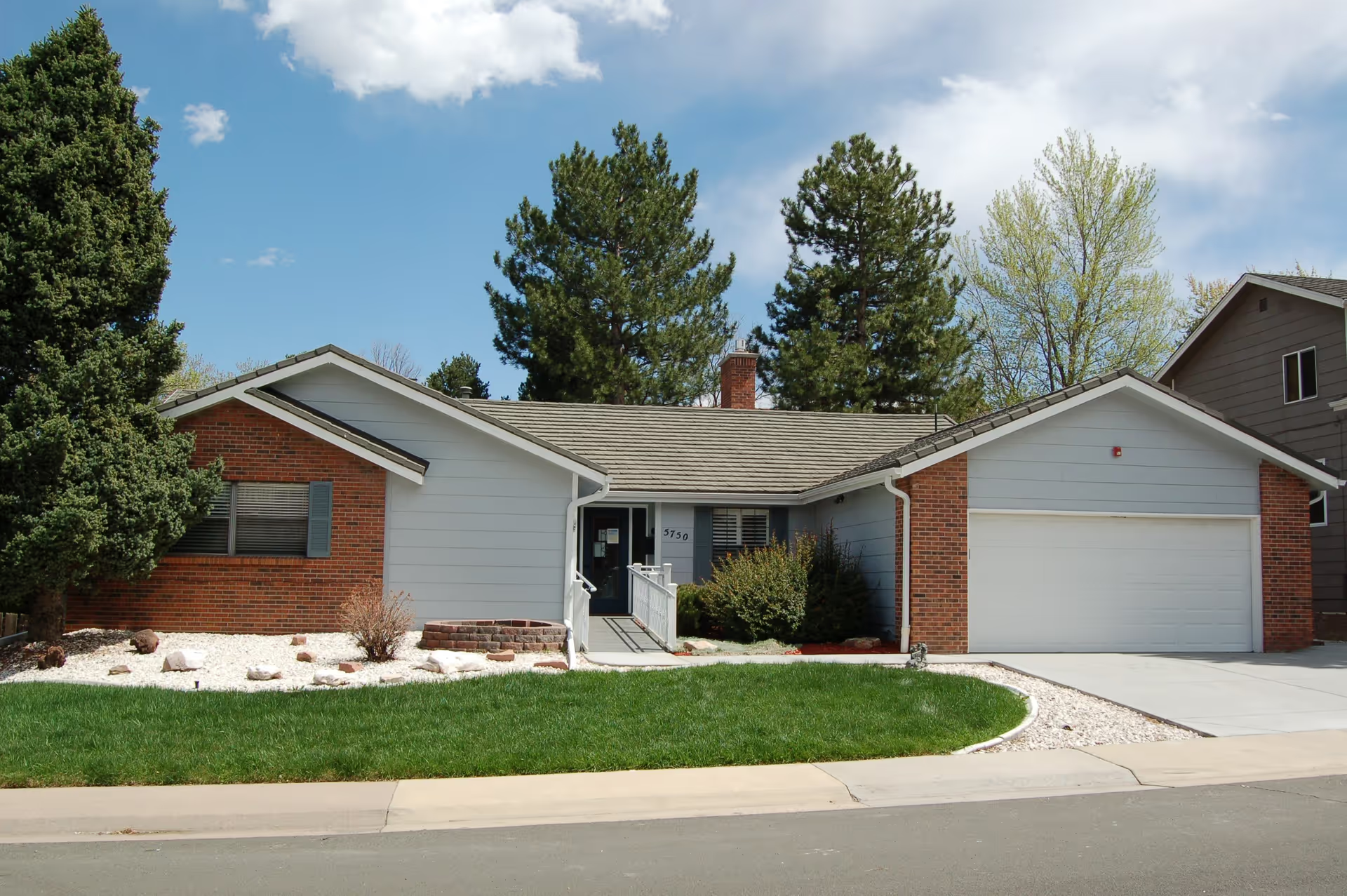
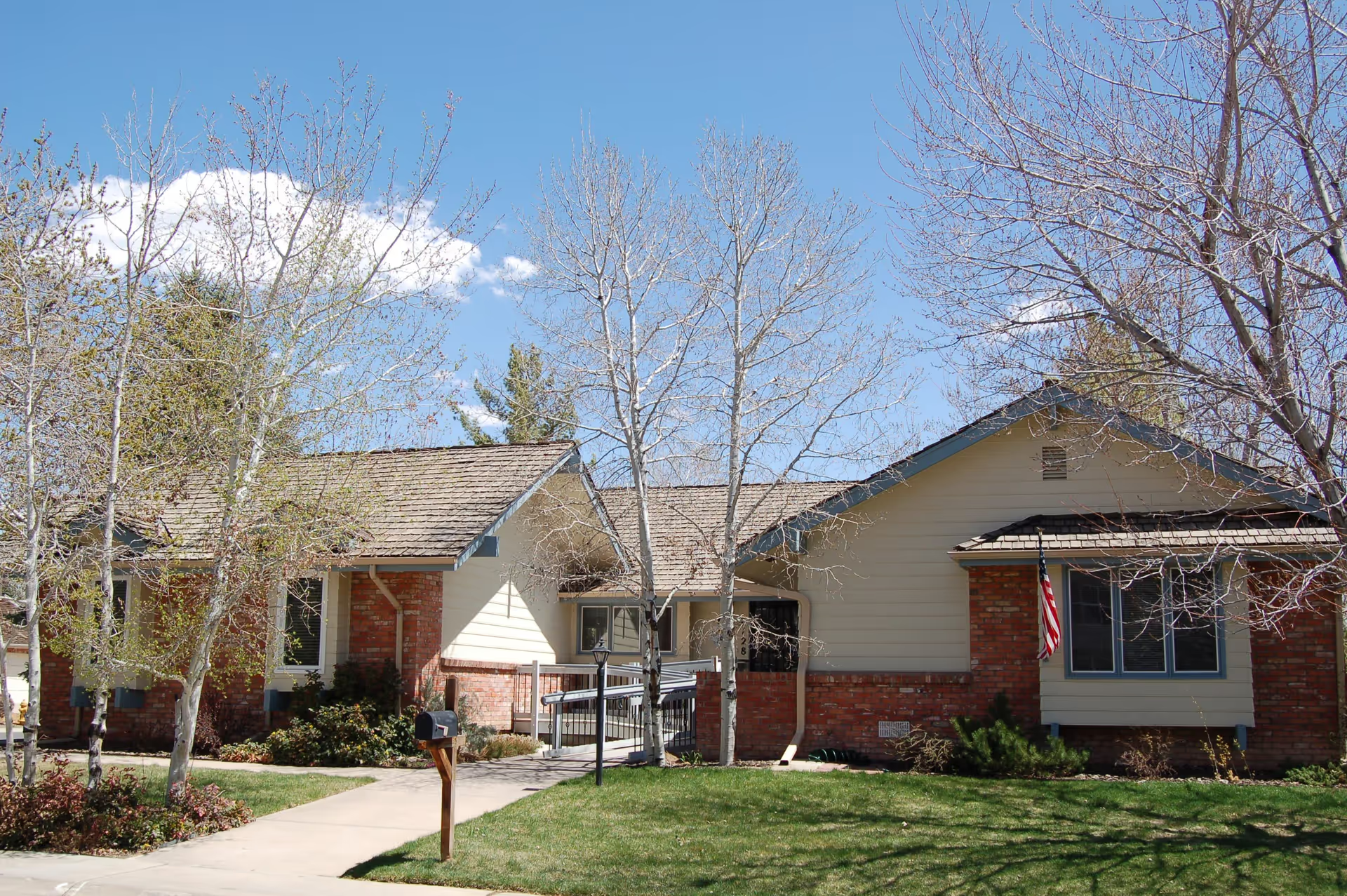
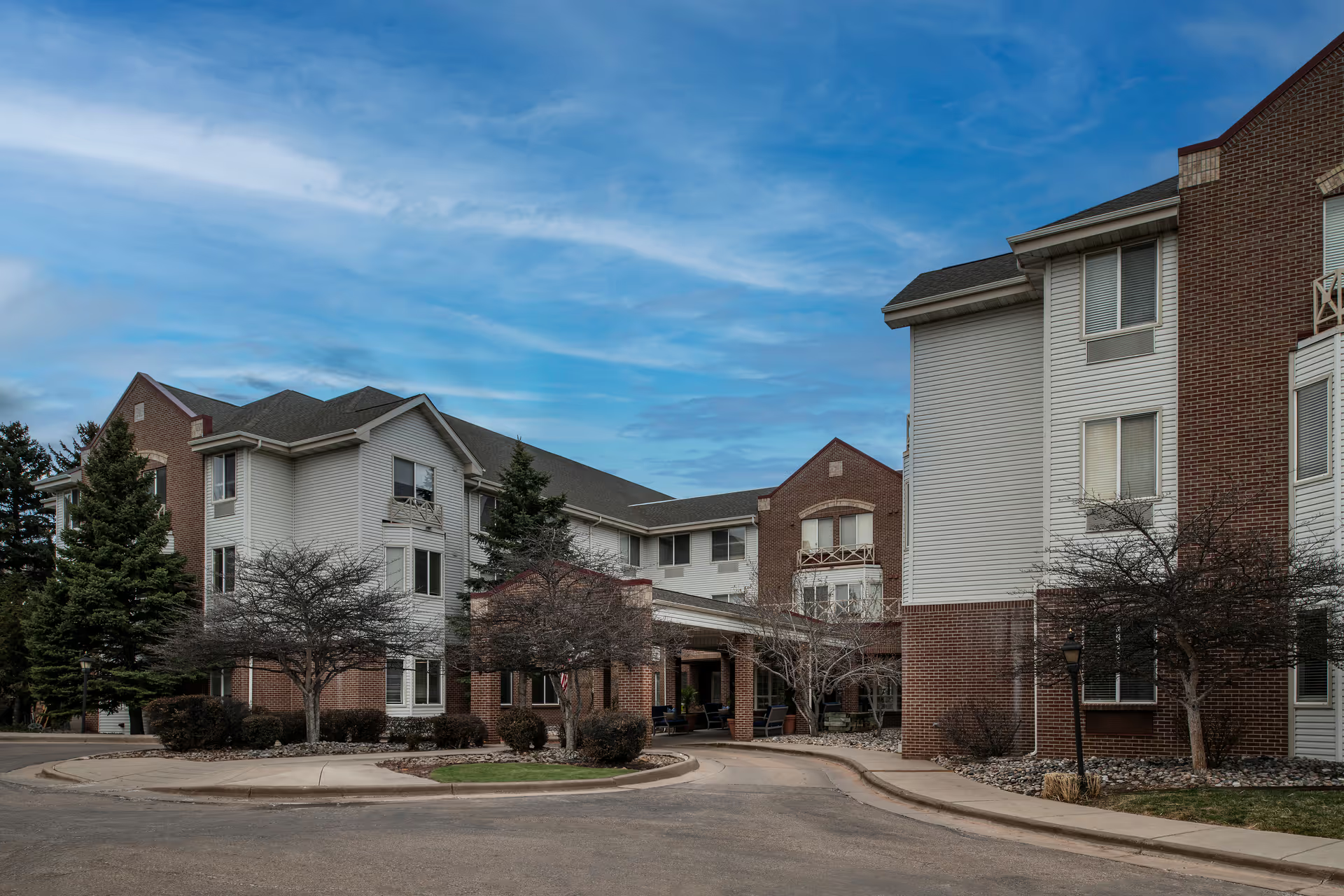
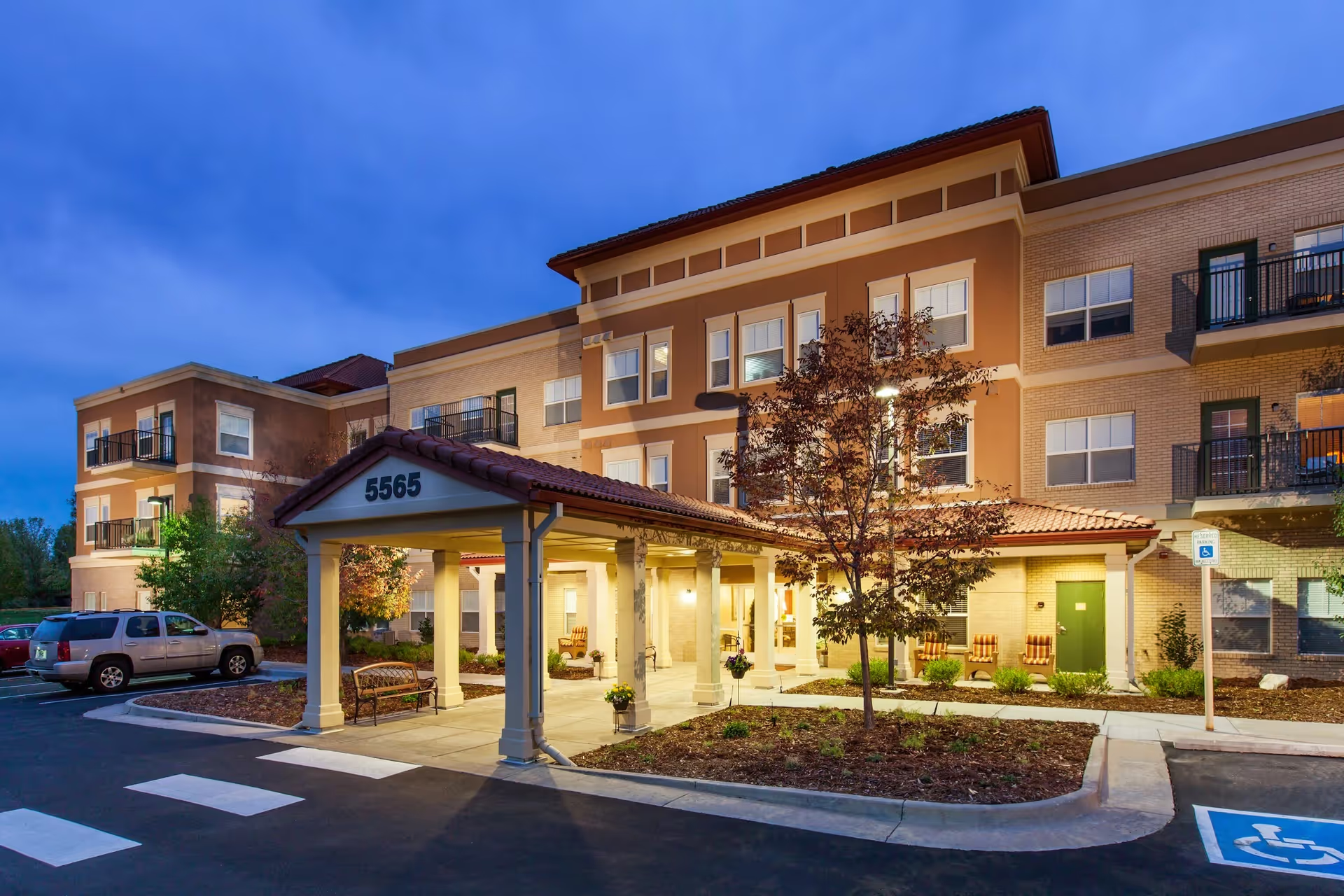
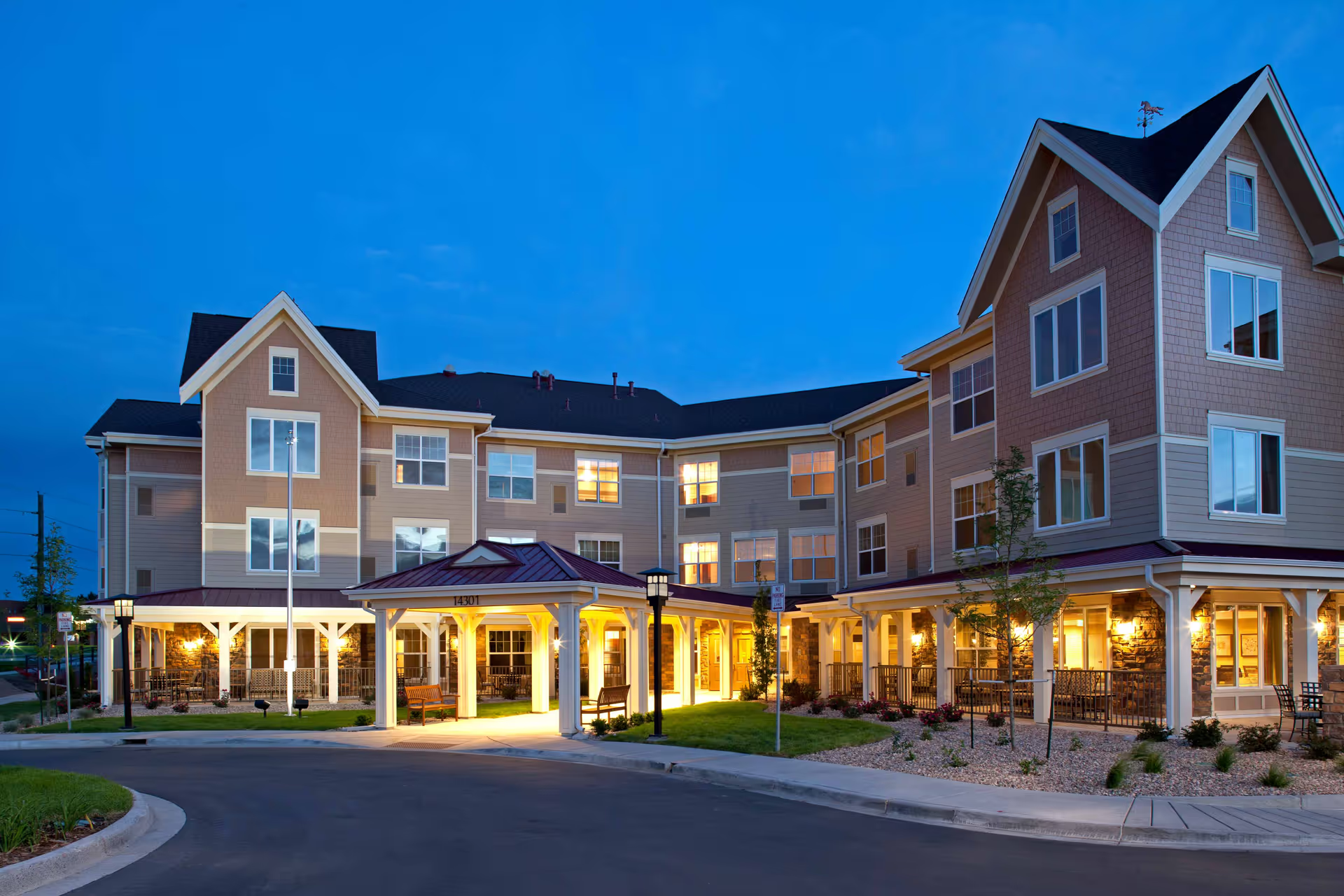
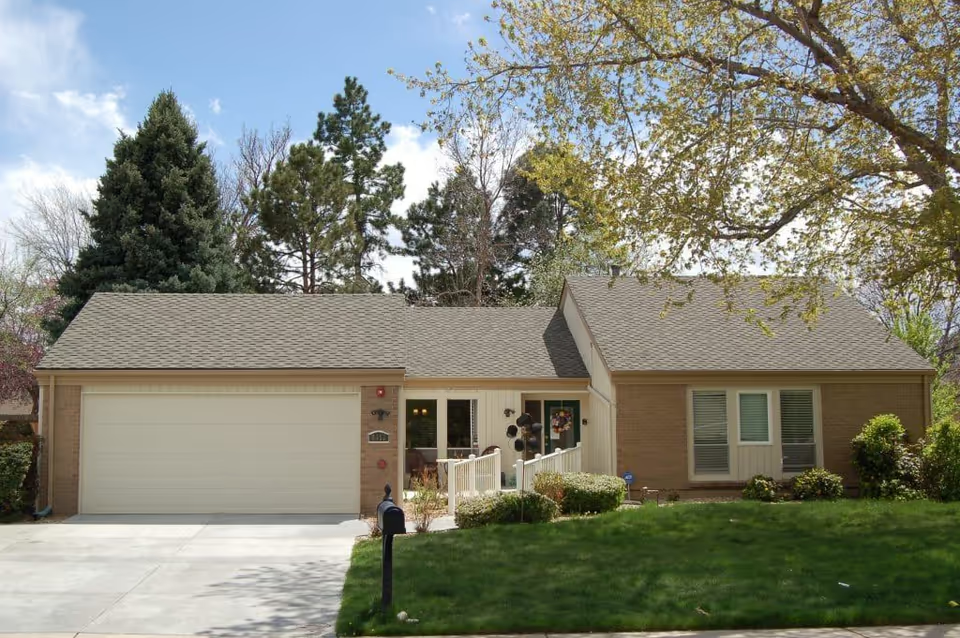
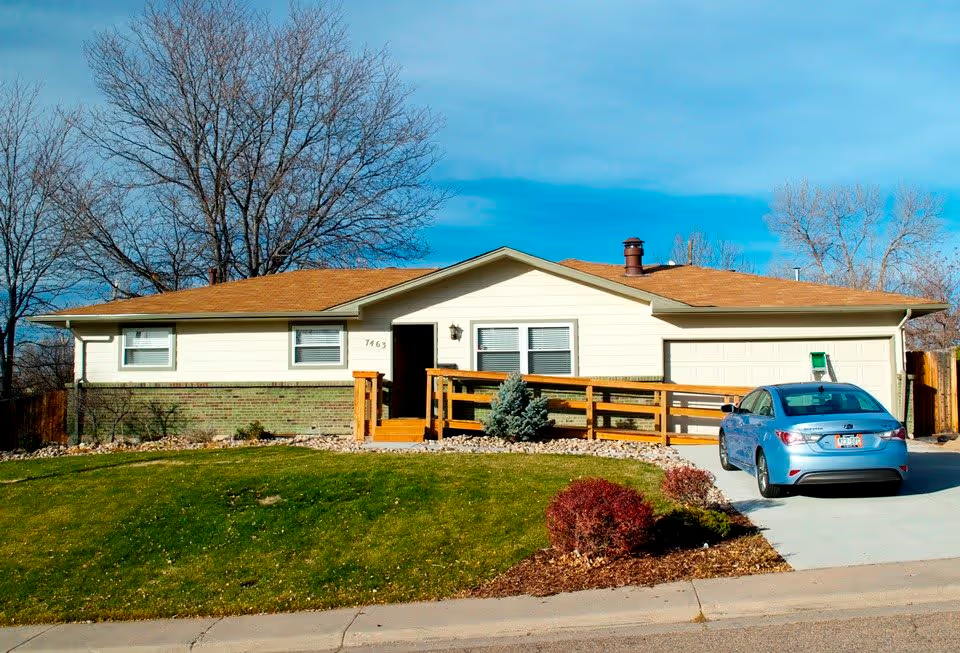
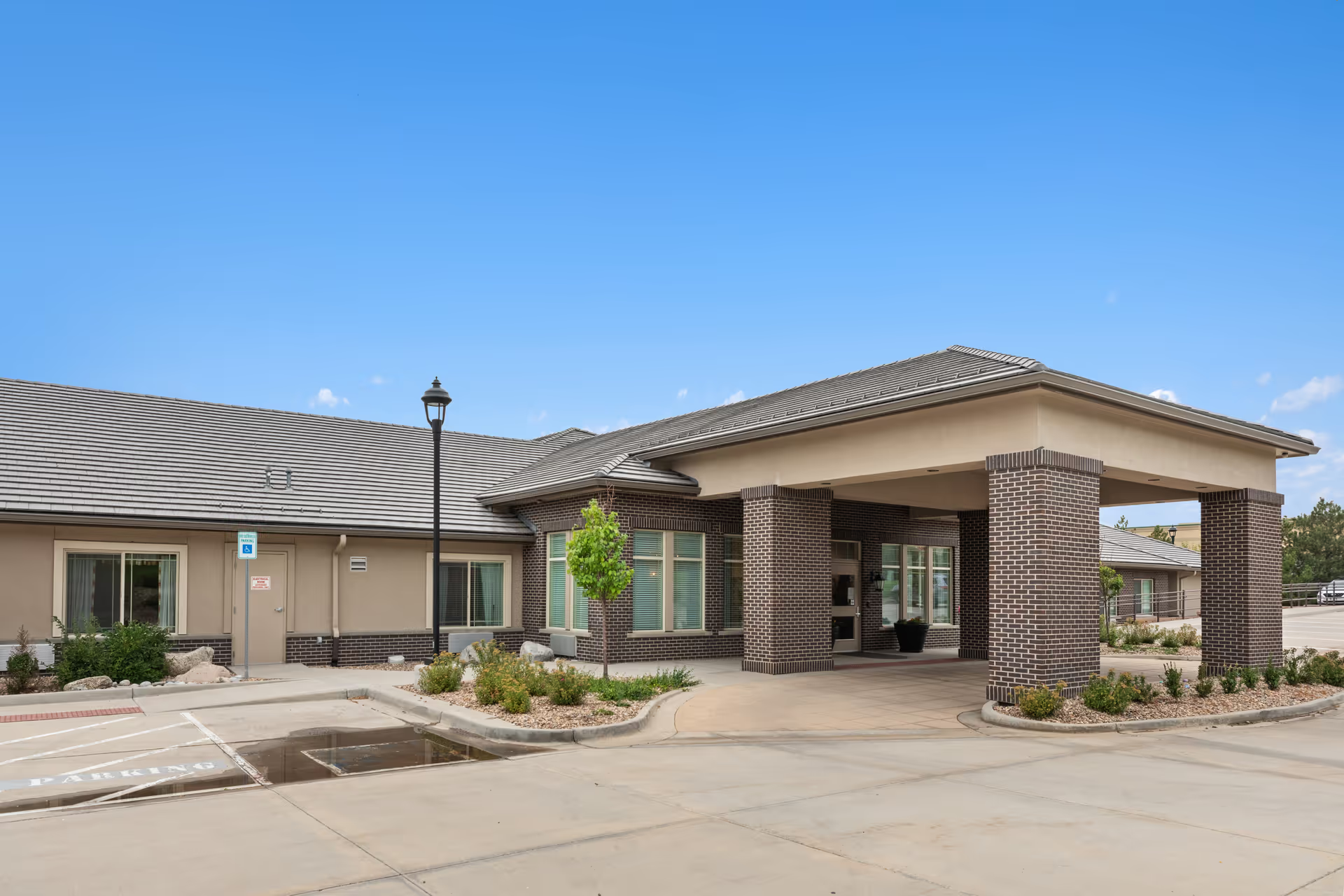
Assured Serenity 21 is consistently described as a small, home-like memory-care residence where interpersonal care and cleanliness are central features. Families frequently highlight compassionate, attentive staff who provide dignified, 24-hour dementia care, and who manage medications reliably. The setting is characterized as secure and comfortable; reviewers commonly note that residents feel loved and safer after moving in. Move-in support and consistent, patient caregiving are recurring strengths, and individual staff members receive positive mention for managing resident interactions well.
Dining and housekeeping are strong operational areas. The facility offers home-cooked, nourishing meals with dietary accommodations and a variety of options; occasional treats and regular meal attention are cited. Daily housekeeping and laundry services contribute to an overall impression of high cleanliness and order. The small scale of the house supports more personalized meal service and resident oversight than is typical in larger facilities.
Social programming and daily routines reflect the small-group model. Scheduled activities, post-meal walks, and a managed, calm communal environment are noted as appropriate for residents with memory impairment. Reviewers describe patient staff and a well-managed community dynamic that supports resident well-being and social engagement.
Observed operational limitations stem from the facility’s small size. Limited staffing levels can constrain timely mobility assistance for residents with higher physical needs, and the smaller footprint may limit access to some on-site specialized services. A language-access issue is also evident: staff members whose primary language is not English can reduce participation for residents who rely on English-language interaction. Communication with families is generally strong, but a minority of comments point to occasional variability in responsiveness or information-sharing practices.
Overall, reviewers give Assured Serenity 21 high marks for compassionate memory care, food service, cleanliness, and a home-like atmosphere; many recommend it as a good value for families seeking small-group dementia care. Prospective families should weigh those strengths against potential trade-offs: confirm staffing levels for mobility-assistance needs, ask about language accommodations and activity accessibility, and consider the commute distance when evaluating fit. A site visit and direct discussion with management about staffing patterns and language support will help clarify whether the program meets a particular resident’s clinical and social needs.