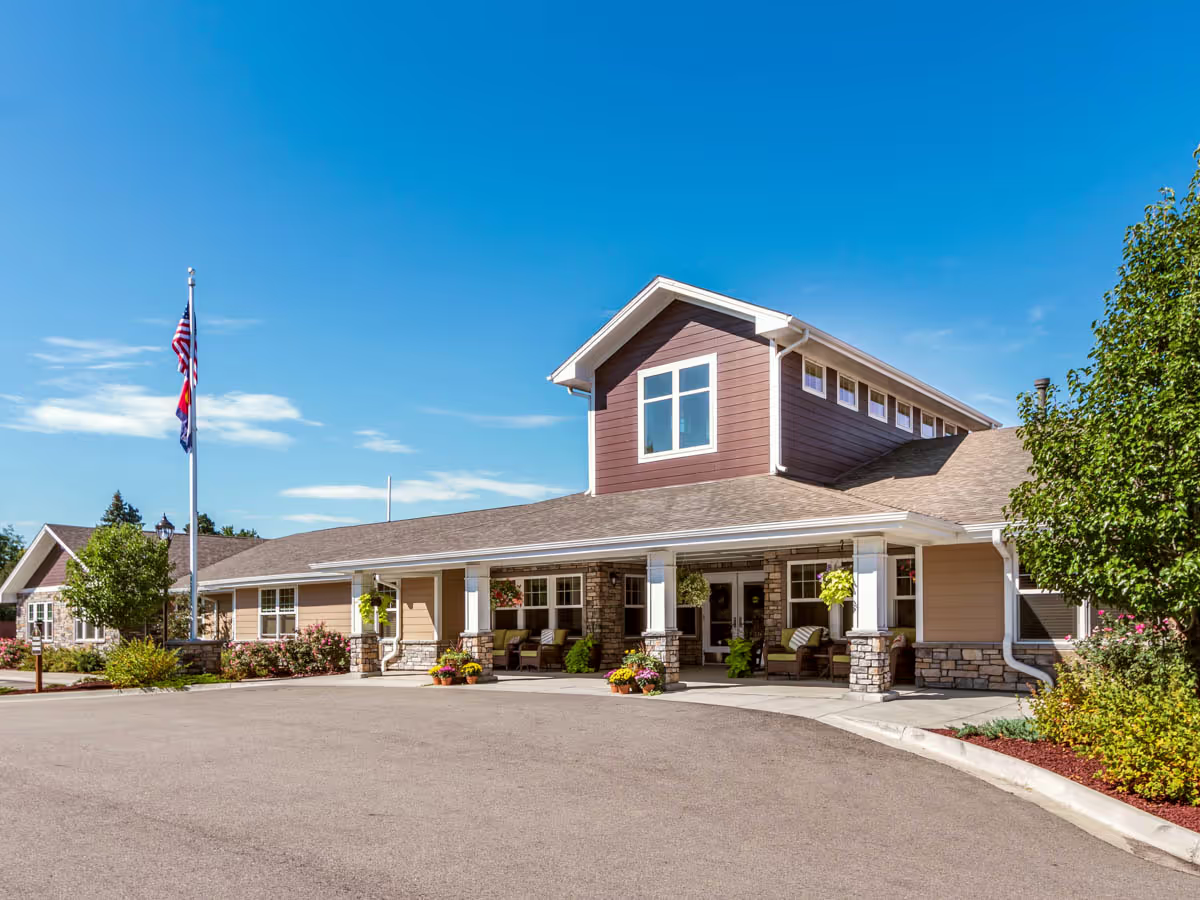
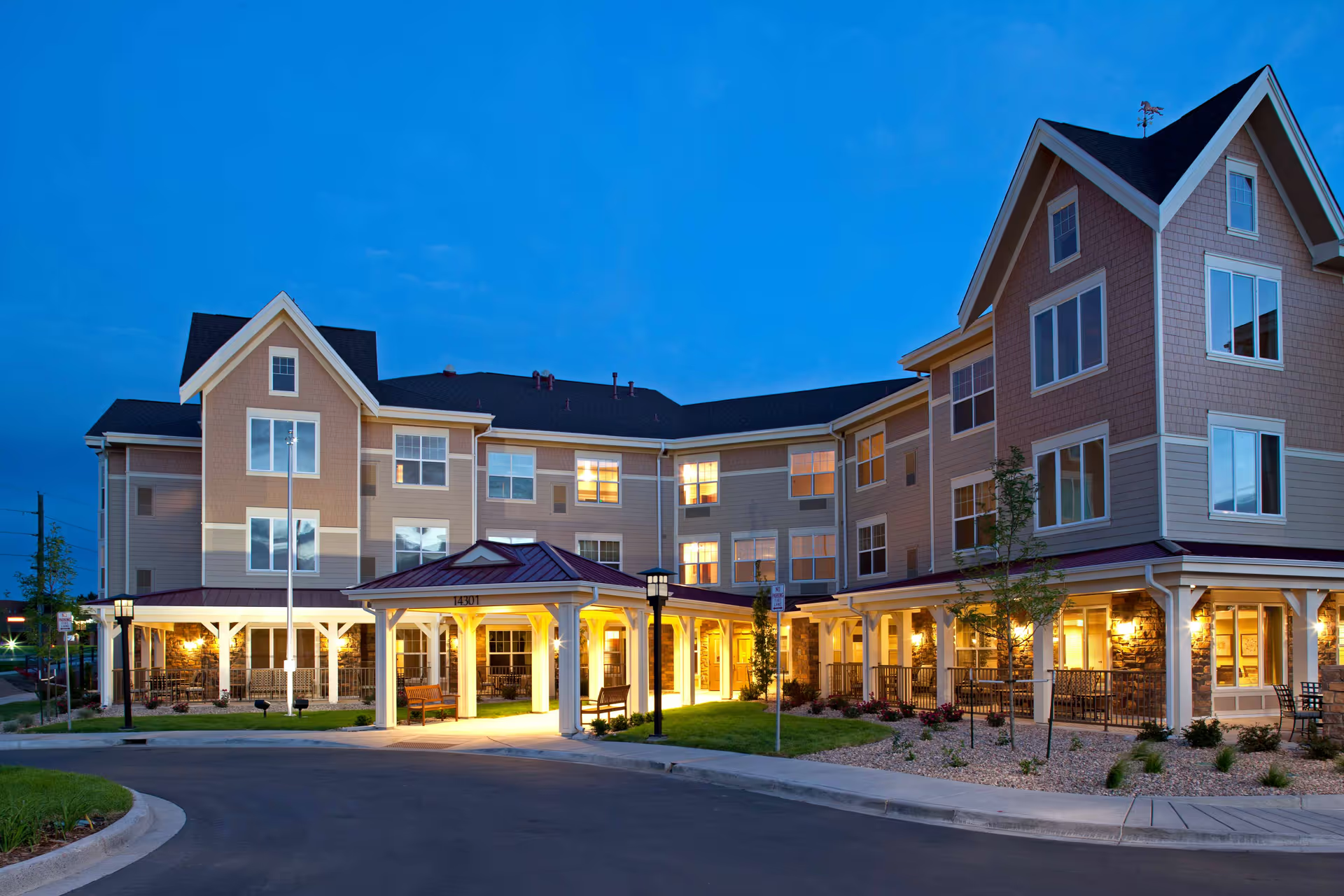
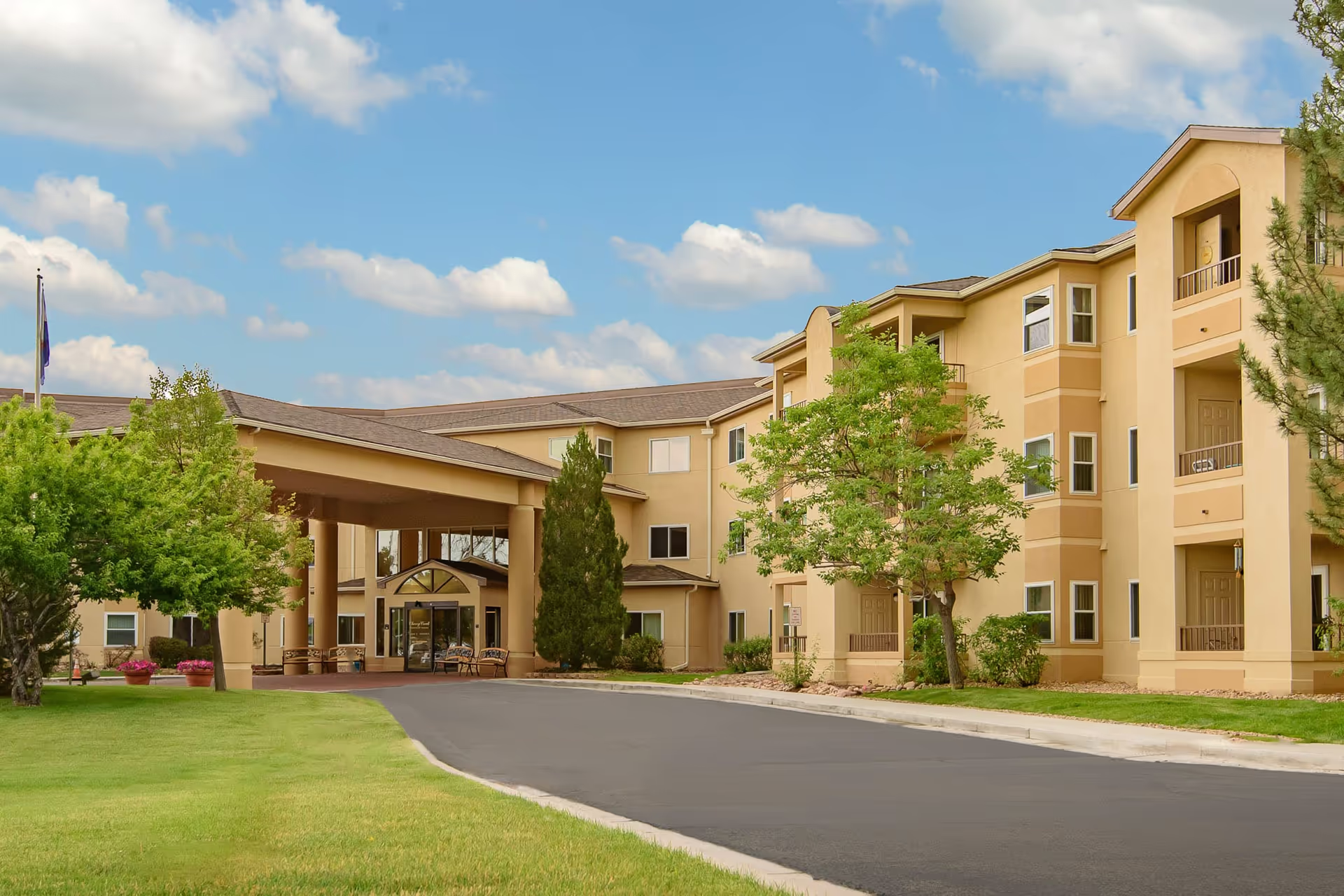
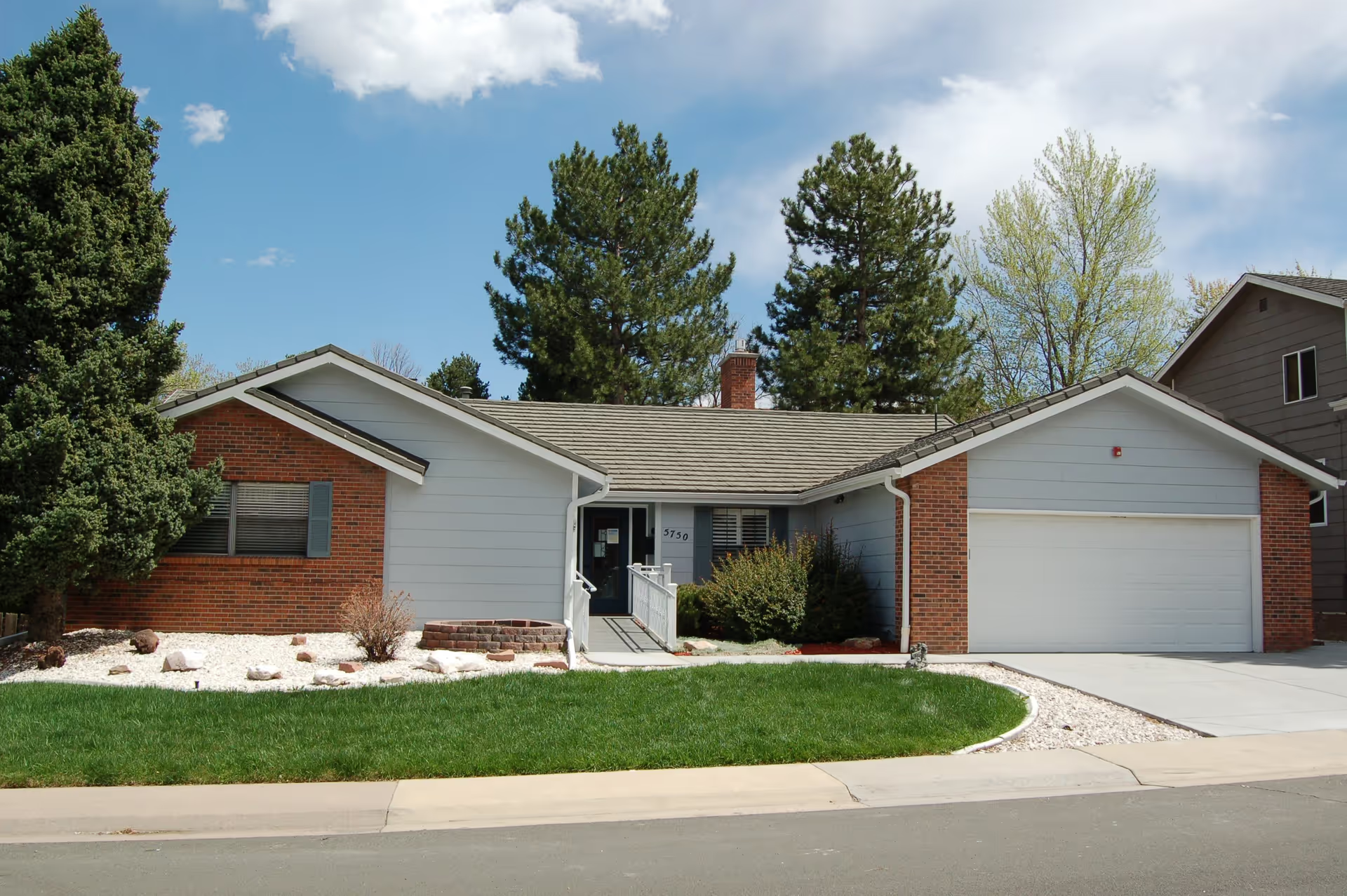
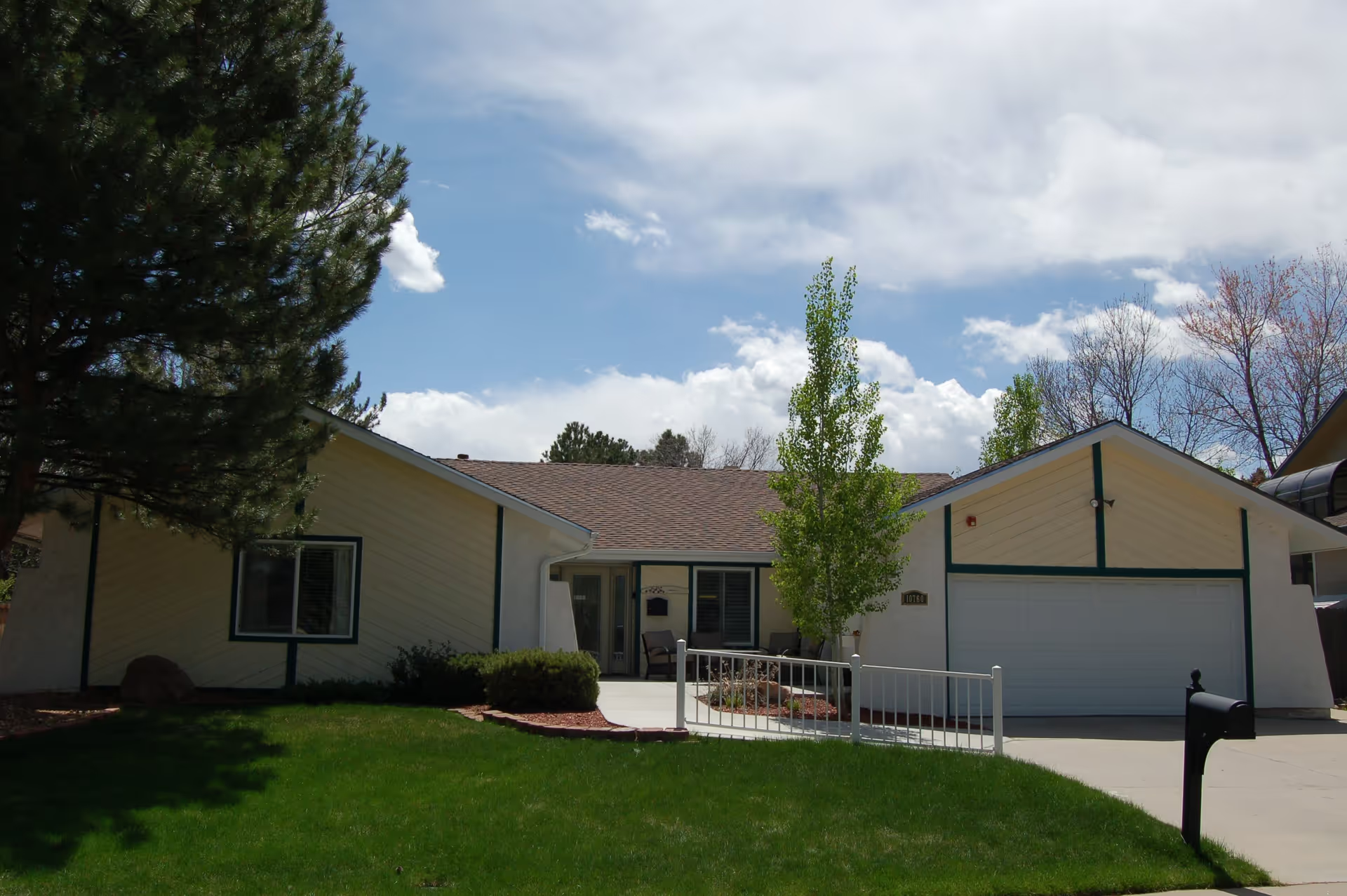
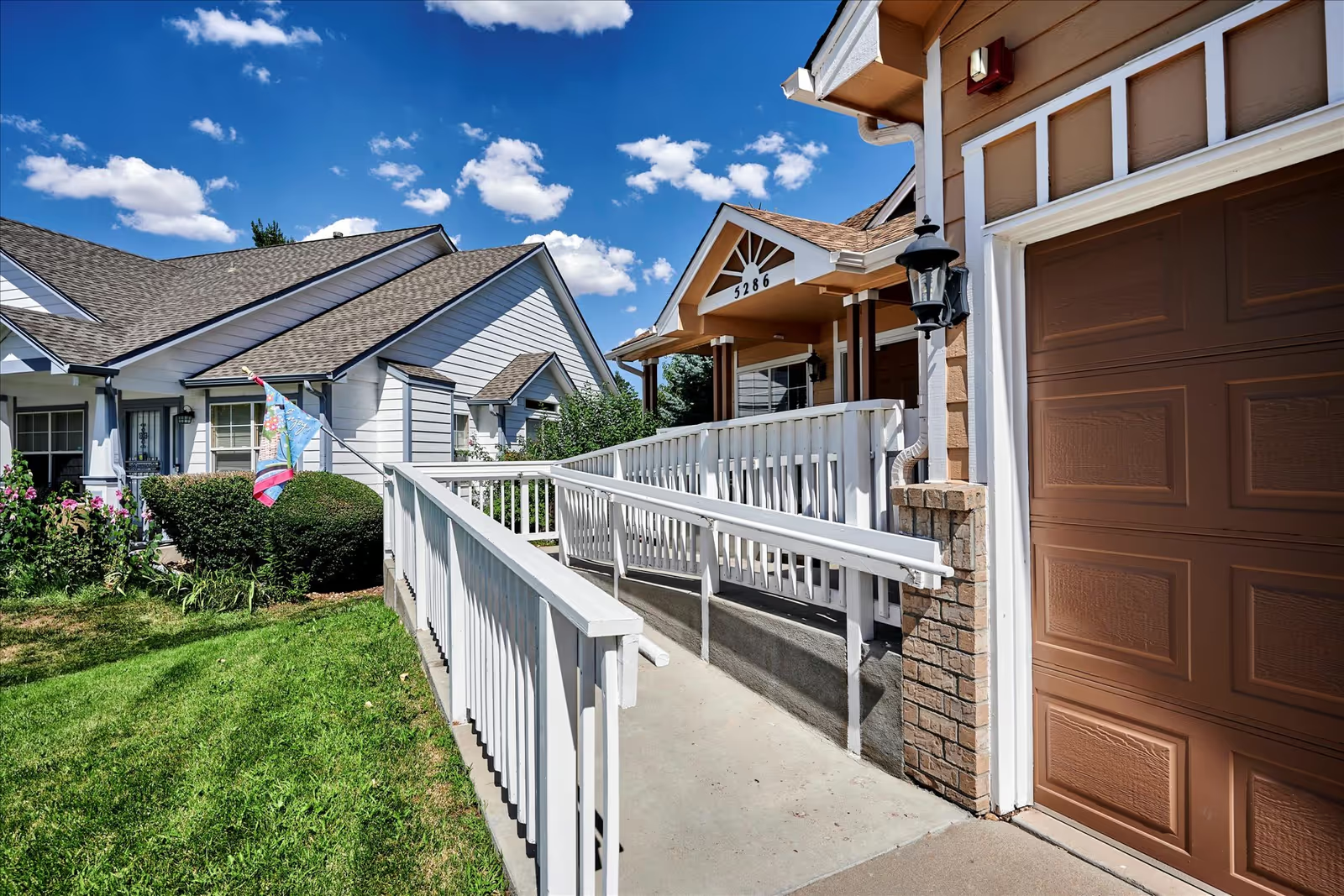
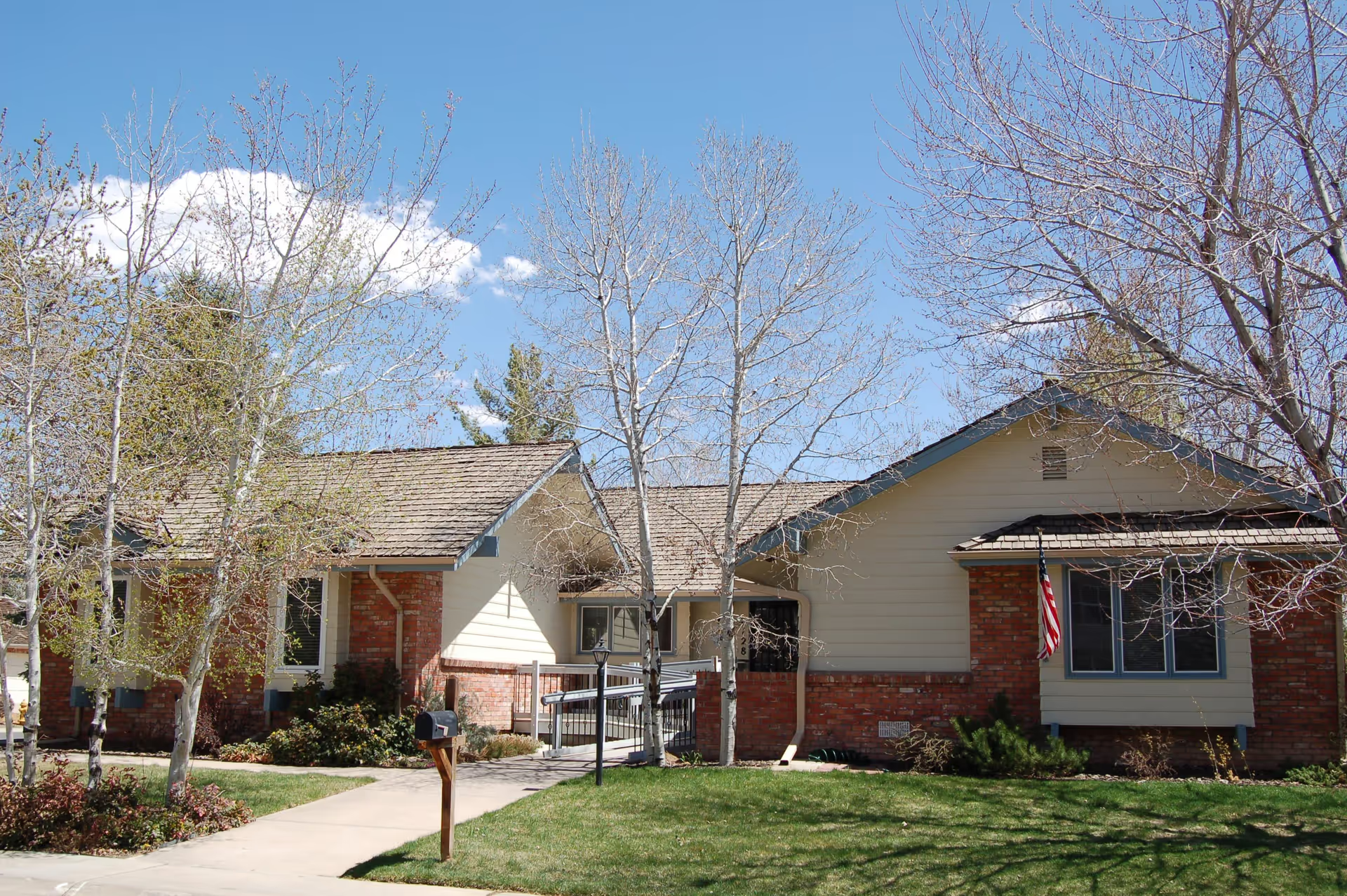
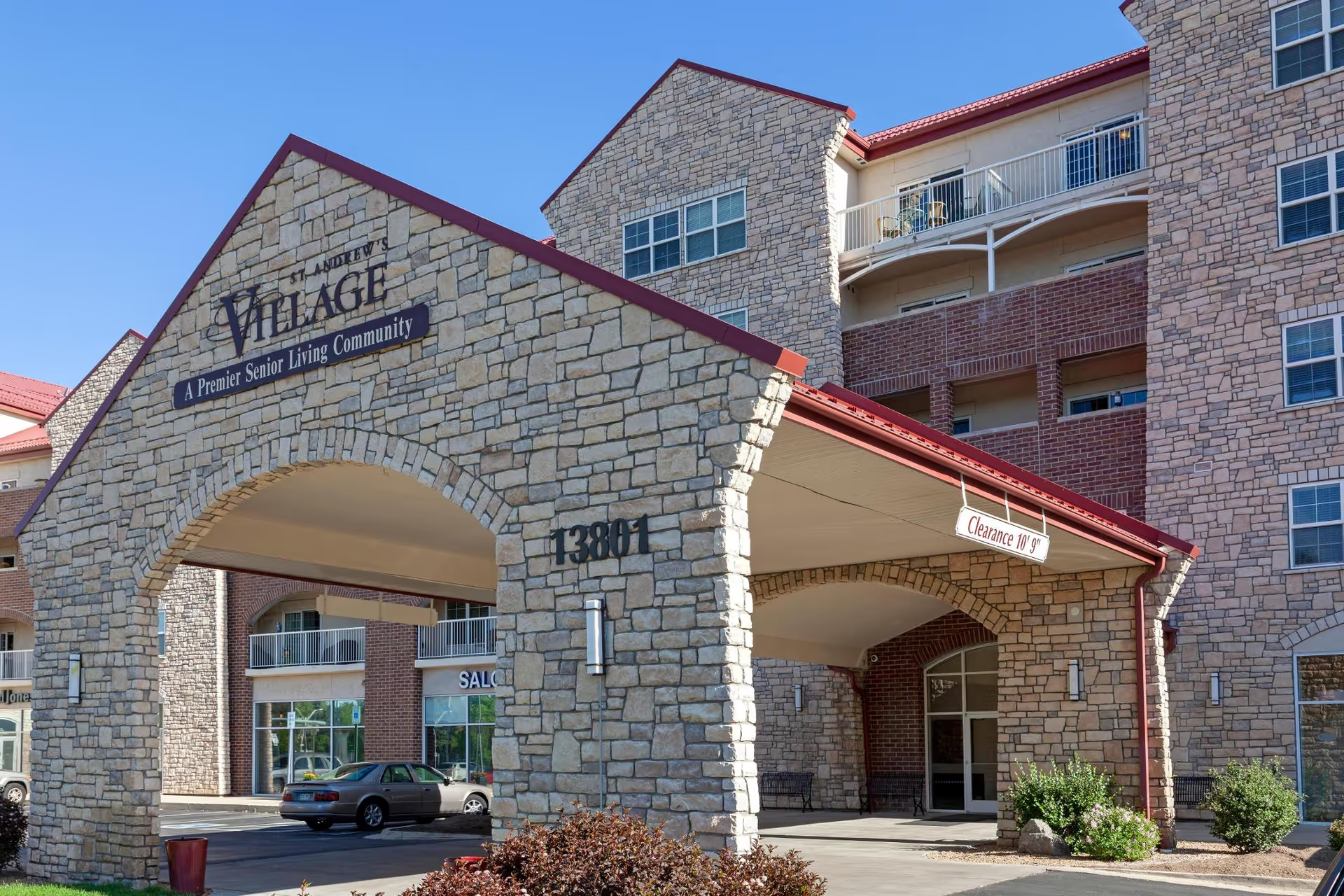
Belleview Heights presents as a dementia-focused memory care community with many operational strengths alongside a set of recurring operational weaknesses. Families and visitors consistently note a clear clinical orientation to memory care, 24-hour nursing coverage, and deliberate design elements—circle layout, wide hallways, and outdoor courtyards—that support safe movement and engagement. The facility is frequently described as attractive, well maintained, and clean, with dependable housekeeping and laundry services. Room options include private and larger shared accommodations that accommodate different budgets.
Care and staff performance are a prominent positive. Reviewers highlight compassionate, attentive caregivers, hands-on nursing, and strong medication-management partnerships (including hospice and pharmacy relationships). Several accounts point to personalized attention, proactive clinical coordination, and staff who know residents by name. At the same time, reviewers document operational inconsistencies: staffing levels and turnover are cited as recurring issues, and there are repeated concerns about communication delays or difficulty reaching management during problems. These operational patterns have at times translated into lapses in routine personal care—including inconsistent toileting/bathing schedules and variability in supervision during meals or common-area activity periods.
Dining and activities are frequently praised. Meals are described as nourishing, well prepared, and accommodating of finger-food approaches suited for memory-impaired residents; snacks and seconds are commonly available. The activity program is broad and dementia-appropriate, with music, singing, arts and painting, cooking classes, puzzles, bowling/bingo, outings, and therapeutic partnerships. Families generally value the program’s variety and the effort of activity staff, though some families note that engagement can vary by individual resident ability and that additional encouragement may be needed for less-inclined residents.
Facilities and safety features receive mixed appraisals. The physical plant, aesthetic presentation, and outdoor spaces are strong positives. Safety design (sensors, monitored wandering paths, and day/night supervision) is noted, but several reviews raise concerns about inconsistent adherence to monitoring protocols and fall-prevention practices. Sanitation and incontinence-care shortcomings are flagged in a subset of accounts; these are operational issues rather than facility design flaws and relate to shift-level execution. Medication administration is generally viewed as a strength overall, yet some accounts describe timing variability and inconsistent handling of as-needed medications.
Management and administrative topics show both strengths and areas for improvement. Management is often described as accessible, flexible, and engaged during admissions and transitions, with staff who support move-in logistics. Conversely, reviewers identify transparency issues around admission fees, contract terms, and billing; some families experienced unexpected charges or slow refunds. A limited number of serious complaints resulted in regulatory scrutiny and resident transfer in isolated cases; that pattern suggests potential gaps in incident response and escalation processes that prospective families should clarify during touring and contracting.
Overall, Belleview Heights appears to deliver a high level of dementia-focused programming, compassionate daily caregiving, strong clinical partnerships, and an attractive, secure environment. Prospective residents and families should weigh those strengths against operational variability in staffing, communication, routine personal-care execution, and administrative transparency. During a tour and intake process, families may wish to ask for specifics about current staffing ratios, toileting and incontinence protocols, medication-timing practices, recent regulatory history and how incidents were remediated, and written explanations of all admission fees and contract terms to ensure alignment with expectations.