Overall impression: Reviews present a facility with a pronounced strength in frontline caregiving and therapy services alongside operational inconsistencies that affect family trust. Many families and visitors highlight compassionate, attentive staff—nurses, CNAs, therapists, cooks, and environmental services personnel—who create a welcoming, team-oriented atmosphere. Clinical rehabilitation and therapy receive repeated praise for helping residents make measurable progress and regain independence; several accounts describe successful rehab outcomes and effective assistance with transfers.
Care quality and staffing: Direct care is described positively in many accounts, with appreciation for individualized treatment, dignity in end-of-life moments, and staff who go beyond routine duties to support residents. At the same time, there are recurring concerns about variability in staff professionalism and responsiveness. Specific operational patterns include lapses in nursing supervision and inconsistent support for aides, which families link to delayed attention to routine personal care tasks. There are also noted gaps in communication and documentation around medication administration, which stakeholders identified as a significant area for improvement.
Dining and activities: The facility’s activity programming and social engagement are strong points. Organized events, exercise encouragement, and individualized celebratory touches (for example, birthday recognitions) contribute to a positive social environment. Several reviewers noted improved meal quality and competent kitchen staff; however, overall dining impressions vary and would benefit from consistent follow-through.
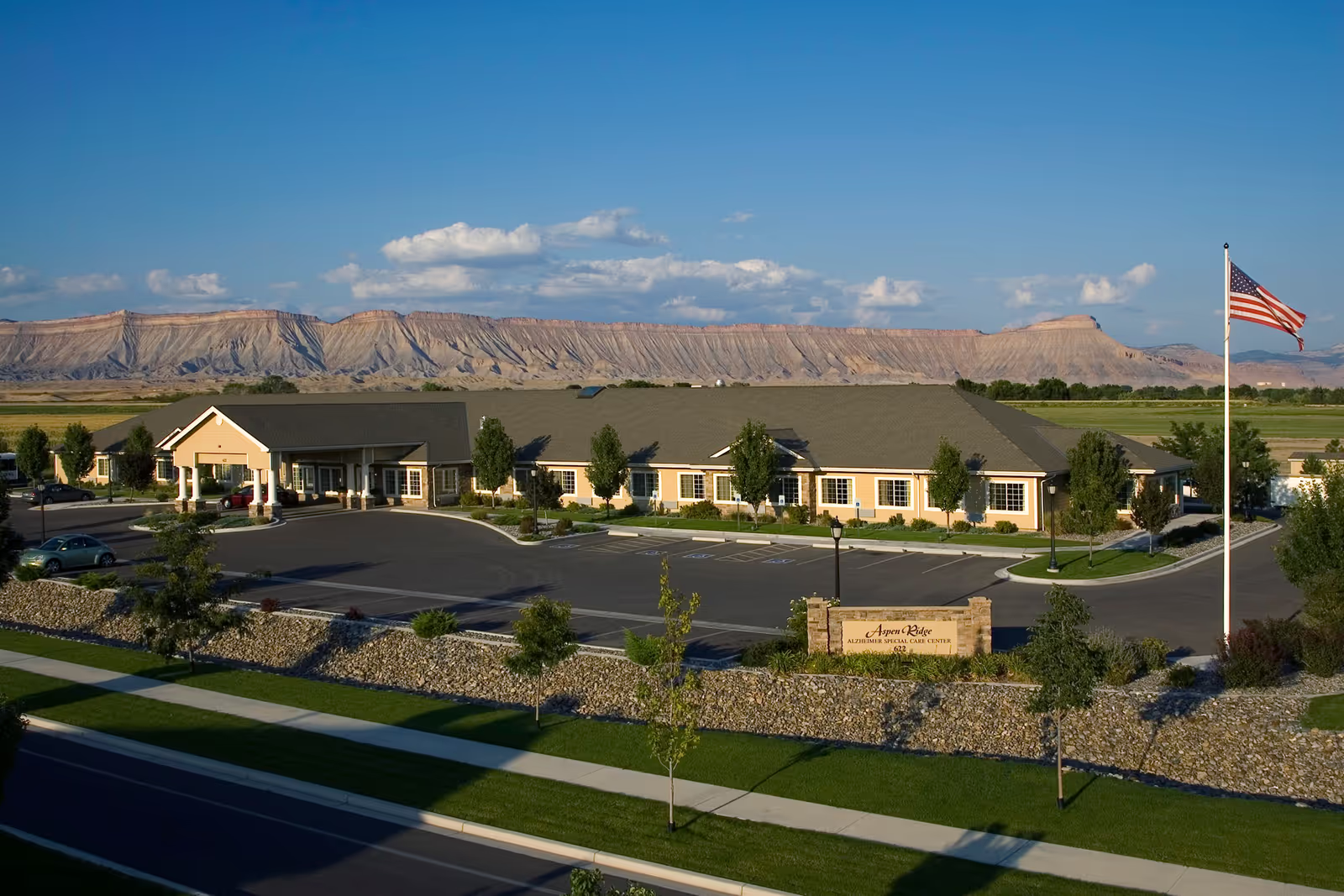
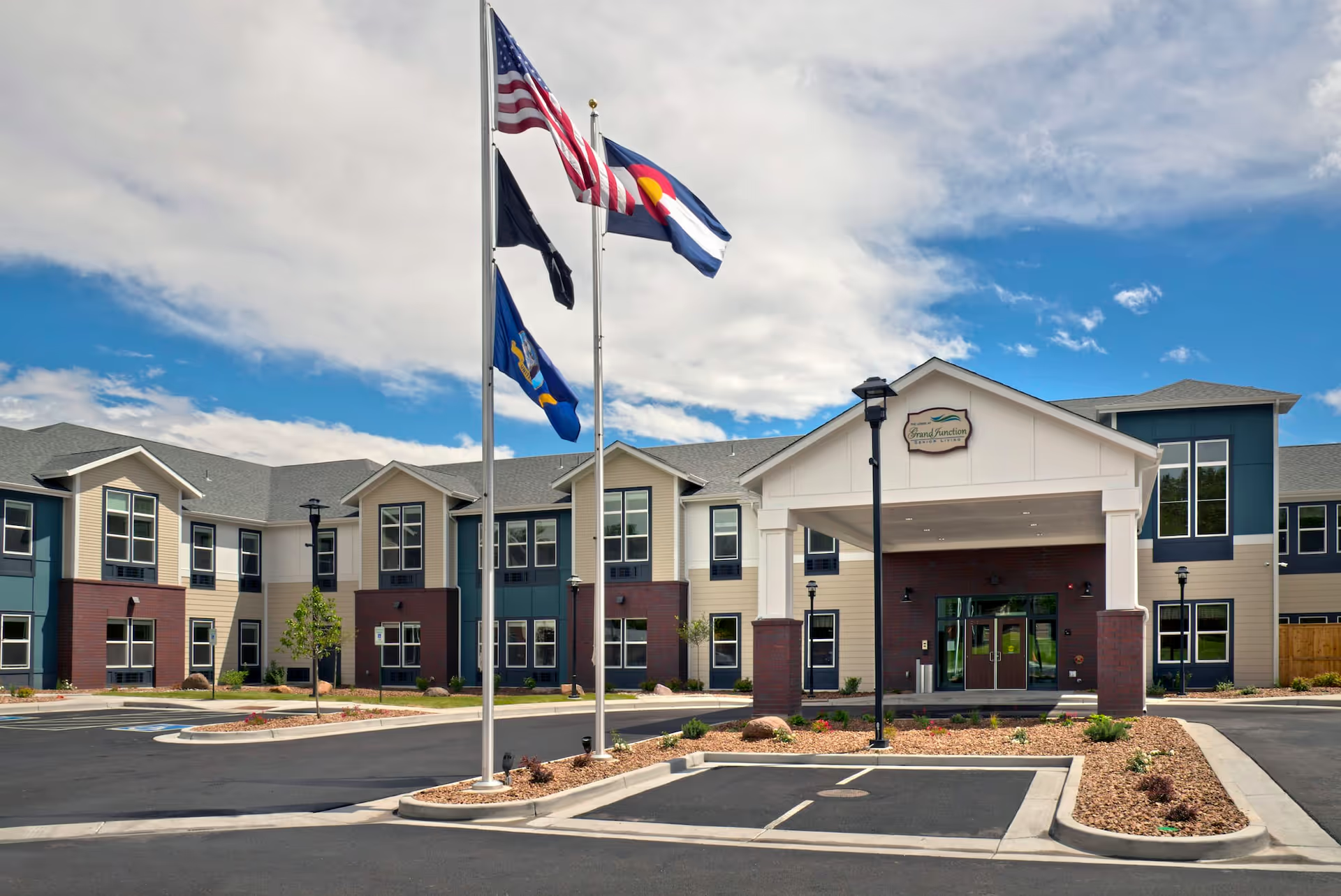
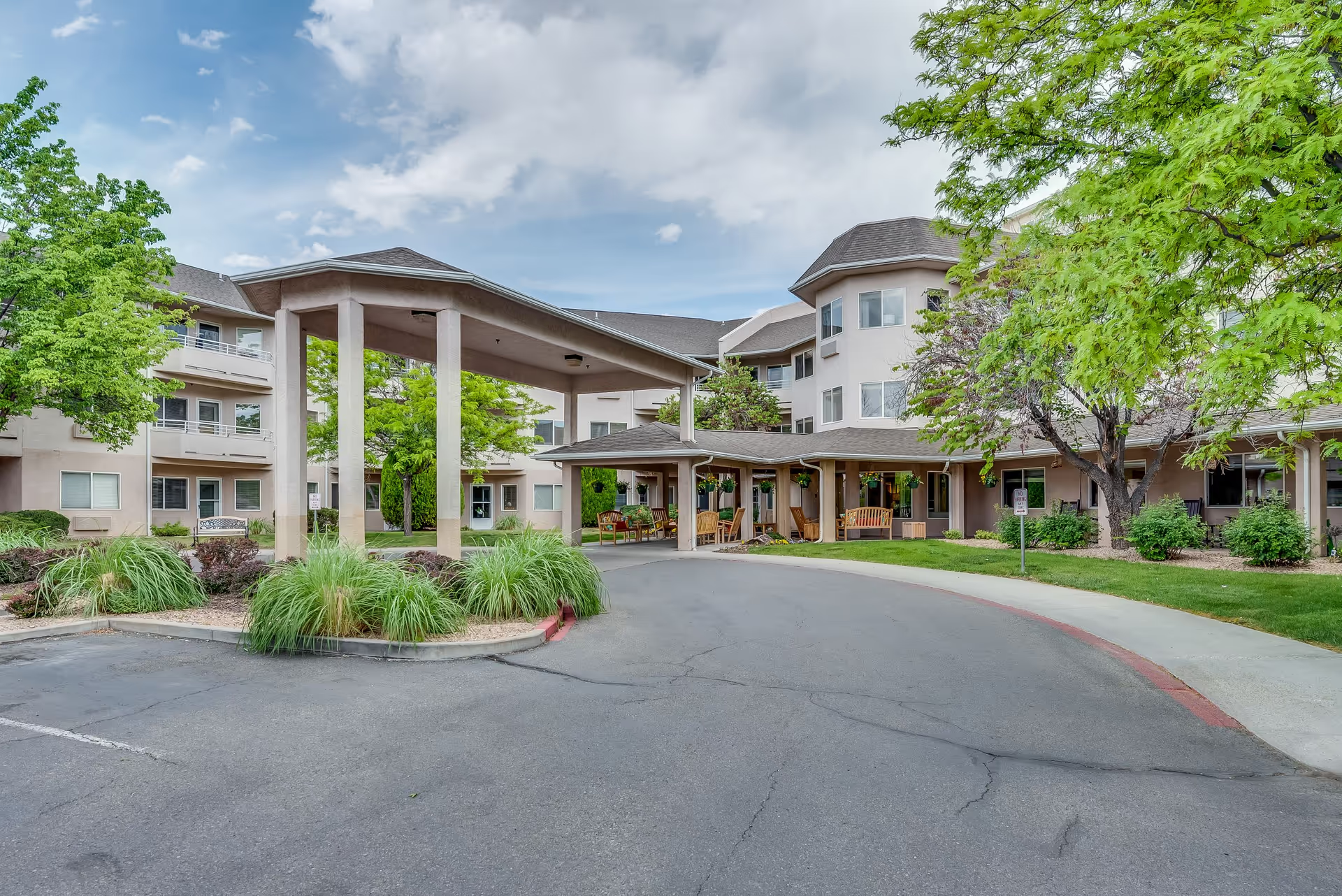
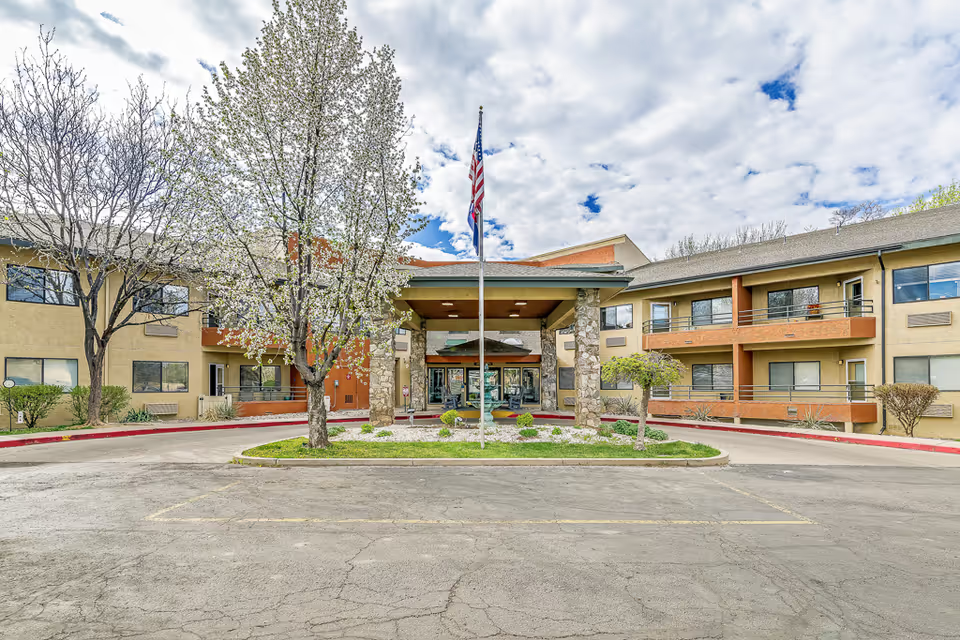
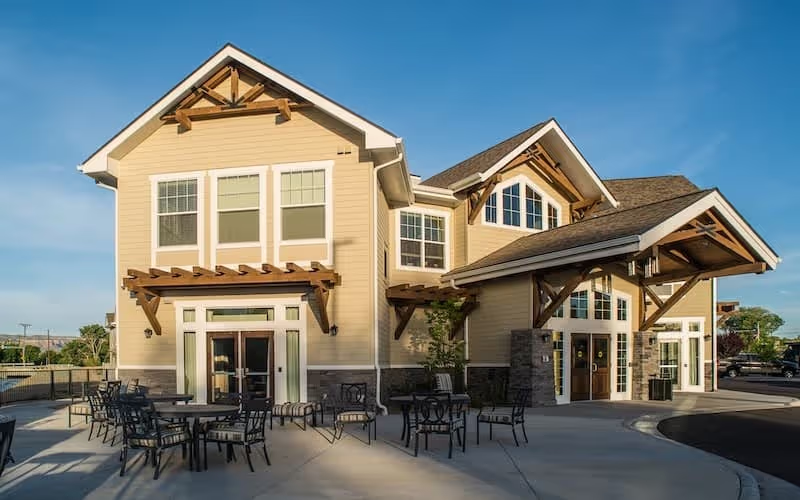
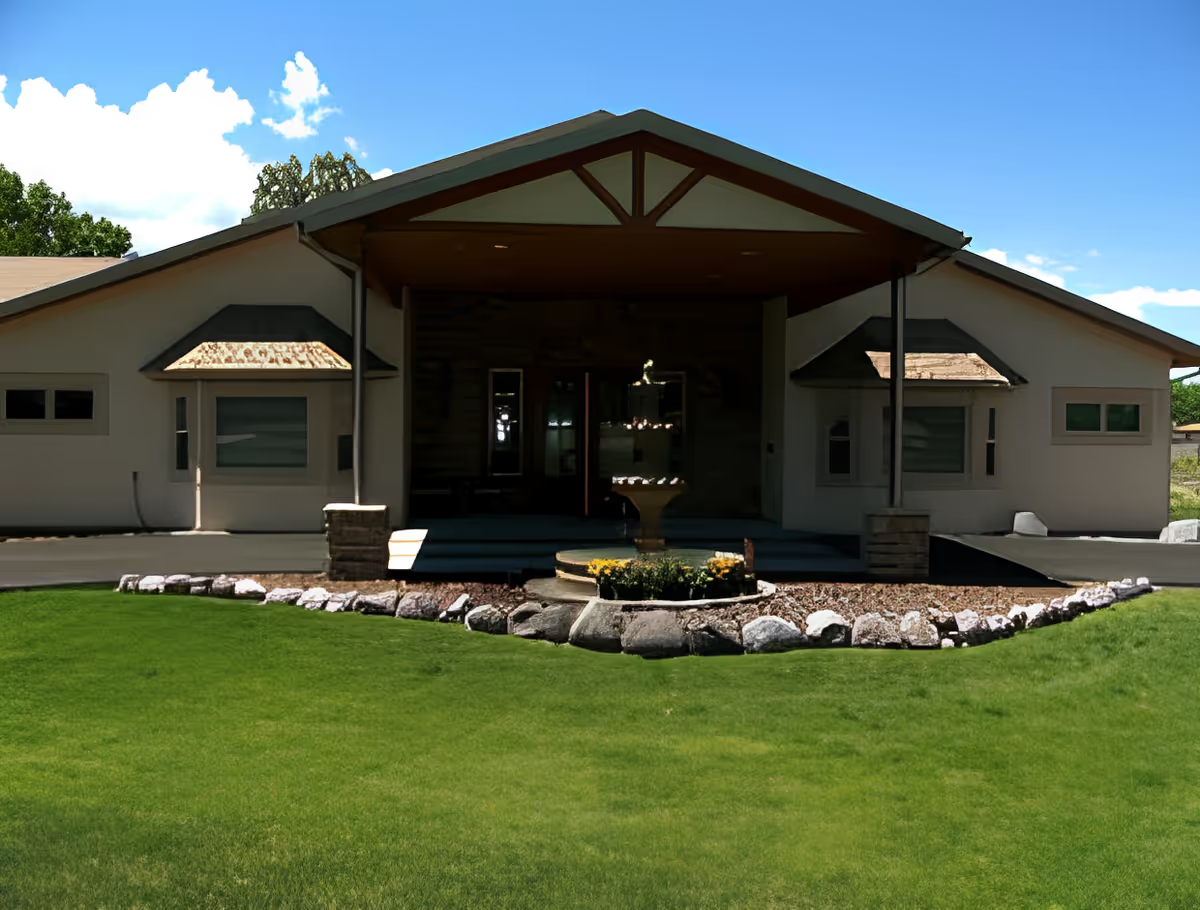
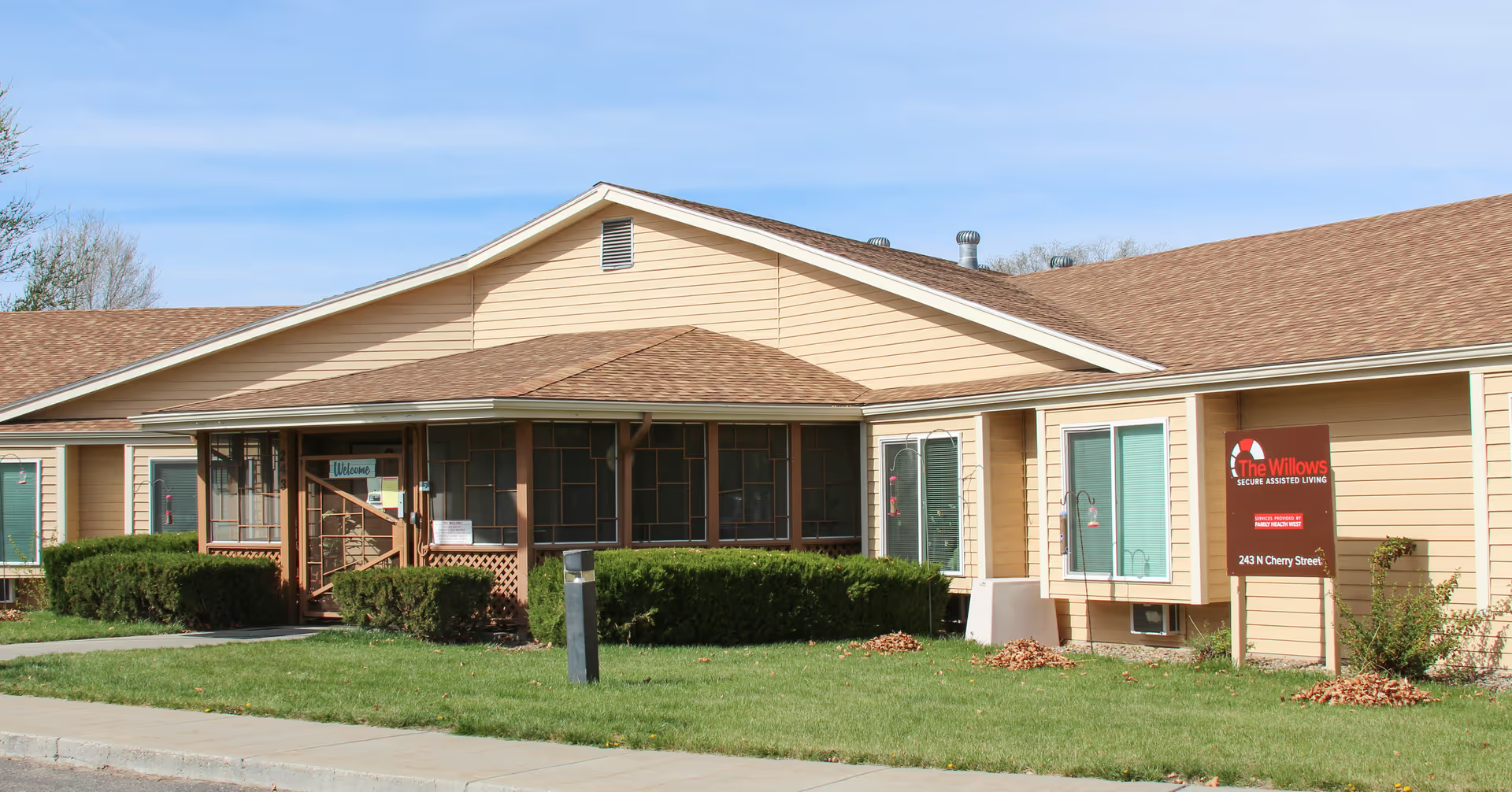
Facilities and cleanliness: The building is frequently described as clean, bright, and recently updated, with pleasant common areas and well-maintained rooms. That said, a number of comments point to fluctuating room cleanliness and occasional odor concerns in specific areas, indicating inconsistent sanitation practices in parts of the facility.
Management and communication: Administrative impressions are mixed. Some families singled out helpful, responsive leadership and specific administrators by name for positive engagement. Others described frustrations with complaint handling, perceived defensive responses, or poor communication when concerns arose. Visitor logistics such as the sign-in station are also described as not user-friendly, which can affect first impressions and ease of access for families.
Notable patterns and recommendations: The strongest and most consistent positives are the bedside caregiving, therapy outcomes, and a warm, family-like culture among staff. The principal operational weaknesses center on variability—specifically in staff professionalism, supervision, medication communication, and consistency of basic personal-care tasks and sanitation in certain areas. For prospective families, consider observing direct care interactions, asking about medication-communication protocols, staffing patterns on different shifts, and how the facility documents and responds to family concerns. For facility leadership, targeted improvements in nursing oversight, standardized communication around medications, and strengthened housekeeping/sanitation consistency would likely address the primary areas of concern raised in these reviews.