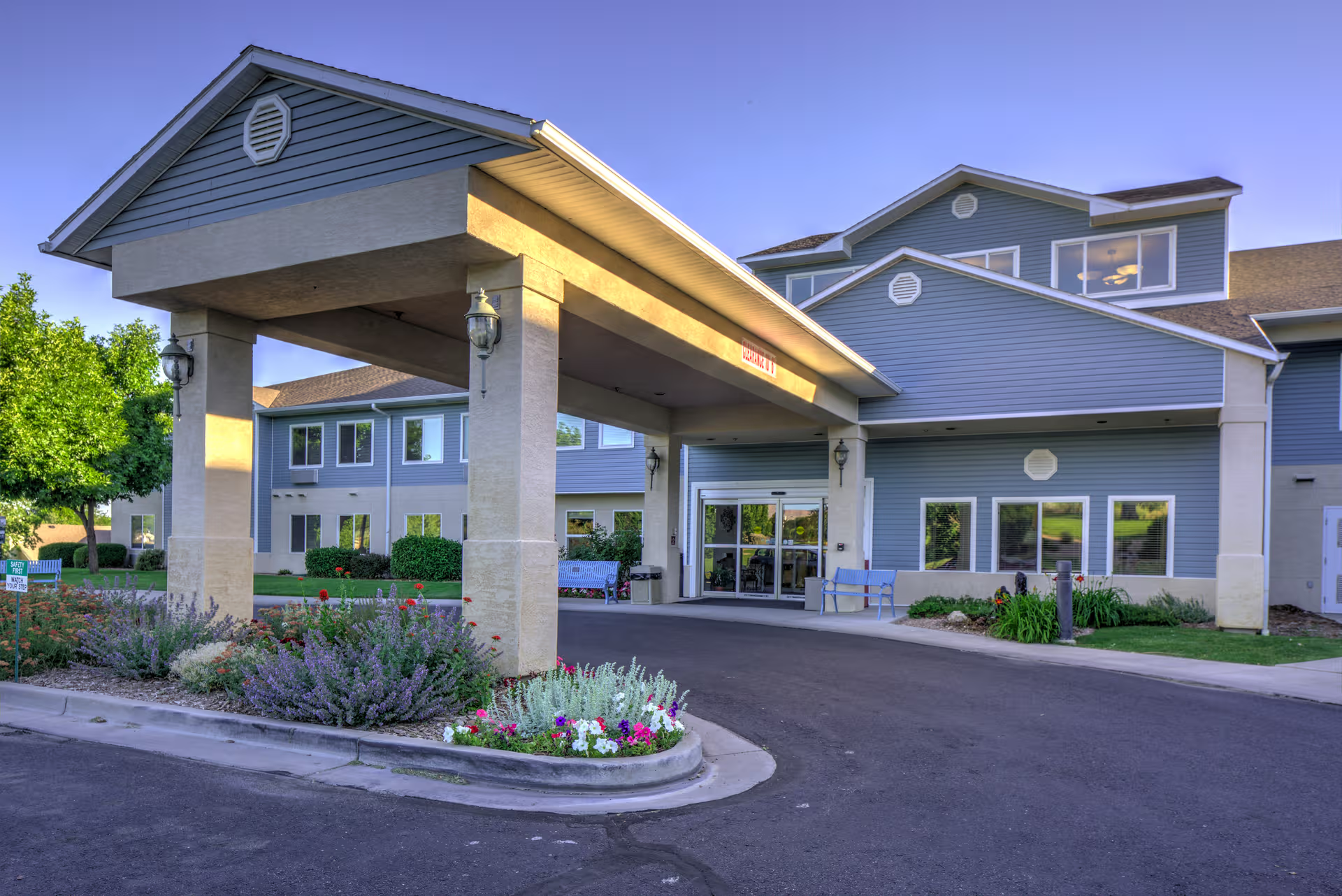
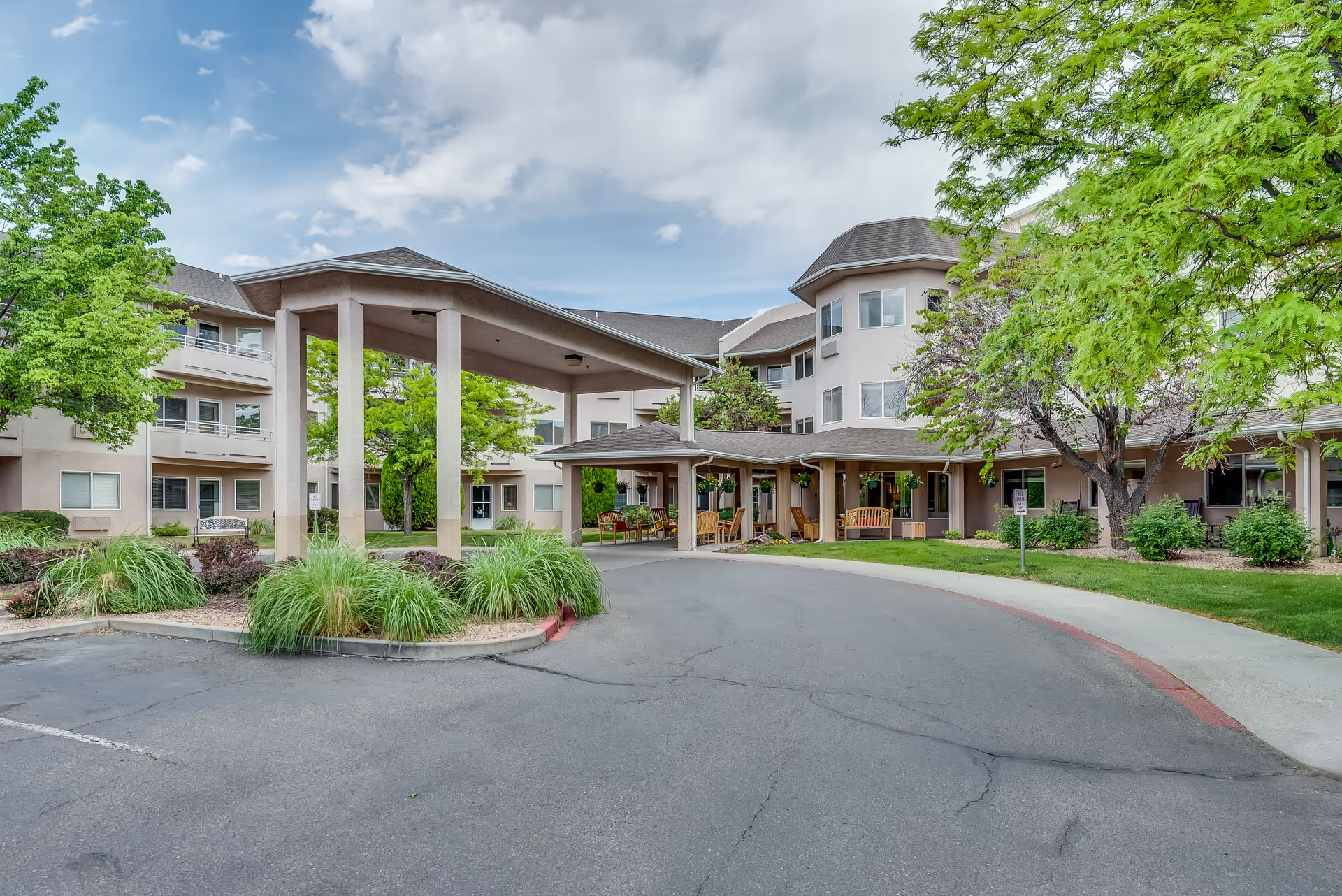
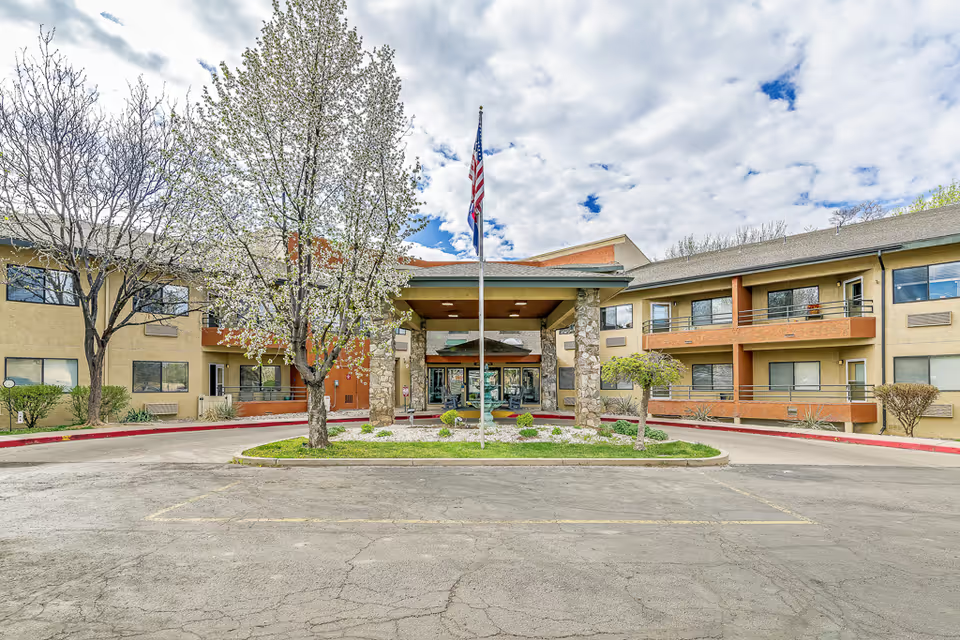
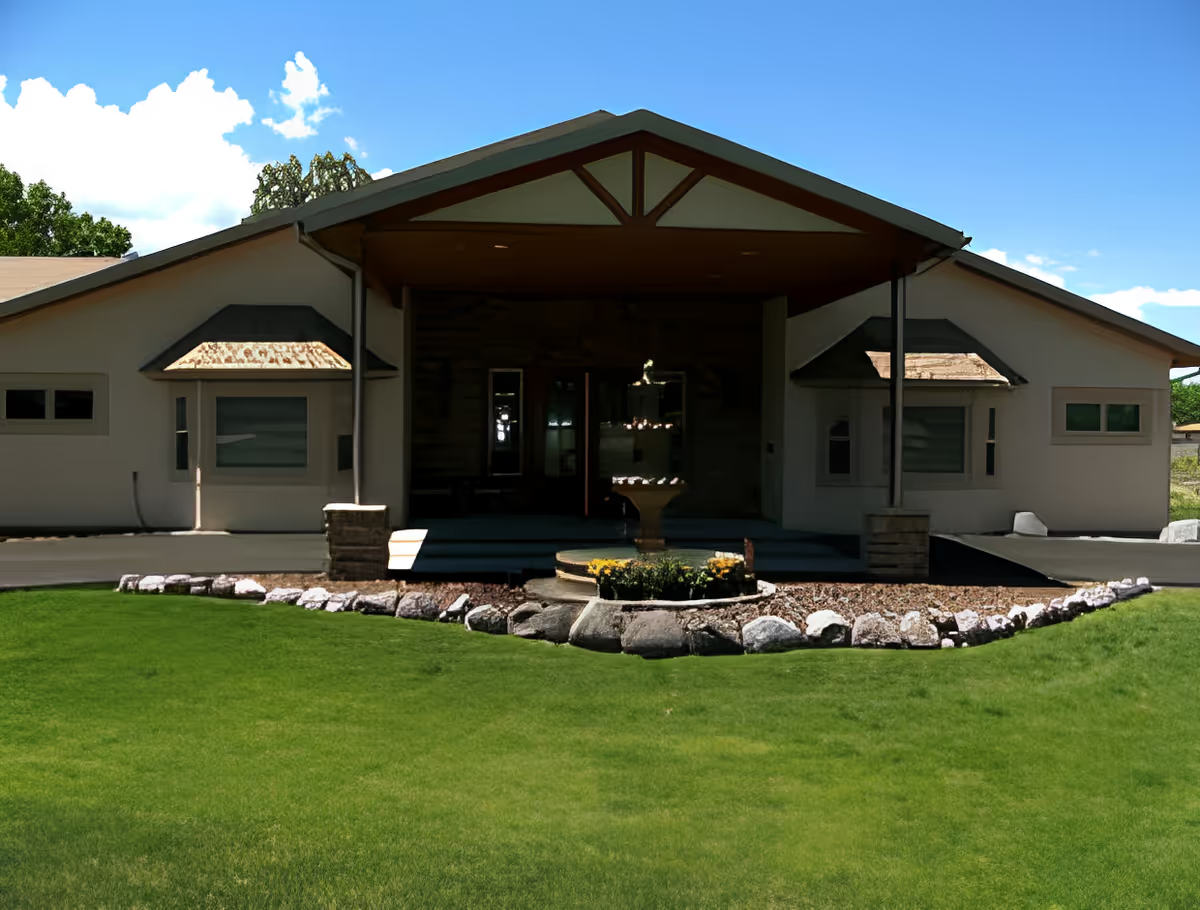
The reviews present a mixed picture of the Retreat at Harbor Cove. Several families described positive interpersonal experiences: caregivers who treated residents with respect, provided help with activities of daily living (ADLs), and established comfortable rapport. A number of comments also acknowledged management staff who are committed and hardworking, and noted flexibility in scheduling.
At the level of care quality, the strongest consistent theme is variability. Positive accounts emphasize attentive assistance with ADLs and respectful interactions. Contrasting accounts describe medication-administration errors, delays in attending to residents' needs, and behaviors by some aides that affect responsiveness during shifts. These descriptions point to gaps in staff training, supervision, and medication-management processes rather than a uniform standard of care.
Staff performance appears inconsistent. While some staff are described as knowledgeable and caring, other reports describe inattentive or rude conduct and inconsistent adherence to infection-control practices including PPE use. There are also indications of staffing instability and uneven supervision, which can exacerbate lapses in routine care and communication.
Dining and nutrition were another repeated concern. Reviewers cited undercooked or strongly seasoned meals, limited accommodation for specific dietary requirements, and general dissatisfaction with food quality. Supply shortages and meal-service continuity issues were also raised, suggesting weaknesses in kitchen operations and dietary-program management.
Facilities and daily living conditions drew significant criticism. Common themes include very small resident rooms, a shared-bathroom model that some described as boarding-house–like, maintenance deficits, supply shortages, and sanitation or odor concerns in rooms and common areas. Several families also described a lack of regular housekeeping support and limited on-site amenities or entertainment programming.
Management and communication responses are described unevenly. Some reviewers praised management for accountability and hard work; others reported unresolved complaints, billing or policy disputes, and dissatisfaction with owner responsiveness. There are also questions about incident reporting and regulatory compliance, including concerns following a resident's death and other incidents that families felt were not adequately addressed.
Notable patterns are the stark contrast between positive interpersonal experiences and repeated operational concerns. The facility appears to deliver individualized, compassionate care in some cases, but systemic weaknesses—particularly around sanitation, staffing consistency, training, dining services, maintenance, and complaint resolution—are recurring. Prospective residents and families should consider an in-person visit, review recent inspection and licensing records, ask for written policies on infection control, staffing ratios, medication management, and dietary accommodations, and confirm how the facility documents and follows up on incidents and family complaints before making a placement decision.