Garden Square of Greeley Memory Care elicits a broadly mixed but patternable set of impressions. Many families and visitors describe a homey, comfortable environment with compassionate, memory-care–trained staff who provide individualized attention. The community offers a range of engaging activities (exercise classes, animal therapy, arts and crafts, volunteer singing, social tournaments) and several reports praise the social interaction and one-on-one time residents receive. Dining is frequently described as home-style and satisfying, with an organized dining room and accommodating staff. On-site services such as a salon, laundry, housekeeping, and hospice support contribute to a convenient, residential model of care.
Care quality perceptions are polarized. Positive accounts emphasize personalized care, attentiveness, and clear efforts to know residents’ preferences and routines. These families note improved alertness, stabilized mood, and active engagement after placement. Conversely, a subset of families raised significant clinical concerns that point to systemic issues rather than isolated anecdotes: inconsistent medication-management practices (including questions about consent documentation and dosing), gaps in medical-records transfer and emergency coordination, and episodes of limited supervision. These concerns have prompted some families to move residents out and to seek more reliable clinical handoffs elsewhere.
Staff performance is a pronounced strength for many reviewers: staff are described as warm, helpful, knowledgeable, and willing to spend time with residents. Admissions and touring staff are repeatedly commended for being informative and welcoming. However, multiple comments also indicate variability in staff responsiveness, occasional staffing shortages or turnover, and uneven supervision during certain shifts. This variability appears to be a key driver of divergent experiences—when staffing and leadership engagement are consistent, families report very positive outcomes; when they lapse, families report operational and safety concerns.
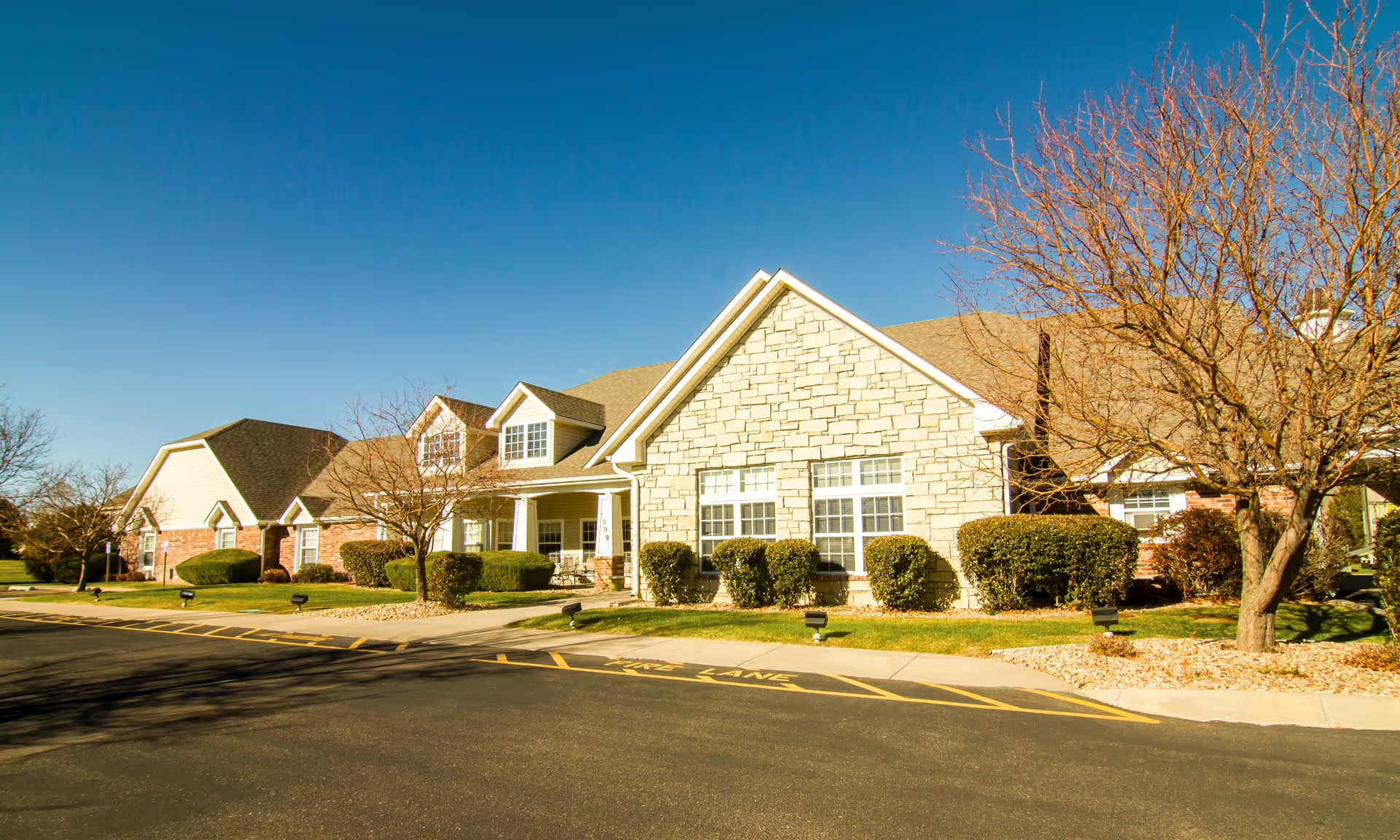
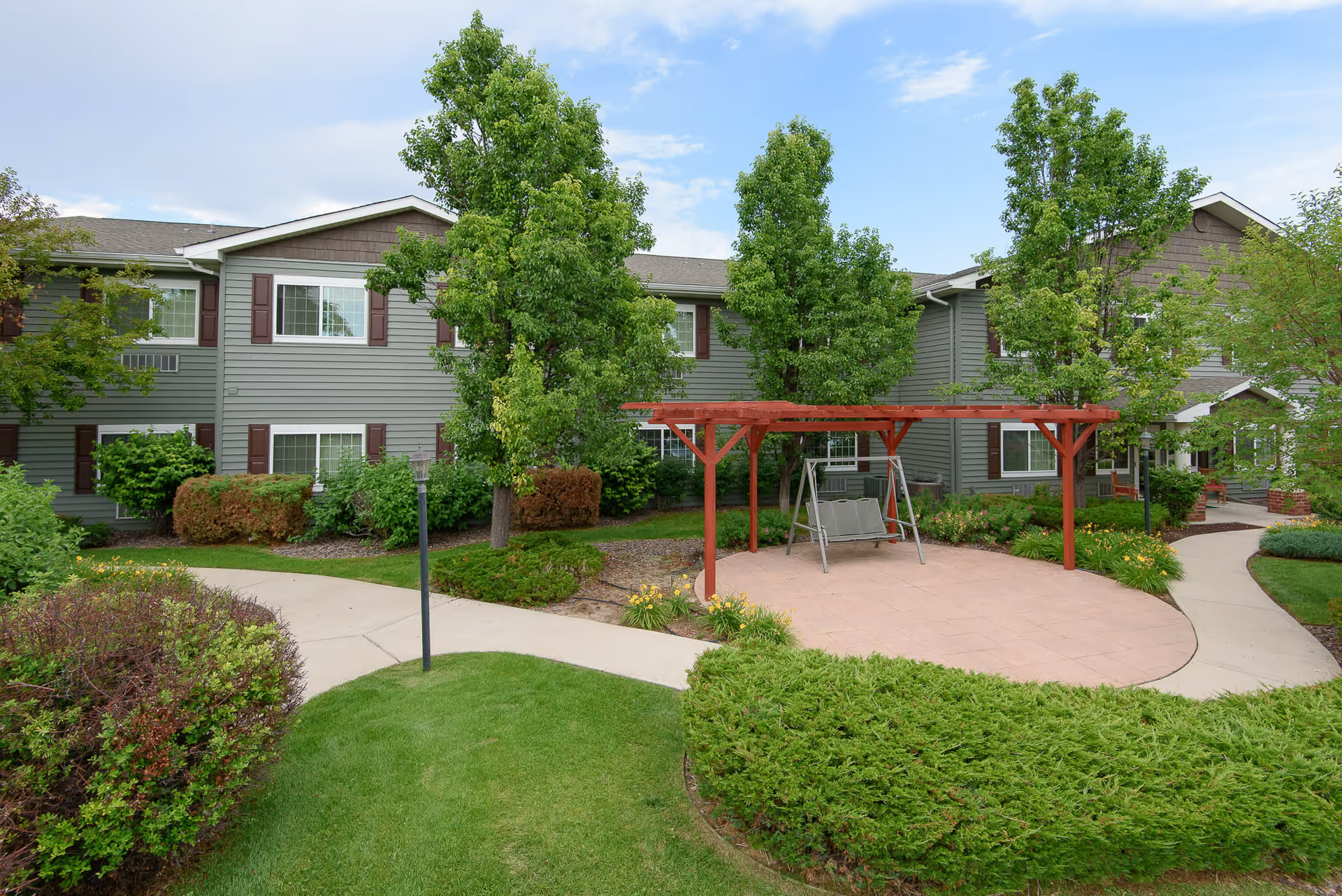
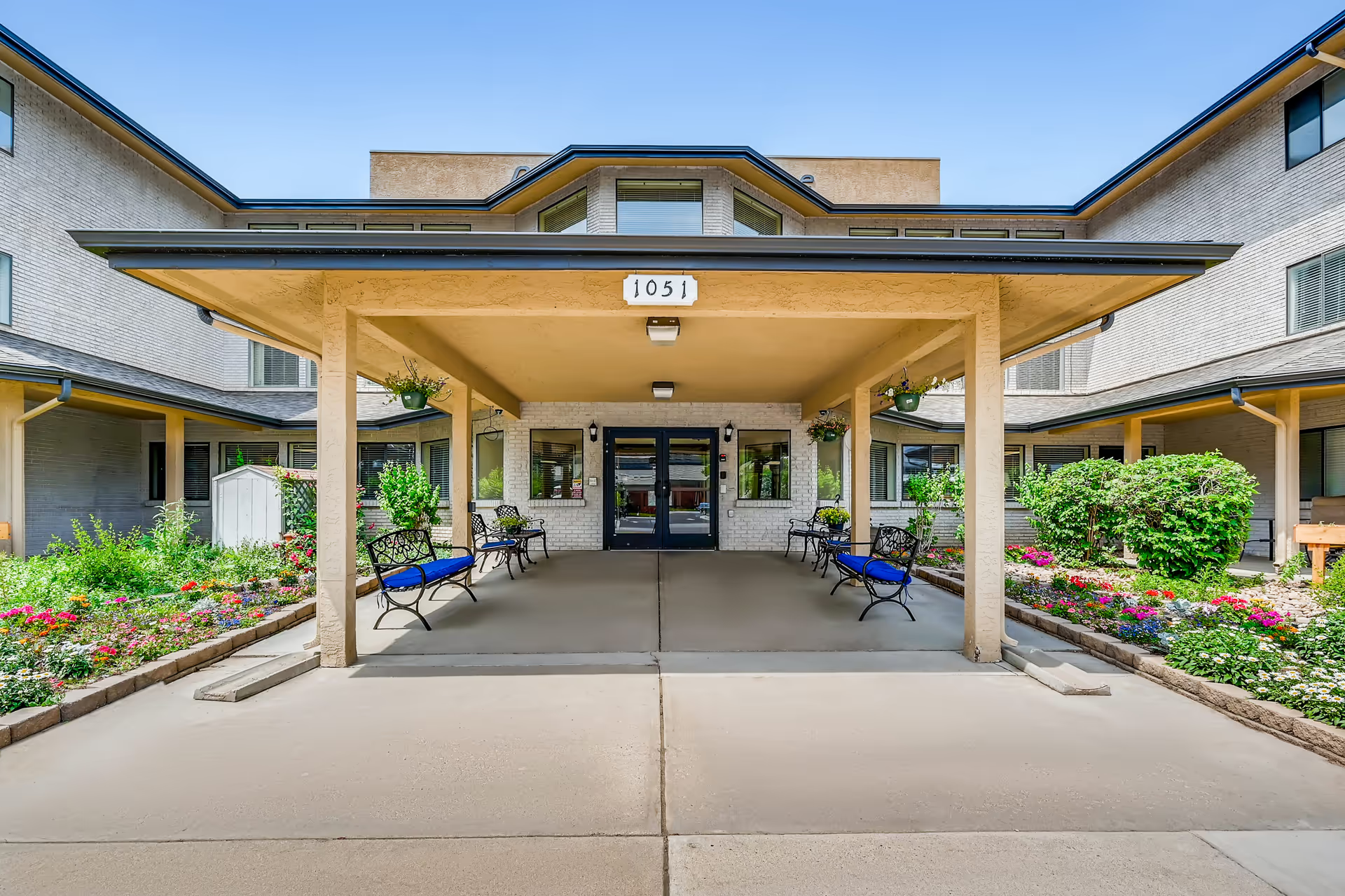
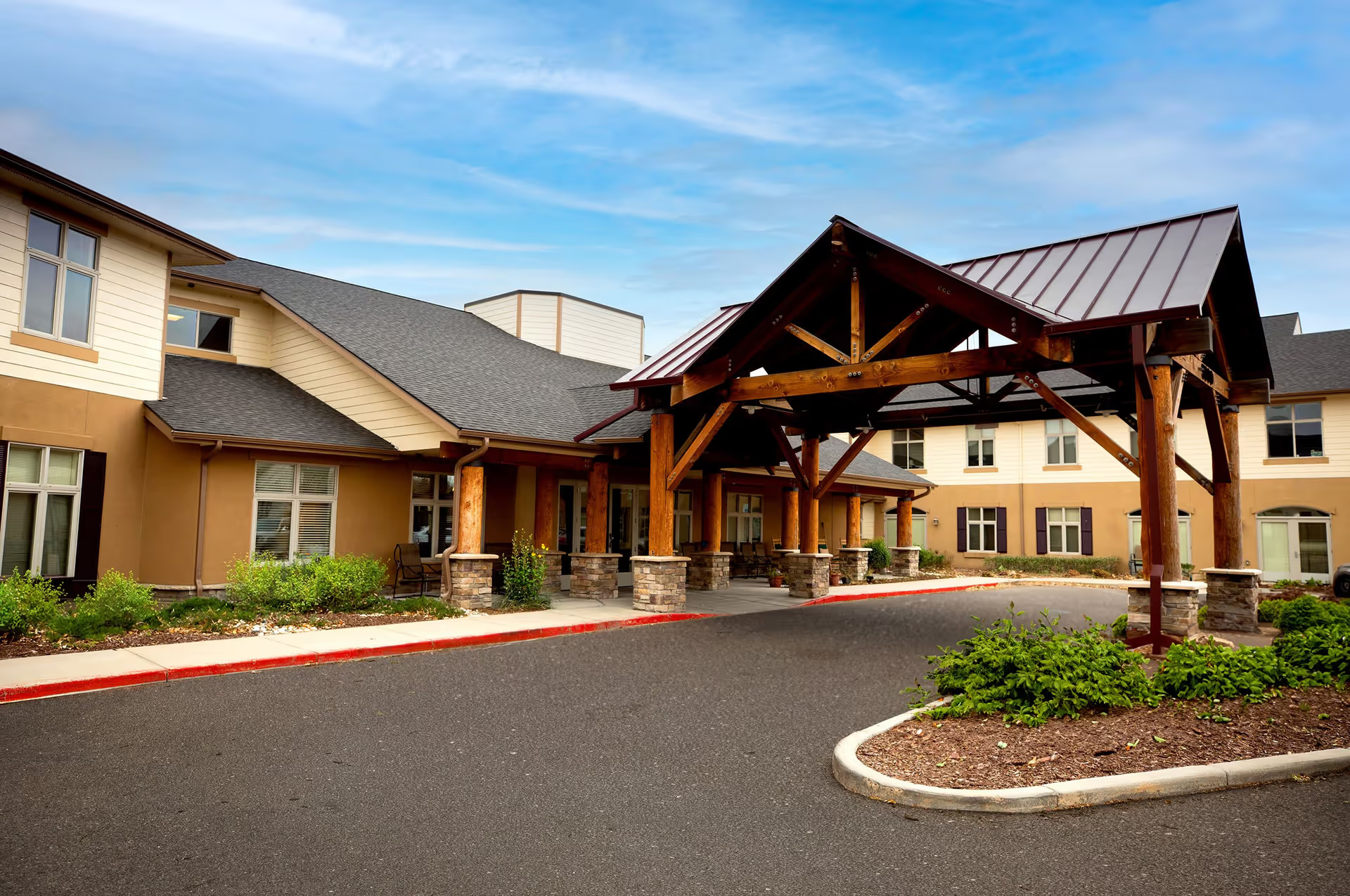
Facilities and housekeeping receive generally favorable remarks about cleanliness and a well-kept atmosphere, secure courtyards, and comfortable communal spaces. At the same time, there are mentions of localized sanitation and maintenance issues: some rooms were described as messy or in need of deeper cleaning, carpeting and furniture showing wear in areas, and some units having been converted into smaller, less accessible rooms with compact bathrooms. Prospective residents with mobility or accessibility needs should review room dimensions and bathroom fittings during a tour.
Management and communication present mixed signals. Positive experiences include proactive updates and managers who follow up with families. Negative impressions center on perceived administrative unresponsiveness, delays in resolving billing or refund matters, and inconsistent follow-through after clinical incidents (for example, incomplete medical documentation shared with emergency providers). These administrative gaps compound clinical anxieties when families are seeking timely information during transitions or emergencies.
Notable patterns: overall satisfaction appears correlated with consistent staffing, engaged leadership, and clear clinical documentation processes. Where those elements are present, families report dignified, attentive care and meaningful programming. Where those elements are inconsistent, families report safety monitoring, medication, and communication shortcomings. Prospective families should weigh the facility’s many strengths—staff warmth, activities, home-style dining, and a small-community model—against the operational variability described above. Recommended due diligence includes an in-person tour focusing on room size and accessibility, questions about medication-consent and record-transfer protocols, review of staffing patterns by shift, and clarification of billing and administrative response expectations.