Vi at Highlands Ranch is described predominantly as a high-end continuing-care retirement community with a strong social environment, attractive facilities, and a wide range of services. Residents and families frequently praise staff warmth, professionalism, and responsiveness, while resident-led committees and community programs give residents opportunities to participate in decision-making. Several long-term residents describe feeling at home and value the friendships and support they have developed.
Care experiences are often positive across independent living, assisted living, memory care, skilled nursing, and rehabilitation. Families and residents describe attentive nursing and therapy teams, helpful coordination, and reassurance from having care available on campus. However, experiences are not uniformly positive: a few comments raise concerns about nursing follow-up and responsiveness, and one resident describes limits on long-term care capacity. Families considering a move should ask how care placement is determined, how capacity is managed, and how families are involved in transitions and care planning.
Dining is a prominent strength in many accounts, with multiple venues, varied menus, takeout, and restaurant-style service. Some residents describe excellent food and broad choice, while a few express dissatisfaction with meals, particularly in care settings or during periods of disruption. Activities are similarly extensive, spanning exercise, swimming, clubs, lectures, cultural events, outings, and resident-led programs. Pandemic-era restrictions affected access to gatherings and visitors; accounts differ on how well activities and family contact were maintained during those periods.
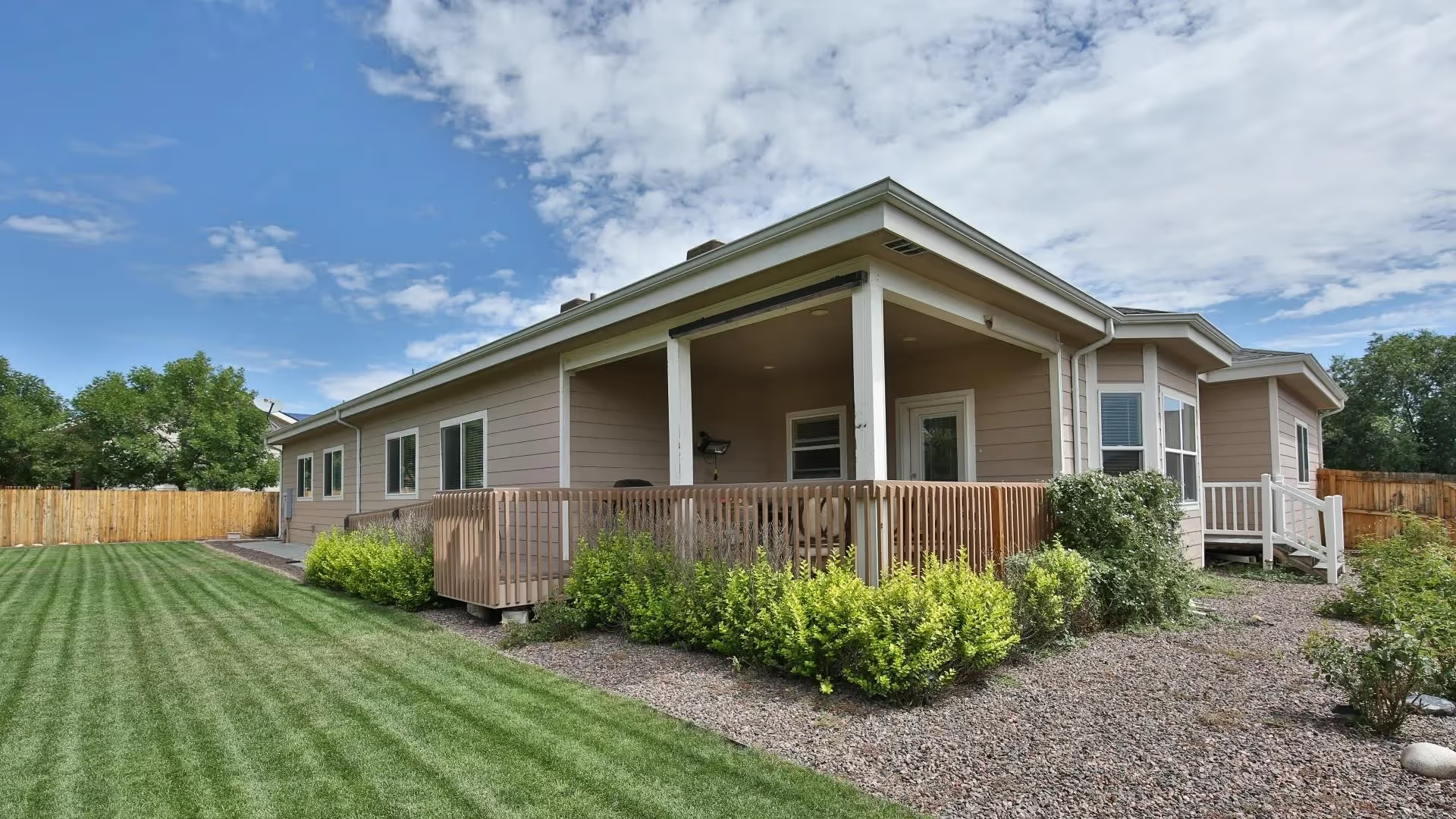
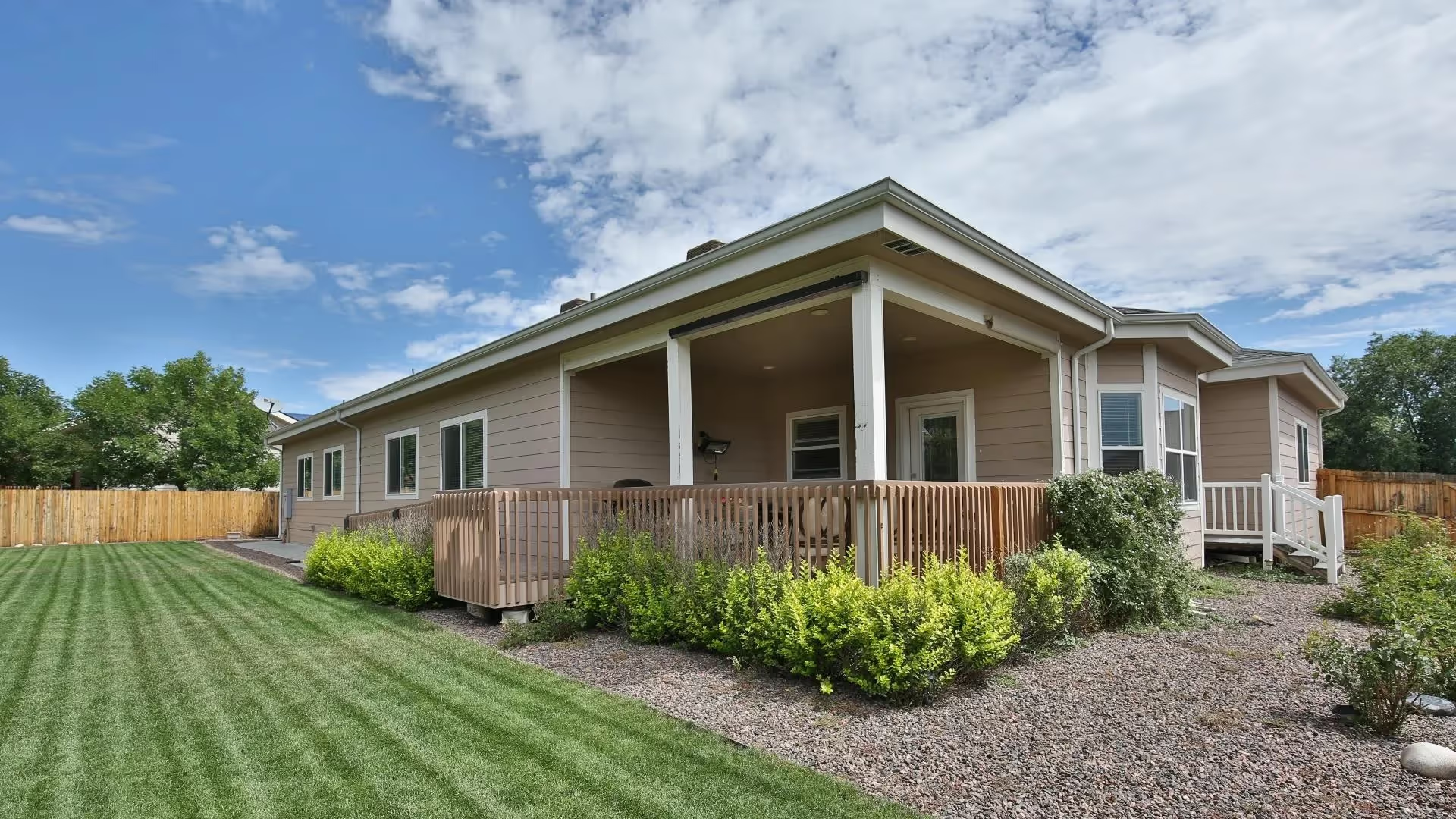
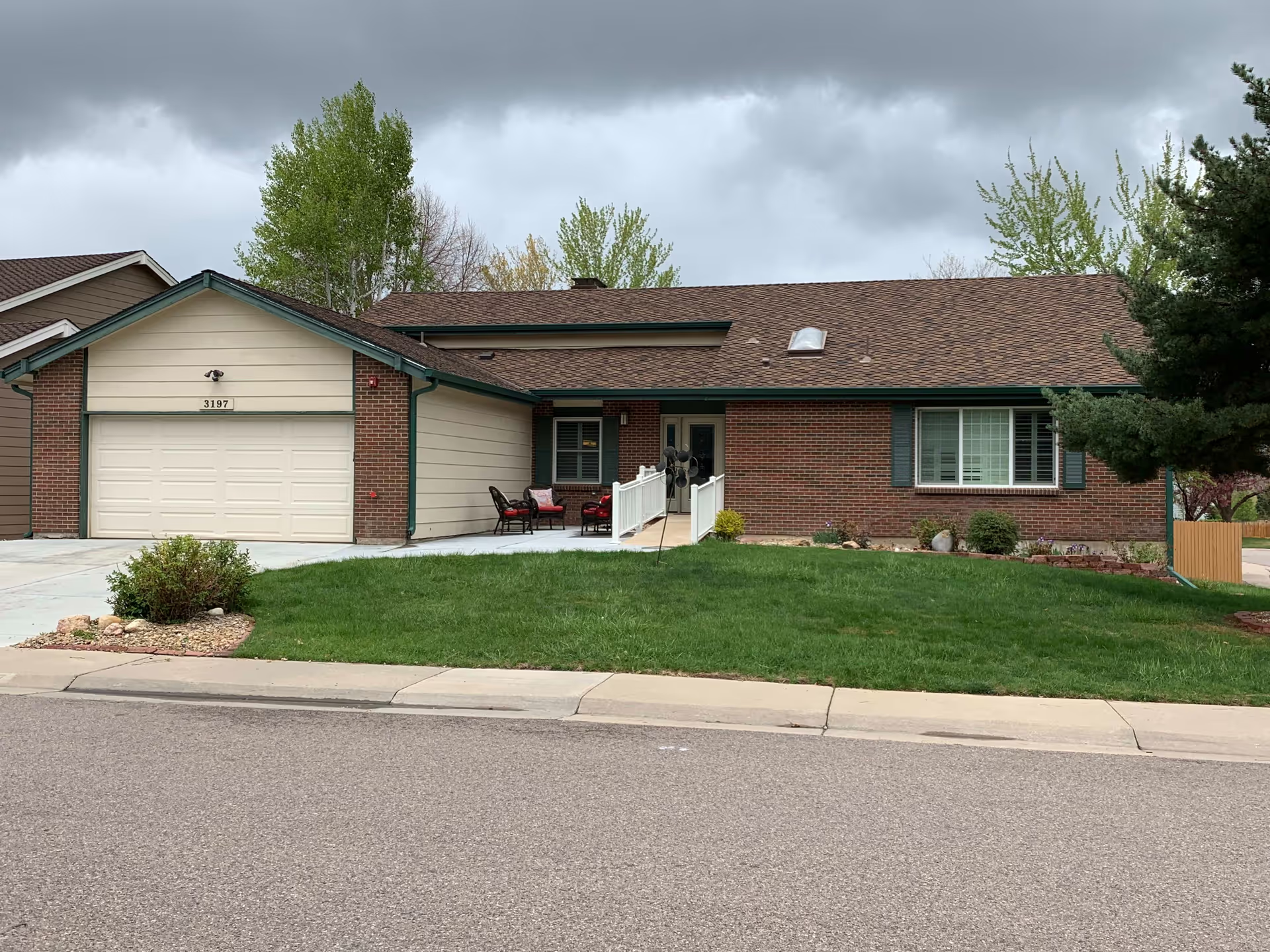
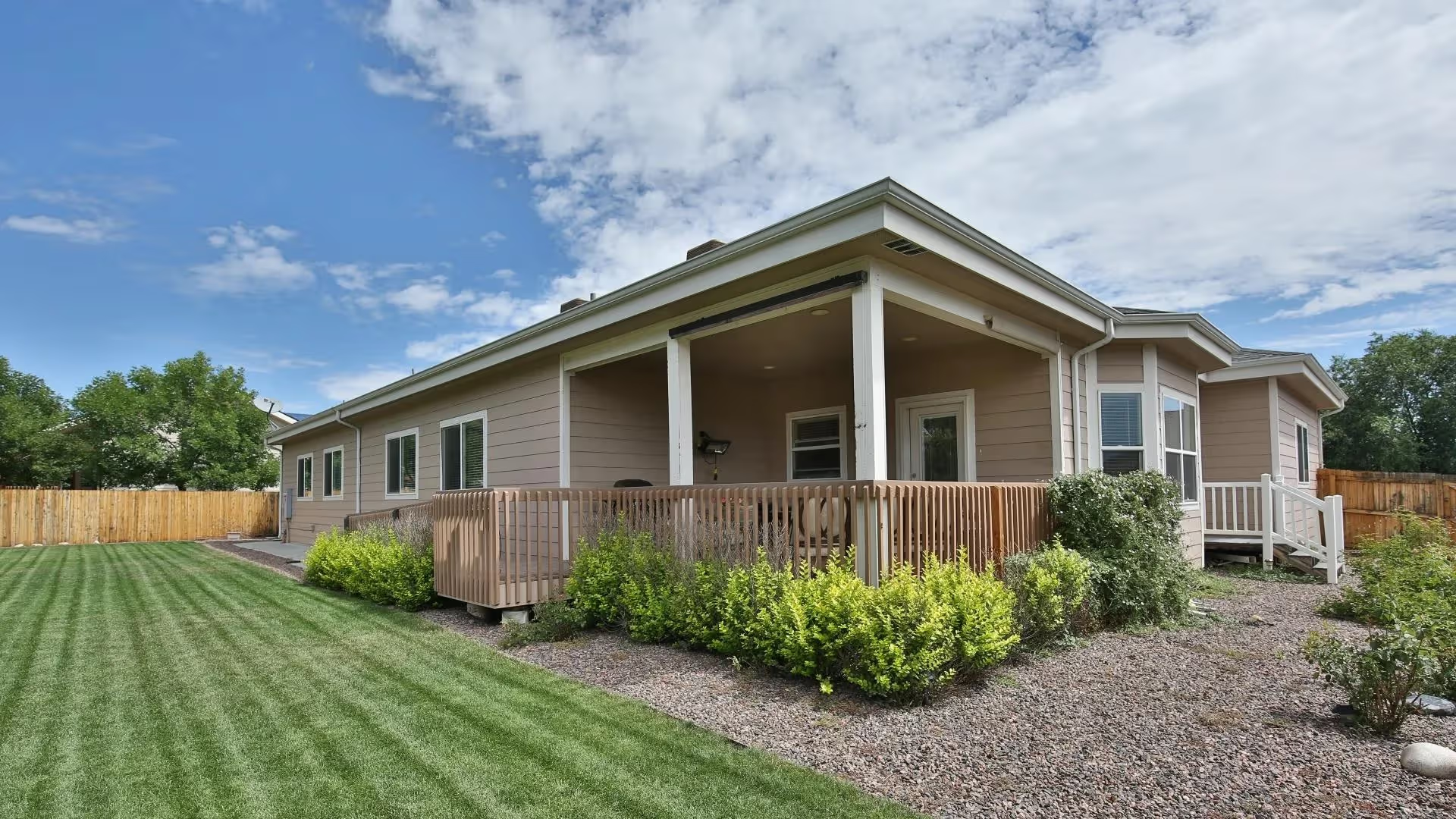
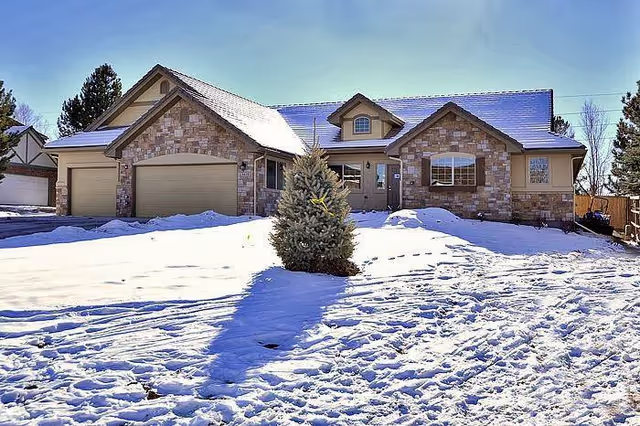
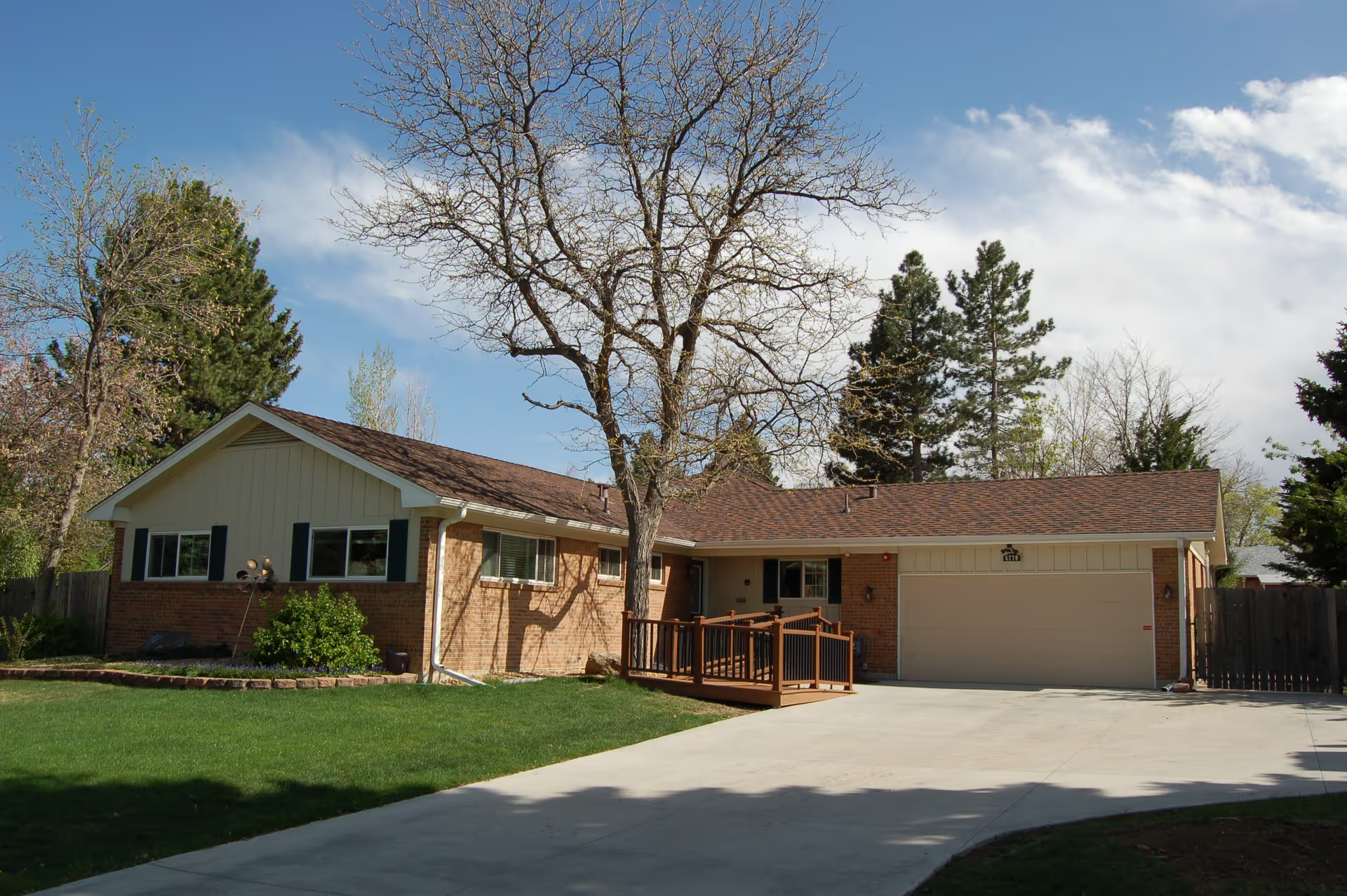
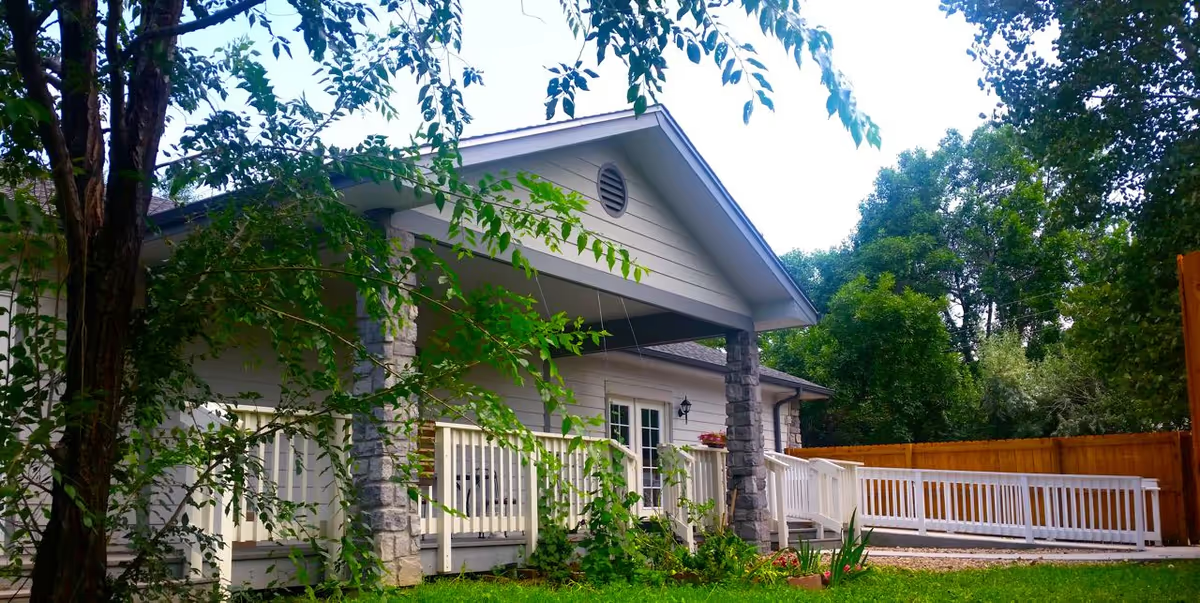
The campus is commonly characterized as well maintained, with renovated apartments, cottages, mountain views, landscaped outdoor areas, and amenities such as valet parking, a pool, fitness facilities, and a library. Housekeeping and maintenance receive frequent praise. A few residents note that shared gathering spaces feel small, and one describes a community demographic that no longer feels like a good personal fit.
Cost is a significant consideration. Although residents value the Type A model and its care-level pricing protections, reviewers also characterize the community as expensive; one raises concerns about the financial burden and timing of move-out refunds. Reviews also include concerns about management responsiveness and family communication during care transitions. Prospective residents and families may wish to review contract terms, current care availability, visitation policies, and decision-making procedures in detail, alongside the generally favorable accounts of service, amenities, and community life.