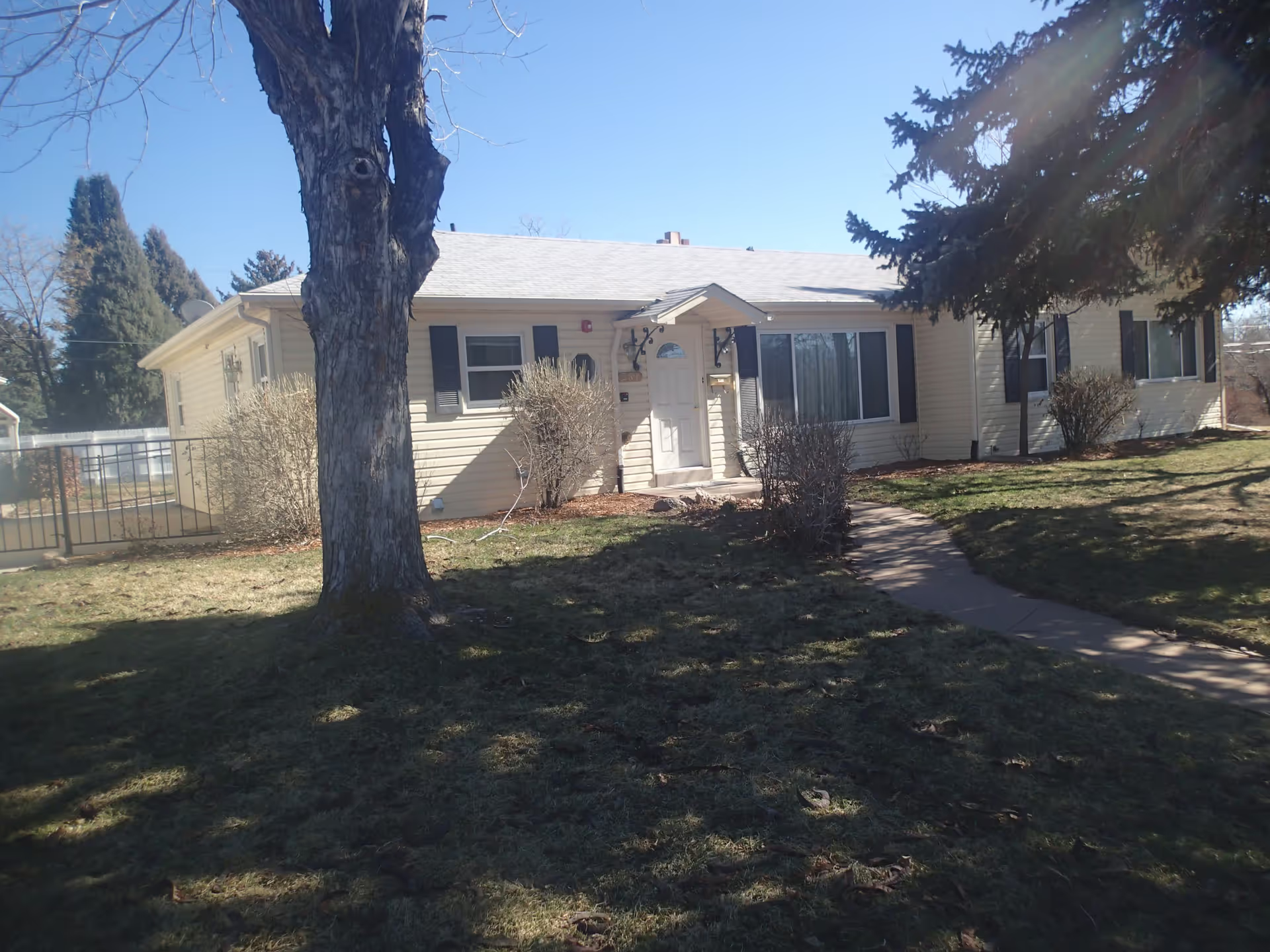
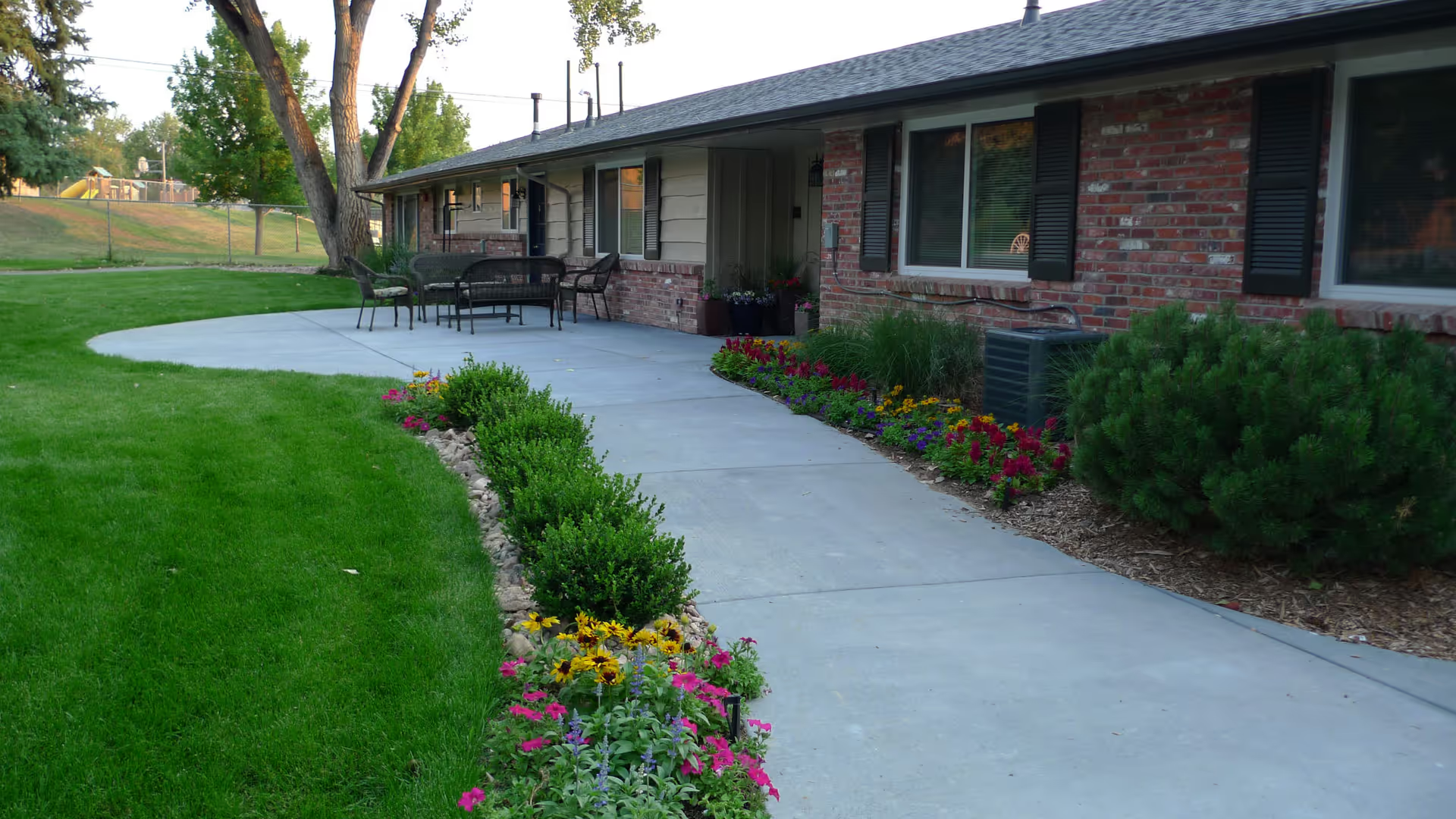
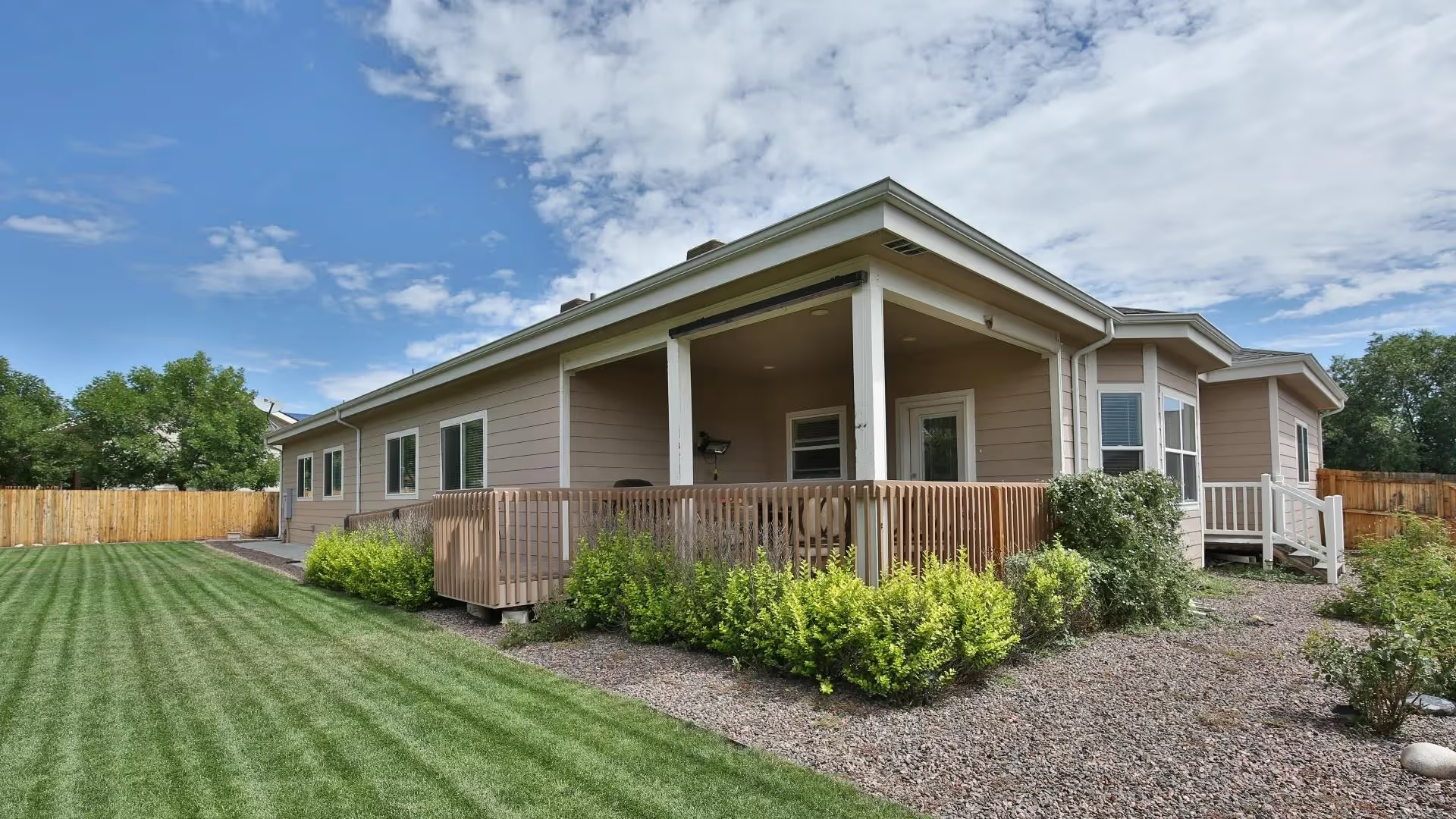
Assisted Living on Broadway is described primarily as a small, homelike group residence with a strong emphasis on personalized, family-style caregiving. Reviewers consistently note compassionate, attentive staff who provide hands-on assistance with daily needs such as bathing and medication management, and who create a welcoming atmosphere that many families found reassuring. The community’s small size and intimate layout are repeatedly cited as strengths for residents who benefit from a quieter, less institutional setting and predictable daily routines.
Dining and programming are commonly highlighted as positive features. Meals are characterized as homemade, nutritious, and varied, with posted menus and special holiday meals noted as examples of individualized attention. Activity offerings, card games, outdoor/garden time, and staff who engage residents during sundowning contribute to socialization and family peace of mind. Several reviews also emphasized strong coordination with hospice providers and clear communication from specific staff members, which supported end-of-life care planning and transitions.
Facility condition and room features receive mixed comments. Many families described clean common areas and good-sized private rooms, while other observations pointed to variable maintenance and areas that could benefit from updates. The small-group format supports walking and indoor activity patterns for some residents, but the facility’s physical capacity and layout may be better suited to residents with limited mobility or lower behavioral needs rather than those requiring frequent repositioning, complex transfers, or intensive behavioral management.
Operational and management patterns present the primary concerns. Reviewers noted instances of inconsistent managerial communication, disagreements over deposits and billing, and what some described as heavy-handed dispute handling; these reflect broader gaps in administrative processes and customer-service consistency. Staffing continuity emerged as another theme: while many families praised individual caregivers, there are also comments indicating turnover and occasions where staffing levels or skill mix did not match a given resident’s acuity. Clinically, there are indications that the setting is not consistently structured to absorb high-acuity admissions—families should assess the provider’s readiness for residents with active behavioral issues or complex medical needs.
For prospective families: this facility often delivers strong, person-centered care in a small, home-like environment with notable strengths in dining, hospice coordination, and warm staff–resident relationships. However, families should verify operational policies and clinical capabilities before placement. Recommended questions include: current staff-to-resident ratios and turnover rates, medication-management protocols (including behavioral medication use), admission criteria for residents with behavioral or high-acuity needs, documented procedures for acute events and hospital transfers, and clear, written billing and deposit-refund policies. An in-person tour focused on staffing patterns during different shifts and a written copy of financial and clinical policies will help determine whether this environment aligns with a particular resident’s care needs.