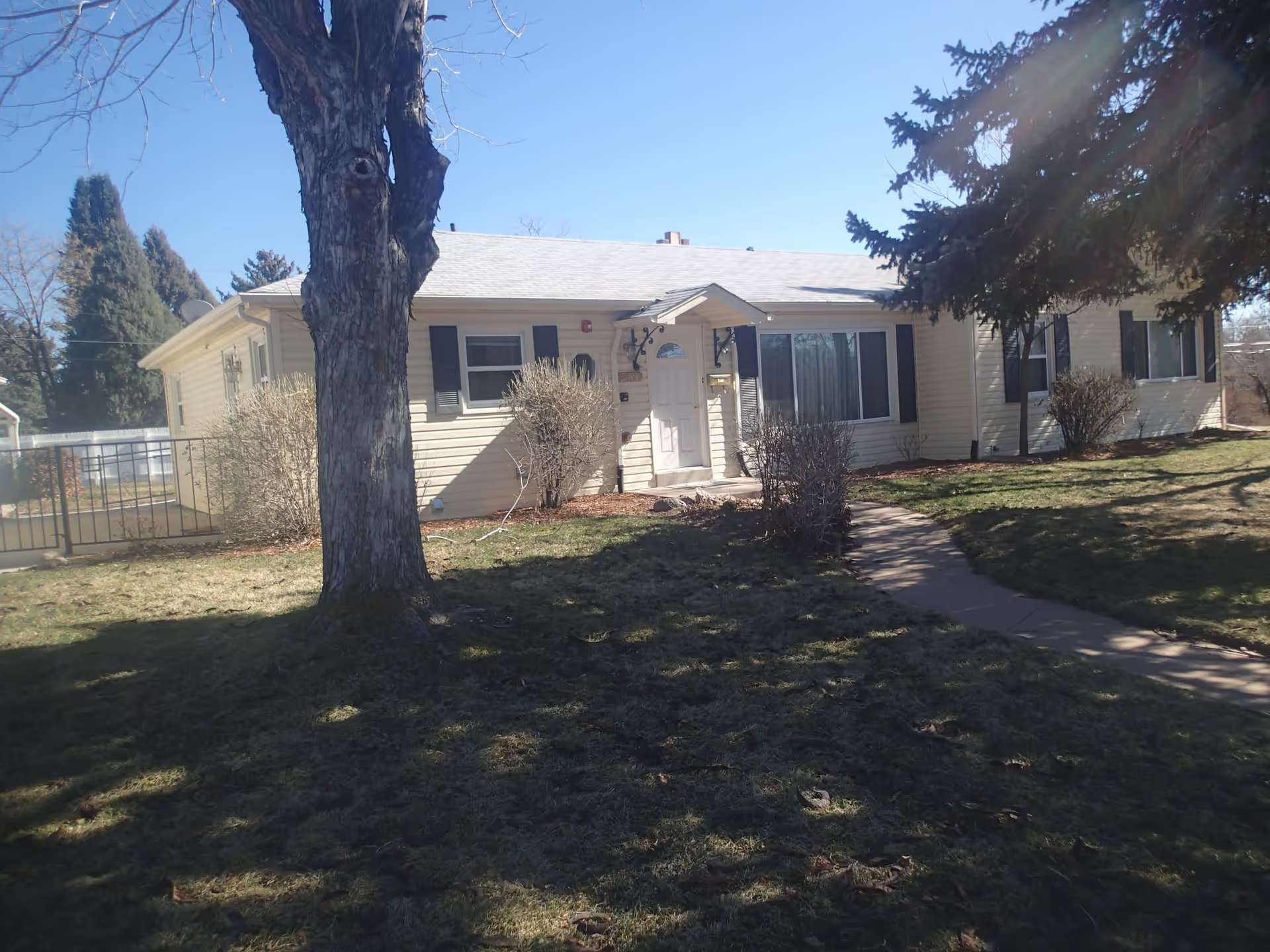
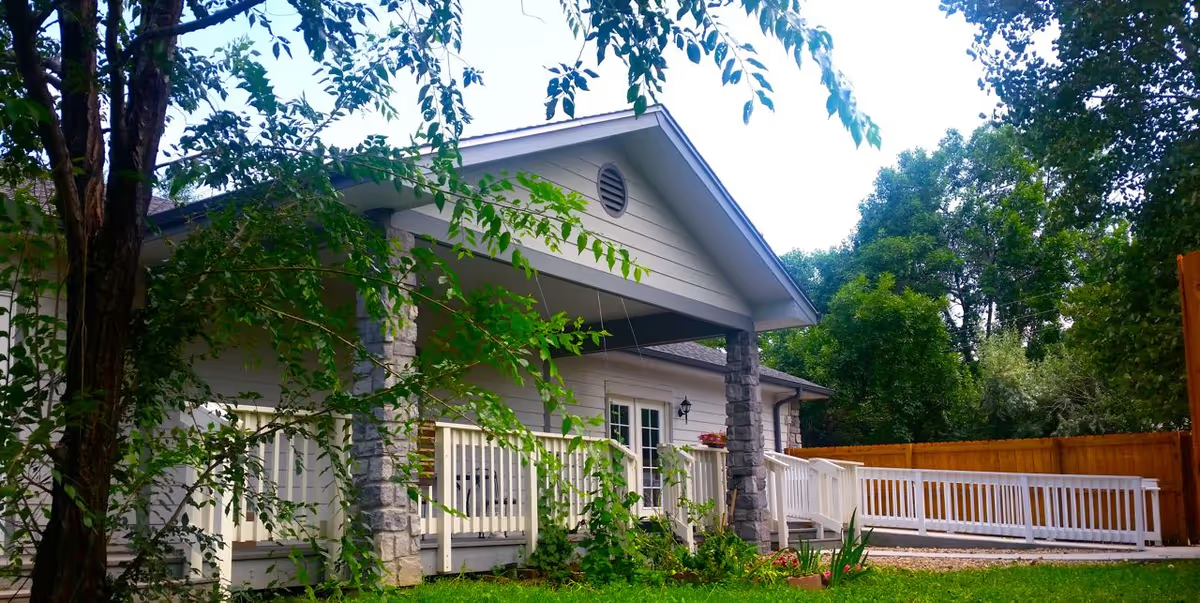
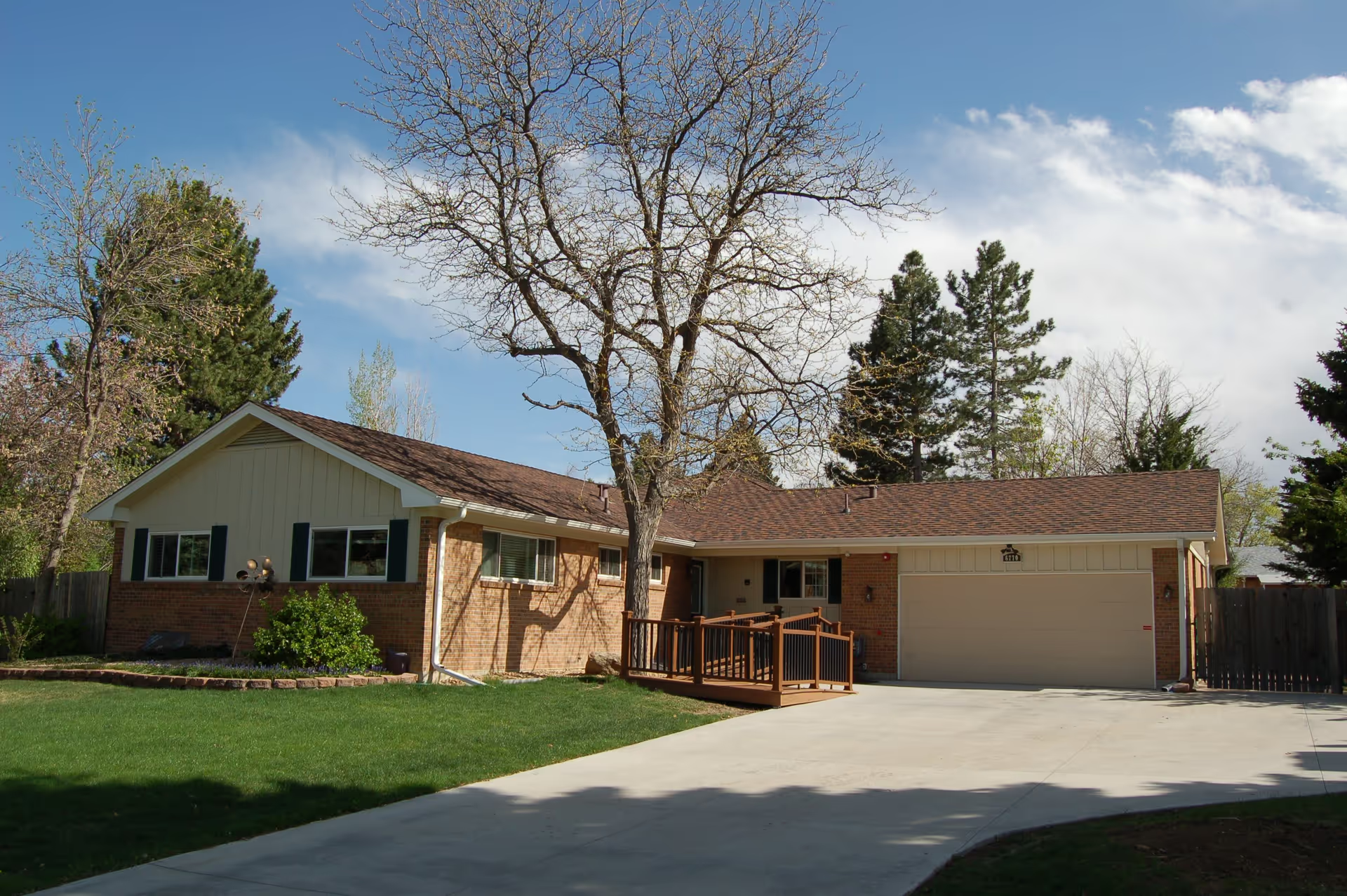
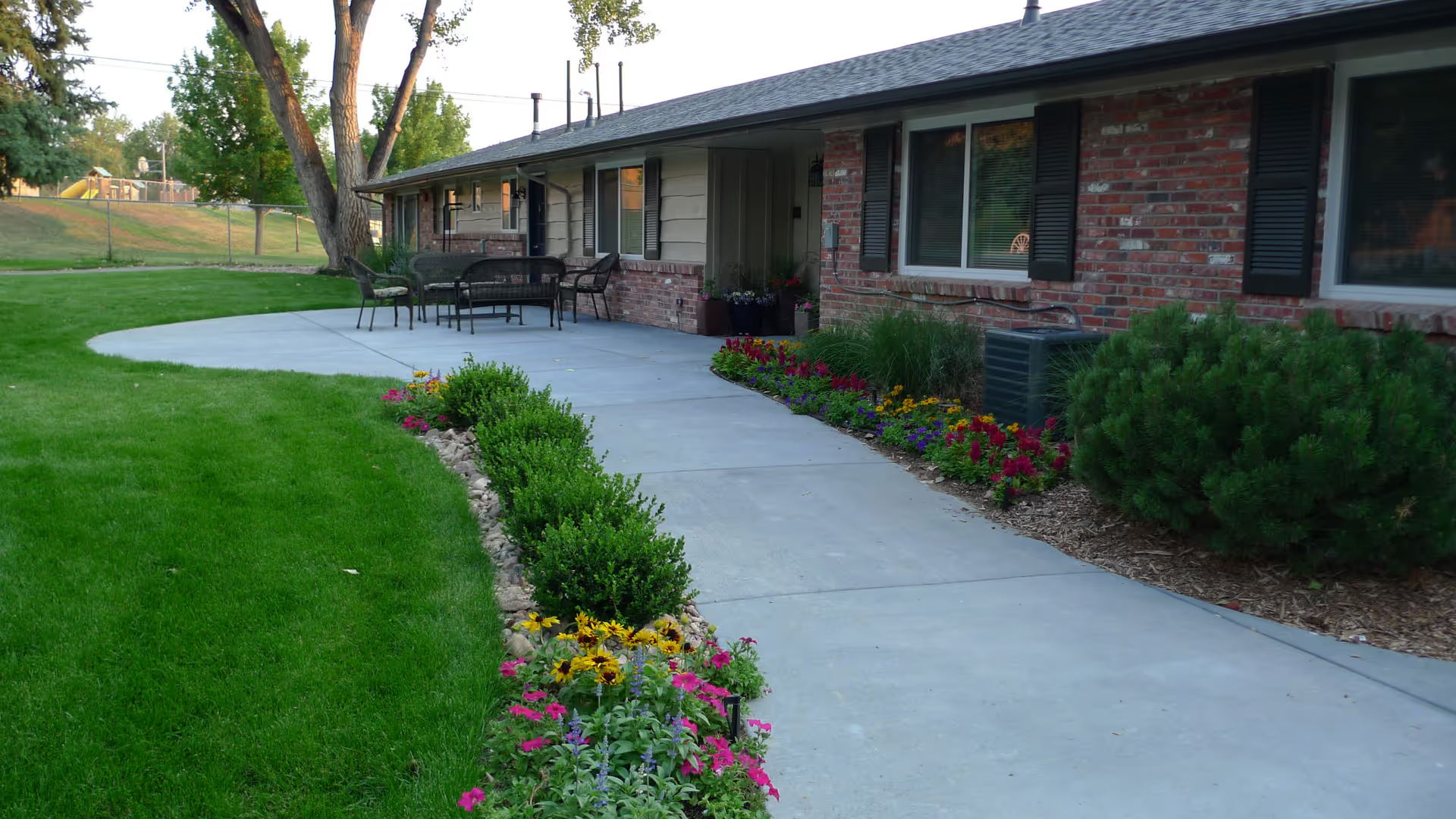
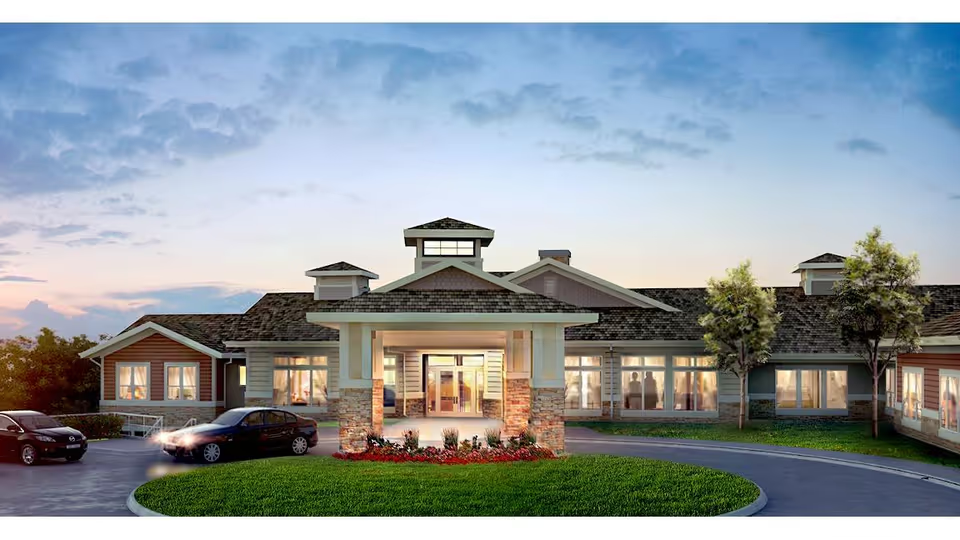
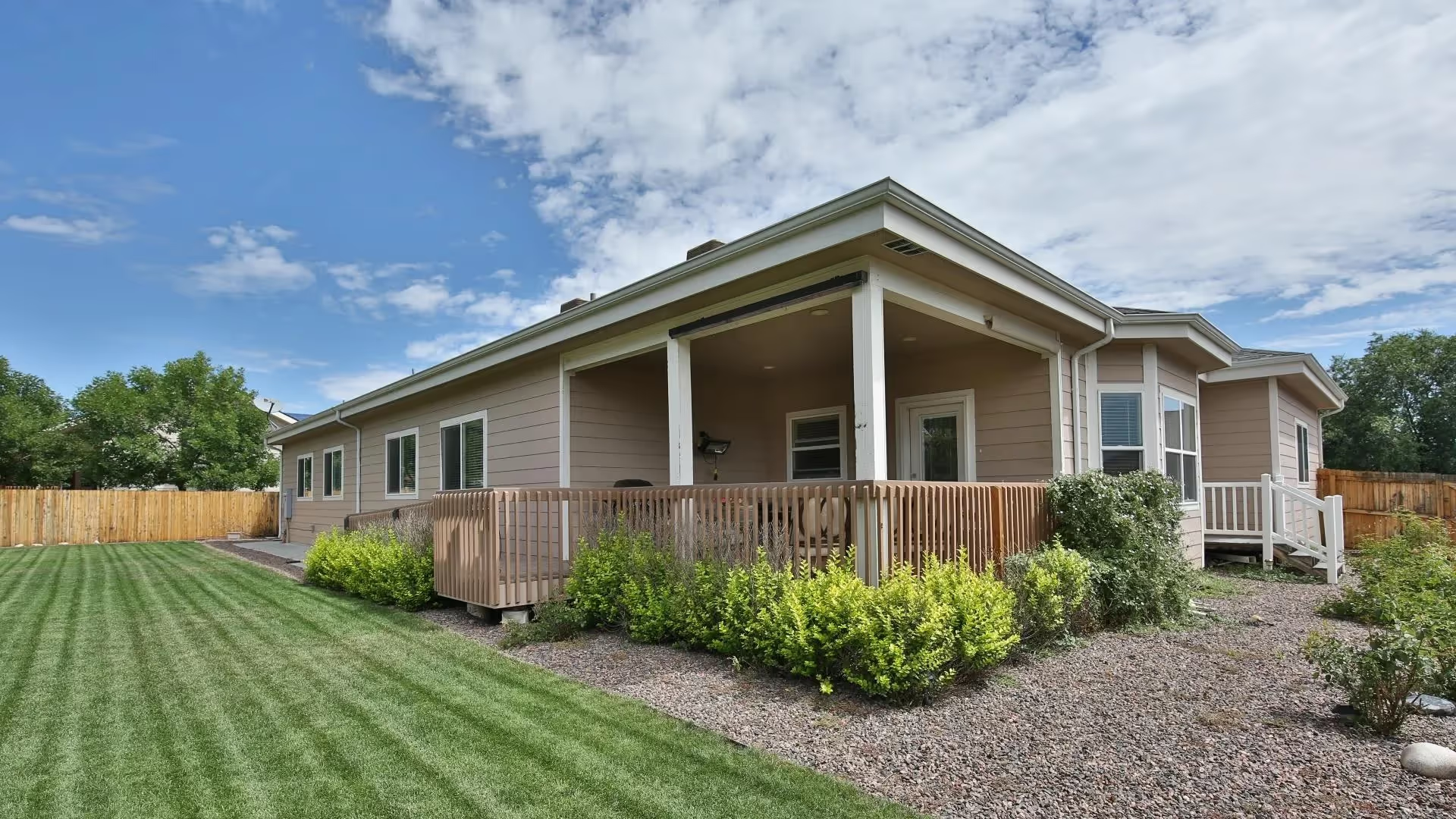
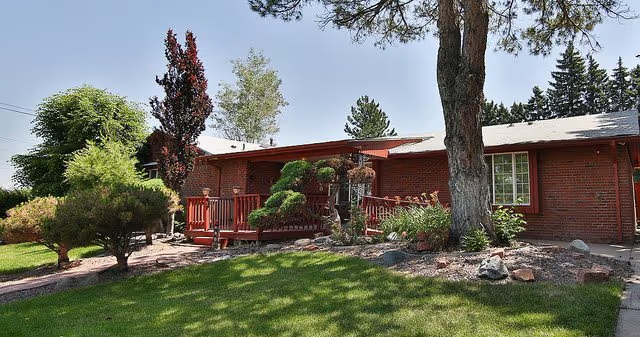
Highline Place Memory Care is frequently described as a small, home-like memory-care community with a strong emphasis on person-centered dementia support. Many families praise the caregiving staff as compassionate and attentive, and highlight engaged, smiling residents who participate in a wide range of activities. The facility offers an extensive activities program (walking groups, bus outings, music and art visits, seasonal parties, and intergenerational events), plus therapy animals and a visible social calendar that supports resident engagement.
Clinical and therapeutic resources are a clear strength: in-house physical, occupational, and speech therapy services, integrated hospice support, and visible multidisciplinary communication between therapy, nursing, and activities staff. Several accounts note proactive non-pharmacological dementia-management approaches, medication review practices, and good coordination at end-of-life. Families also point to strong leadership, approachable administrators, regular family involvement, and effective infection-control practices, including COVID-era precautions and facilitation of video calls.
Dining and ancillary services receive generally positive remarks: nutritionally balanced meals with flexible options, family-meal opportunities, salon and beautician services, massage therapy, and convenient transportation services. Housekeeping and grounds maintenance are frequently described as thorough, contributing to a well-kept environment that many families find reassuring.
Notable patterns of concern appear alongside the largely positive commentary. Operational weaknesses cited include staff turnover and variability in staff experience, which some families linked to reduced interaction or continuity of care during transition periods. Several accounts identify gaps in nursing-to-family communication — slow email responses, infrequent or late care conferences, and families needing to request meetings — and describe inconsistencies in medication oversight and medication-management practices. Sanitation and incontinence-care concerns are described in a limited set of accounts and are serious enough that families characterized them as needing investigation. There are also intermittent billing and pricing-transparency issues, occasional lapses in laundry or personal-item handling, and variable appeal or participation in meals and activities for certain residents.
In summary, Highline Place demonstrates many attributes of a high-quality memory-care community: attentive staff, robust programming, integrated therapy and hospice services, and a clean, home-like facility under active administrative leadership. Prospective residents and families should weigh these strengths against operational caution areas — principally staffing continuity, clinical-communication practices, medication-management oversight, and billing transparency — and consider asking targeted questions and requesting recent staffing metrics, care-conference schedules, medication-review protocols, and written pricing/billing policies during tours and admissions discussions.