Sedgwick County Health Center elicits a mixed but informative set of impressions. Many reviewers praise the clinical staff—physicians are described as experienced and compassionate, and nurses are consistently characterized as skilled and attentive. Several accounts highlight positive, timely encounters in both clinic and emergency settings, noting thorough diagnostic attention and effective pain management. The facility's small-town, personalized approach is a recurrent theme: longstanding patient relationships, flexible protocols that still maintain quality, and a pet-friendly stance were all cited as positive attributes.
Staff performance appears uneven across departments. Specific clinicians and teams receive high marks for professionalism and responsiveness, and some administrative functions (including scheduling and clinic management) are described as efficient. At the same time, reviewers describe variability in front-line interactions and occasional lapses in staff conduct. There are explicit references to strong individual contributors (clinicians and clinic managers) alongside periods or areas where professionalism and responsiveness are lacking.
Operationally, several patterns emerge as recurring concerns. Communication breakdowns — for example, delayed or absent delivery of diagnostic results and insufficient follow-up — are emphasized as a source of frustration. Appointment scheduling and wait-time management are another area of weakness: reviewers report long waits and coordination problems that can undermine otherwise competent clinical care. Reviewers also describe inconsistencies in clinical decision-making and care continuity, suggesting that outcomes can depend heavily on which provider or unit a patient encounters. There are also mentions of human-resources challenges and at least one allegation involving inappropriate conduct in a diagnostic area; these accounts point to gaps in procedural safeguards and patient-privacy handling that merit attention.
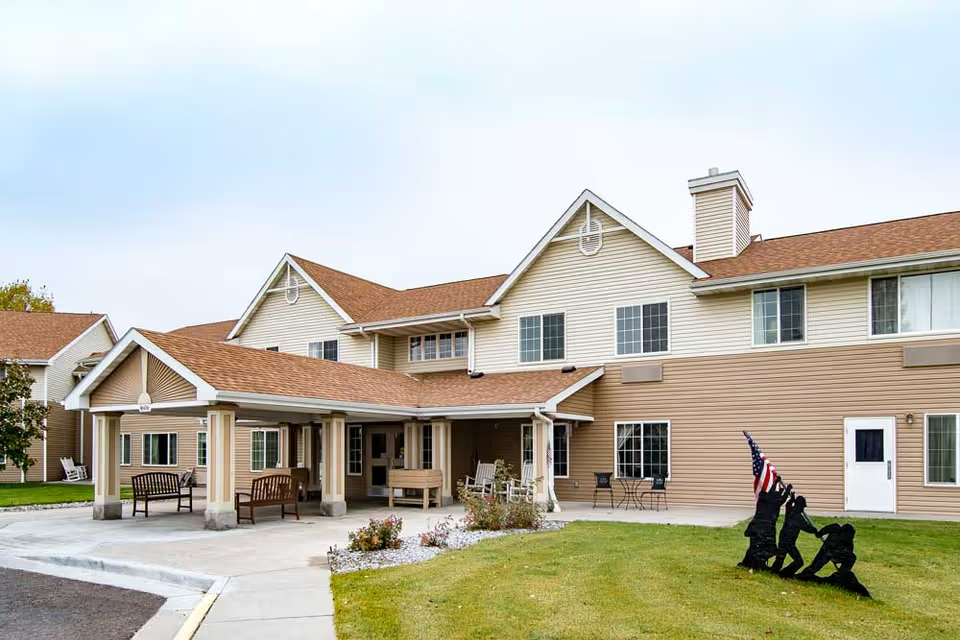
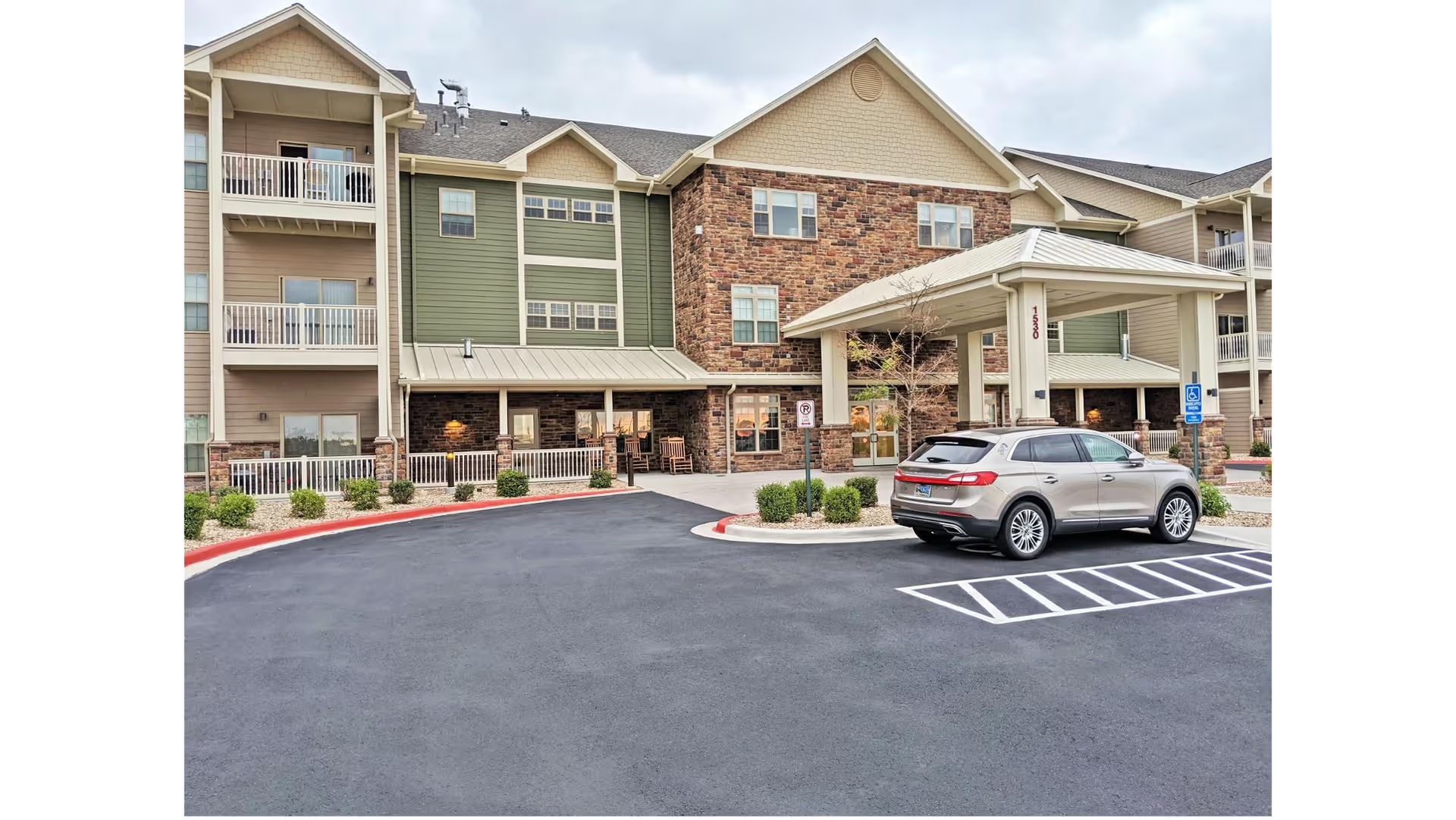
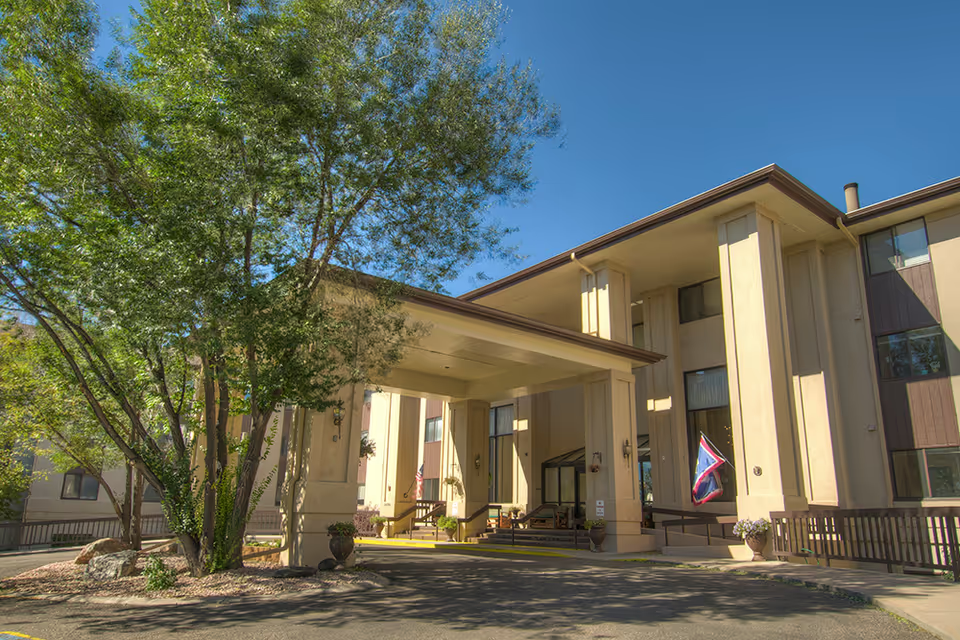
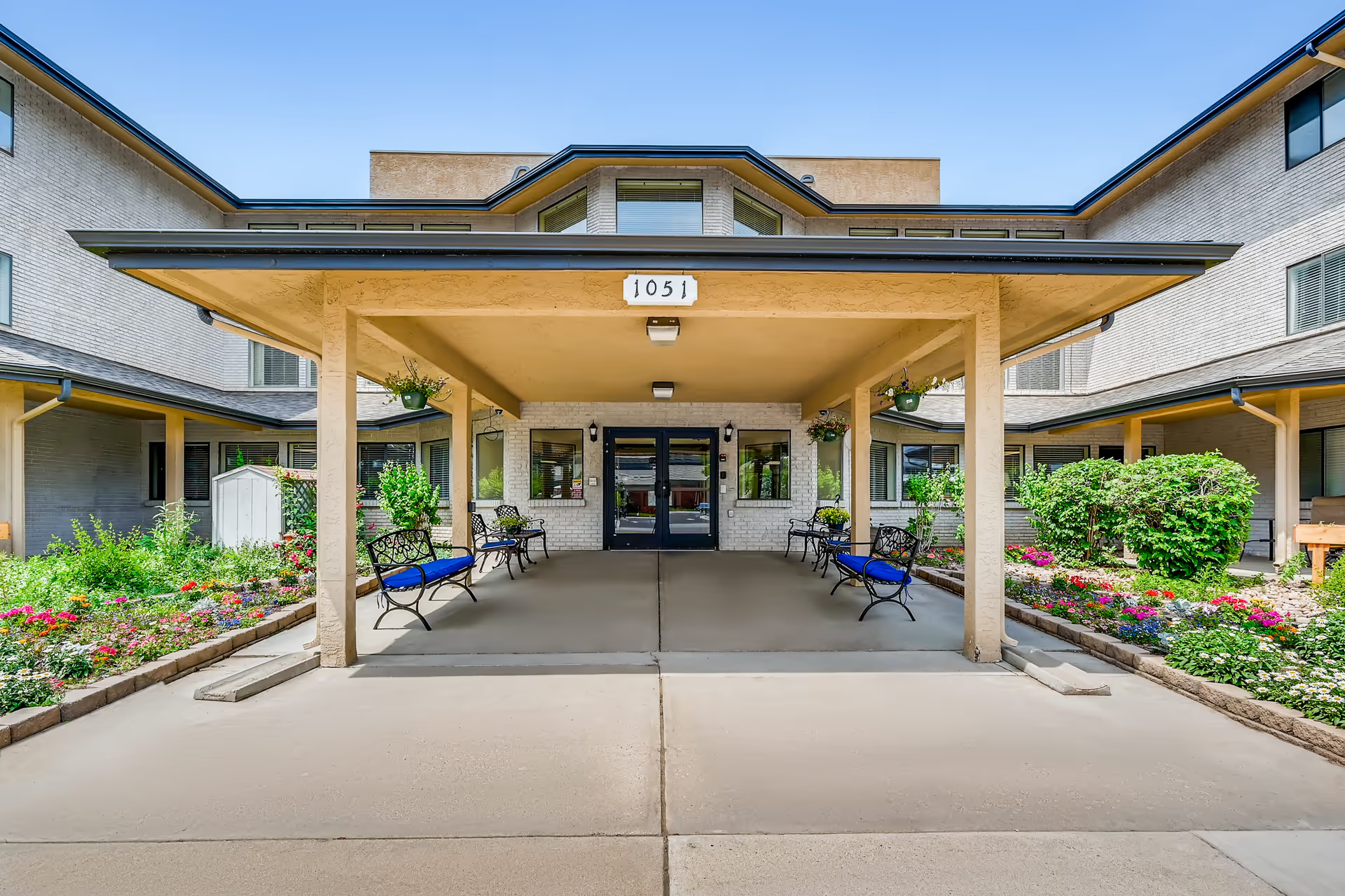
Information about dining, activities, and communal programming is limited in the available commentary. The facility’s rural, small-hospital context is repeatedly noted and appears to influence both strengths (personalized attention, community ties) and limitations (occasional resource or staffing constraints). Facilities and clinic spaces are described positively in many accounts when care runs smoothly, but reviewers advise that experiences can vary by shift and department.
For prospective residents and families: the Health Center offers clear strengths in clinician expertise, nursing care, and a patient-centered small-community approach. At the same time, verify processes important to you — particularly how diagnostic results are communicated, expected wait times, scheduling policies, staff-stability metrics, and privacy/procedural safeguards. Asking about escalation paths for concerns and confirming pet policies may help set expectations and reduce the likelihood of the variable experiences reported by some visitors.