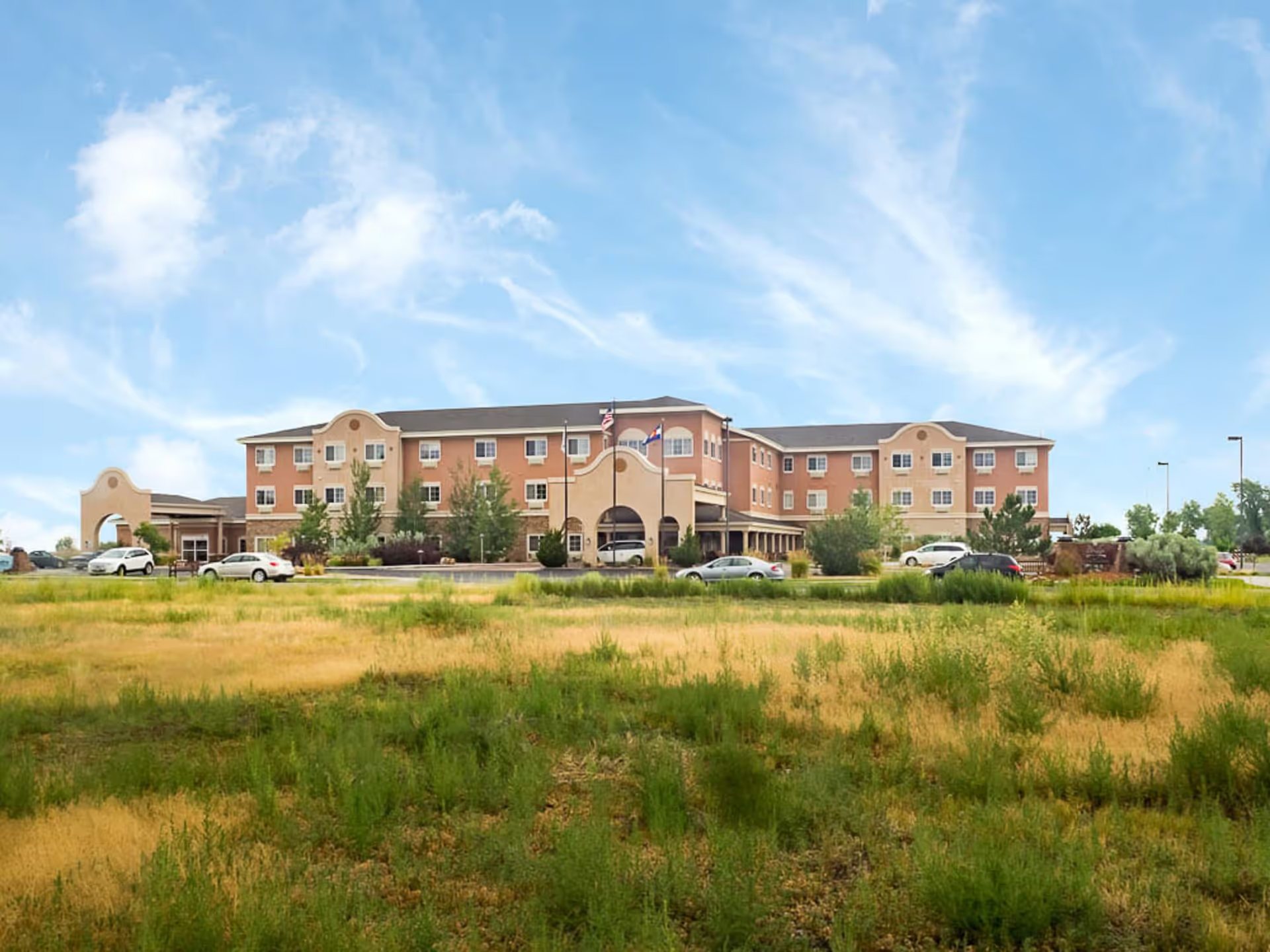
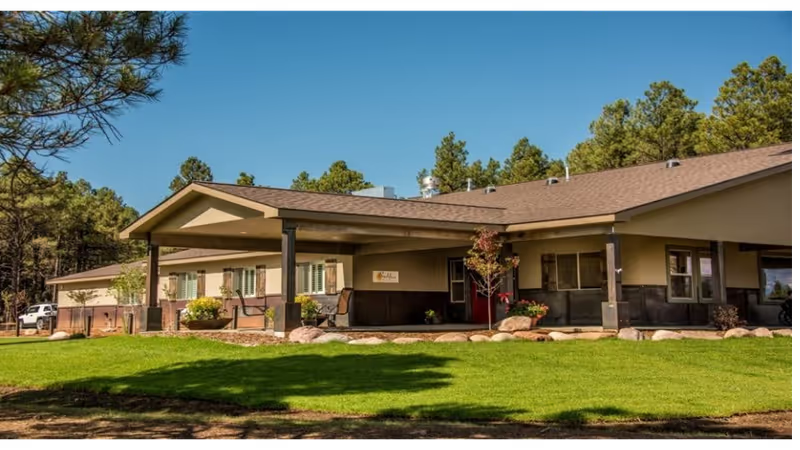
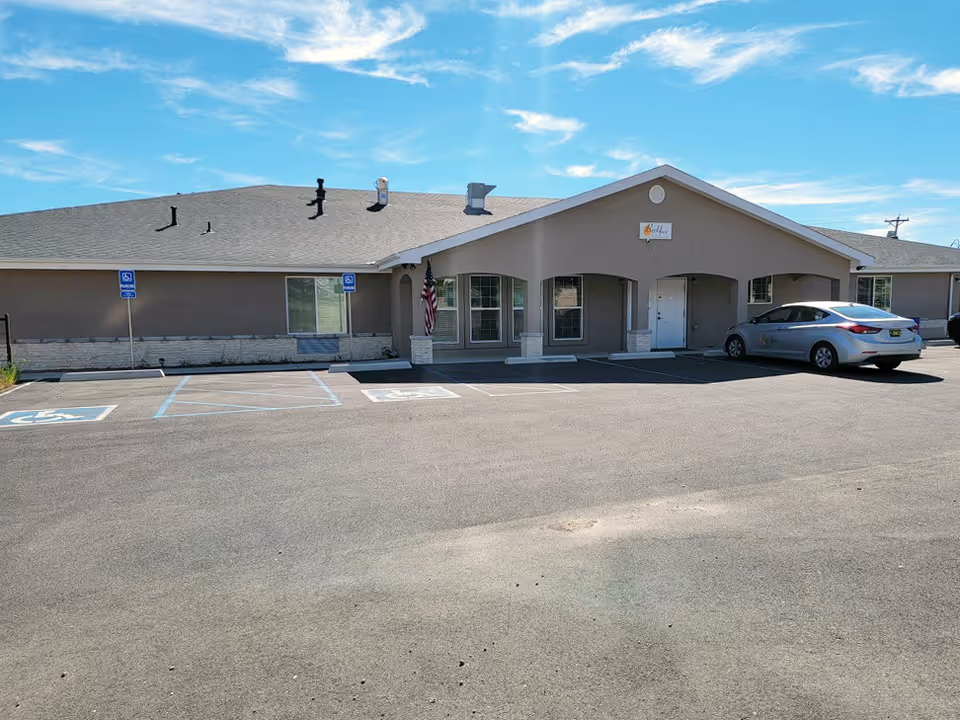
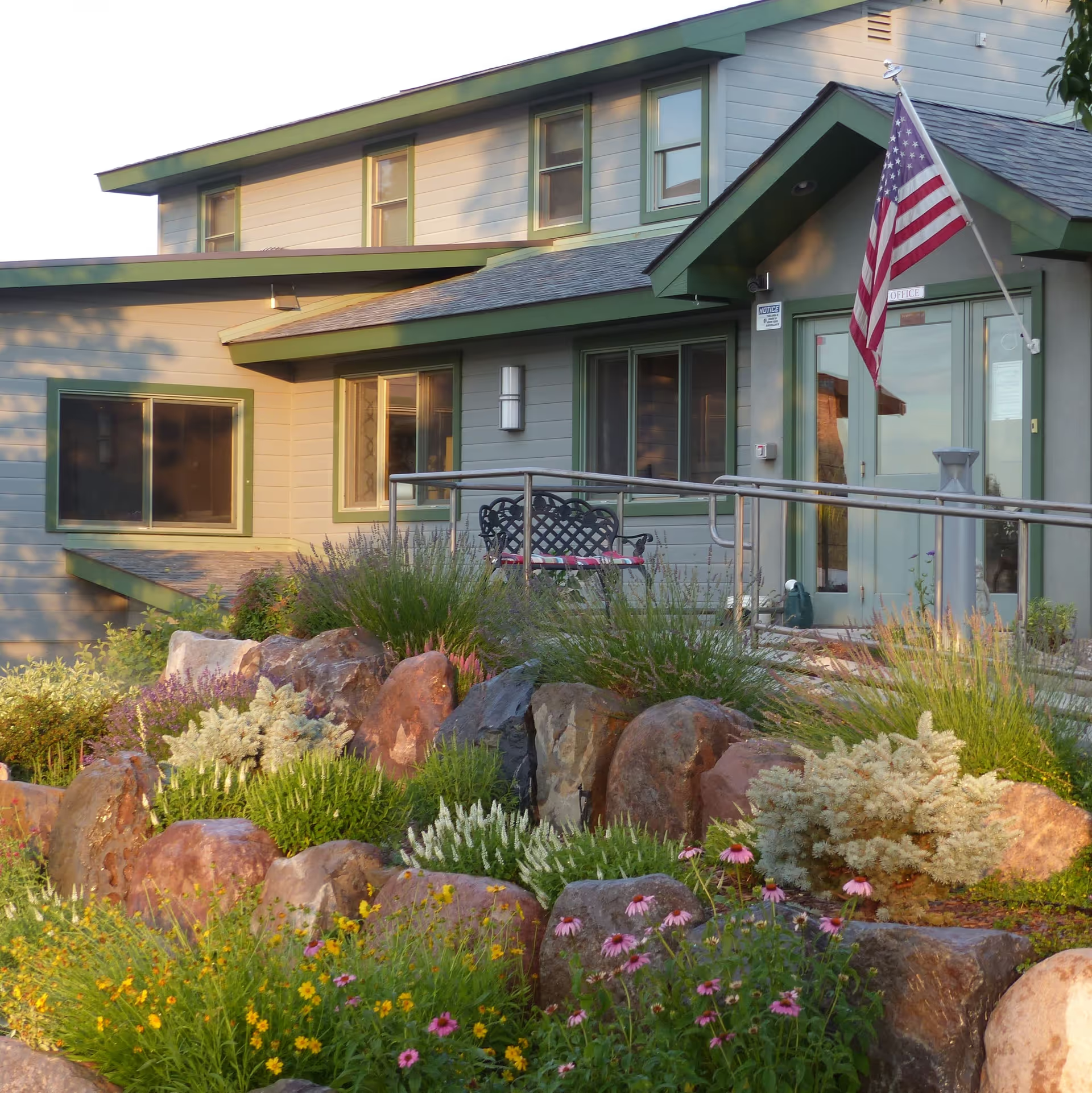
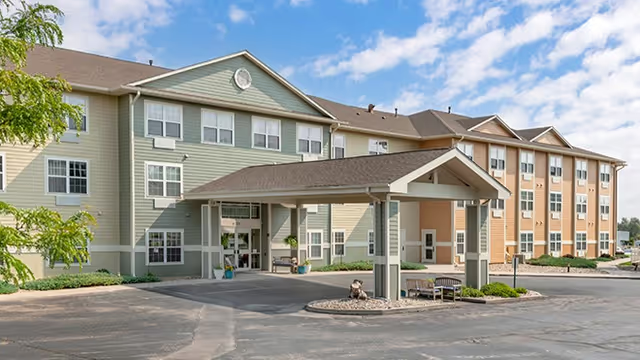
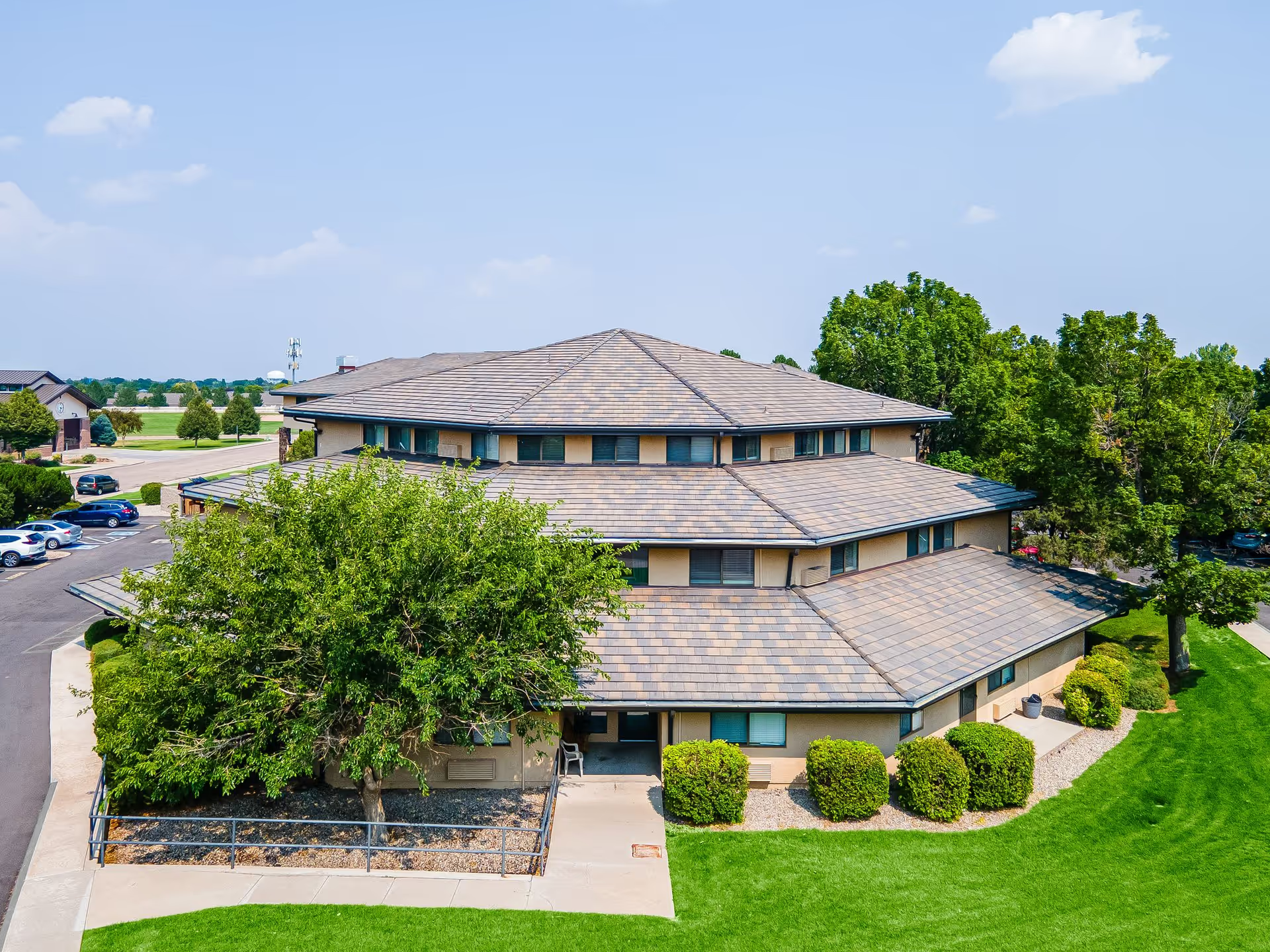
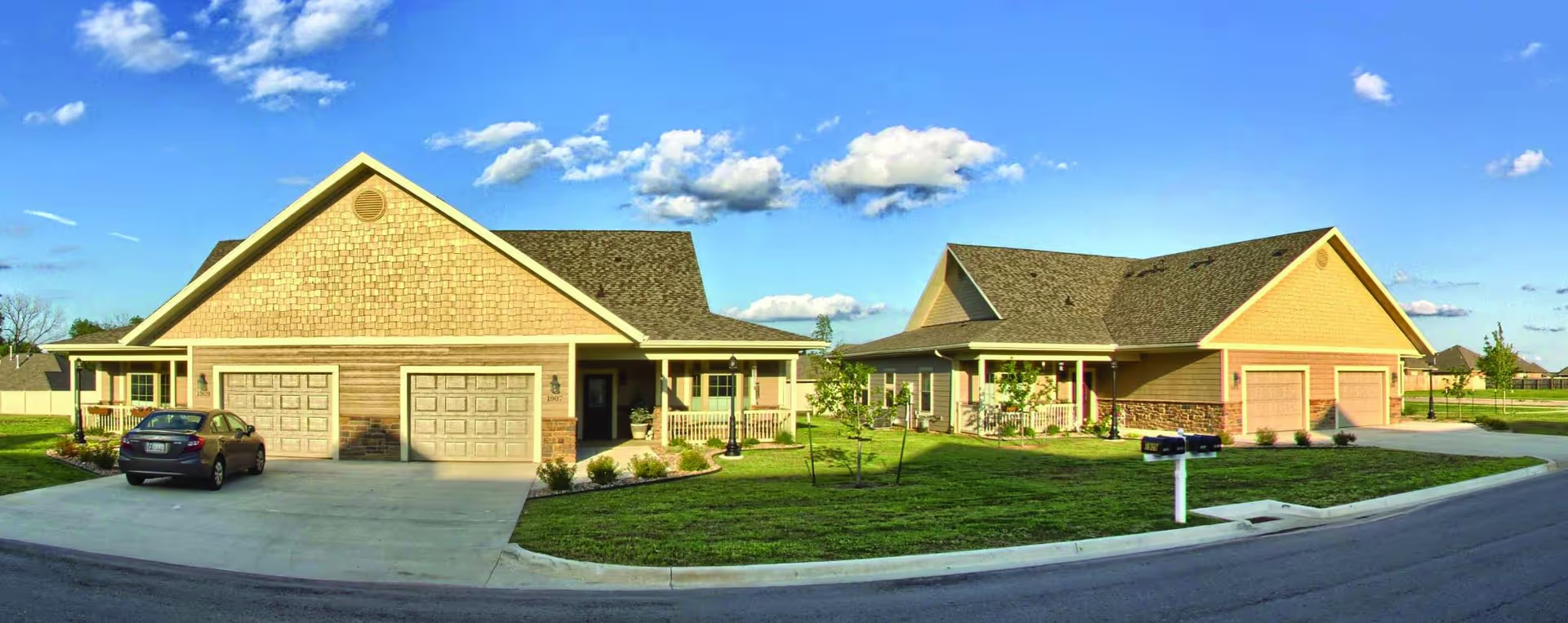
Reviews for Rio Grande Rehabilitation and Healthcare Center reflect a marked contrast between facility strengths and significant operational concerns. On the positive side, reviewers consistently describe a new, well-kept building with private, home-like rooms and an overall clean, secure environment. Many families praise friendly, familiar staff who know residents by name, report smooth admissions and transitions, and express high overall satisfaction with the social atmosphere and day-to-day kindness of caregivers.
At the same time, several reviewers describe clinically significant care issues that point to systemic gaps rather than isolated events. Concerns cluster around wound and high-acuity clinical management (including pressure-wound care and infection prevention), catheter-care practices, and timely clinical oversight. These issues have, according to the accounts, led to hospital transfers and escalated family concern. A related pattern is delayed responsiveness from staff for basic assistance needs and inconsistent caregiver professionalism; together these suggest variability in staffing, training, or supervision that can affect resident safety and comfort.
Dining and daily living feedback is mixed. Some families describe the environment as comfortable and quiet, but multiple accounts note inconsistent meal service and problems with food temperature, sometimes requiring family supplementation. There is limited information about formal activities programming in the reviews; the facility is described more frequently as calm and home-like than as activity-rich. Housekeeping and general sanitation are regularly praised, reinforcing the impression of a well-maintained physical environment.
Management and communication are likewise described in two ways. Many families report clear, supportive communication from staff and felt well cared for; others reported breakdowns in communication around clinical incidents and transfers. A serious administrative concern raised in some accounts involves advance-directive and consent processes — specifically, gaps in how do-not-resuscitate/type directives and decision-making authority are handled. Those concerns point to the need for transparent policies and consistent documentation practices.
For prospective residents and families, the pattern suggests visiting and observing multiple aspects of care before placement: ask about wound-care and catheter protocols, staffing ratios and training for high-acuity residents, incident-response and family-notification procedures, and how advance directives are documented and verified. Observe meal service and staff–resident interactions across shifts, and request recent inspection or complaint histories if available. The facility's physical environment and many staff members receive positive feedback, but the reported clinical and procedural inconsistencies are important to clarify prior to admission.