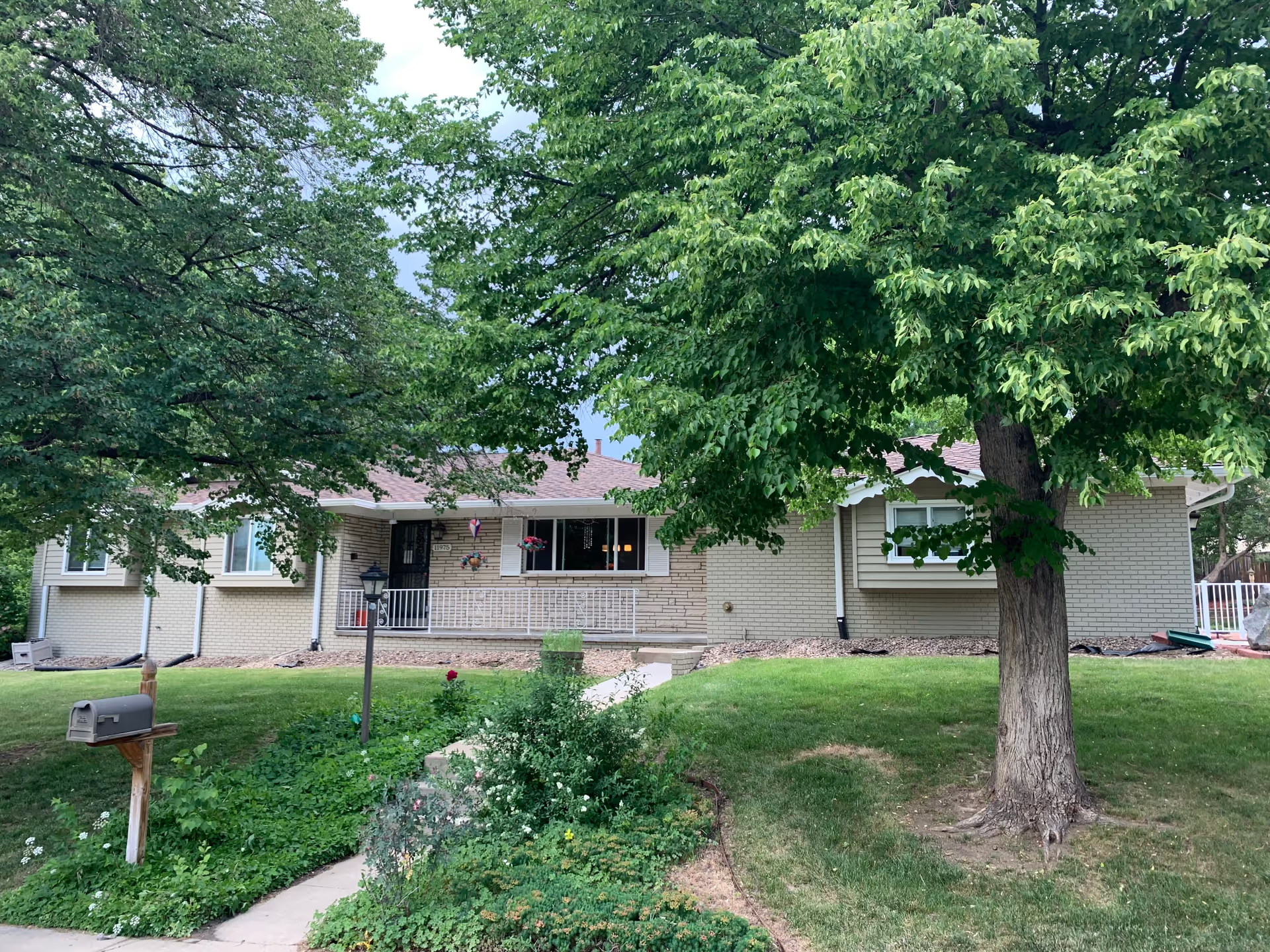
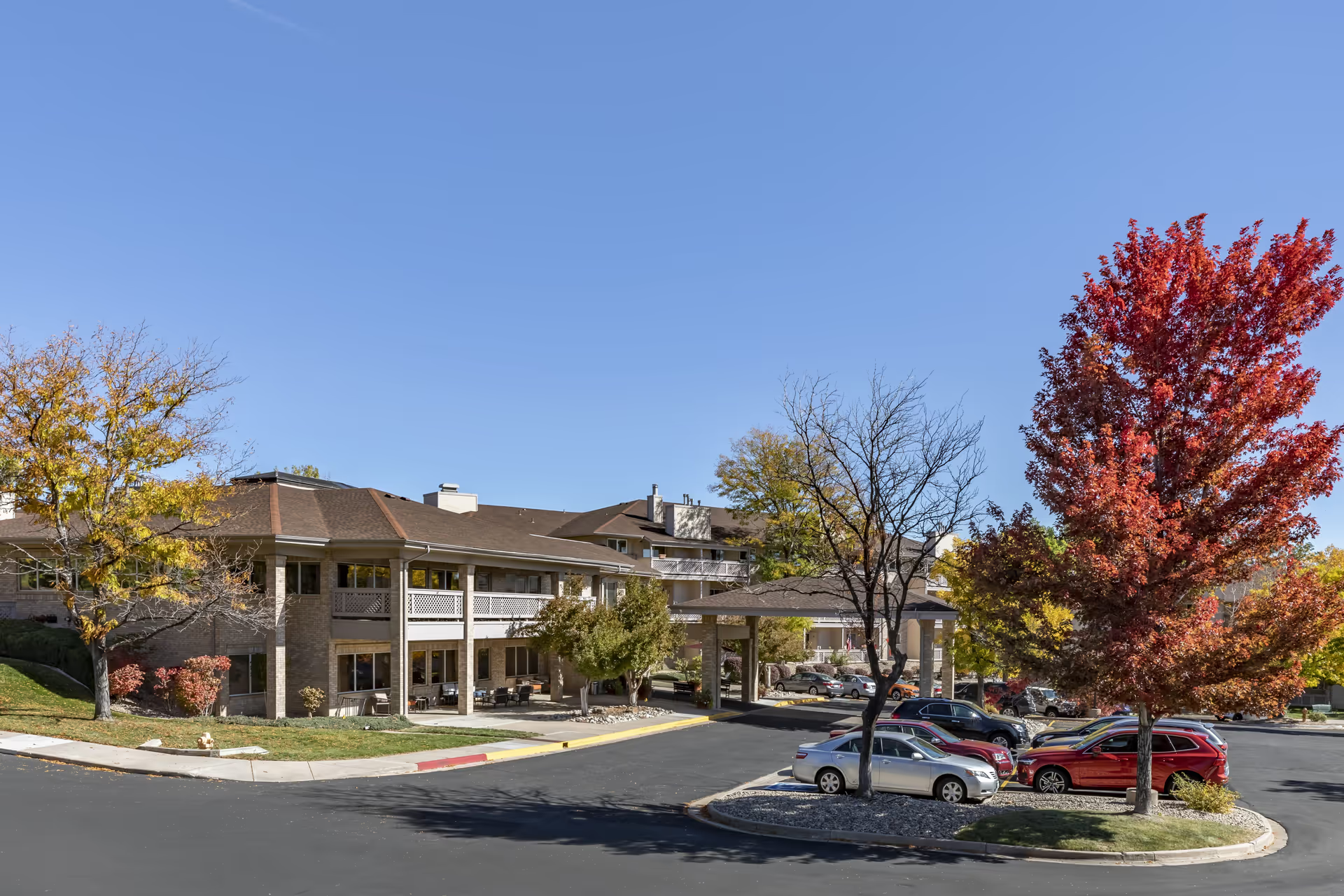
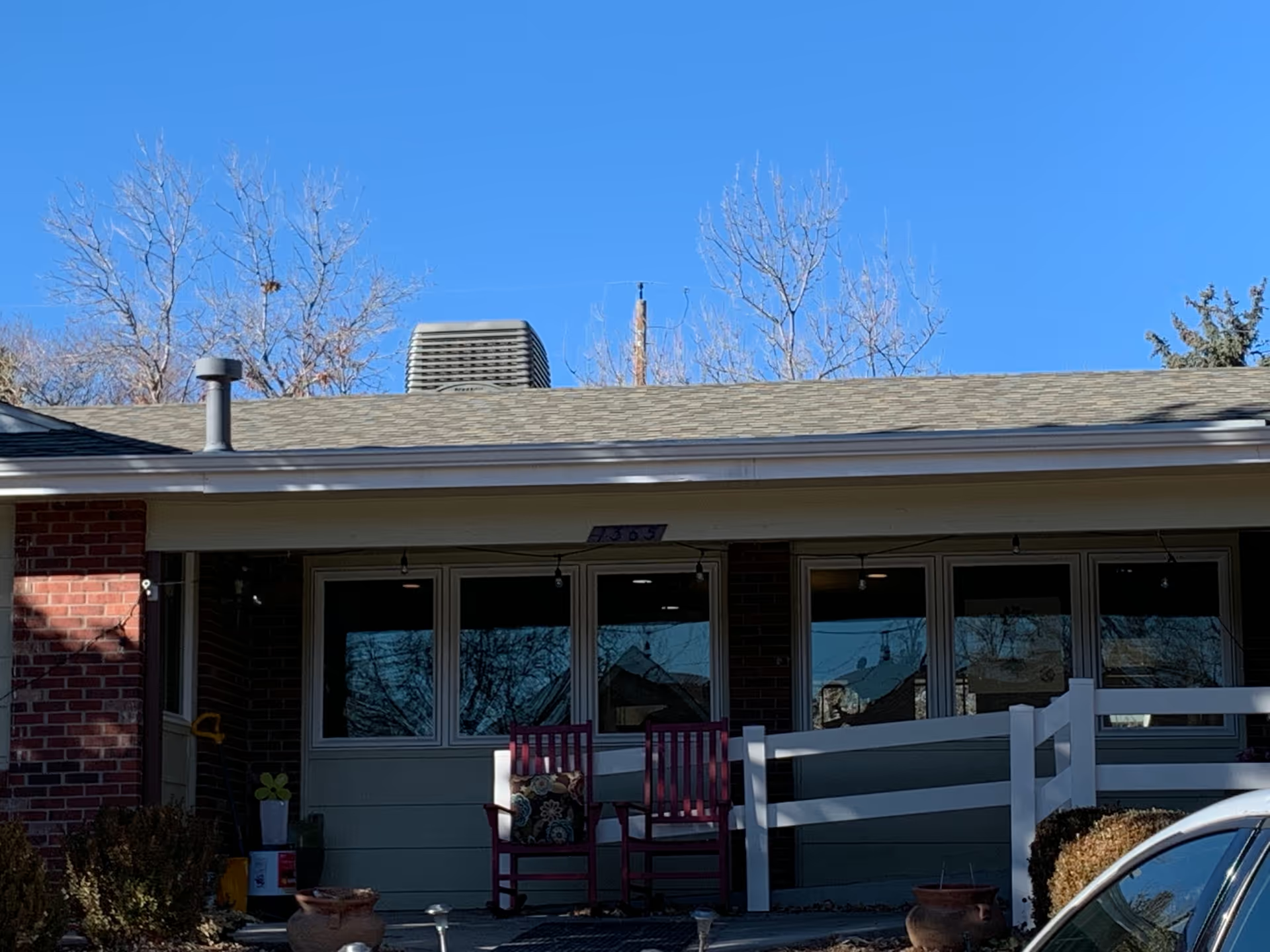
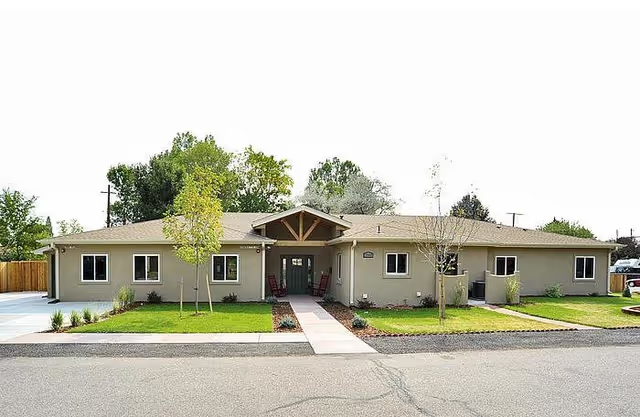
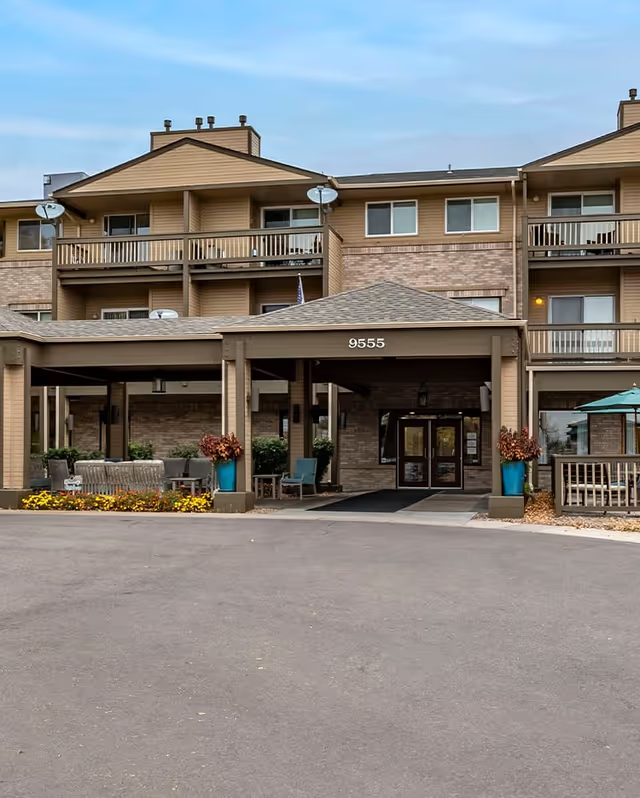
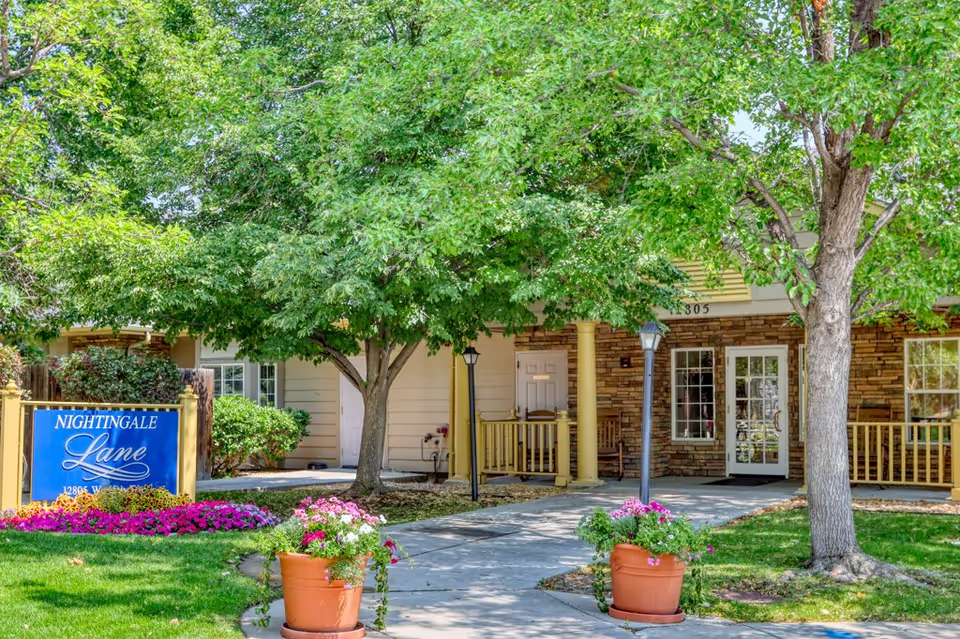
The reviews present a polarized view of the facility, with some families describing a comfortable, small, home-like atmosphere and others describing persistent operational concerns. Positive comments emphasize a residential-style house, visible owner involvement, nighttime safety technology (bed/chair sensors), direct access to Kaiser providers, and staff members who provide personalized attention. Several families specifically praised individual caregivers and described smooth transitions into the residence.
However, recurring operational weaknesses appear across the more critical accounts. Medication administration and monitoring are frequently cited as inconsistent, with delays and incorrect administration noted; this points to gaps in clinical oversight and medication-management procedures. Staffing stability is another prominent issue: reviewers describe high turnover, reliance on temporary or agency staff, and staff who appear overworked. Those staffing patterns are linked to delayed responsiveness to families and clinical needs.
Housekeeping, laundry, and personal-care processes are described as uneven. Concerns include laundry management, misplaced clothing or personal items, and general sanitation or cleanliness issues. Several reviewers also raised allegations of missing or mismanaged resident belongings. Related to daily life, many reviews indicate a lack of organized activities, few outings or walks, and limited opportunities for social engagement beyond the household setting.
Dining and food service are described as inconsistent. Some families report meals that appear to be reheated rather than freshly prepared and note variable food quality and temperature. Safety and security practices are mixed in reviewers' accounts: while there are nighttime safety measures and some emphasis on locked access after hours, other accounts describe entry-door access being left unsecured at times, indicating inconsistent access-control practices.
Staff conduct and workplace culture were called out in several accounts, ranging from respectful, attentive caregivers praised by families to reports of harsh communication tone, belittling of temporary staff, and odor concerns among employees. Management presence is described as a strength by some (owner engagement), but other reviewers note increasing absenteeism or a move toward opening another location that could reduce local supervisory availability.
Taken together, the pattern suggests a small, potentially well-intentioned setting that can deliver attentive, personalized care under stable staffing, but that also demonstrates vulnerabilities in clinical oversight, staffing stability, housekeeping, activity programming, meal consistency, and access-control practices. Prospective residents and families should request current documentation on staffing ratios, medication-administration protocols, staff training/certifications, housekeeping and laundry schedules, incident-reporting procedures, an activities calendar, and examples of how the facility secures and audits resident belongings. An in-person visit during different times of day (including evenings) and conversations with current families may help evaluate how consistently positive practices are maintained over time.