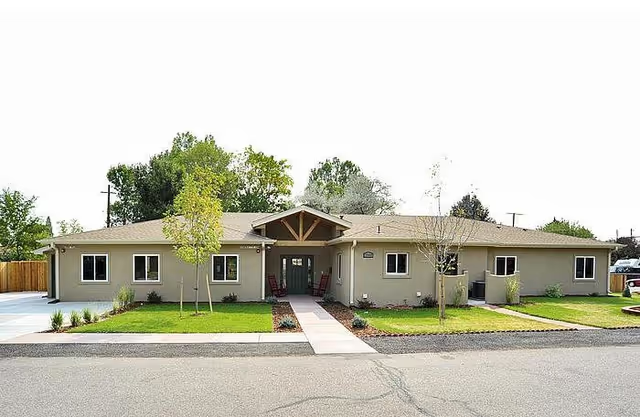
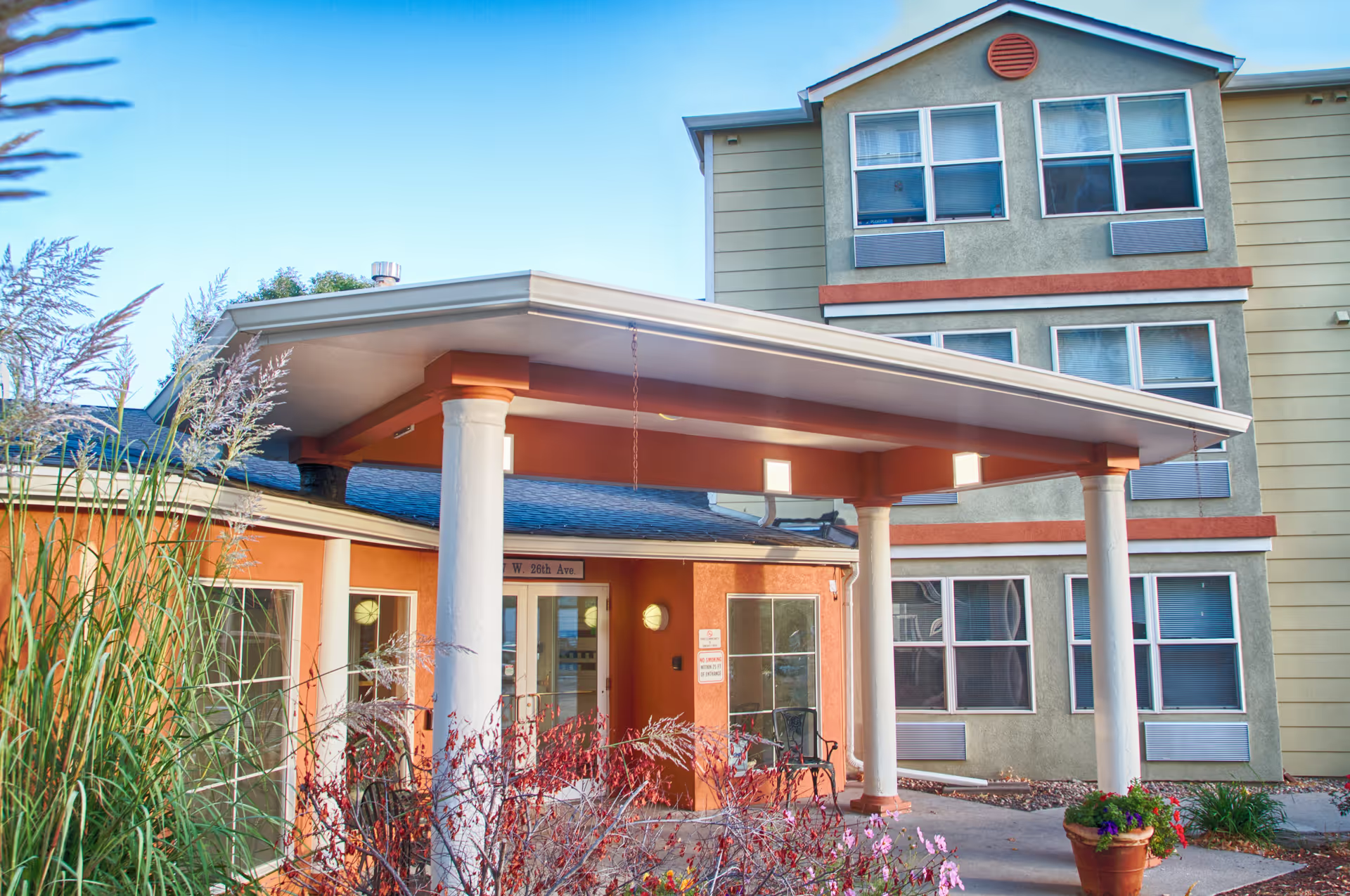
The Granville Assisted Living Center elicits strongly polarized impressions. Many families and residents emphasize consistently positive interpersonal experiences: long‑tenured, compassionate staff; an attentive ownership presence; and a strong emphasis on social engagement. Reviewers describe a home‑like atmosphere with clean common areas, private studio apartments (often with kitchenettes), active programming (crafts, bingo, bowling, men’s lunches, Friday happy hour, holiday events), and deliberate efforts to keep residents connected during infection‑control periods. Dining is frequently described as a strength—well‑prepared meals with multiple choices—though a subset of comments suggests menu variety and seasoning could be improved in some instances.
Care quality appears to be a central selling point for many residents: staff are characterized as patient, respectful, and proactive with medication administration and paperwork. Families often note personalized attention, transition support from leadership, and staff who know residents by name. The community also receives positive marks for sanitation and pandemic practices, 24/7 security, and ongoing capital reinvestment that keeps public spaces updated.
Alongside these strengths, there are recurrent operational concerns that prospective families should probe further. A notable pattern involves assertive discharge or relocation practices combined with limited relocation support; reviewers describe short notice move‑out timelines and difficulty obtaining help to find alternatives. Communication with families is uneven: while some reviewers praise responsive directors and owners, others cite poor collaboration during incidents and a communication tone at front desks that can be brusque. These themes point to variability in management follow‑through and front‑line customer service.
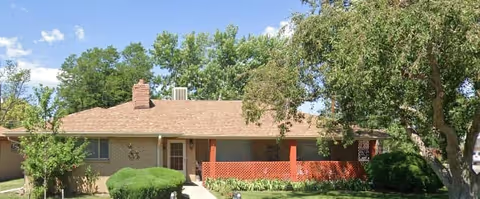
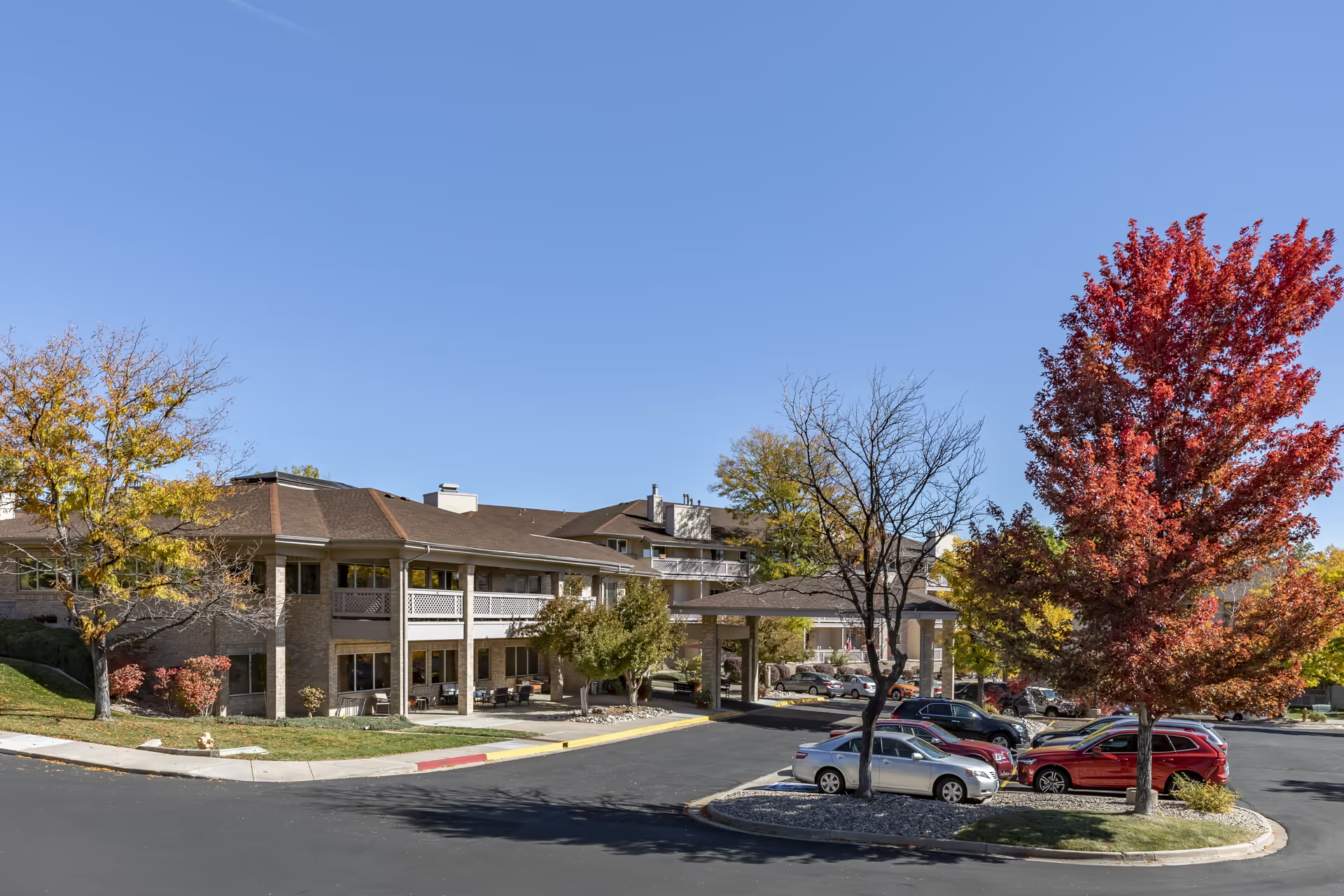
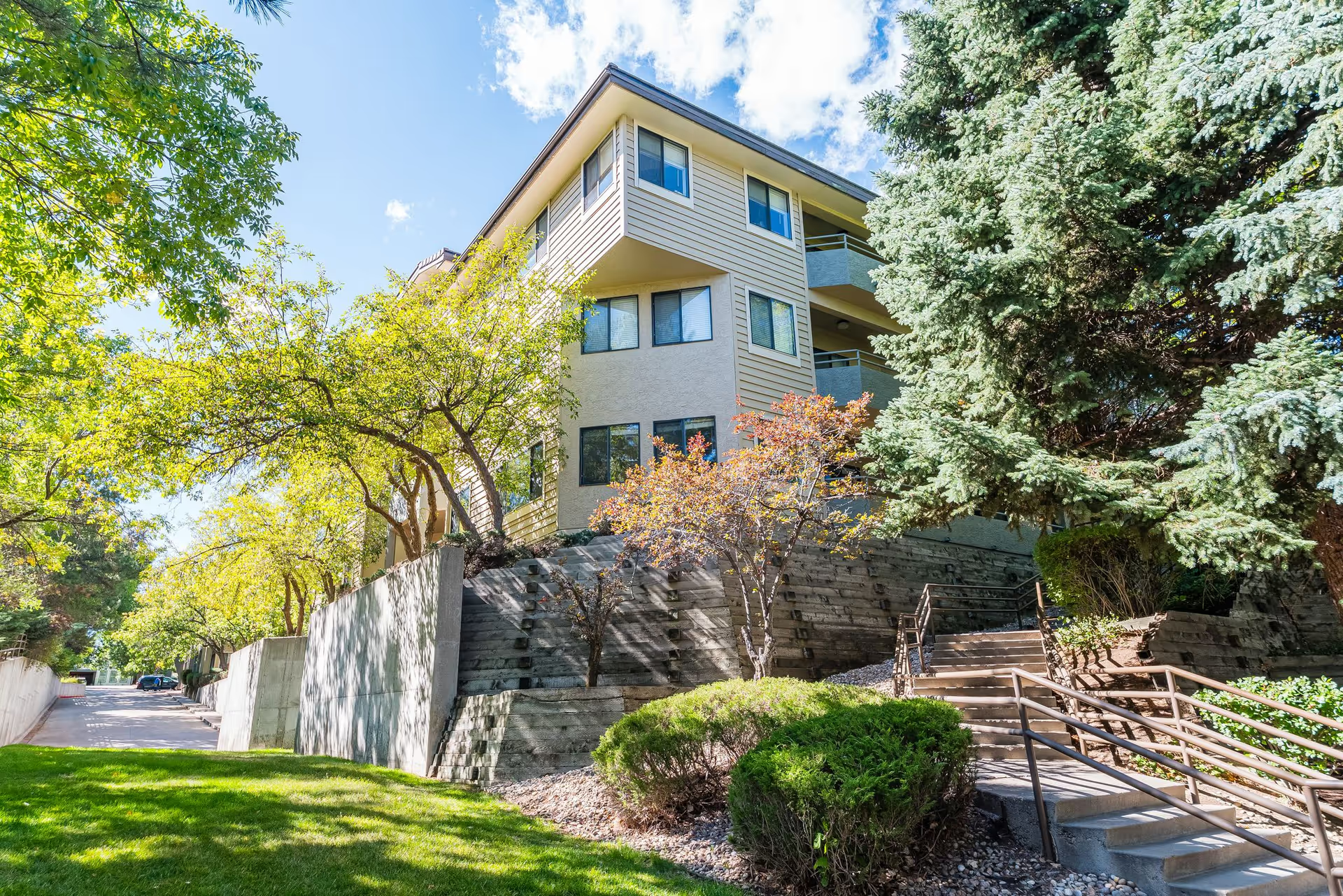
Safety and clinical‑care patterns also warrant attention. Multiple comments raise concerns about transfer safety, fall risk, and areas where staff training appears inconsistent for higher‑dependency care tasks. Several reviewers advised that the community does not offer a full continuum of higher‑level assisted nursing services and that admission policies require residents to be able to transfer and get to meals; Medicaid is reportedly not accepted, so payment options are limited to private‑pay arrangements. Physical‑plant notes are mixed: many praise cleanliness and updated areas, but others describe dated or run‑down sections, small rooms in parts of the property, and constrained parking.
In sum, Granville presents as a community with strong social programming, attentive caregivers, and engaged ownership, but with operational variability in family communication, staff training for higher‑acuity needs, and discharge/relocation practices. Prospective residents and families would benefit from direct, specific questions during a tour: ask for written discharge and relocation policies, clarify levels of care accepted and staff training for transfers, review meal charges, verify Medicaid acceptance, and inspect both updated and older areas of the building. Observing mealtime service, staff‑resident interactions, and how management addresses family concerns will help determine whether the community’s strengths align with an individual’s care needs and expectations.