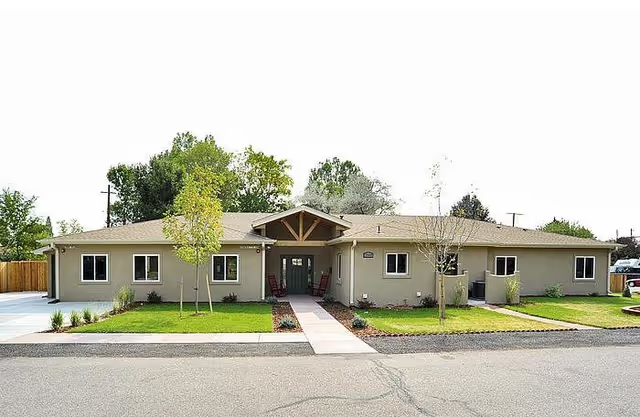
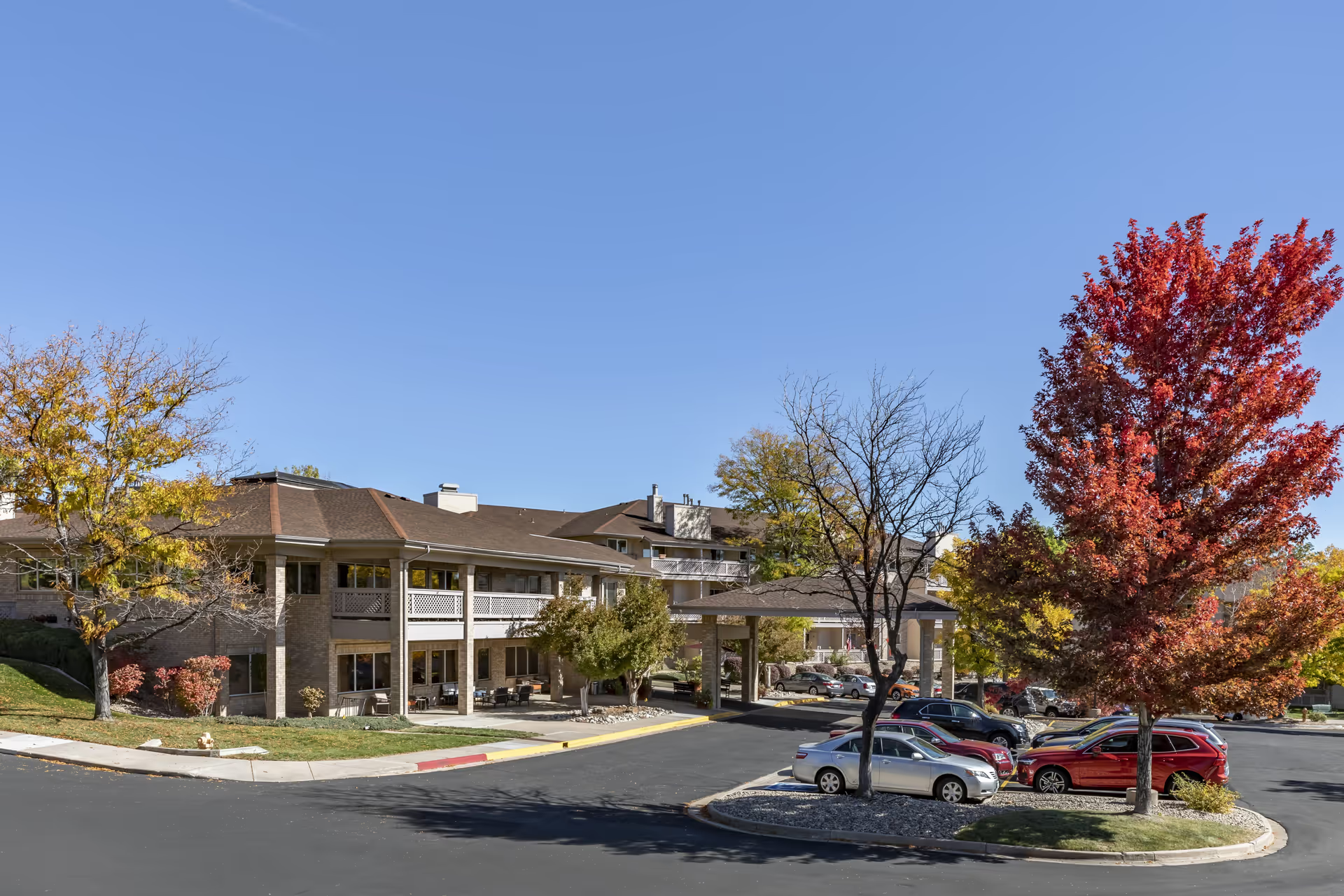
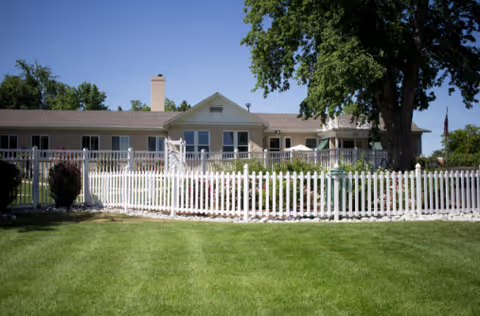
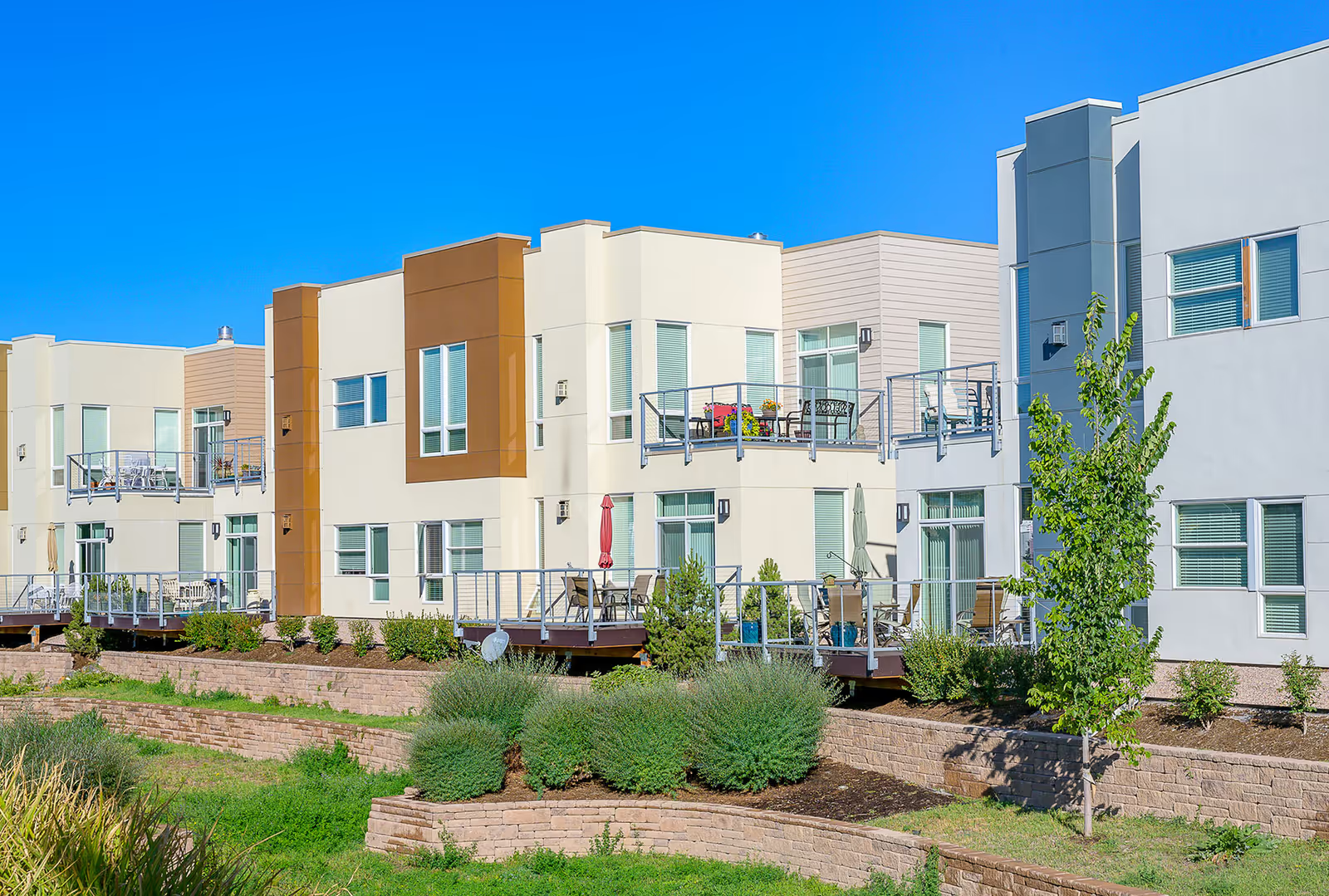
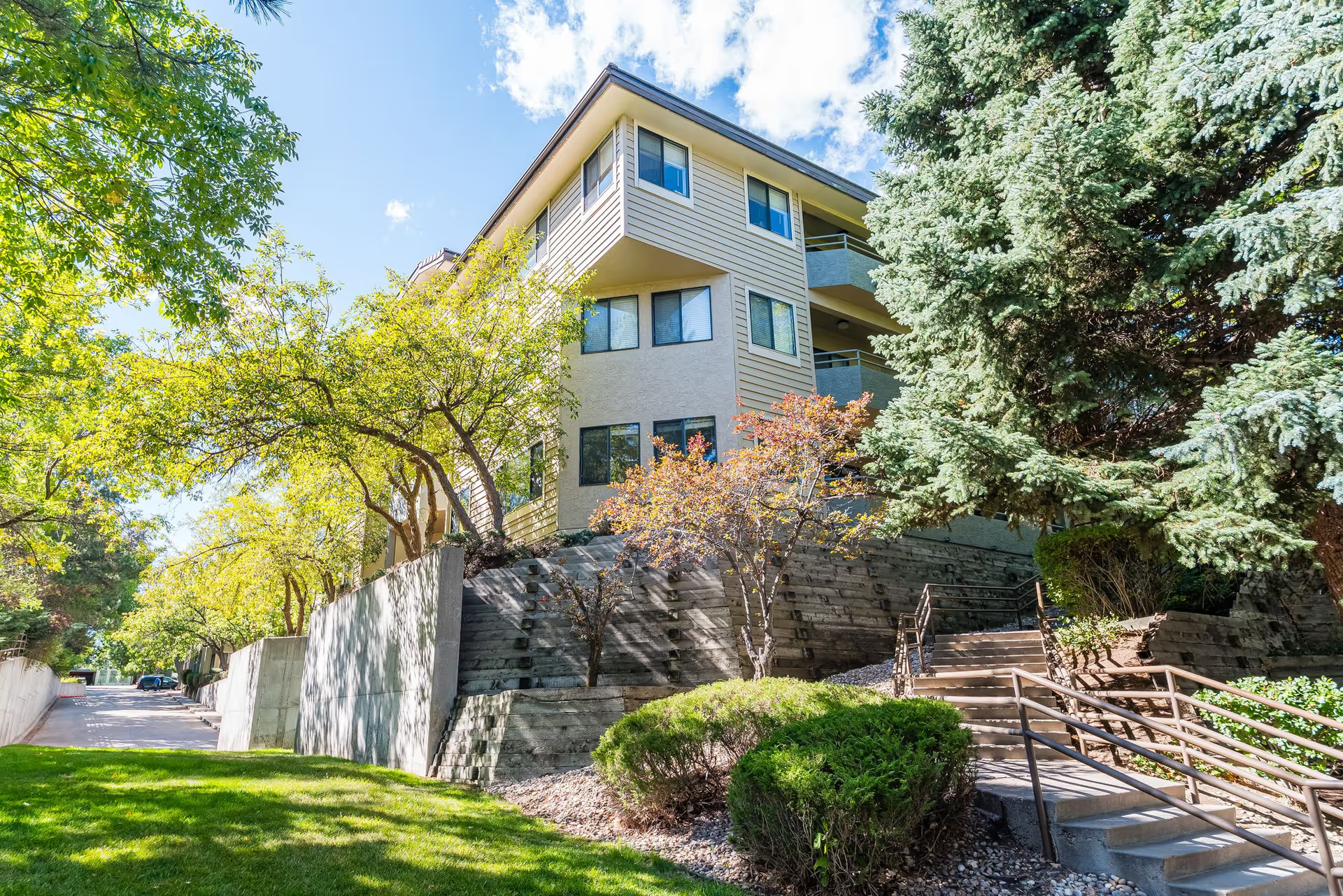
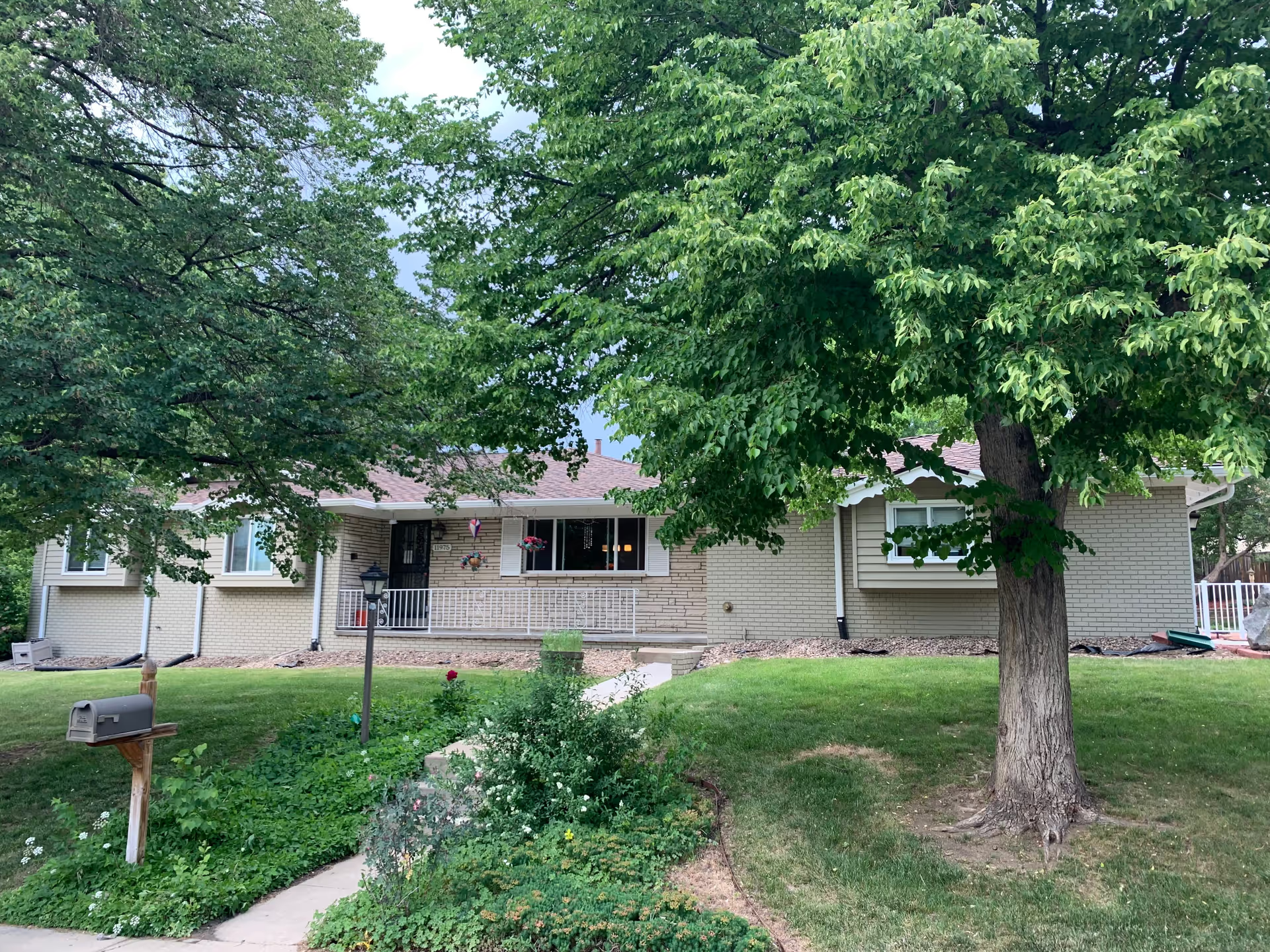
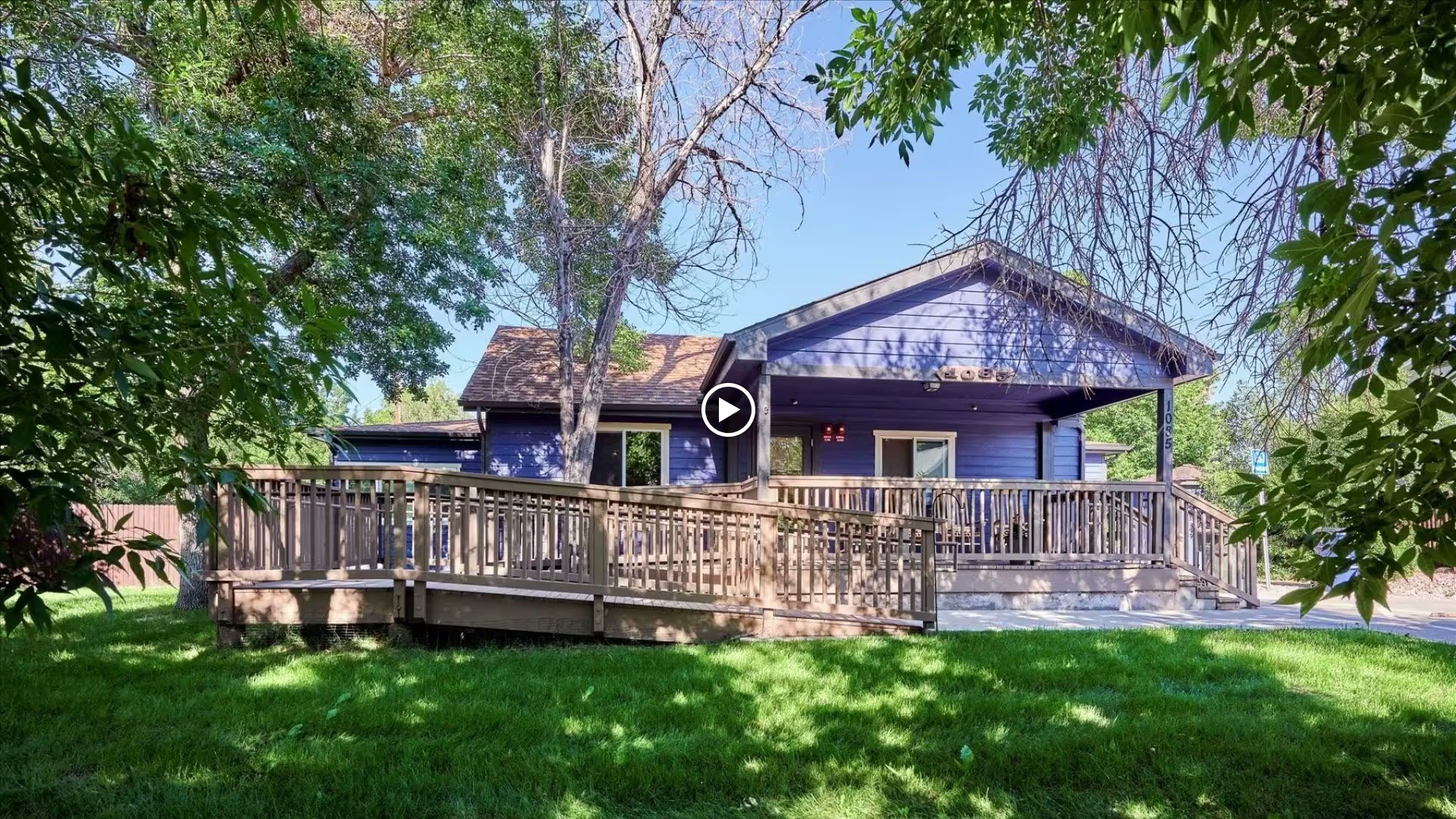
Western Hills Health Care Center elicits strongly polarized impressions. Many families and residents describe a caring, compassionate culture driven by dedicated long-term staff, attentive CNAs and nurses, and visible leadership. Positive accounts emphasize effective short-term rehabilitation, coordinated discharge planning, and a social environment where activities, holiday events, and outdoor spaces help residents stay engaged. The facility is frequently described as clean in its public areas and rooms, with ongoing room updates, attractive landscaping, and a family-like atmosphere that some families find reassuring.
Care quality appears to be a mix of clear strengths and notable variability. Strengths include timely rehabilitative therapies that produce measurable gains after surgery or falls, hands-on nursing and therapy staff, and clinical teams that at times demonstrate proactive communication and case coordination. Several reviewers praised specific administrators and department heads for responsiveness and for creating a positive culture; onsite training programs for nurses and CNAs were also viewed as contributing to a higher level of attention for residents.
Counterbalancing the positive reports are recurring operational concerns. Reviewers describe inconsistent responsiveness between shifts and occasional delays in attending to basic care needs. There are multiple references to lapses in medication administration, wound-care follow-through, and other clinical-incident management gaps. Therapy quality and availability are described as variable: some families credit the therapy teams with excellent outcomes, while others experienced limited or inconsistent therapy attention. Supply-management problems (ill-fitting briefs, running out of basic supplies) and sanitation/incontinence-care concerns in specific areas were also raised.
Facility and management issues are also mixed. The building shows signs of ongoing renovation and attractive outdoor areas, yet some reviewers note dated carpet, deferred maintenance items, and concerns about certain maintenance practices. Administrative experiences range from an open-door, engaged leadership to accounts of unresponsive administration regarding specific complaints. A serious governance-related claim appears once regarding the use of resident or emergency-contact data for fundraising; that item is presented here as an allegation and would warrant direct inquiry by prospective families.
Dining, activities, and the social milieu are frequently cited as positives. Many reports note enjoyable meals, active programming, holiday events, and staff who socialize with residents, contributing to residents’ morale and engagement. At the same time, activity participation varies by resident mobility and staffing on particular shifts, and some families wished for more consistent outreach to encourage participation.
Overall pattern: consistent praise centers on compassionate staff, effective short-term rehab, and a community atmosphere supported by long-tenured leadership. Recurrent concerns cluster around variability in staff responsiveness, clinical-incident consistency (including medication and wound care), supply and sanitation management in some units, and occasional lapses in communication with families. Prospective residents and families would benefit from an in-person tour focused on shift-to-shift staffing practices, clinical escalation pathways, supply and sanitation procedures, and clarification of administrative policies (including fundraising and use of contact information) to align expectations with the facility’s strengths and limitations.