Overall impression: Reviews present a largely positive view of day-to-day life at Assured Serenity Assisted Living 32, with repeated emphasis on attentive, compassionate caregiving and a small, home-like environment. Families and residents describe a strong staff presence with consistent assignments and a high staff-to-resident ratio that supports individualized attention, quick medical response, and continuity of care—factors highlighted as beneficial for residents with cognitive impairment.
Care and staff: Care quality is consistently framed around warmth, tenderness, and hands-on attentiveness. The facility is noted for safety-focused staff and 24-hour on-site house managers who facilitate quick evaluations and open family communication. Reviewers emphasize consistent faces, which appears to support stability for residents, and several comments single out accurate medication administration and regular housekeeping tasks (laundry and bedding). A few communication challenges were noted related to staff accents; this is presented as an operational communication barrier rather than a statement about clinical competence.
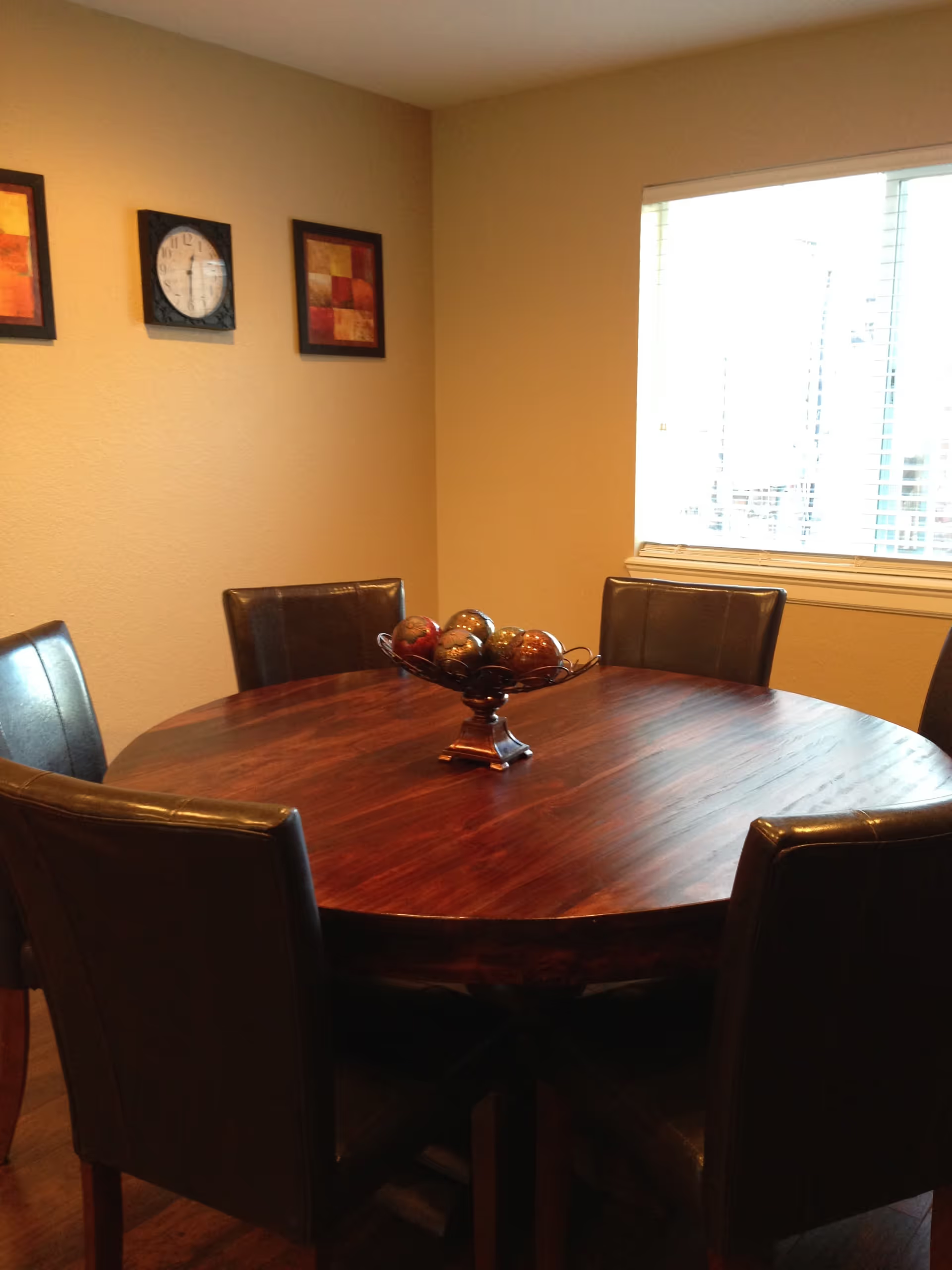
Dining: Meals are described as appetizing and adaptable for residents with limited intake, and the facility appears to accommodate special eating needs. The menu leans toward Asian cuisine, which some residents enjoy while others find less familiar. There are also remarks implying budget constraints that can limit menu variety for certain cultural preferences; families seeking a wider or more familiar menu may want to clarify meal options during a tour.
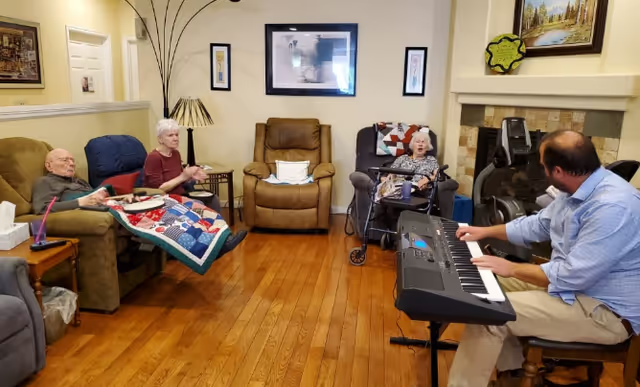
Activities and social life: The programmatic approach emphasizes engaging daily activities with time for rest, a small-group dynamic, and occasional outings that allow family participation. Reviewers value the home-like, energetic atmosphere and the consistency of caregivers, which supports participation for residents with dementia. At the same time, some reviewers describe programs as still being developed, and medication regimens for certain residents have limited individual participation in activities.
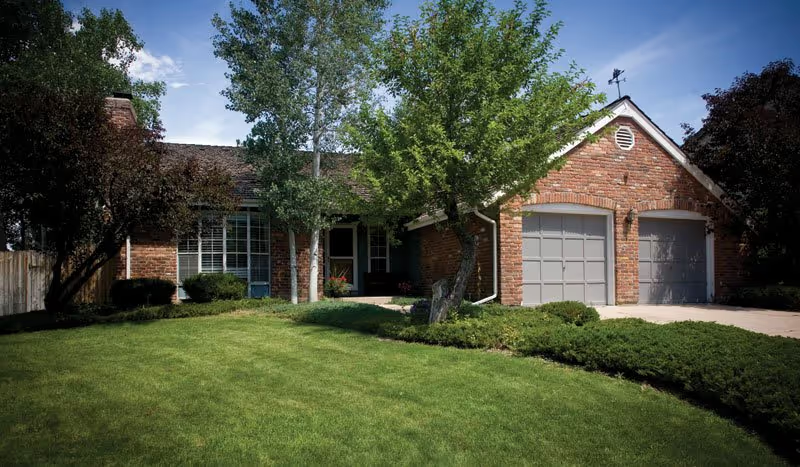
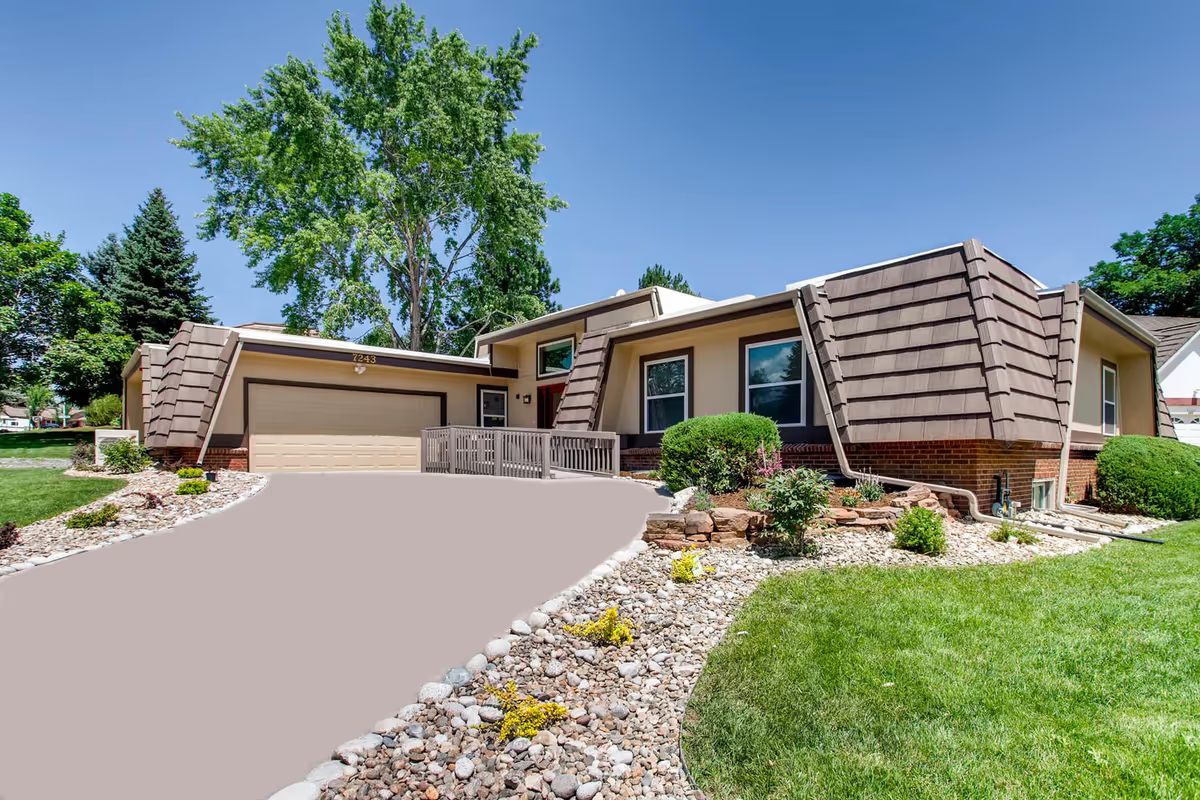
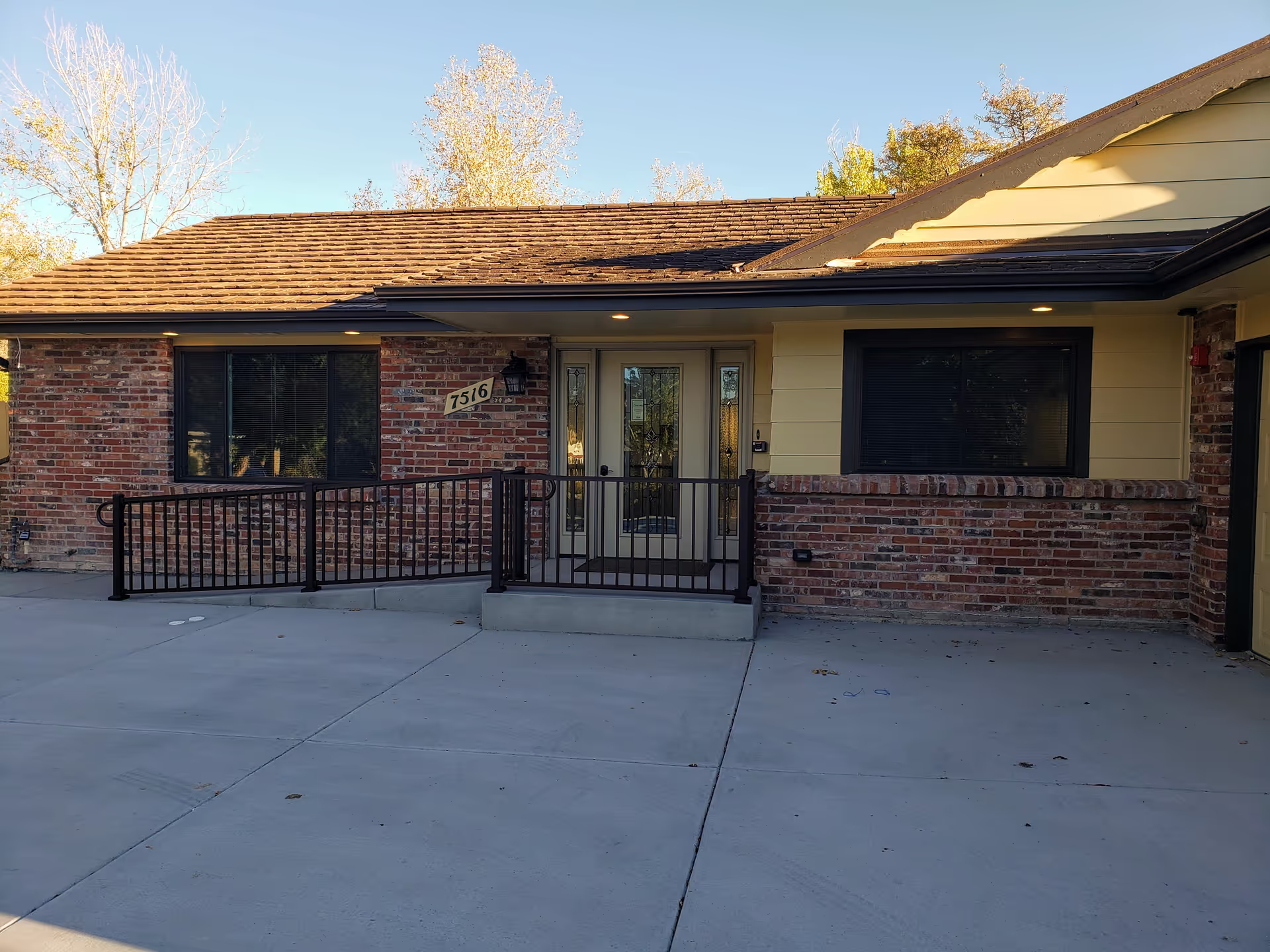
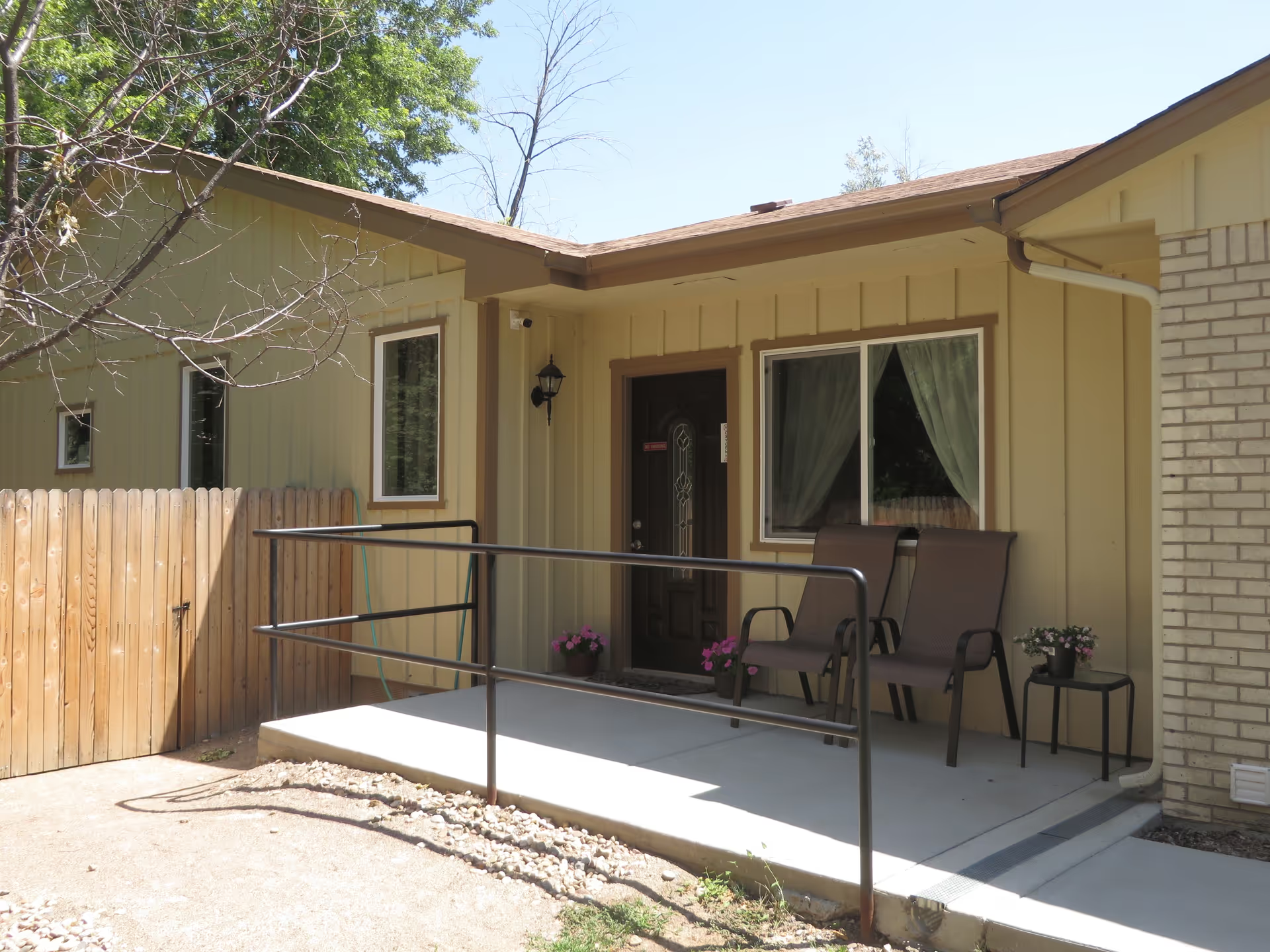
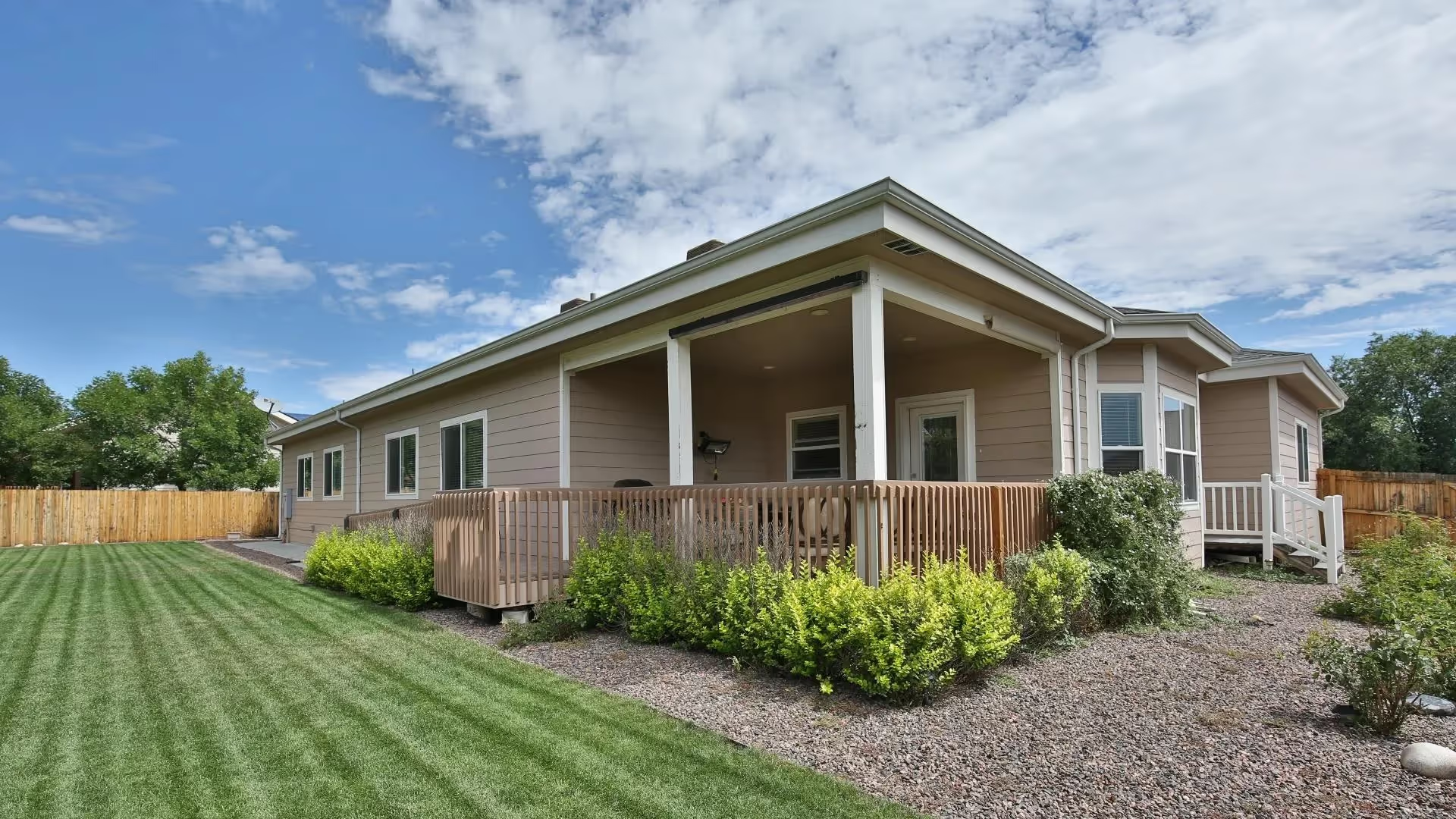
Facilities and services: The physical environment is described as clean, well-kept and welcoming, with useful amenities such as a sunroom, furnished deck, enclosed backyard, and a physical-therapy room. On-site medical visits (dentist and doctor) and hospice capability are noted as strengths. Operational weaknesses include limited bathroom functionality at times, absence of an on-site salon or personal-grooming service, and occasional noise in shared areas—items that reflect facility-level service and maintenance priorities to verify in person.
Management, pricing and patterns: Management is commonly praised for open communication, hands-on involvement, and an all-inclusive pricing model that some families find good value. Perceptions of affordability vary, however; while many families consider the facility competitively priced, at least one family characterized monthly rent as relatively high. Prospective families should request a full fee schedule and clarification of included services. Overall, the most consistent positive signal across feedback is the quality and consistency of staff-resident interactions; the most frequent operational issues to explore further are communication accommodations, specific maintenance items (bathroom functionality), meal-menu fit for cultural preferences, the absence of certain personal services (salon), and the maturity of activity programming.