The set of reviews shows a highly mixed picture: clinical rehabilitation services and many frontline staff receive frequent praise, while operational and management systems exhibit recurring weaknesses. Therapy services — particularly physical, occupational, and speech therapy — are consistently highlighted as a core strength: reviewers describe a well-equipped therapy gym, skilled therapists, and measurable functional improvements for many patients. Wound care and short-term rehab outcomes are also noted positively, and numerous families thanked specific staff members for compassionate, effective hands-on care.
At the same time, persistent staffing shortfalls and inconsistent nursing performance are central concerns. Many accounts describe long response times to call bells, delays in assistance with toileting and bathing, and uneven RN oversight. These operational gaps have been linked to safety issues such as falls, delayed clinical responses, and episodes requiring family advocacy. Frontline nursing assistants are frequently described as compassionate and hardworking, but review patterns indicate the facility struggles to provide consistent coverage and timely clinical attention across all shifts.
Dining and basic daily-care processes show variability. Some reviewers praised helpful dining staff and improvements to menus, while others described limited meal options, cold or low-quality meals, and inconsistent adherence to specialized diets (for example, diabetic meal plans). Laundry and supply management — missing clothing, shortages of basic supplies, and delayed linen exchanges — were noted as recurrent logistical problems affecting resident comfort and dignity.
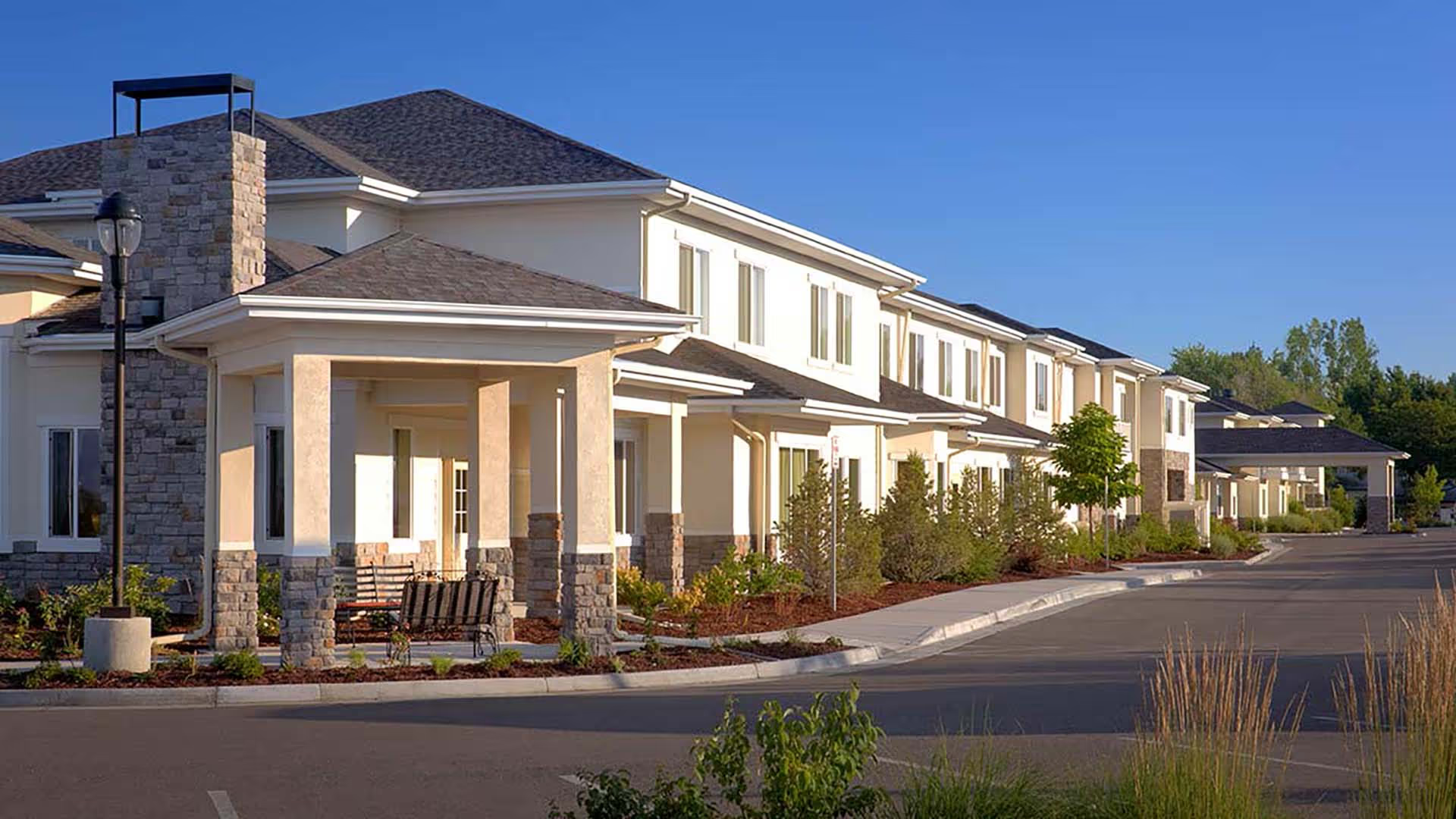
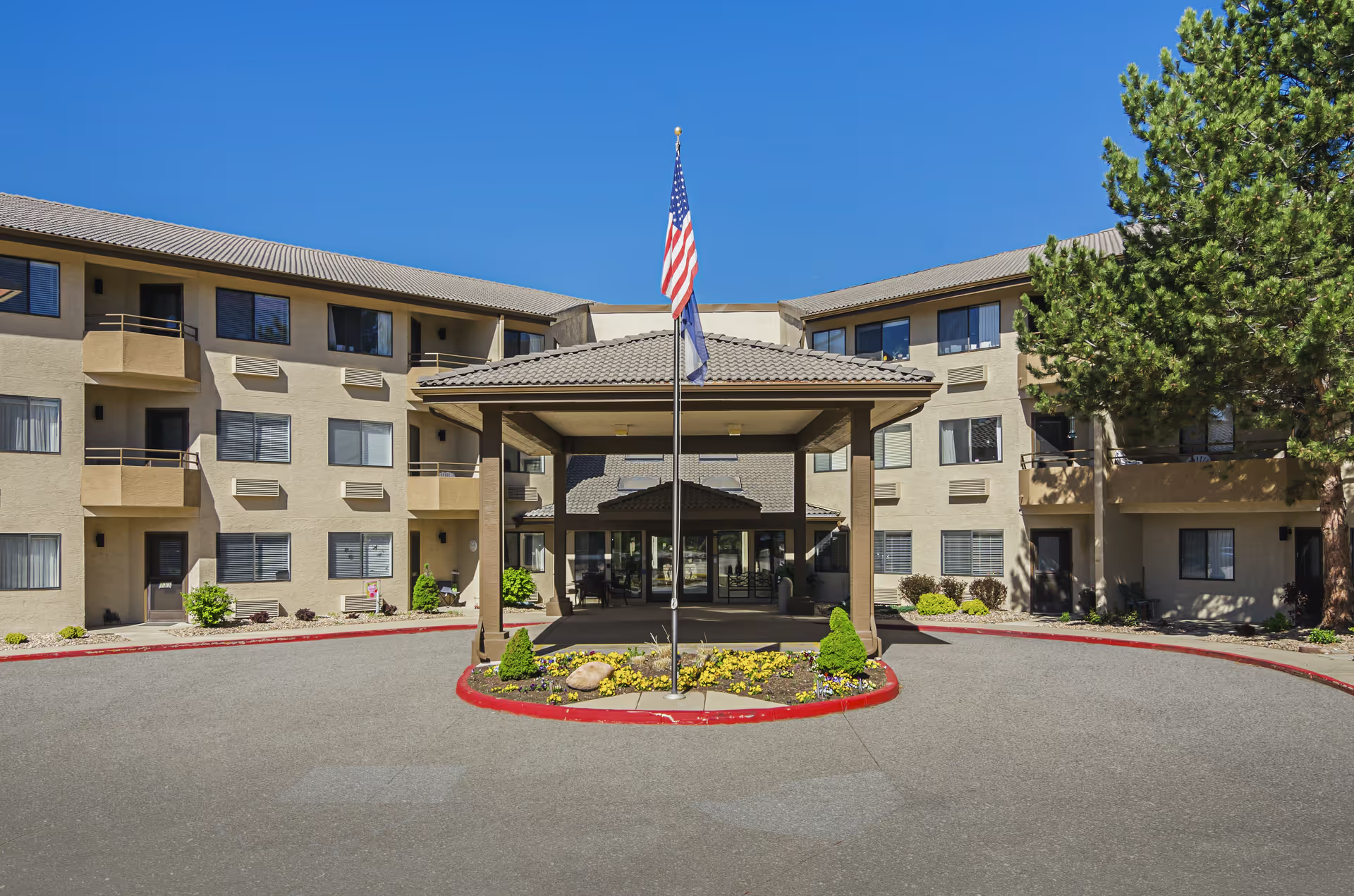
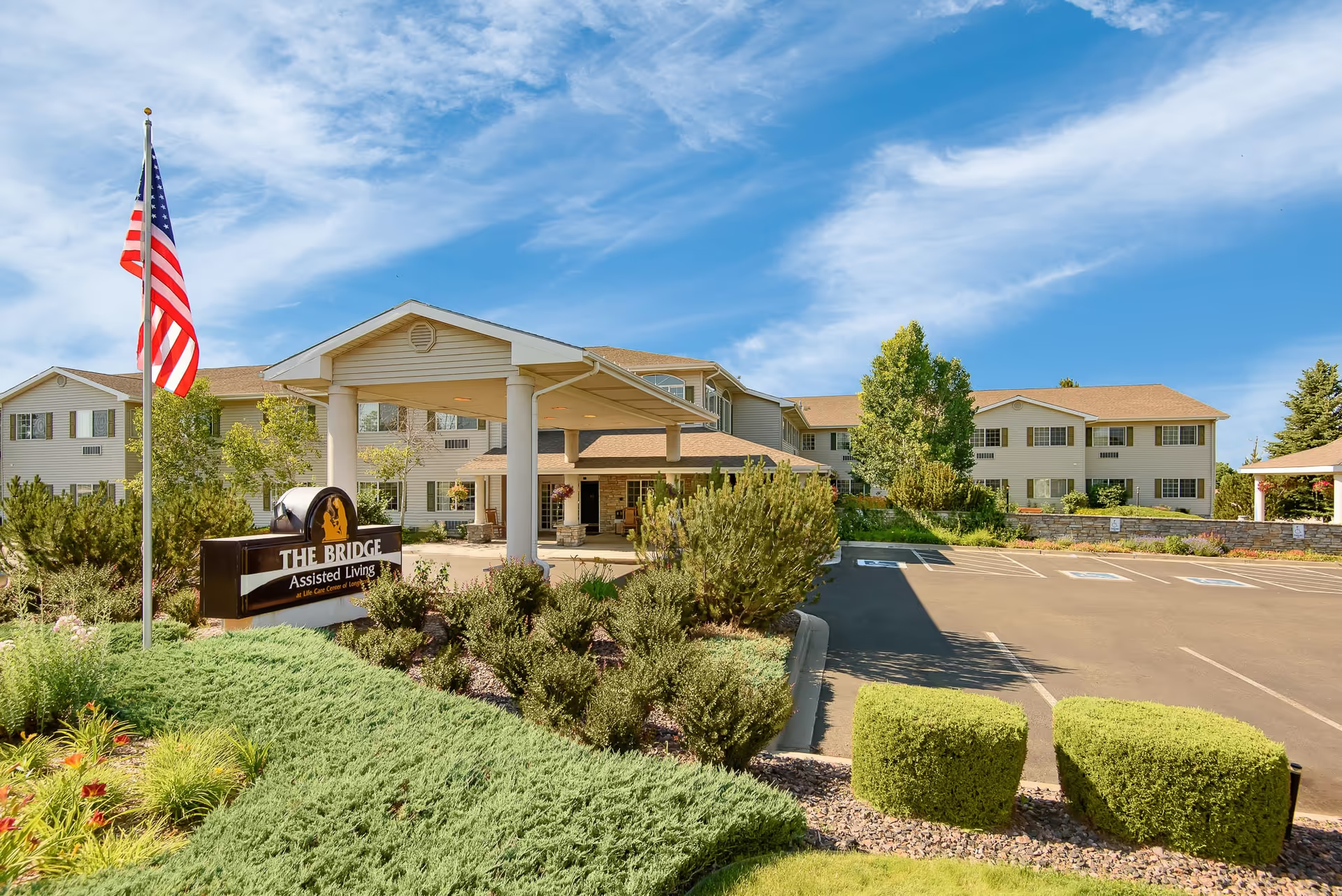
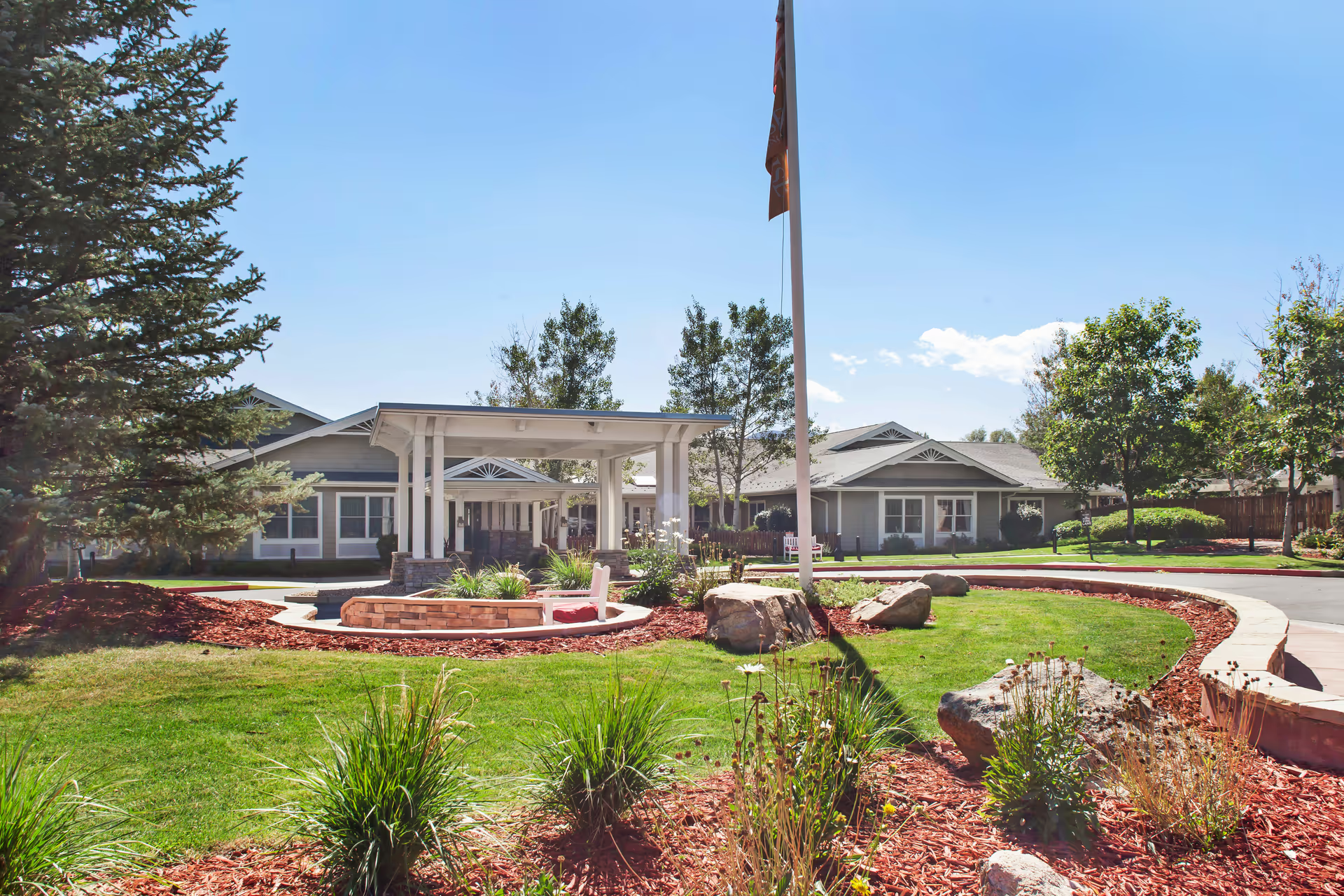
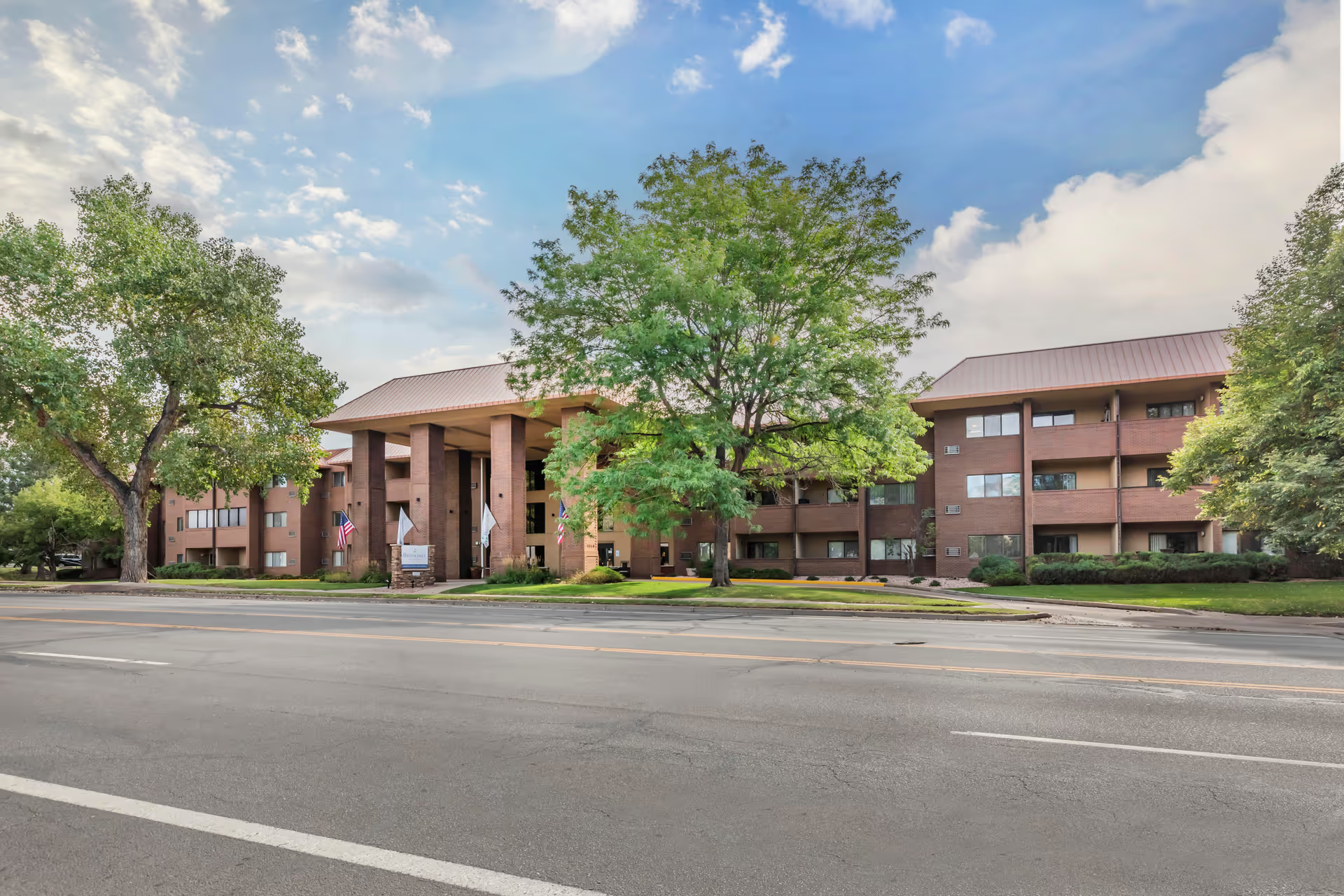
The physical plant and amenities generally receive positive comments: the building is new and clean, rooms are private and attractively furnished, common areas are hotel-like, and outdoor visitation spaces are available. These facility strengths pair well with the strong rehabilitation focus and contribute to positive short-term stays when clinical staffing and coordination function properly.
Management and administrative areas show uneven performance. Several reviews cite problematic discharge planning, including failures to arrange necessary home equipment or coordinate home health services before discharge. Billing, insurance coordination, and responsiveness to family inquiries are also areas of frequent complaint. There are reports of leadership turnover and coordination breakdowns that appear to amplify communication failures between clinical teams, administration, and families. A small number of reviews include serious allegations involving billing irregularities and other individual incidents; those items were described as outliers but raise concerns that families should verify during admission and discharge planning.
Notable patterns for prospective residents and families: the facility can deliver strong, recovery-oriented therapy and has many caring frontline staff, making it a reasonable option for short-term rehabilitation when therapy is the primary goal. However, consistent supervision and active family advocacy are commonly required to ensure timely personal care, safe transfers, accurate medication administration, complete discharge planning, and appropriate meal management. For long-term placement or for residents requiring intensive nursing oversight, the recurring operational weaknesses described suggest evaluating staffing levels, fall-prevention protocols, medication processes, and discharge/billing procedures before deciding. If you consider this facility, ask specific questions about nurse-to-resident ratios, call-bell response times, plan-of-care documentation, diet-management procedures, and discharge equipment coordination, and request written commitments where possible.