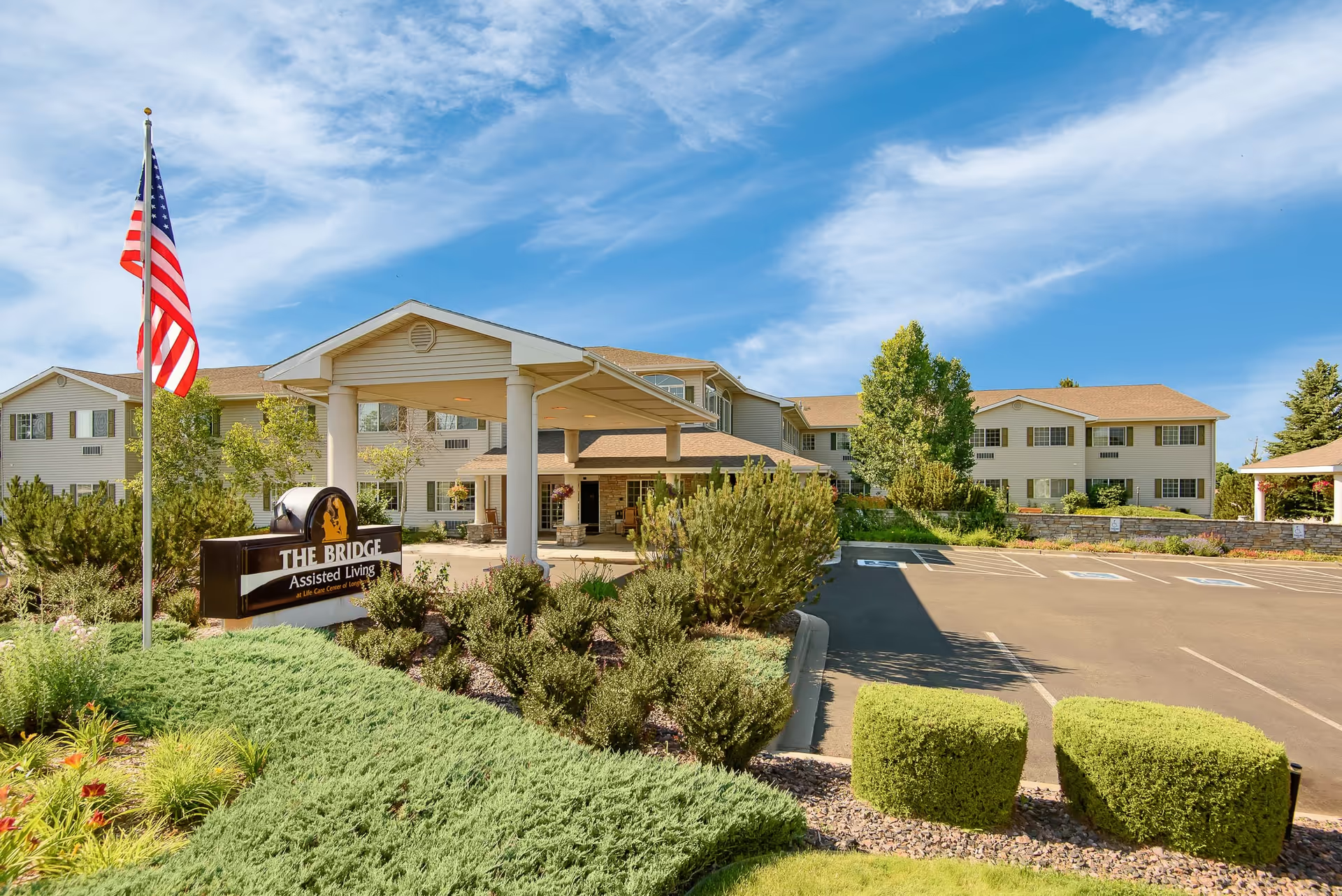
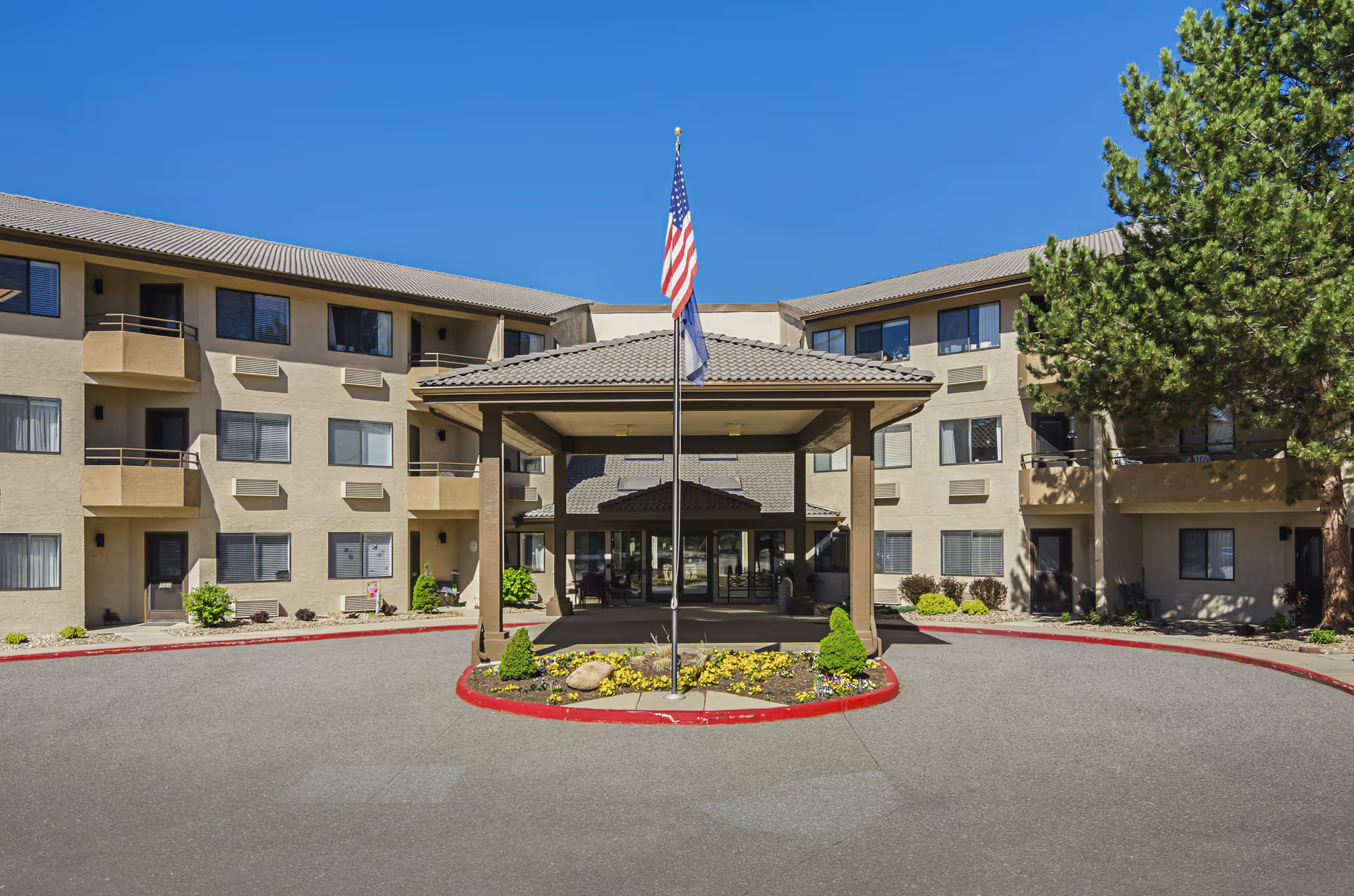
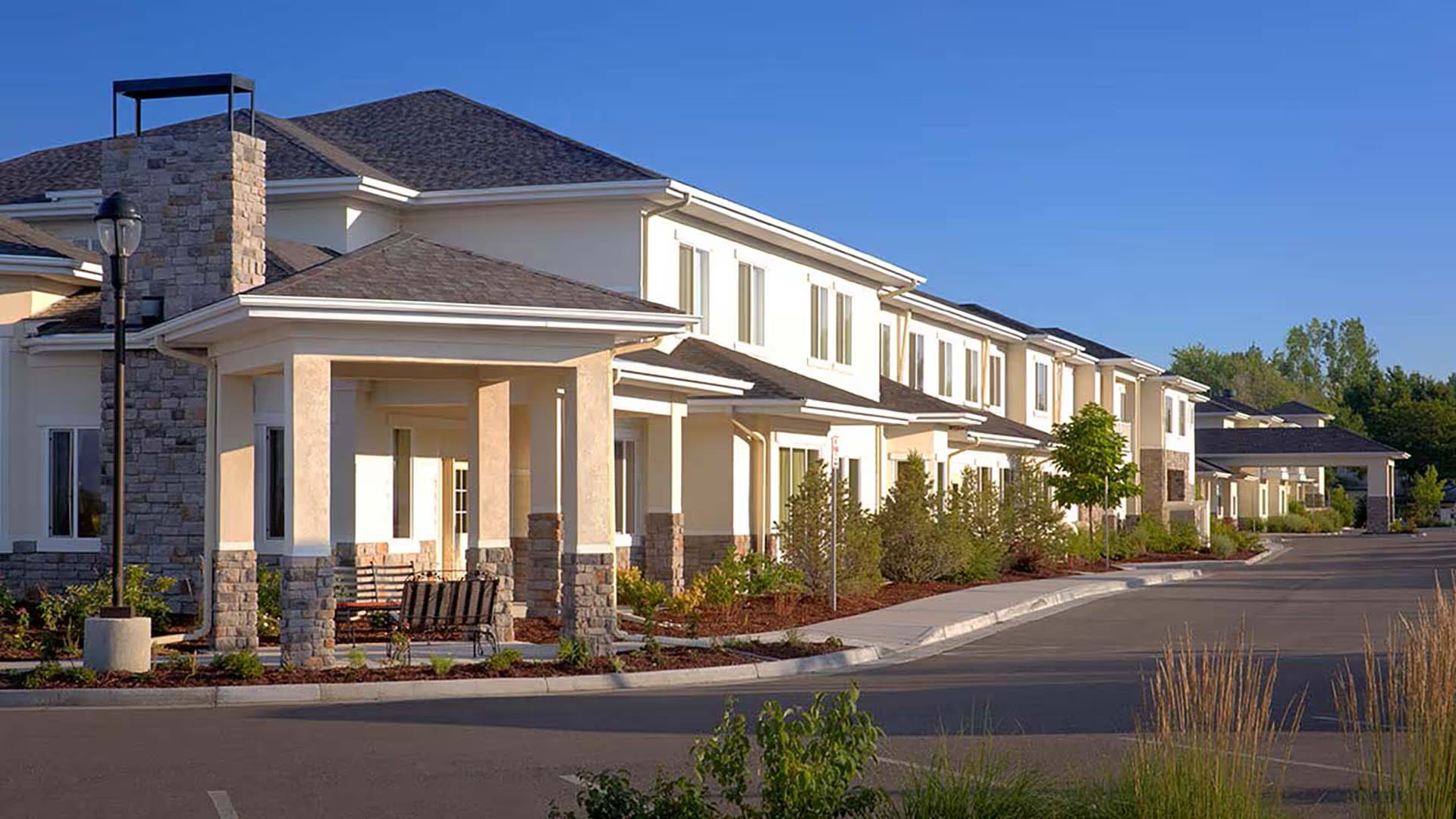
Life Care Center of Longmont presents a broadly mixed profile: many families and patients describe strong clinical rehabilitation outcomes, a caring front-line staff, and a well-equipped therapy program, while other accounts identify recurring operational weaknesses that affect resident experience. The facility's rehabilitation services (physical therapy, occupational therapy, speech therapy) are a clear strength; reviewers consistently cite skilled therapists, individualized progress-tracking, advanced gait-training equipment, and frequent therapy sessions that supported discharge home. Case managers and medical staff are frequently credited with coordinating home supports, arranging physician rounding, and helping with insurance and discharge planning.
Staffing and day-to-day care show marked variability. Numerous reviews praise compassionate nurses and CNAs, long-tenured employees, good teamwork, and quick responses to needs. At the same time, a pattern of inconsistent staffing levels, shift-to-shift variability, and signs of burnout were described; these operational constraints are linked to delayed responses to call lights, missed or delayed personal care tasks, and uneven attention on some units. Reviewer accounts also raise concerns about medication-administration controls and monitoring, along with variability in wound assessment and incontinence-care scheduling. These clinical-process gaps appear intermittent but consequential when they occur.
Dining and activities are frequently noted as positive contributors to resident quality of life. Many families mention nutritious meals, accommodating options (including vegetarian choices), active recreation schedules, pet therapy, music, crafts, and a welcoming social atmosphere. However, several accounts highlight inconsistent dining support for residents with cognitive impairment and limited appetite, and a few reviewers noted that dining staff interactions could be improved for these residents.
Facility condition and safety are generally praised for cleanliness, modern common areas, private rooms on the rehab floor, and prompt housekeeping in many areas. Conversely, some reviews describe environmental maintenance and safety concerns — for example, unsecured cords or floor hazards and isolated sanitation or pest-control issues in particular locations. Infection-control was praised in some cases but also critiqued following outbreak events, indicating inconsistent performance in this area.
Management and communication are another source of mixed impressions. Positive experiences include effective admissions, helpful front-desk interactions, supportive social work, clear therapy coordination, and instances of management quickly addressing staff problems. Negative patterns include lapses in family communication about clinical changes or discharge, unmet promises, frustration with complaint handling, and operational disruptions tied to staffing or policy changes. A small number of serious allegations prompted escalation by families; these accentuate the perception of variability rather than defining the whole program.
Overall, Life Care Center of Longmont appears to provide high-quality rehabilitative care and many examples of compassionate, attentive staff. Prospective residents and families should weigh the facility's strong therapy services, case-management capabilities, and activity programming against the documented variability in staffing, safety oversight, medication and wound-care practices, and family communication. A recommended approach for families considering this facility is to ask specific questions about unit staffing ratios, wound- and medication-monitoring protocols, incontinence-care schedules, infection-control procedures, and complaint-resolution processes — and to request to speak with therapy and nursing leadership about individualized care plans before admission.