Reviews describe a facility with notable strengths in rehabilitative care and many individually compassionate staff members, alongside recurring operational inconsistencies. The rehabilitation program (PT/OT/ST) receives consistent praise for professional clinicians, varied daily programming, measurable mobility improvements, and motivating therapists. Many families attributed successful recoveries, increased independence, and removal of temporary supports to the therapy team. Nursing and CNA staff are often described as caring and attentive; multiple accounts highlight staff who personalize care, facilitate virtual visits, and support families through end-of-life situations.
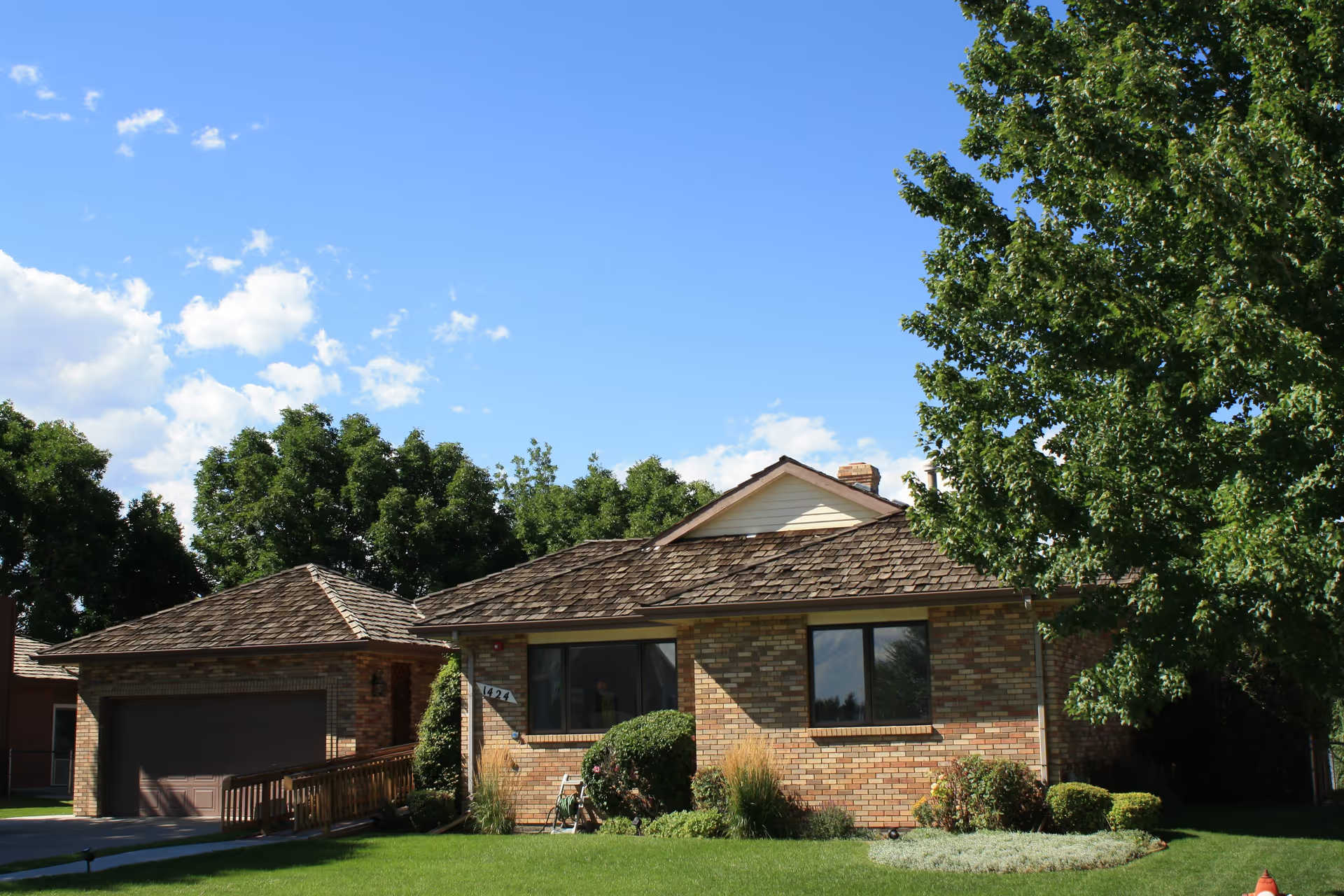
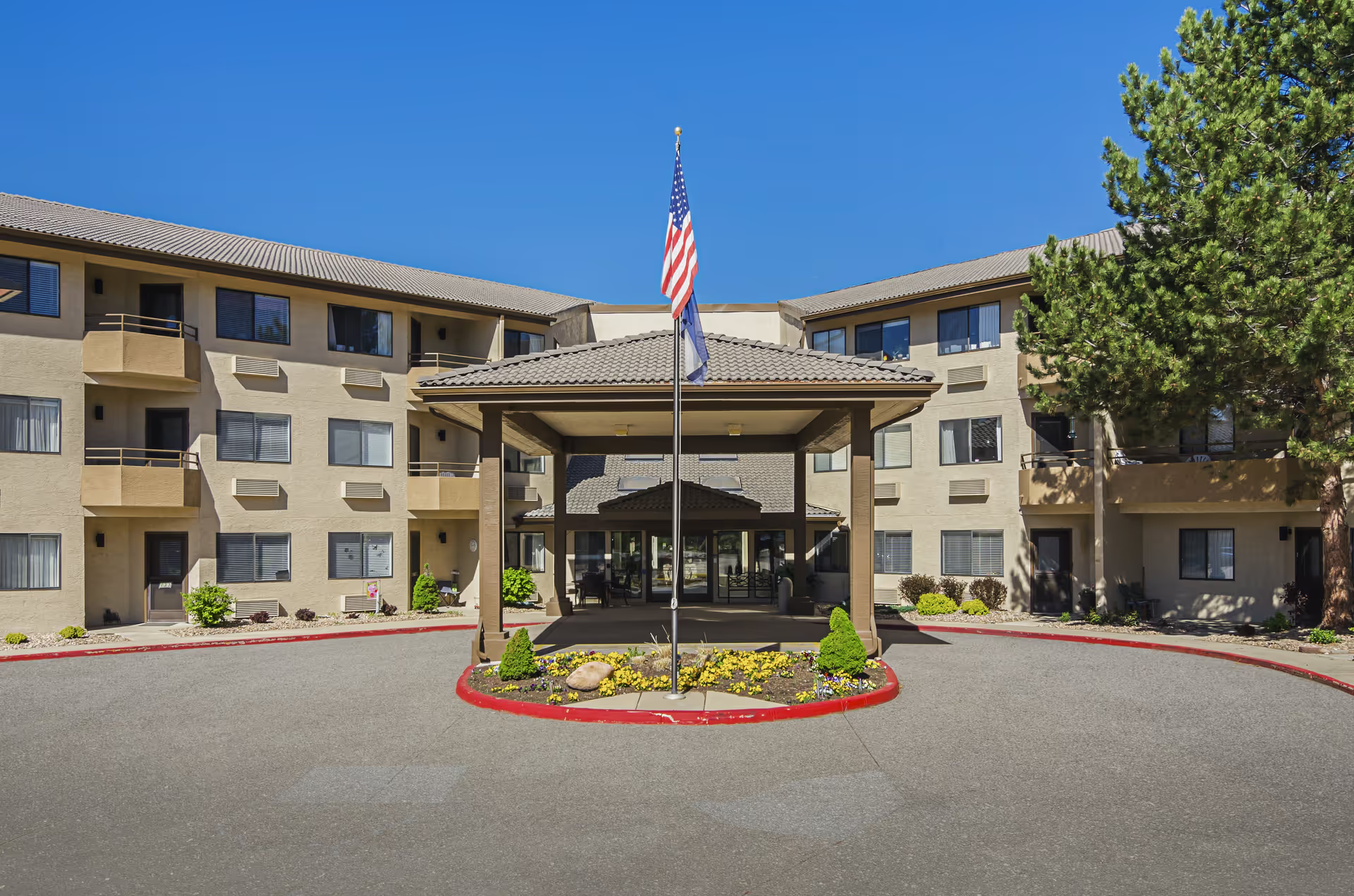
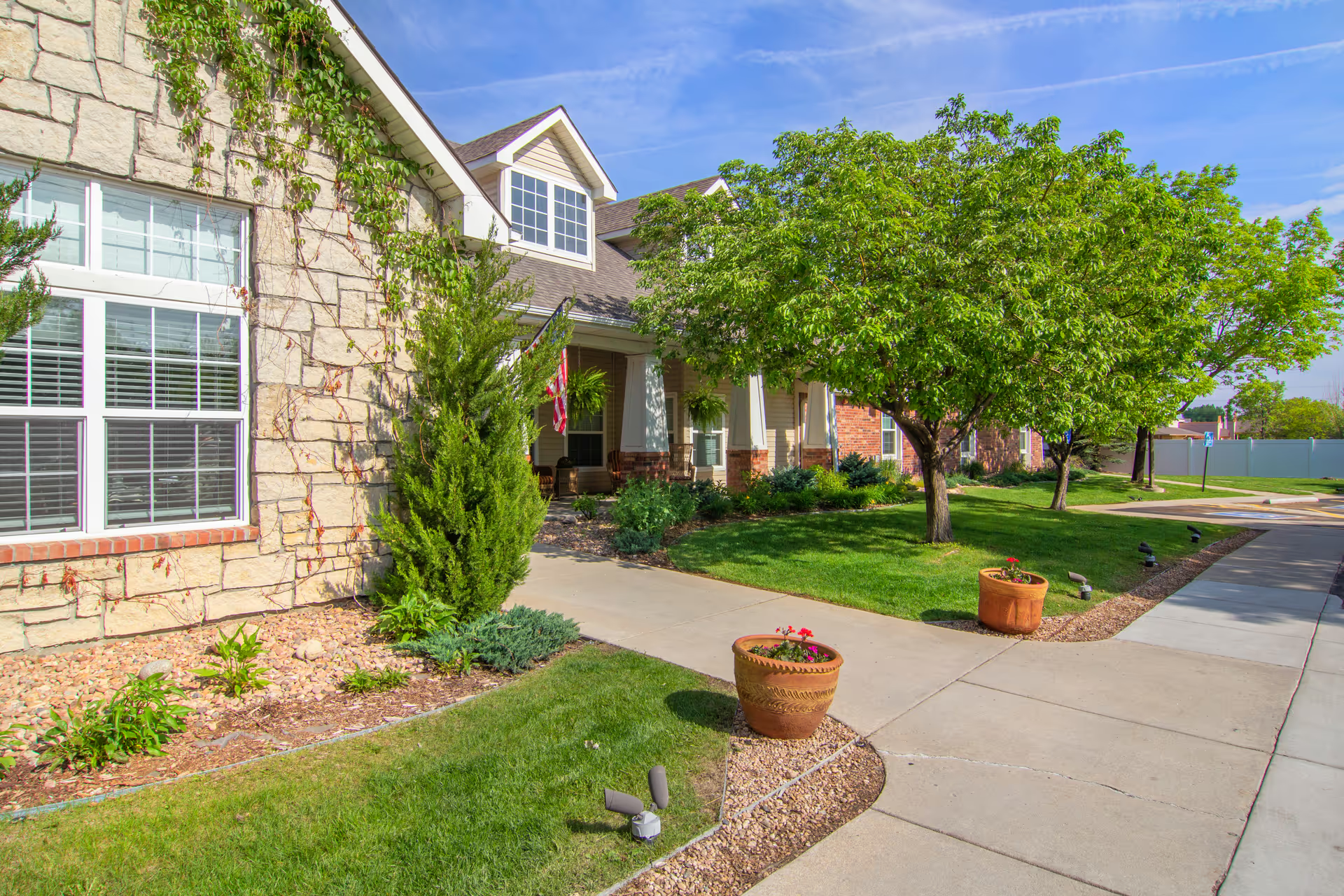
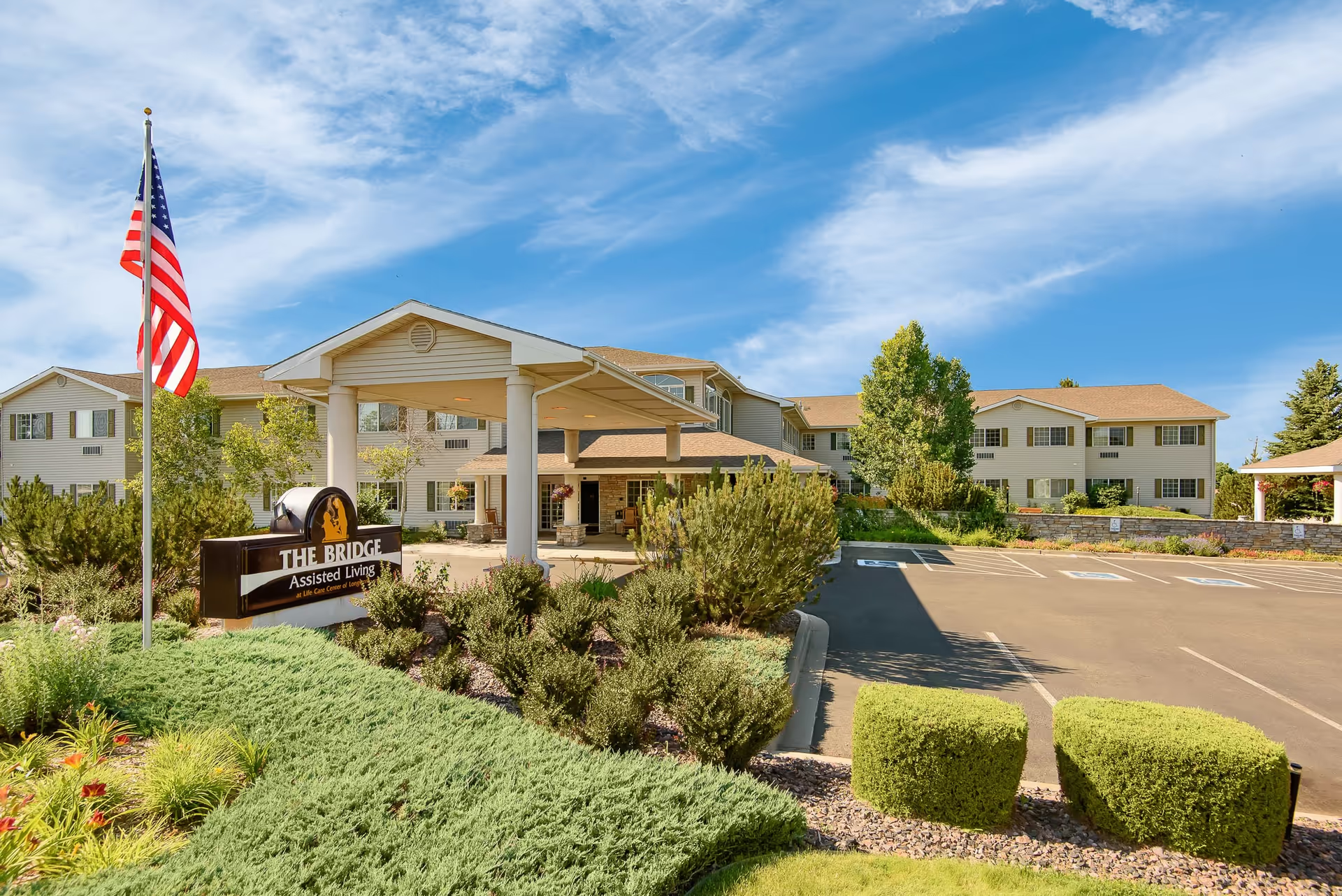
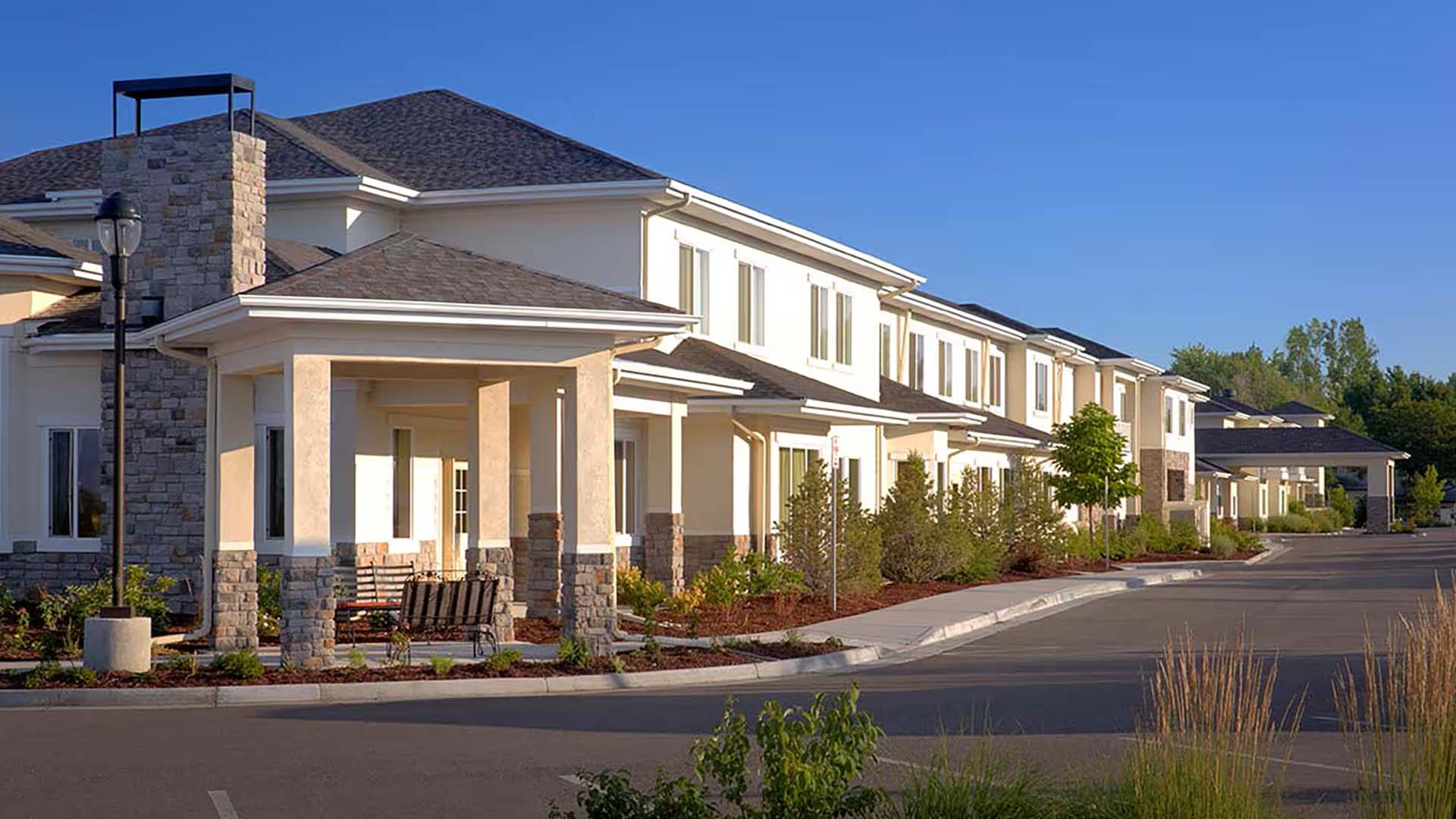
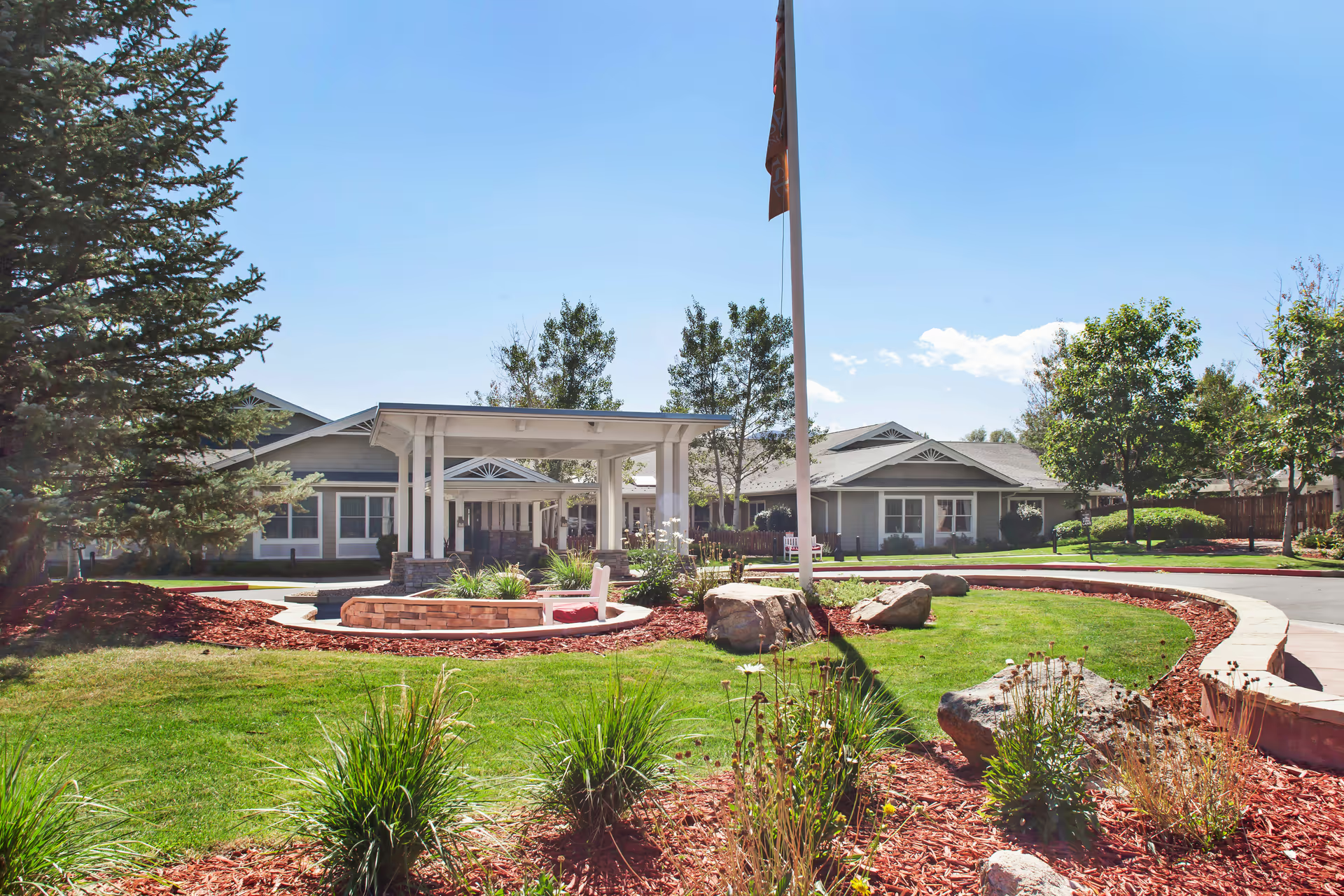
At the facility level, the built environment and amenities draw positive comments: bright, wide therapy halls, well-designed rooms with large bathrooms, and generally clean, well-maintained common areas. Activity programming, social outings, and opportunities for family involvement were also noted as strengths that contribute to a welcoming, community-oriented atmosphere. Administrative items such as Medicaid acceptance, on-site/visiting clinicians, and occasional extra accommodations for family presence were helpful to many families.
However, reviews reveal important areas of operational variability. A recurrent theme is inconsistent responsiveness across shifts and weekends, including unanswered call lights, delays in assistance, and uneven coverage. Medication-management problems — delayed doses, disagreements about pain regimens, and inconsistent application of clinical orders — appear frequently enough to be a pattern of concern. Family communication and cross-discipline coordination are also uneven: some families experienced clear, supportive updates while others described difficulty reaching staff or conflicting information from different employees.
Ancillary services show mixed performance. Food quality and meal-service continuity range from highly praised to a common concern; transportation/van availability was noted as limited. Housekeeping and sanitation practices were described positively by many but raised concerns in specific accounts, suggesting inconsistent standards by unit or shift. Administrative processes present another important pattern: there are reports concerning handling of personal belongings and post-discharge or postmortem procedures that point to gaps in property-management and billing workflows. Separately, some reviewers described pressures around review solicitation, which may reflect uneven management practices.
Overall, the facility demonstrates strong clinical rehabilitation capacity and numerous staff who provide compassionate, individualized care. Prospective residents and families should weigh those strengths against operational variability in responsiveness, medication administration, housekeeping, and administrative processes. When evaluating the facility, consider specific questions about weekend staffing, medication protocols, discharge/property-handling procedures, and how the team will communicate with family during the stay to ensure expectations align with the unit and shift that will provide care.