Overall impression: Reviews present a mixed but informative picture. Many accounts emphasize strong caregiving and an active social environment, while others point to operational and facility-appearance inconsistencies. Prospective residents and families will find evidence of engaged staff and meaningful programming, but should also verify specific operational details during a visit.
Care and staff: Staffing quality is a clear strength in many accounts. Caregivers, CNAs, and nursing staff are frequently described as kind, helpful, and responsive, with multiple references to prompt attention and regular updates to families. Staff responsiveness is reinforced by safety features such as call buttons throughout the building. At the same time, some reviews indicate delays in responding to mobility needs; this suggests variability in response times that families should inquire about during a tour or intake discussion.
Dining and nutrition: The community offers monitored diets and the ability to receive meals in a common dining room or in apartments, and several comments praise the food as well-prepared and tailored to resident needs. However, the dining model is characterized by cafeteria-style service with limited dining times, and there are noted gaps in communication between kitchen staff/management and residents or families about dietary preferences or changes. Those with specific nutritional requirements should confirm meal schedules, customization options, and how dietary changes are communicated and documented.
Activities and social life: Activity programming is a marked positive. The facility hosts a range of offerings — exercise classes (including pilates and physical therapy), library and games areas, gardening spaces, and social events — and reviewers frequently highlight an active social calendar and an engaged activities lead. The pet-friendly policy and outdoor grounds add to opportunities for resident engagement. There are occasional comments about restricted activity scheduling or limited program flexibility, so prospective residents may want to review the weekly calendar and options for individualized engagement.
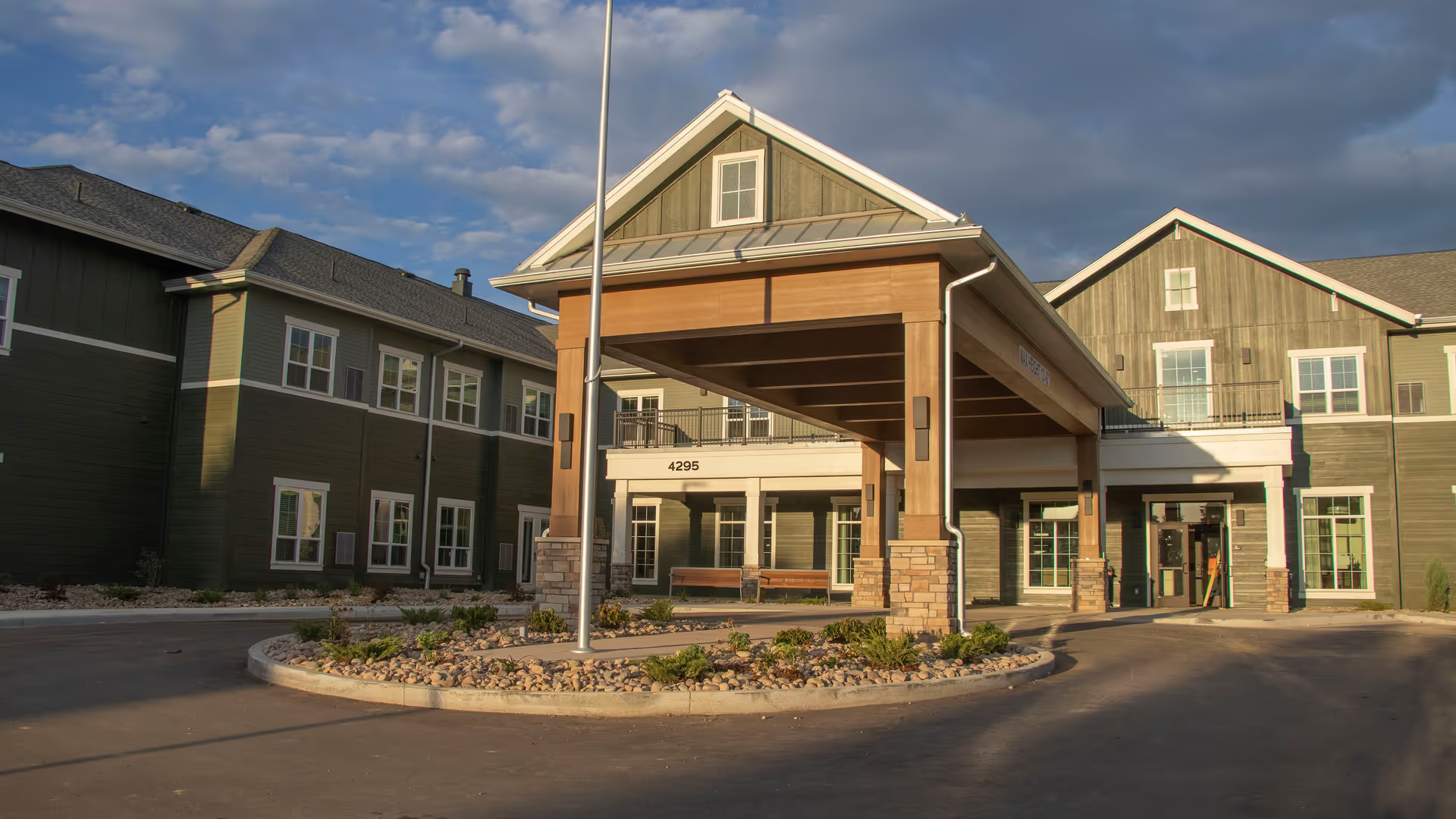
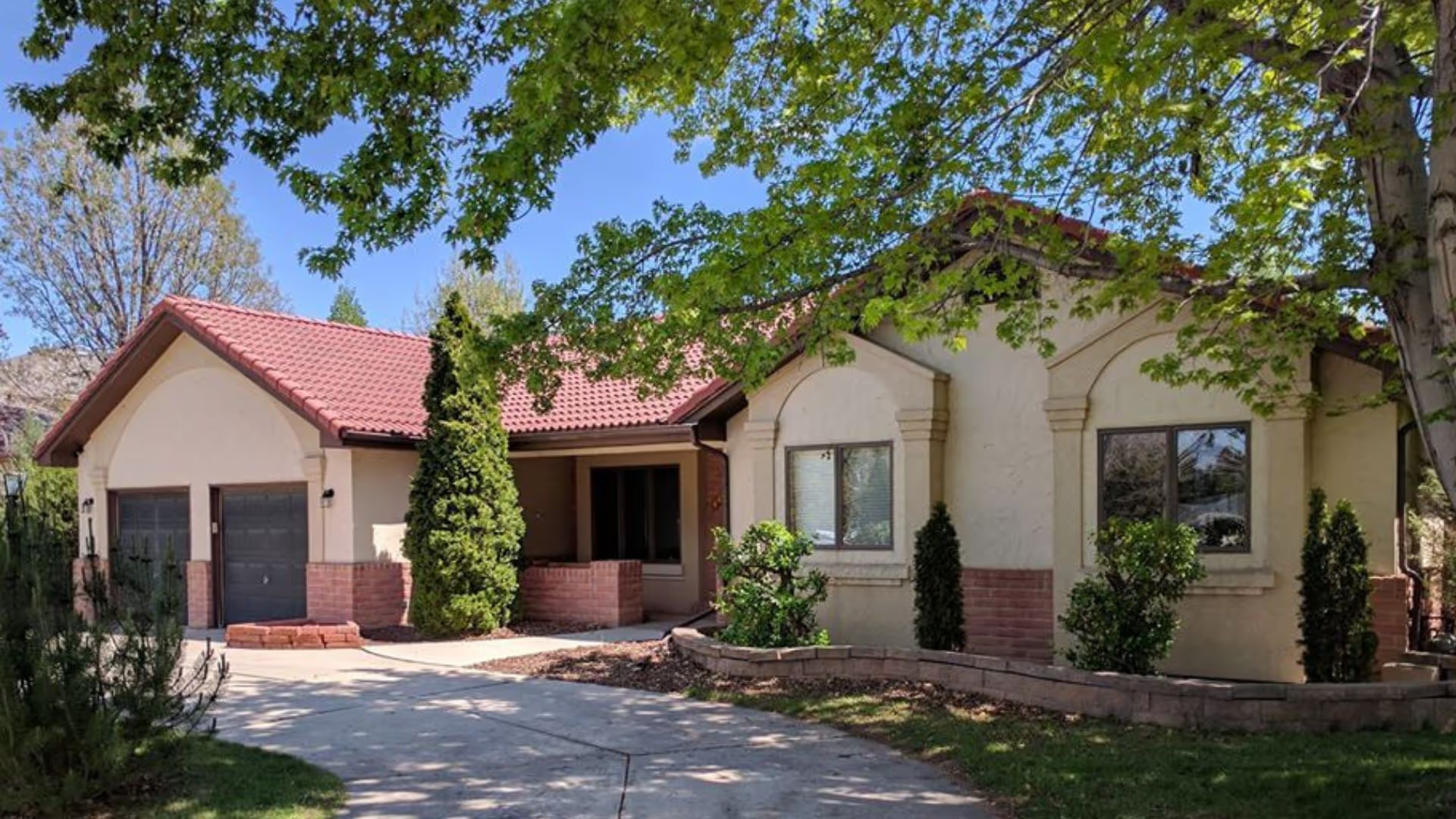
Facilities and maintenance: Accounts vary on physical condition. Several reviewers describe clean, modern areas and well-maintained grounds, while others describe drab decor, worn carpeting, or general maintenance shortcomings. The community layout (multiple connected buildings) and the availability of private apartment units are features to note, but maintenance and appearance appear inconsistent across buildings or units. Families should inspect specific apartment units and common areas to assess maintenance standards and ask about planned upgrades or cleaning protocols.
Management and operations: Administrative strengths include a personable management presence and staff who facilitate transportation, shopping trips, and on-site services like a beauty shop. Areas of operational concern include inconsistent transportation availability, administrative and billing-process issues (including at least one noted billing dispute), and pressure reported around resident relocations within the community. These point to variability in administrative consistency and communication. Prospective residents should request written explanations of billing practices, transportation schedules, relocation policies, and avenues for escalation or dispute resolution.
Notable patterns and recommendations: The dominant themes are strong interpersonal care and an active program of services, coupled with variability in facility upkeep and administrative consistency. Before making a placement decision, families should (1) tour the specific unit and common areas they would occupy, (2) review meal-service schedules and dietary communication protocols, (3) ask about typical response times for mobility assistance and call-button use, (4) obtain clear written billing and relocation policies, and (5) verify transportation availability for medical appointments and shopping. Doing so will help align expectations with the facility’s strengths and identify any operational limitations relevant to the prospective resident’s needs.