Overall impression: The Valley Rehabilitation and Healthcare Center is frequently described as a warm, clean, and therapy-oriented short- and long-term care setting. Many visitors and family members emphasize the facility’s strong rehabilitation services, attentive day staff, and a generally welcoming atmosphere during admissions and visits. Common positive themes include individualized attention from nurses and CNAs, a calming dementia unit, frequent social activities, and a well‑kept physical environment with pleasant dining spaces and views.
Care and clinical services: Clinical care is often characterized as attentive and individualized. Reviewers highlight effective PT/OT programming and successful post‑surgical rehab outcomes that restored mobility for several residents. Nursing and aide staff are repeatedly called compassionate and diligent, with specific praise for staff members who provide consistent hands‑on assistance. However, several reviewers described medication-administration issues and instances where staff lacked clarity about a resident’s medication regimen. These descriptions suggest the facility may have inconsistent medication-management processes that warrant administrative review and tighter clinical oversight.
Staffing, training, and communication: The staff culture is generally cited as friendly and helpful, with many families noting warm reception at arrival and supportive interactions during transitions. At the same time, reviews indicate variability in staff preparedness and responsiveness: some families experienced delays or unhelpful attitudes around routine needs and room changes. Communication and tone are areas of concern for a subset of families; a few reviewers raised more serious allegations of discriminatory or disrespectful conduct. Taken together, the pattern suggests that while many staff deliver strong interpersonal care, staff training and supervision could be more consistent to reduce variability in resident and family experience.
Dining, activities, and amenities: Activity programming appears robust, with regular daily activities, social engagement, and therapy-animal visits contributing to resident satisfaction. Dining impressions are mixed: several reviews praise servers and the dining environment, while a smaller number describe food as unappetizing or inconsistent in quality. Non-clinical amenities are generally fine — rooms, common areas, and cleanliness receive positive mention — but there are isolated comments about maintenance responsiveness (for example, unresolved minor amenity issues) that point to opportunities for operational improvement.
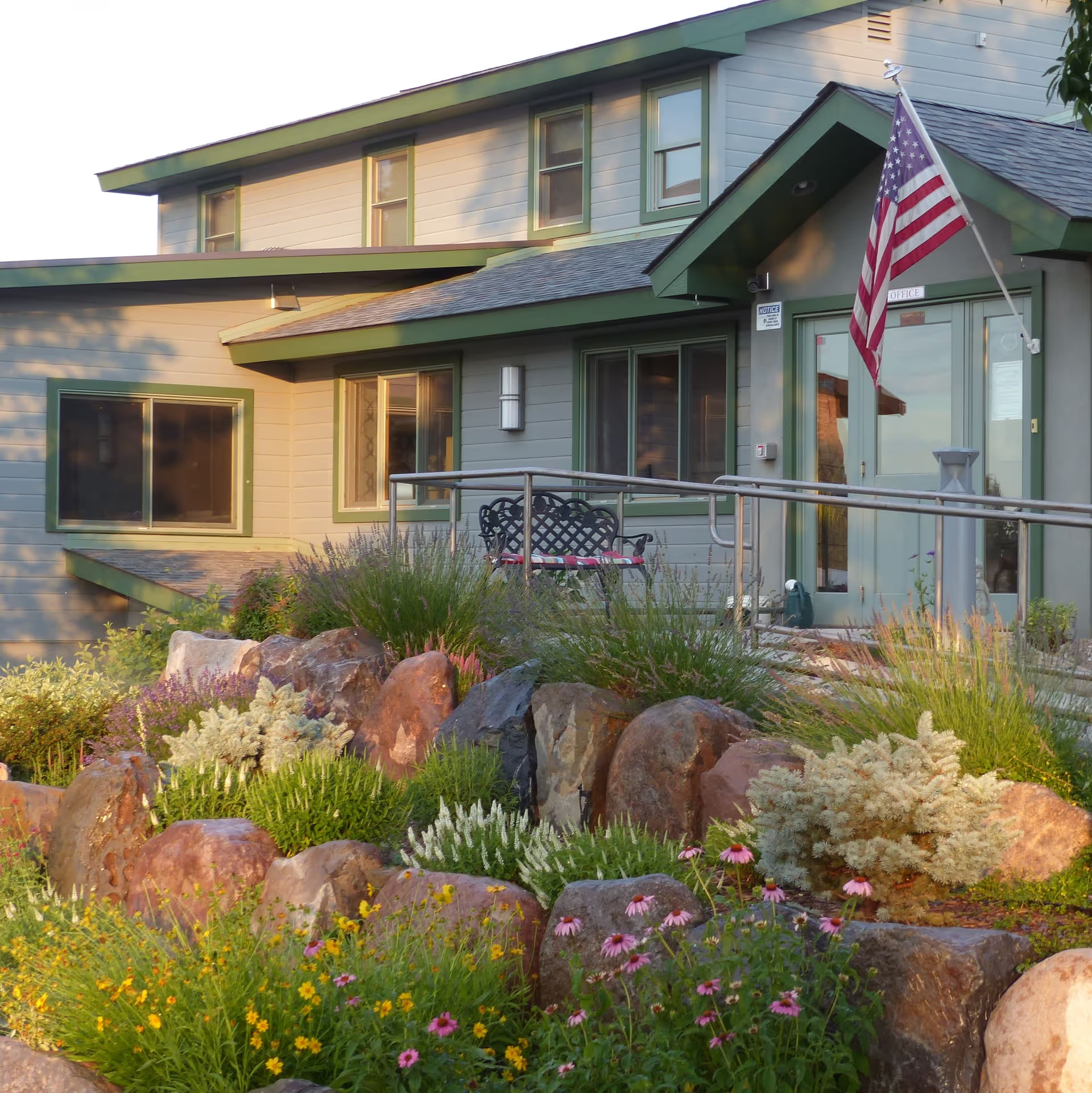
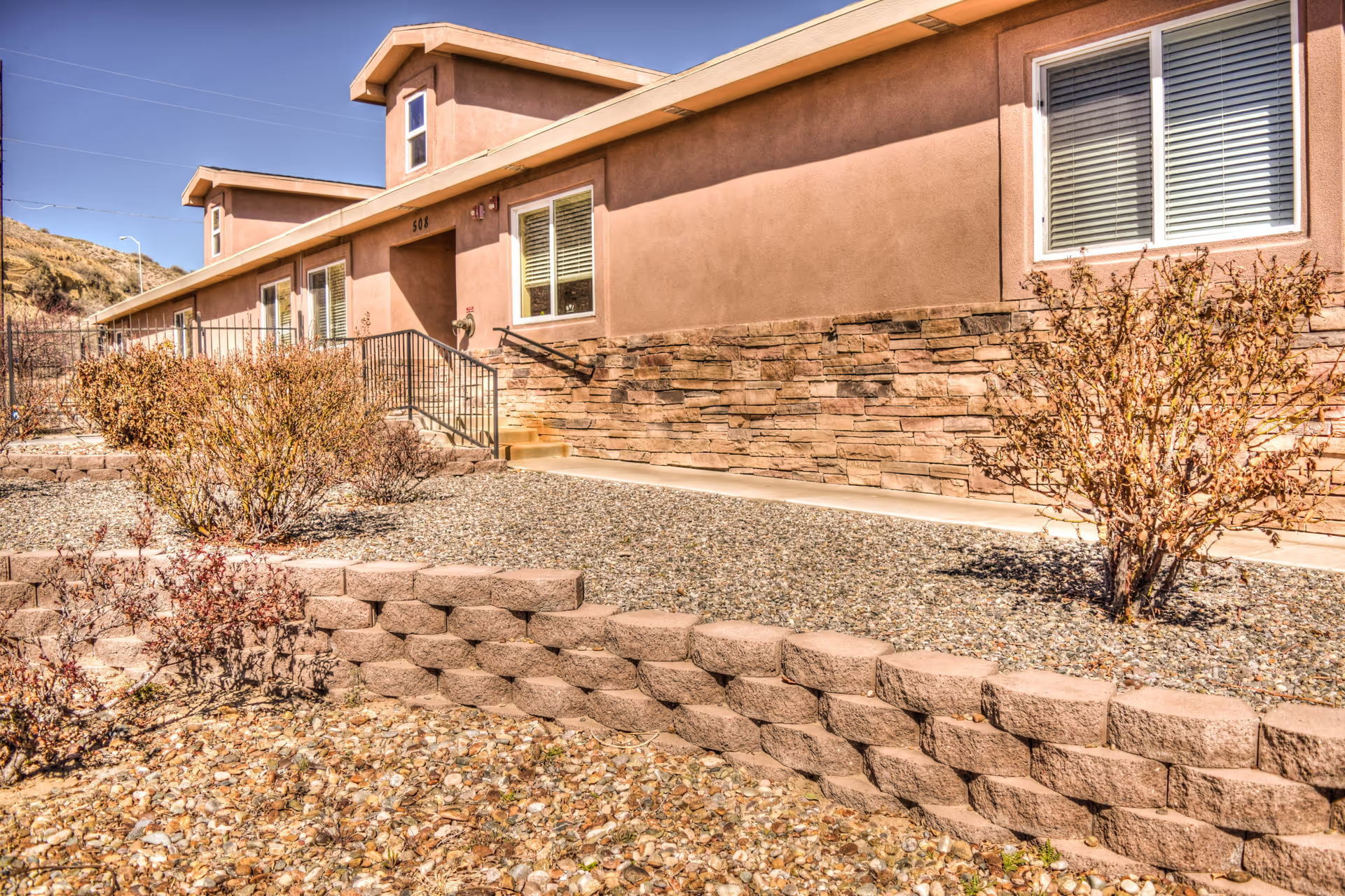
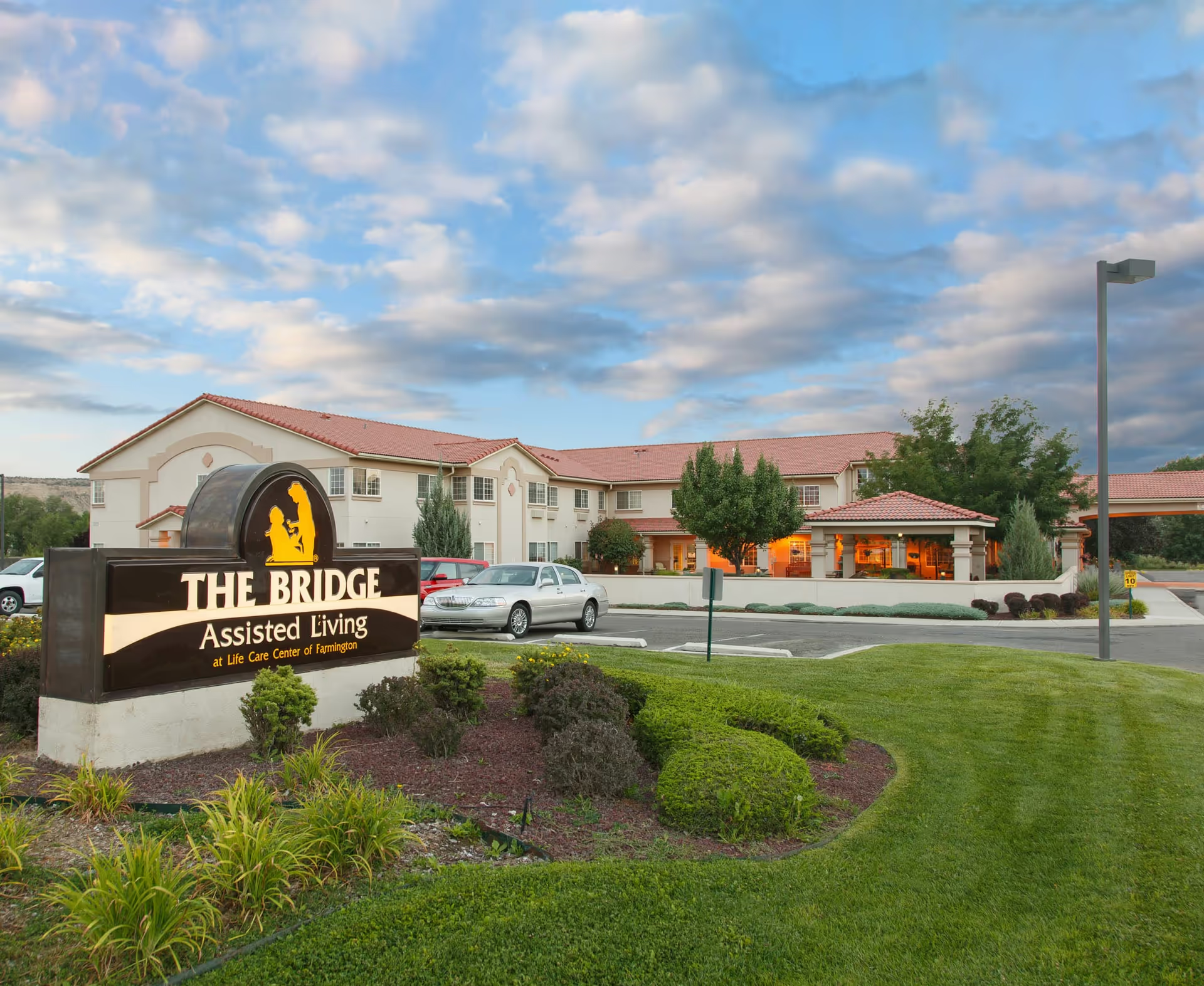
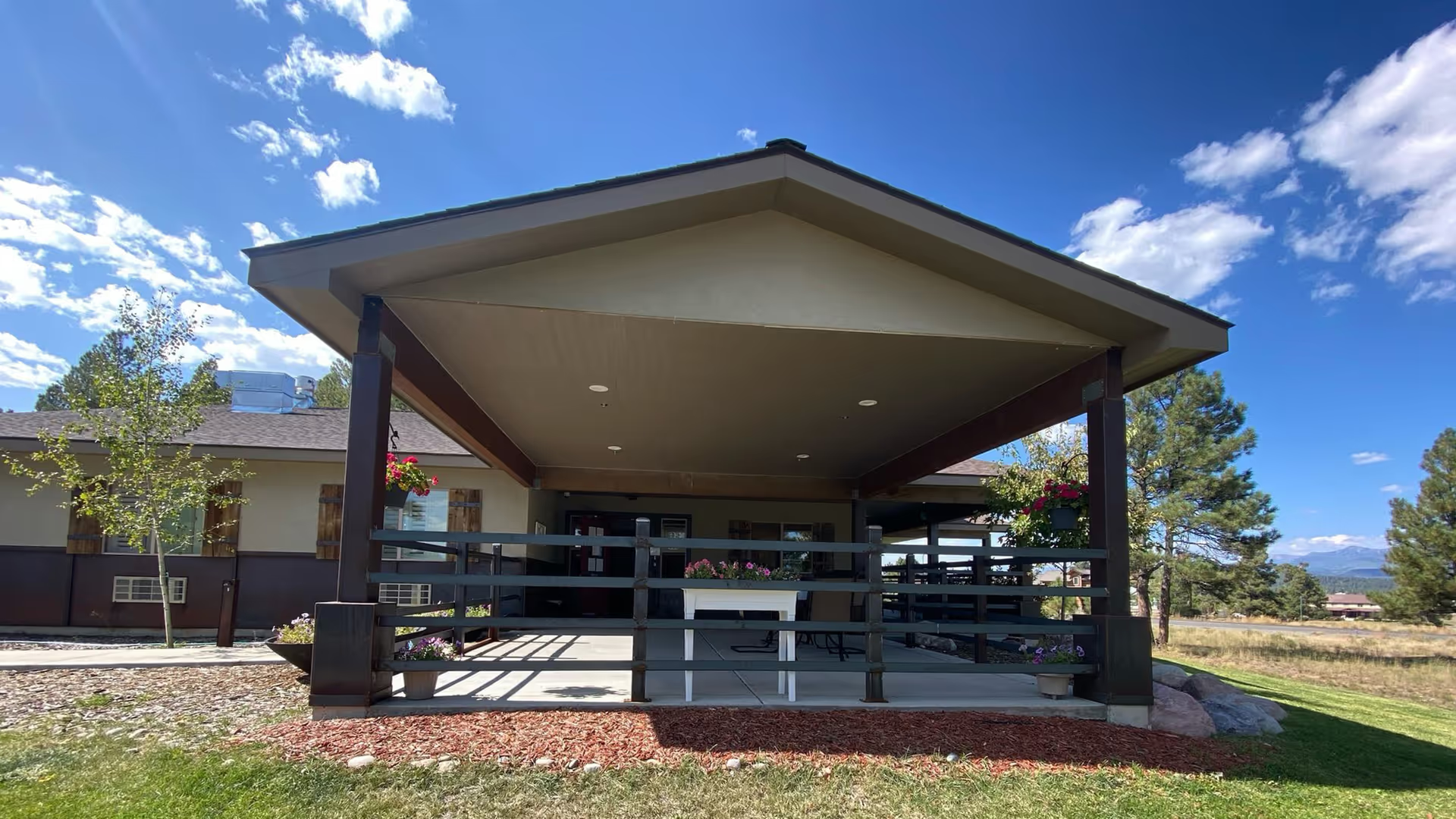
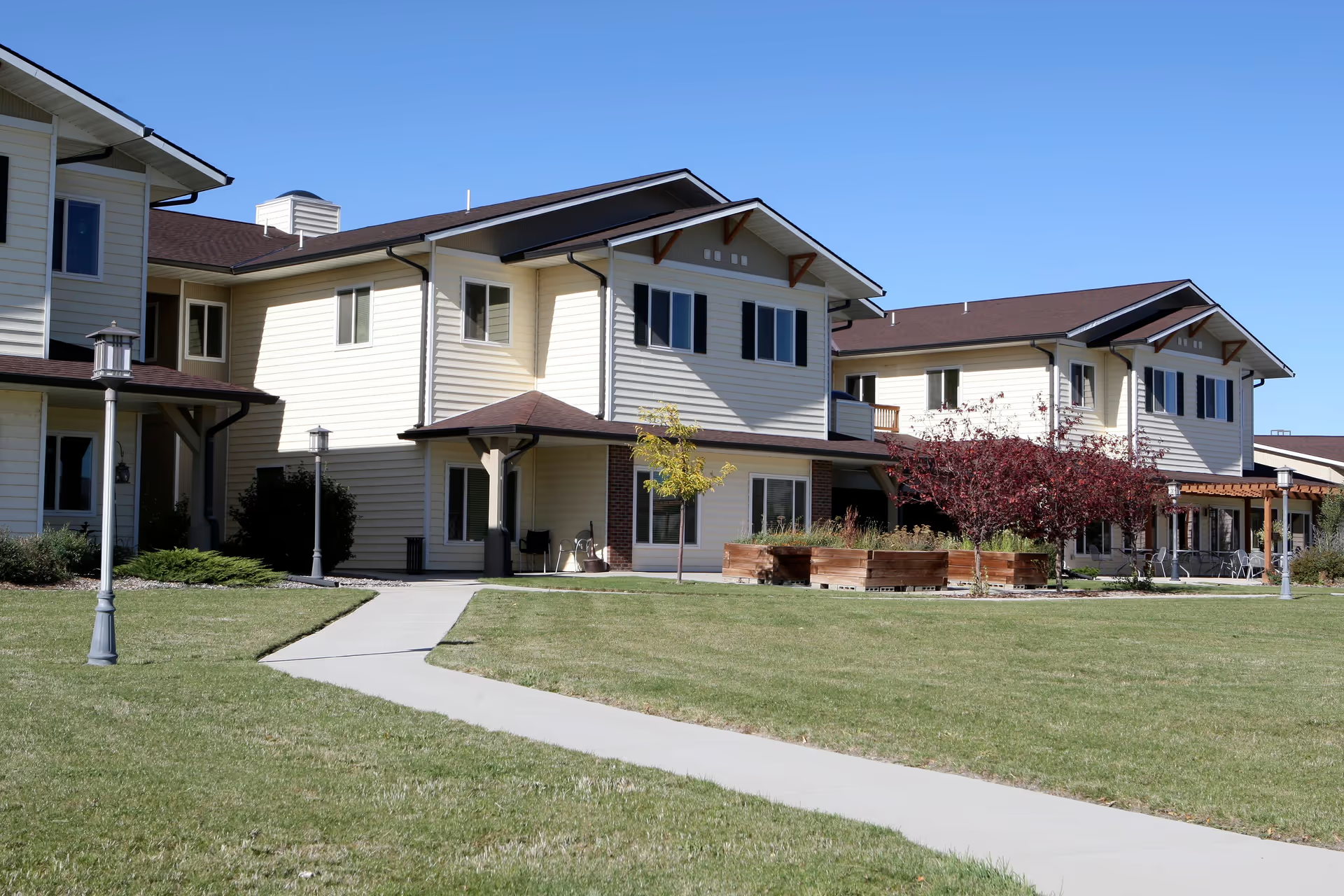
Facilities and environment: The physical plant is described as clean, quiet, and home‑like, with inviting dining rooms and pleasant bedroom views. Housekeeping and laundry are frequently noted as reliable, contributing to an overall orderly appearance. The dementia unit is singled out for creating a calming environment that residents appear to tolerate well.
Management and notable patterns: Management demonstrates strengths in admissions, family orientation, and rehabilitation focus. Recurring negative themes center on inconsistent clinical processes (notably medication administration), variable staff training and responsiveness, occasional lapses in attention to amenities, and communication/tone problems with some staff. There are also isolated but serious allegations of discriminatory or disrespectful conduct that management should investigate. Prospective residents and families should weigh the strong rehabilitation and compassionate caregiving reported by many against the operational inconsistencies cited by others. If considering this facility, ask management about medication-safety protocols, staff training and supervision, dining menus and accommodations, and how they investigate and remediate conduct or communication concerns.