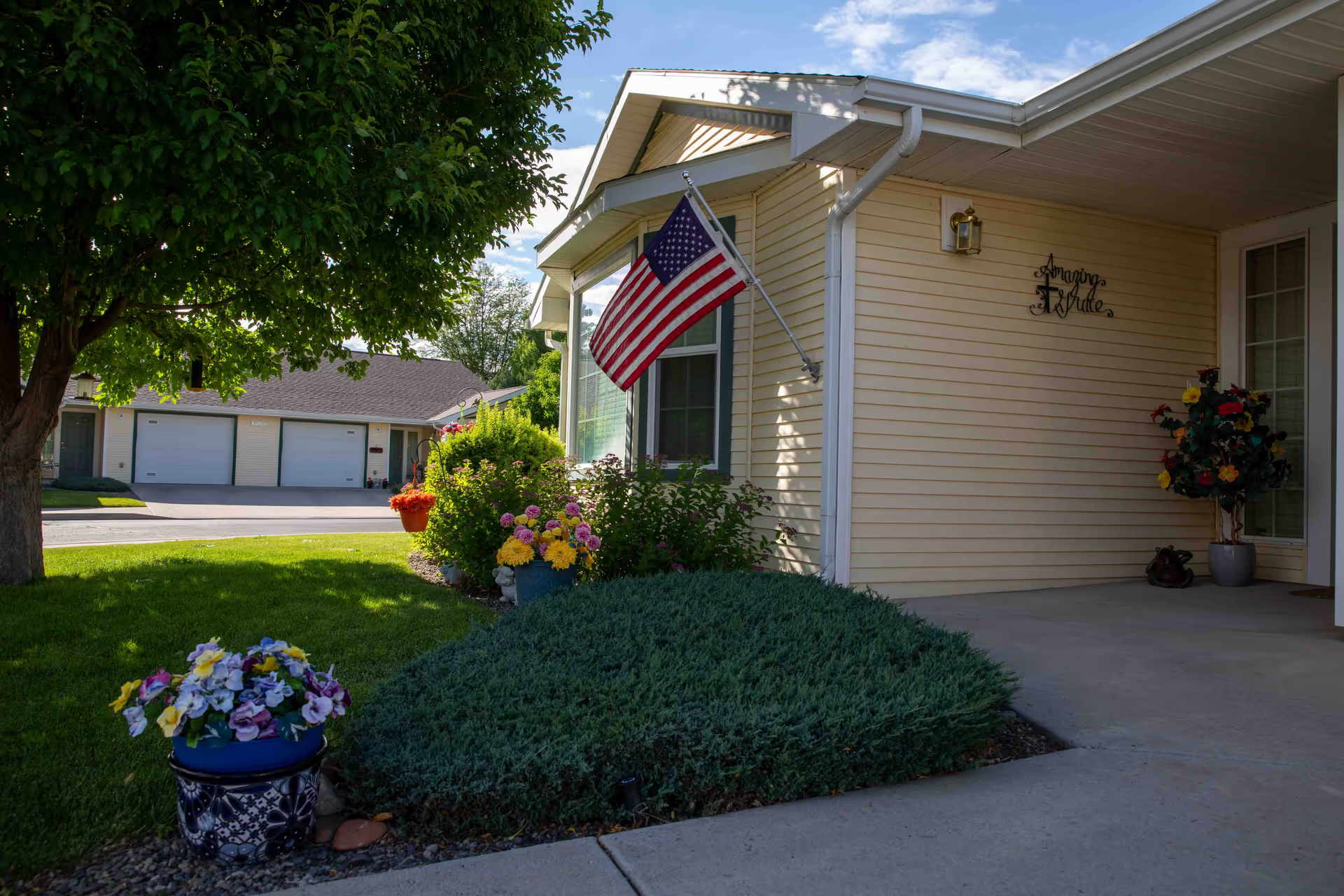
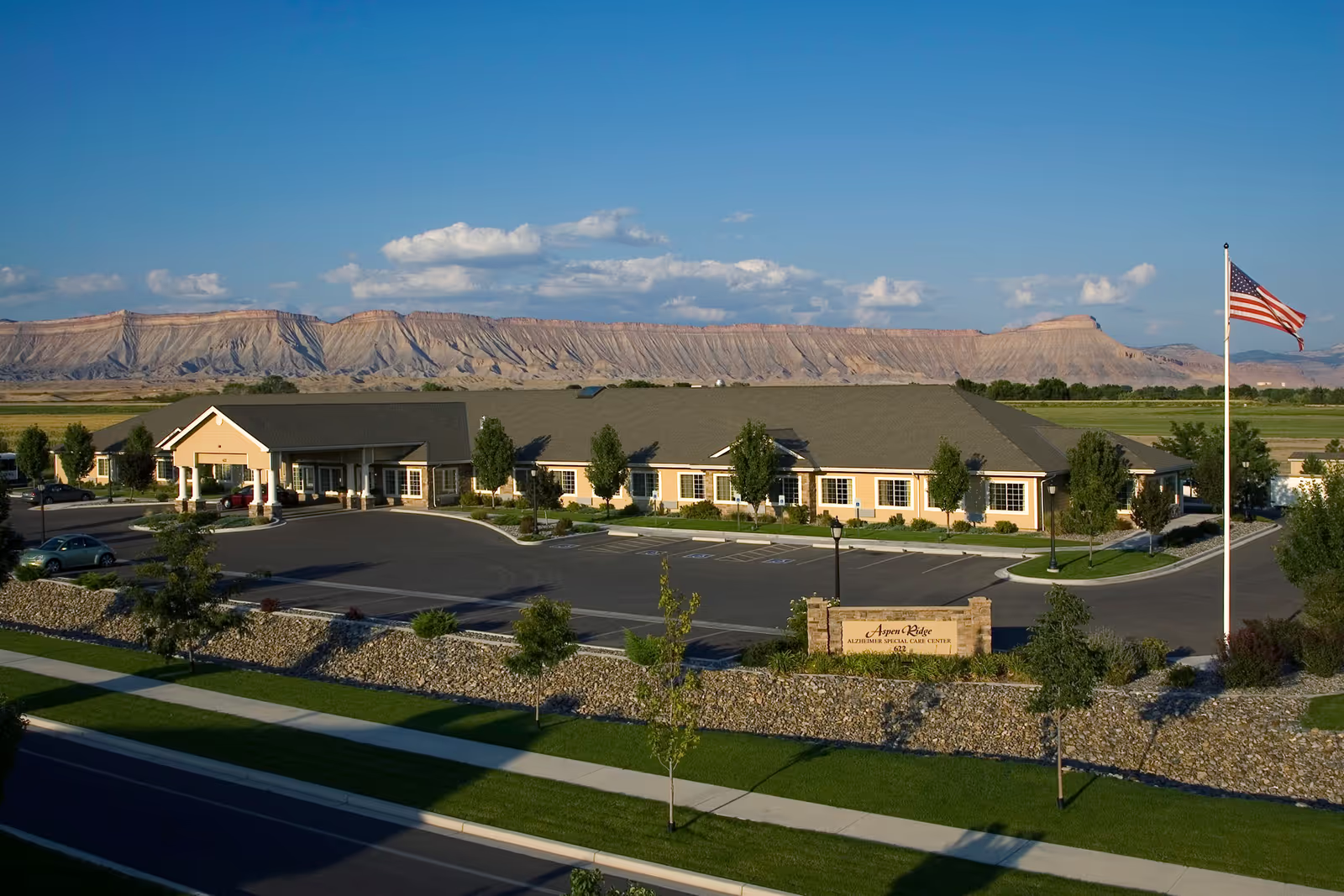
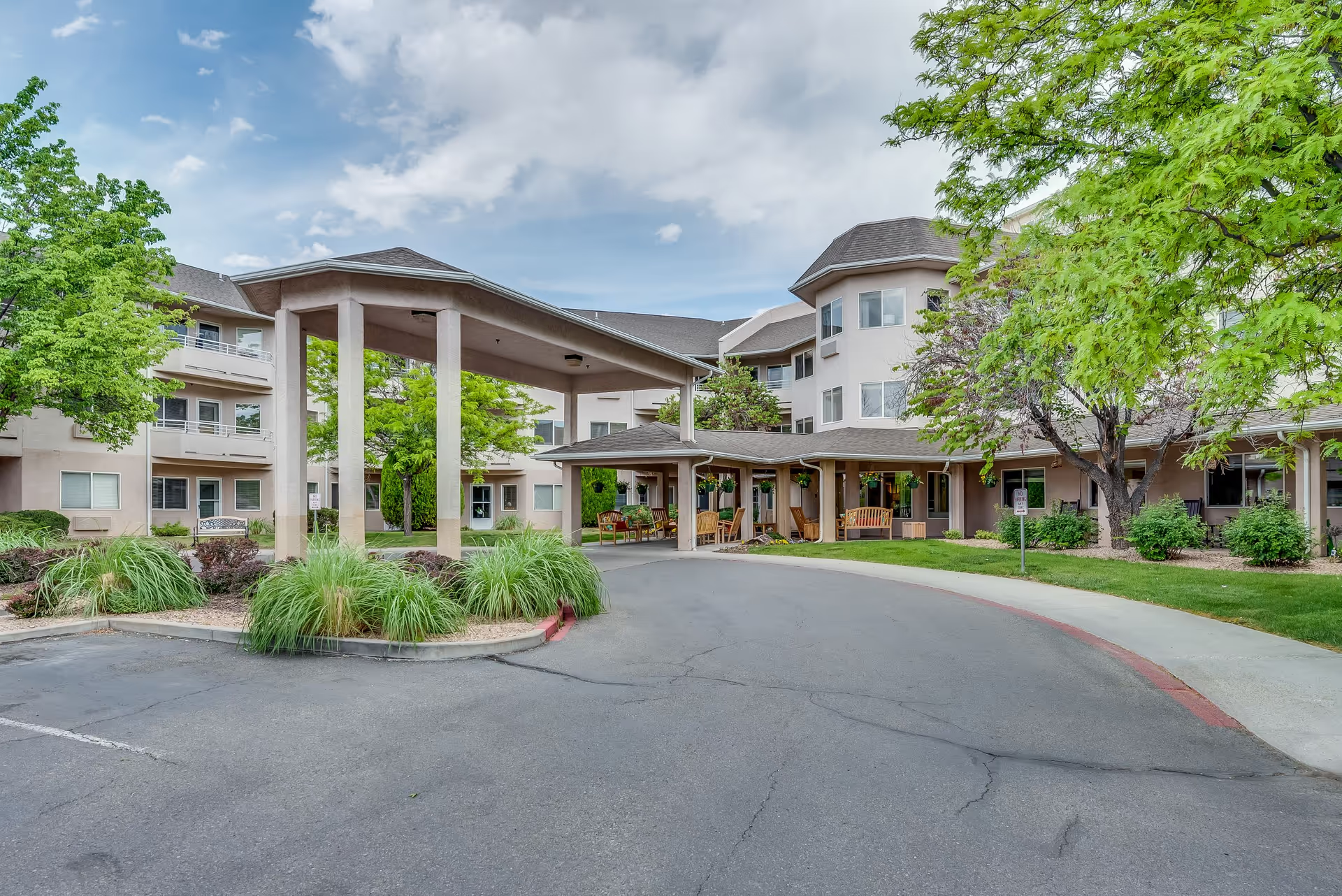
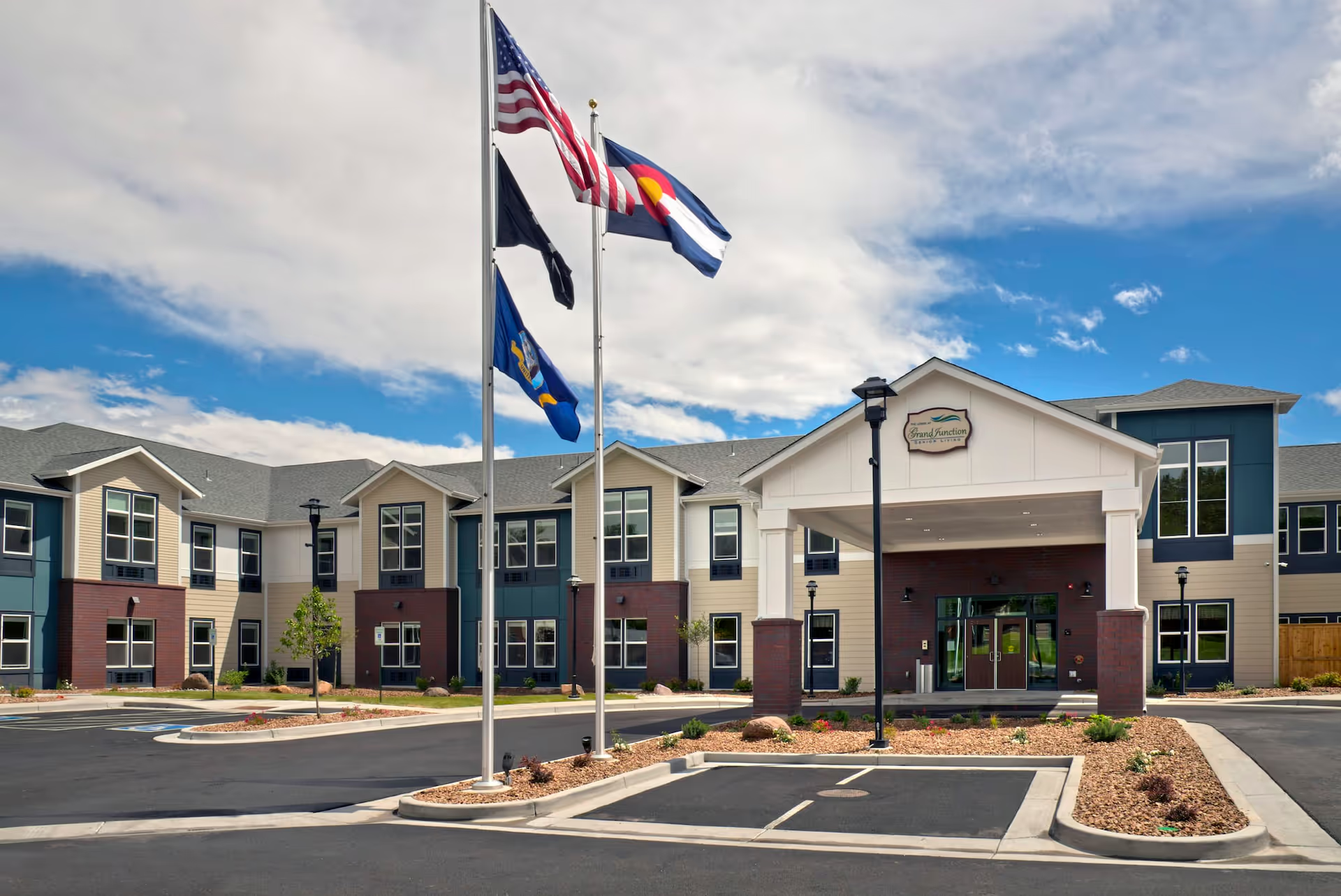
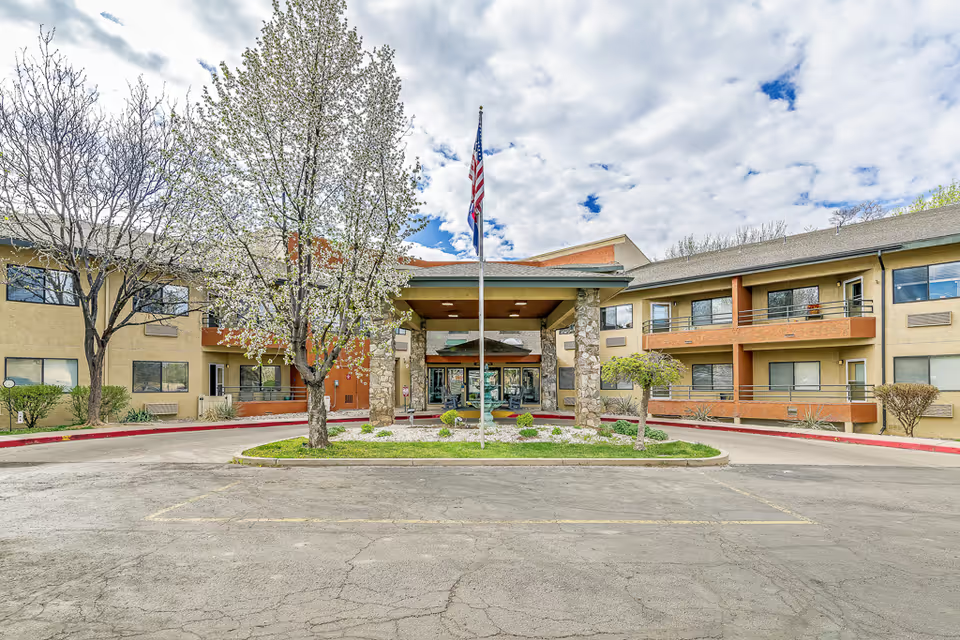
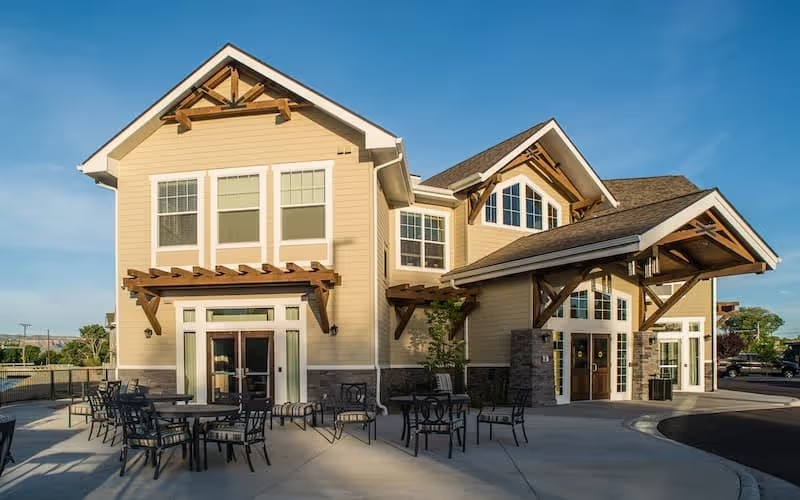
The Homestead at Montrose presents as a small, well-maintained assisted‑living community with a family-like atmosphere and several strong operational features. Many reviewers praised the physical environment — clean common areas, attractive rooms with recent carpeting, and functional HVAC — and noted the availability of private studio and one‑bedroom apartment layouts. Apartment amenities commonly cited as positives include an in-unit kitchenette with sink, refrigerator and microwave, plus included Wi‑Fi and a landline. The community also accommodates pets and offers a straightforward move-in process and positive short-term (respite) stays.
Frontline caregiving and hospitality functions are the facility's most frequently praised elements. Aides, kitchen staff and other direct-care workers were commonly described as attentive, patient and caring; families often highlighted the comfort of residents in their own apartments and the responsive nature of caregiving staff. At the same time, several families raised concerns about nursing leadership and communication tone, indicating inconsistency in supervisory conduct. These concerns, paired with references to elevated staff turnover, suggest potential impacts on continuity of care and family confidence in clinical oversight.
Dining and programming are prominent parts of community life. Many reviewers complimented the meals — including an available salad bar and a variety of appealing options — and called food a strength. Other reviewers gave less favorable ratings to meals, so dining satisfaction appears to be variable. The activities program is active and diverse when fully staffed, with offerings such as bingo, arts and crafts, music, outdoor games and religious services; hair and salon services are also available. That said, the activity schedule has been adjusted at times for infection-control reasons, and some reviewers perceived a reduction in frequency or scale of events during those periods.
Facility layout and common spaces support a small-community feel but also impose limits. Dining rooms and communal tables were described as small, and some families observed that not many residents were out and about during visits, which can affect the social dynamic for prospective residents who want constant, large-group engagement. In-apartment cooking capacity is limited (no stove), which is appropriate for many assisted‑living residents but worth noting for those who expect fuller kitchen functionality.
Overall, the Homestead at Montrose is frequently recommended for its caring frontline staff, clean environment, apartment-style living options, and active programming when available. Prospective residents and families should prioritize questions about nursing leadership and staff turnover, current activity schedules and contingency plans for infection-control periods, and specific meal options during tours. Requesting to meet the nursing leadership, reviewing staffing patterns, and sampling meals can help determine fit given the mix of strong daily caregiving and some variability in supervisory continuity and program frequency.