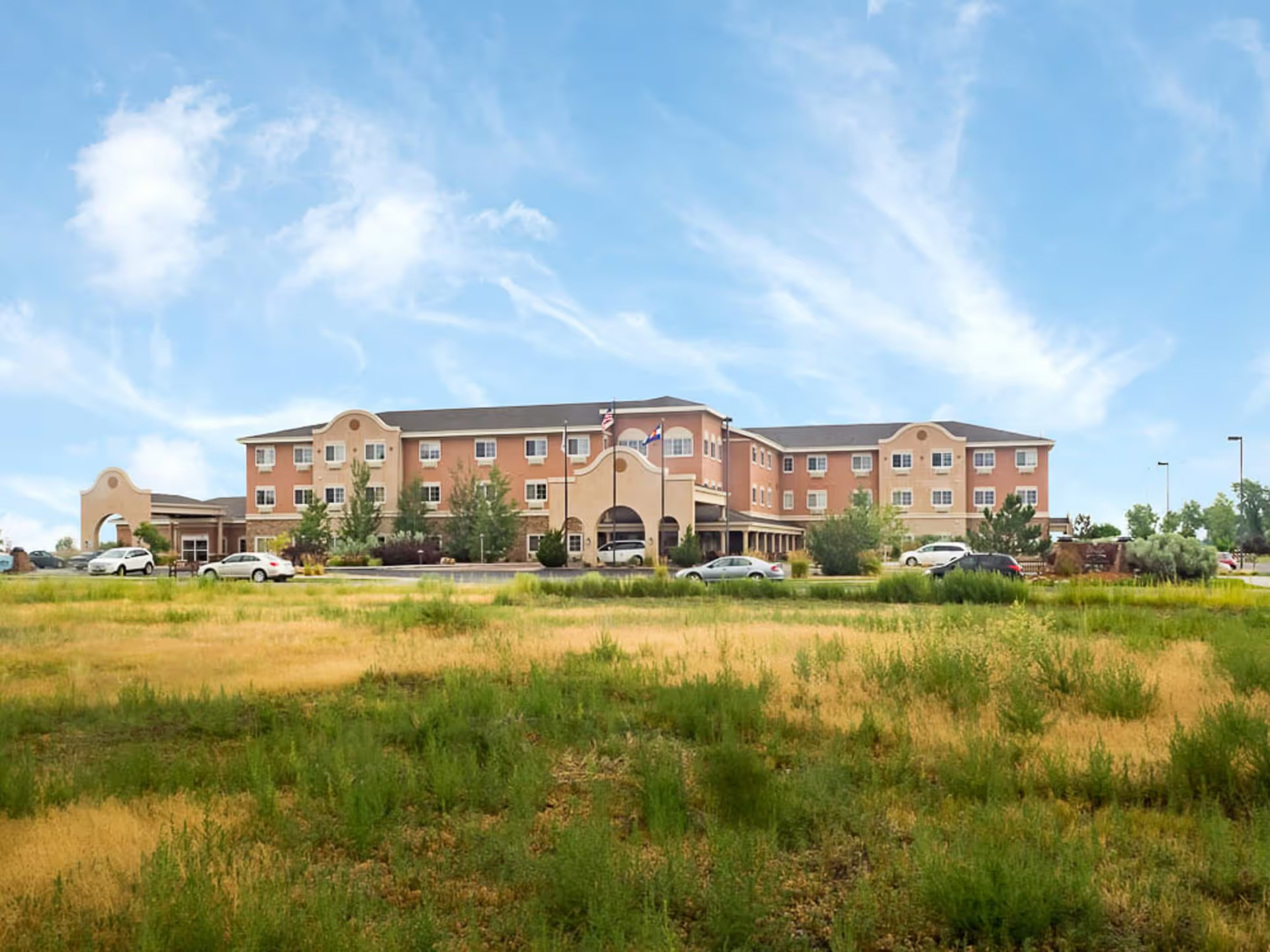
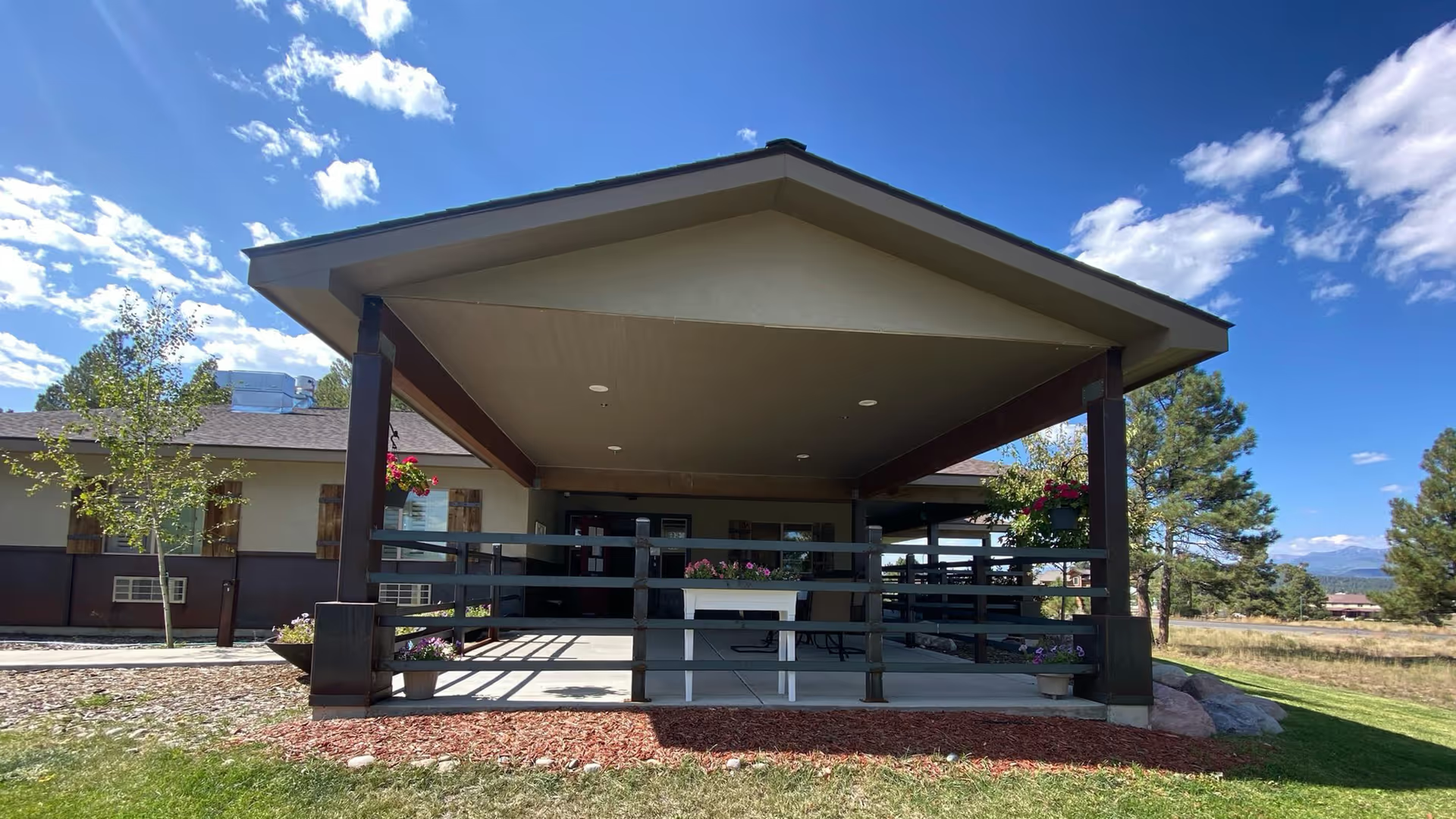
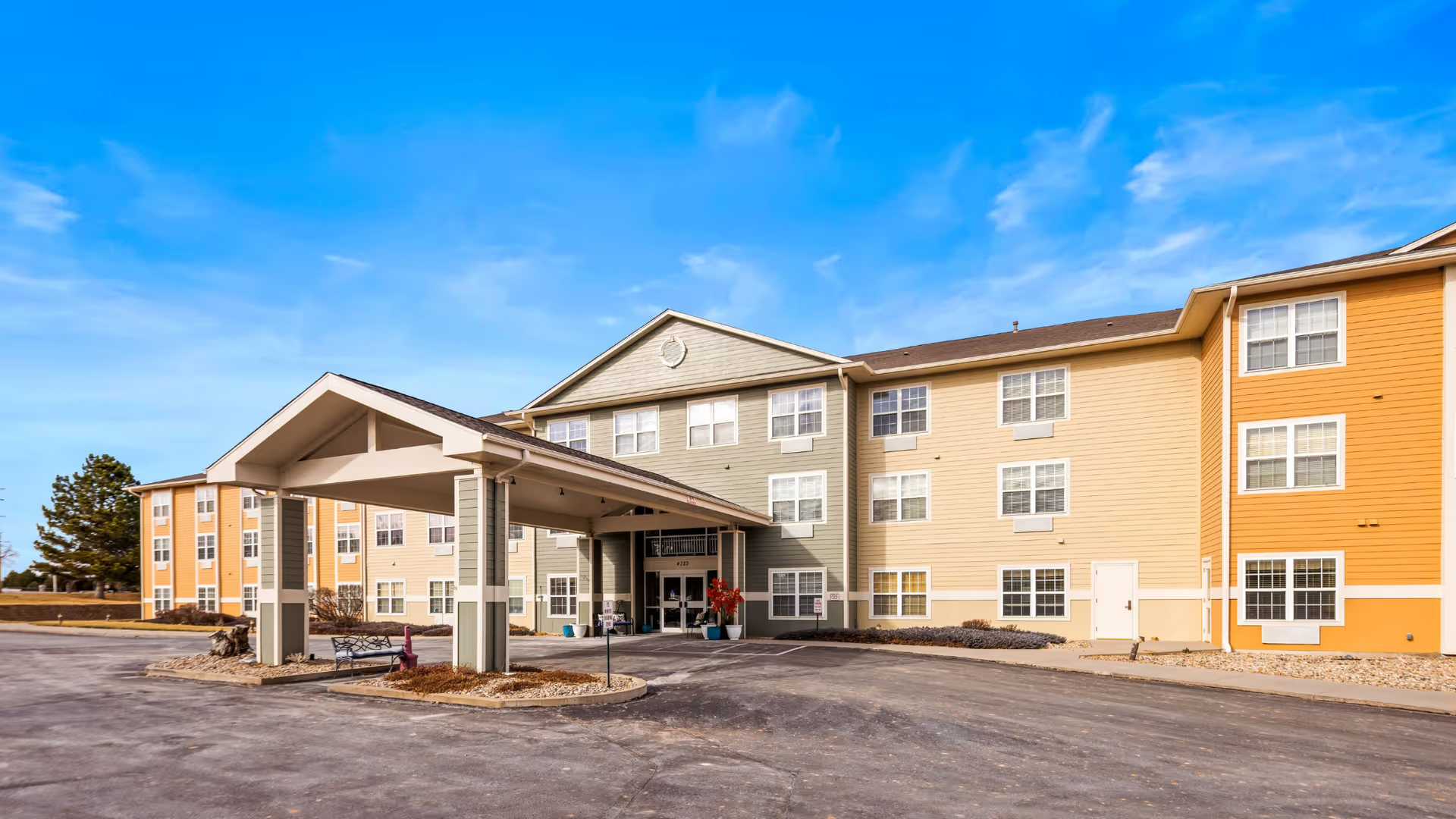
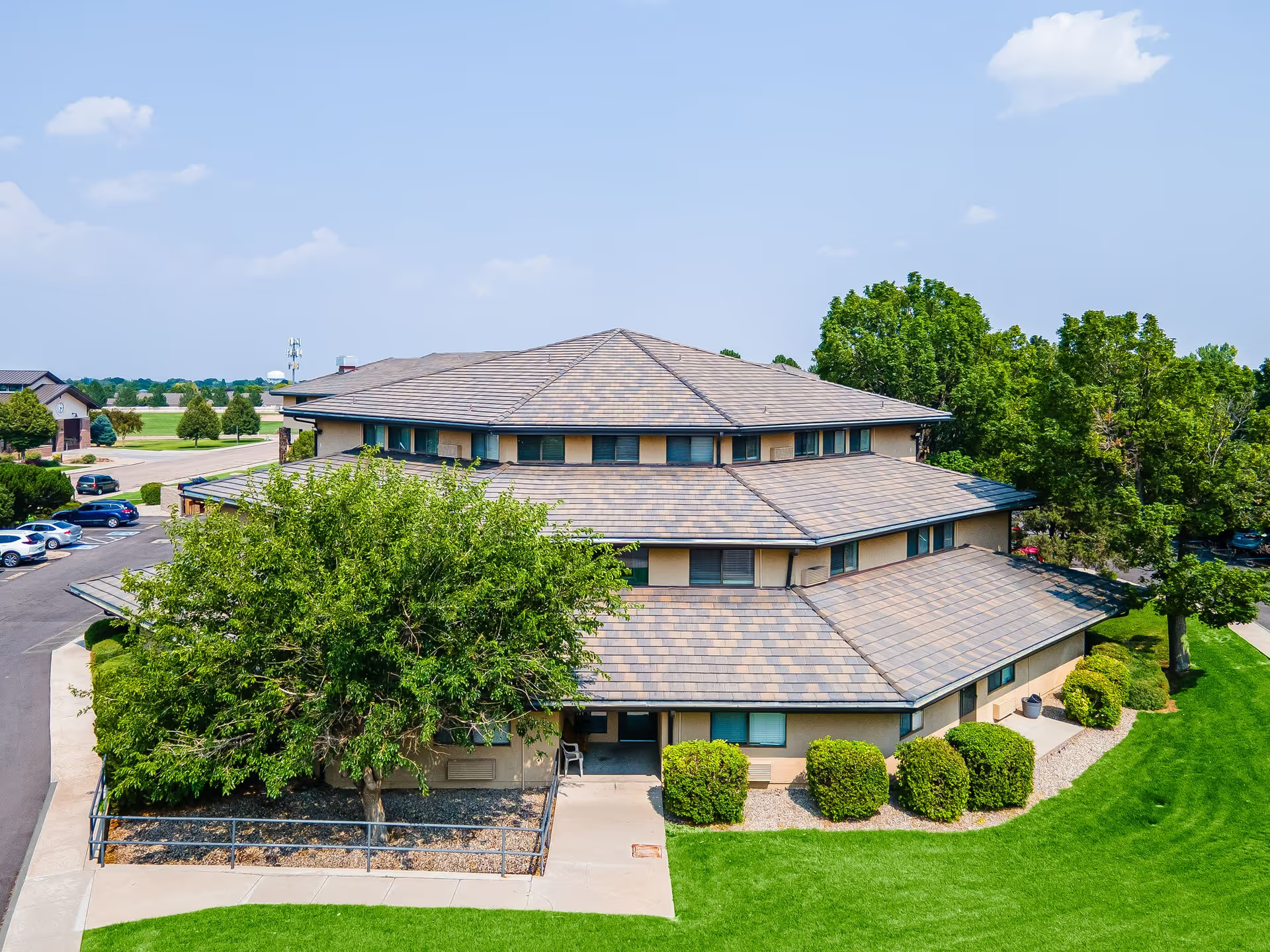
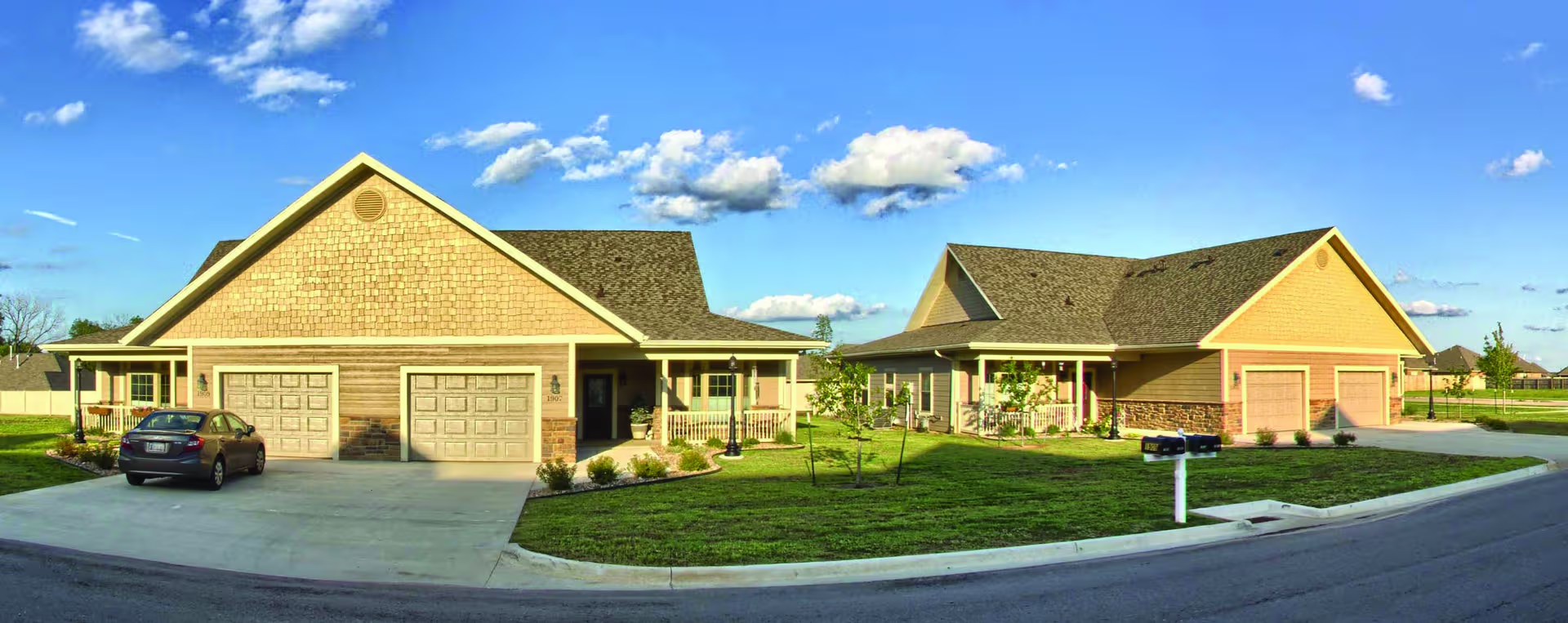
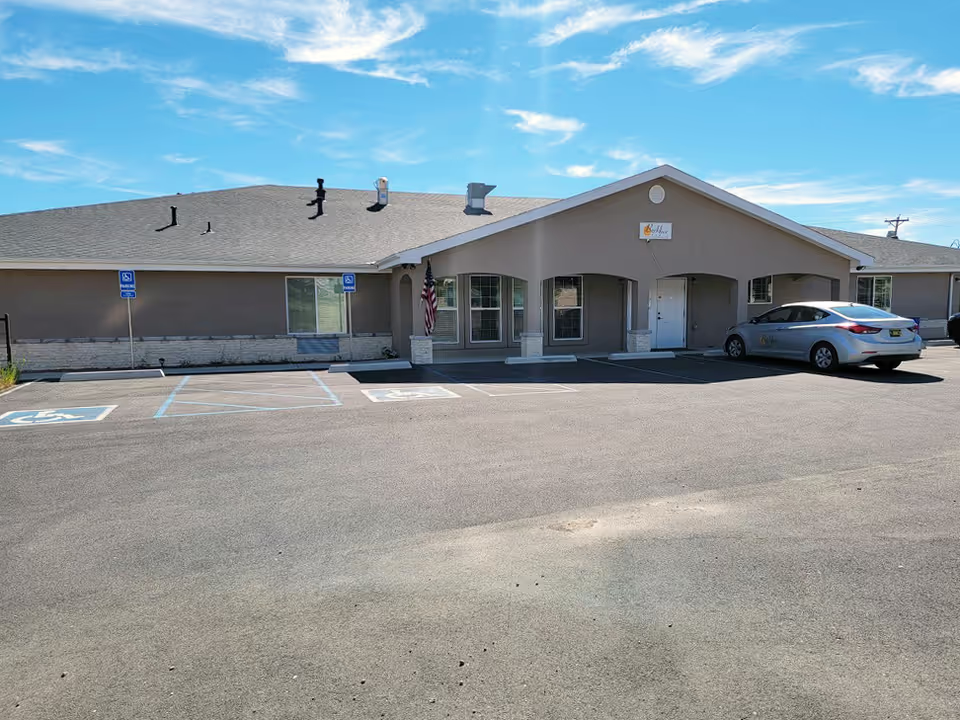
The reviews for Rock Creek Rehabilitation and Healthcare Center show a pronounced split between strong praise for day-to-day caregiving and serious operational concerns. Many families describe compassionate, attentive nursing staff, a welcoming, family-like culture, and clear communication from frontline caregivers. Reviewers frequently highlight a clean, recently remodeled facility with comfortable resident rooms, a cozy, home-like atmosphere, pleasant common-area scent, and small amenities such as coffee and snacks between meals. Positive comments also point to organized operations and perceived strengths in diabetes/insulin coordination and meal delivery for some residents.
At the same time, several reviews raise substantive concerns about facility-level practices. The dominant themes relate to staff conduct and responsiveness, inconsistencies in clinical and medication management, and gaps in meal-service continuity and dietary oversight. Those issues manifest in accounts describing uneven care quality and specific clinical worries; some reviewers also referenced regulatory attention and legal concerns. These items suggest potential weaknesses in compliance oversight and in sustaining consistent standards across shifts or units.
Management and communication appear mixed. Some families praise strong, reassuring communication and a sense that staff keep them informed; others describe limited transparency or difficulty obtaining clear explanations about serious incidents. This variability can complicate family trust, especially when clinical outcomes are uncertain. The facility's physical environment and many frontline caregivers are clear strengths, but administrative follow-through and formal clinical oversight are areas where reviewers perceive shortcomings.
For prospective residents and families, the facility offers a well-maintained, comfortable setting with many staff who are described as kind and attentive. At the same time, families should evaluate operational controls and clinical processes during a visit: observe staff–resident interactions across different times of day, ask about medication and diabetes protocols, review recent regulatory history and incident-response procedures, and request information on staffing patterns by shift. These steps can help clarify whether the facility's favorable day-to-day qualities are matched by consistent clinical oversight and transparent management practices.