Overall impression: Reviews present a mixed but actionable picture. Many families and former staff praise the direct-care team — nurses, CNAs and therapists receive repeated commendation for compassion, competence and positive resident outcomes. At the same time, several operational weaknesses recur across reviews: communication breakdowns with families, administrative responsiveness issues, and facility-maintenance limitations.
Care quality and clinical practices: Clinical caregivers (nurses, CNAs, and physical therapists) are frequently described as attentive and effective; physical therapy in particular is credited with mobility improvements. However, there are recurring concerns about medication-administration controls, documentation gaps, and delays in responding to residents’ needs. Reviewers also describe inconsistencies in incontinence-care and linen-changing practices. There are mentions of gaps in how clinical incidents are handled and how families are notified, which suggests the facility would benefit from clearer incident-response protocols and improved family communication pathways.
Staff and culture: Direct-care staff are often depicted positively — friendly, long-tenured, and committed to residents’ comfort. Conversely, reviewers identify variability at supervisory and administrative levels: some describe unresponsive or brusque administrative interactions, difficulties with phone access and voicemail, and a perception that management processes (admissions paperwork, release-of-information, POA access) are uneven. Several comments imply staffing shortages at times, which may be linked to slower response times and inconsistent service delivery.
Dining and activities: Meal presentation and taste are praised by some families, while others note reliance on processed items and variable food quality. Activity offerings exist and some residents participate, but engagement appears inconsistent; COVID-related limitations were noted by reviewers as reducing programming at times. For prospective families, asking about current activity schedules and how the facility encourages participation would be prudent.
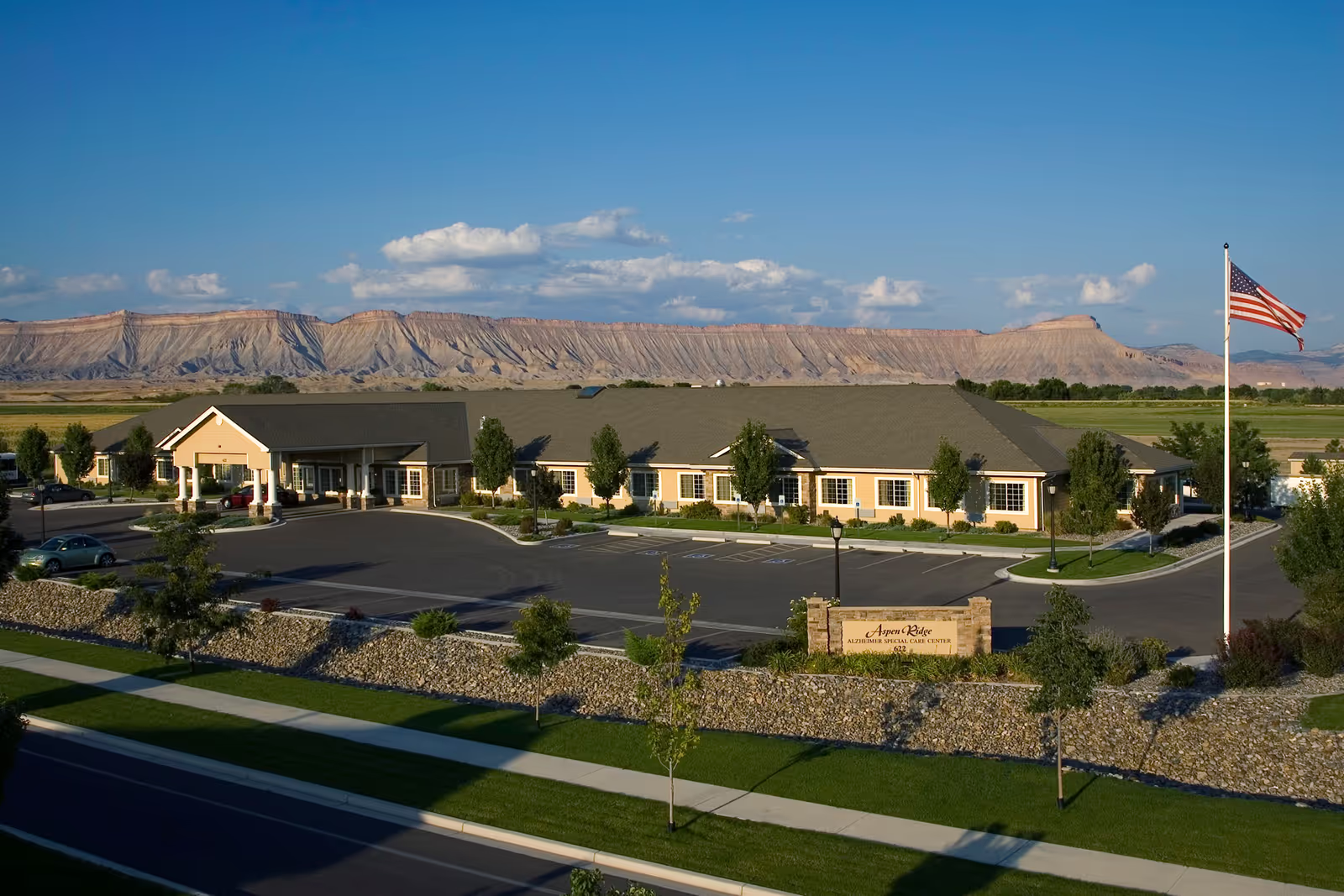
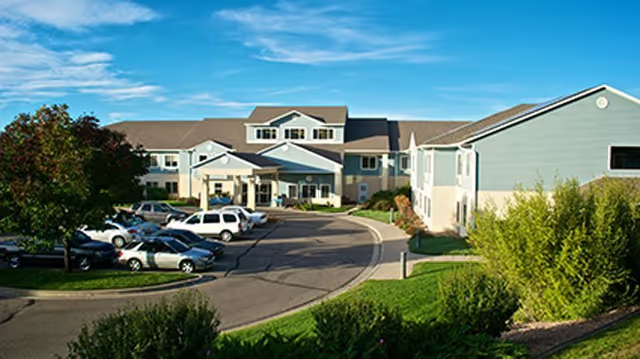
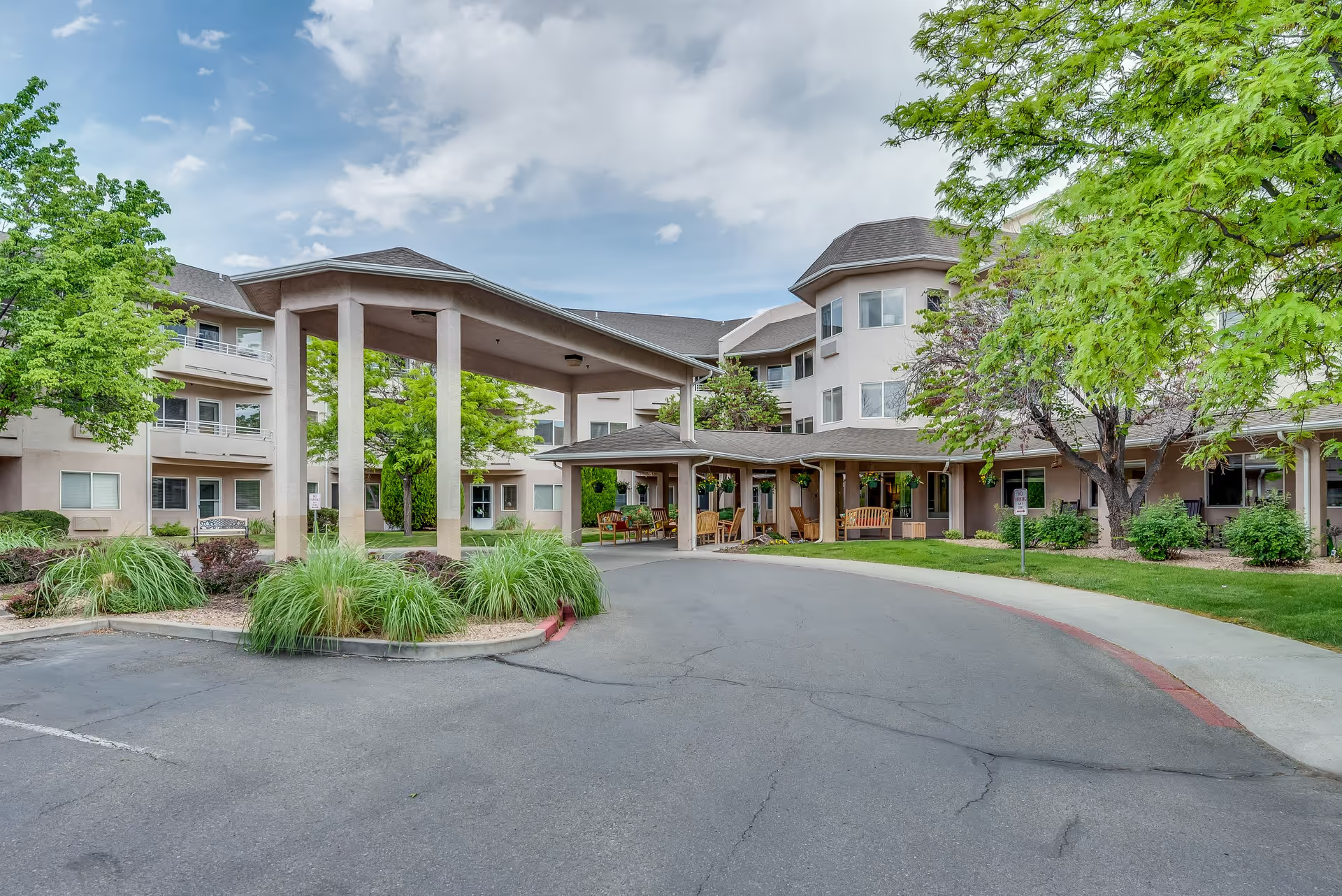
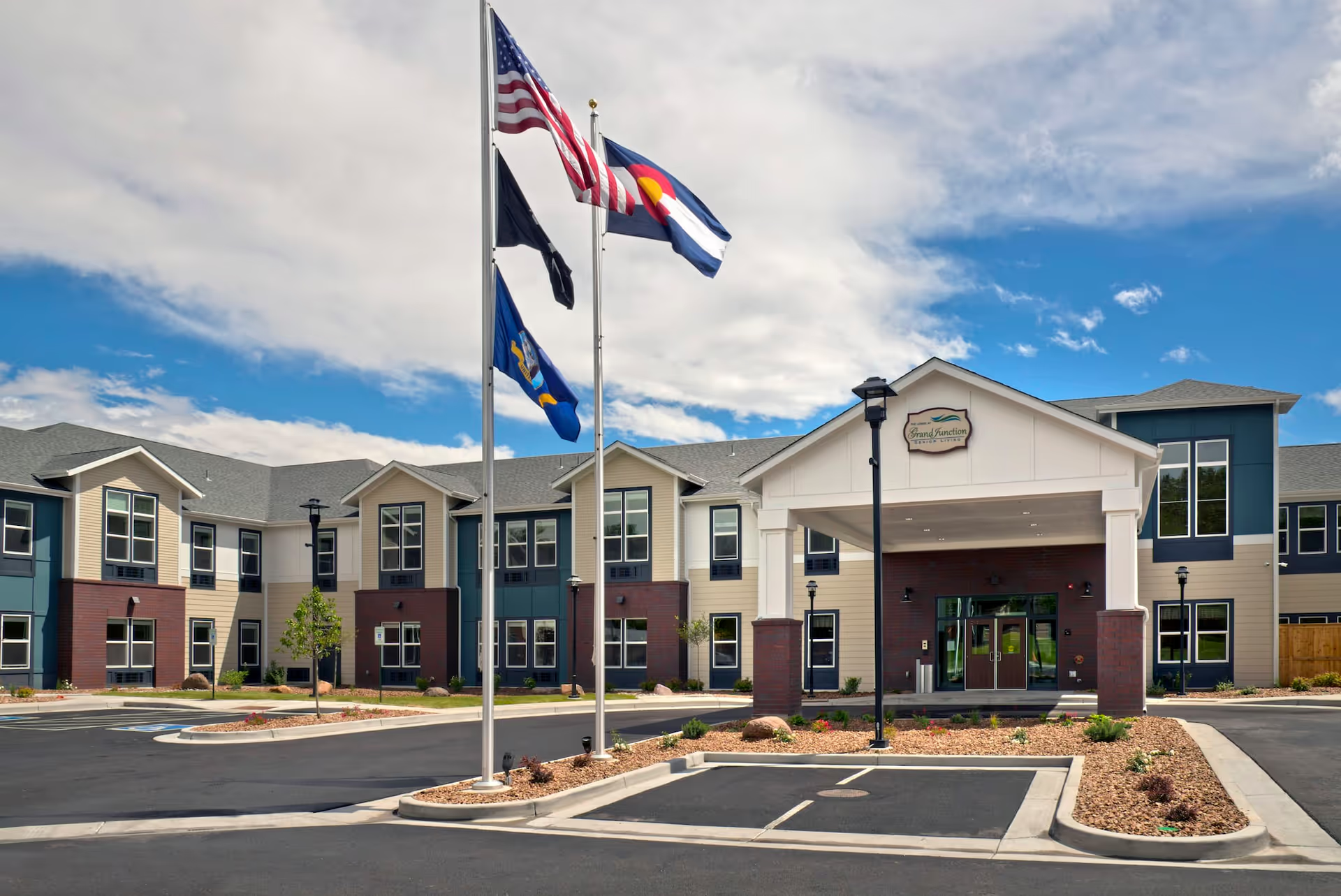
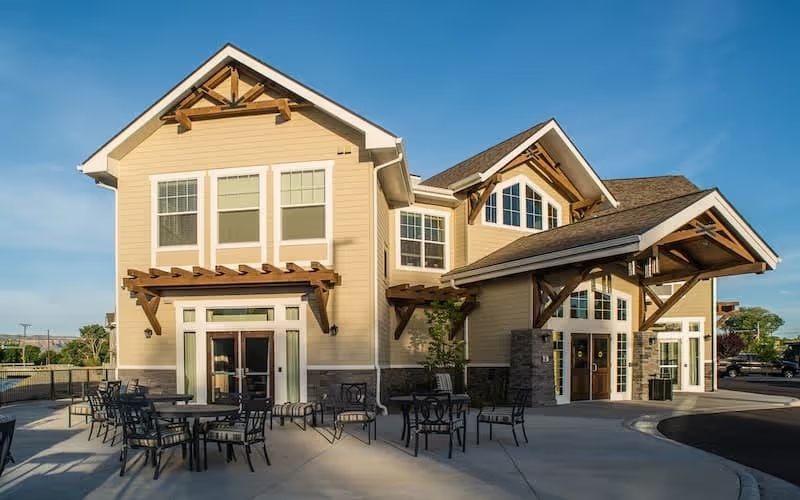
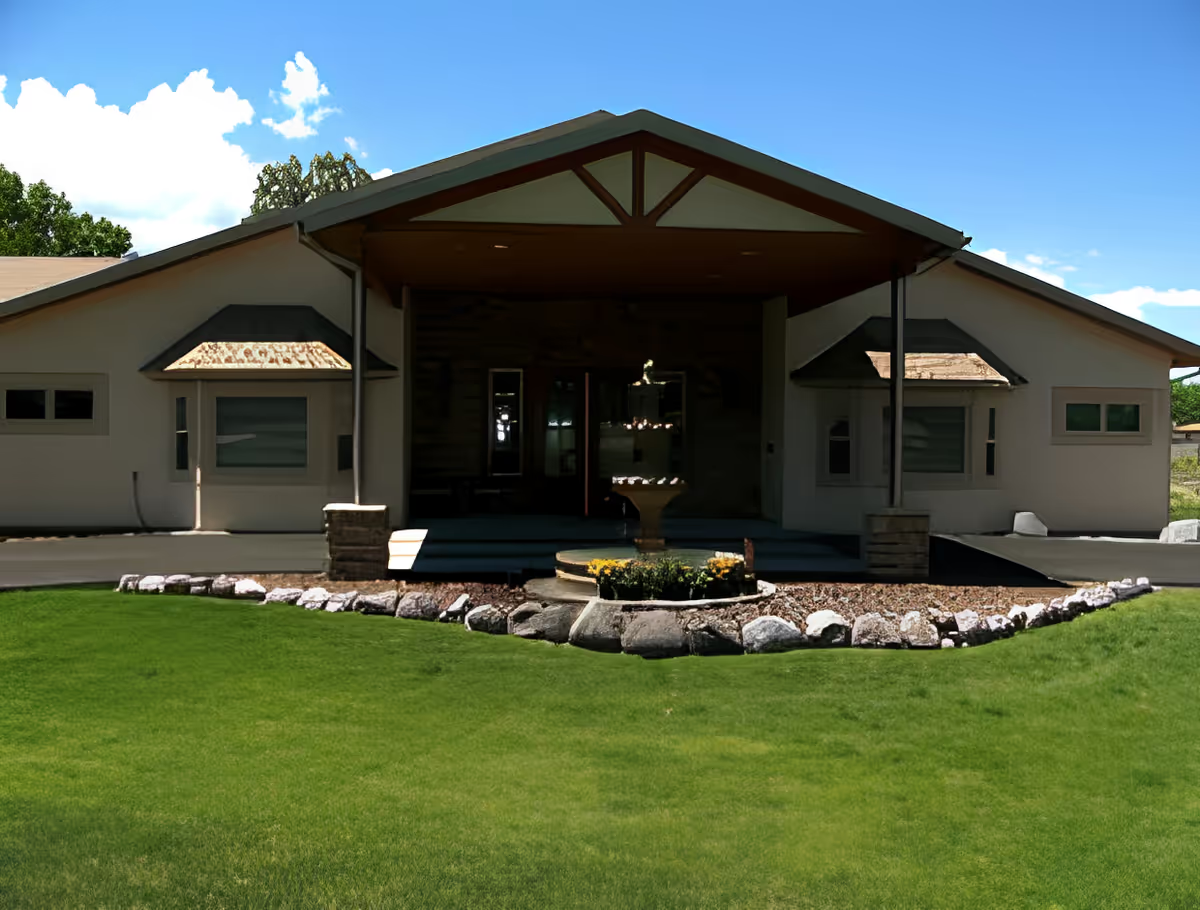
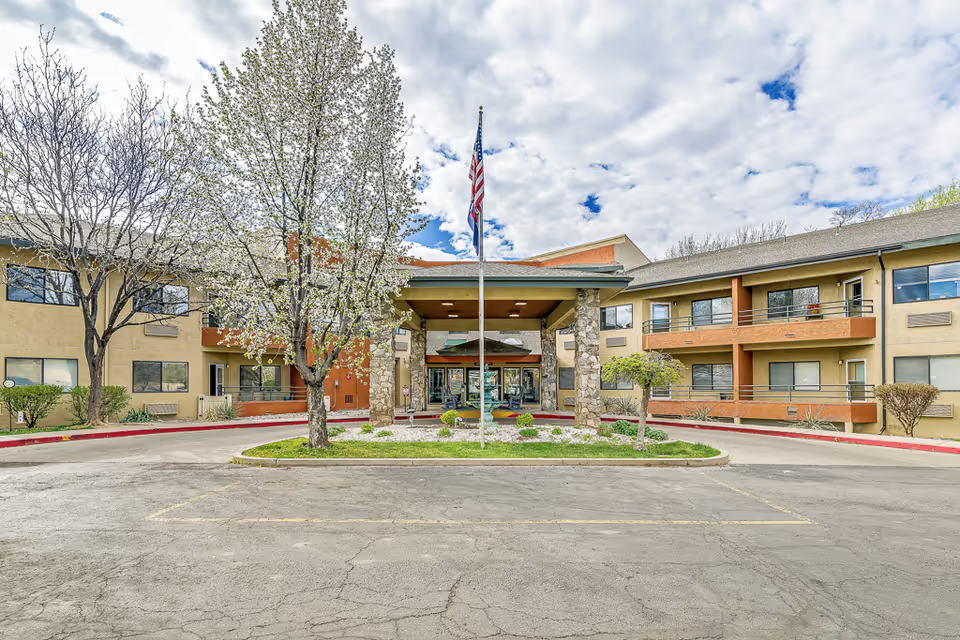
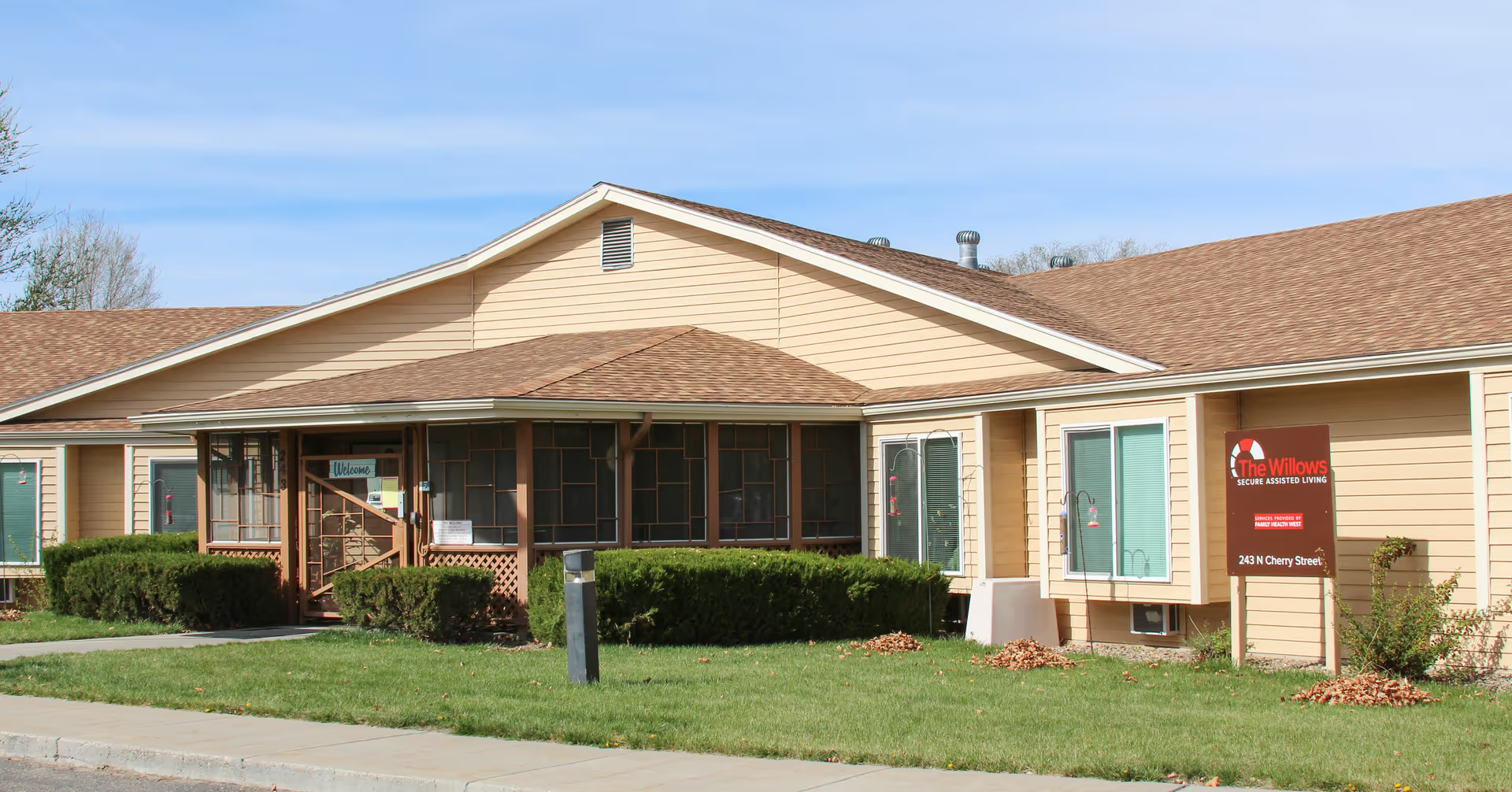
Facilities and maintenance: The building is described as older but overall clean in common areas. Reviewers describe climate-control and heating noise issues, and some odor concerns in certain areas, indicating that the physical plant shows its age and has maintenance needs. Linen management and personal-item handling are described inconsistently, suggesting operational process improvement opportunities in housekeeping and resident belongings tracking.
Management, administration and safety: Administrative issues arise repeatedly: billing and refund processes, unreturned voicemails, and unclear charges are cited. There are also serious, isolated allegations related to resident security and missing-person concerns that some reviewers felt warranted investigation; these are not presented as routine but signal the need to review security and resident-safety protocols. Overall, there is a contrast between a committed frontline workforce and administrative or management-level process gaps.
Notable patterns and guidance: Strengths center on compassionate caregiving, effective therapy services, and generally clean, family-friendly spaces. Weaknesses cluster around communication, administrative responsiveness, medication/documentation controls, and aging infrastructure. Prospective residents and families should verify current staffing ratios, ask for written incident-response and family-notification procedures, review medication-safety policies, inspect rooms for climate-control and noise levels, and clarify billing and records-release processes. If security or serious incident handling is a concern, request information on safety audits and incident logs. These steps can help weigh the facility’s strong direct-care reputation against the operational gaps highlighted in the reviews.