Overall impression: Reviews describe a facility with strong, compassionate front-line staff and a clean, welcoming environment, alongside operational and management weaknesses that interfere with consistency of care. Many comments emphasize warm, attentive caregivers, positive therapy outcomes, and a social atmosphere; however, reviewers also raised concerns about service continuity, communication, and facility-level management.
Care and staff: The dominant positive theme is staff behavior — caregivers are described as caring, respectful, and willing to go above and beyond. Reviewers specifically praised individualized attention, therapy staff who support rehabilitation goals, and staff who provide comfort for residents with memory-impairment diagnoses. At the same time, there are recurring concerns about uneven care consistency: treatment or medication delivery has been delayed at times, and some admissions or shifts appear to experience lower responsiveness. Those patterns suggest variability across shifts or during transition periods that families should clarify during intake.
Dining and nutrition: Holiday meals and special events (including Thanksgiving) received favorable comments, and several reviewers noted that meal quality improved after initial issues. Nevertheless, there are operational concerns around meal-service continuity — long delays, inconsistent preparation, and occasional poor-quality items were mentioned. Prospective families should ask about meal schedules, special-diet procedures, and how the kitchen handles urgent or remedial requests.
Activities and community life: The facility appears active and socially engaging, with programming such as trivia, holiday events, and small-group activities that contribute to resident satisfaction and socialization. Multiple reviewers highlighted a welcoming atmosphere, friendly residents, and staff-led opportunities that support emotional well-being and reintegration after hospitalization.
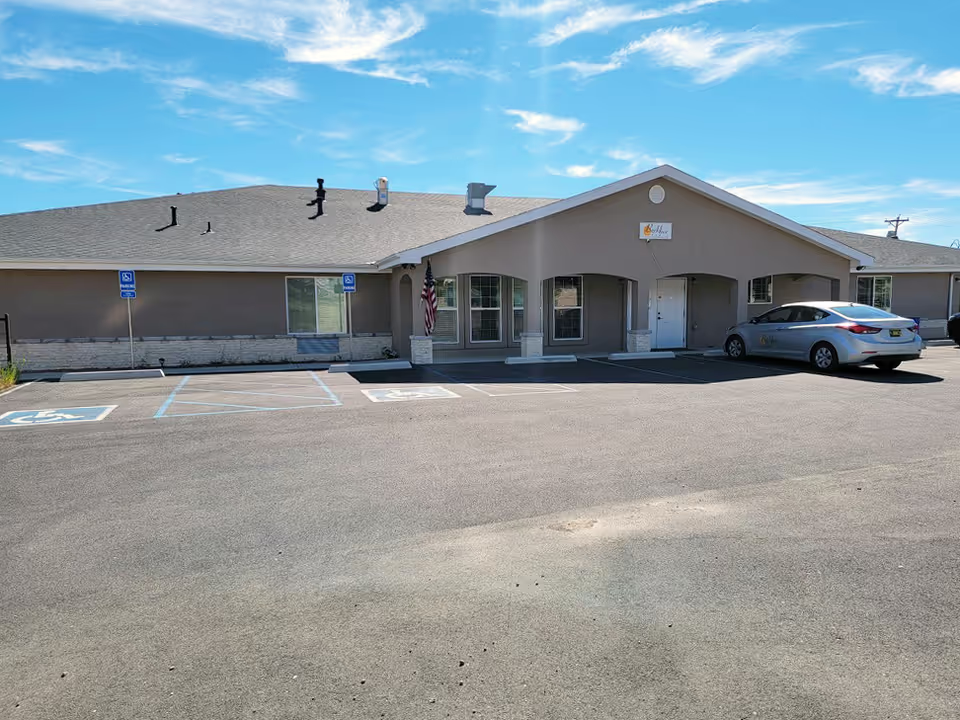
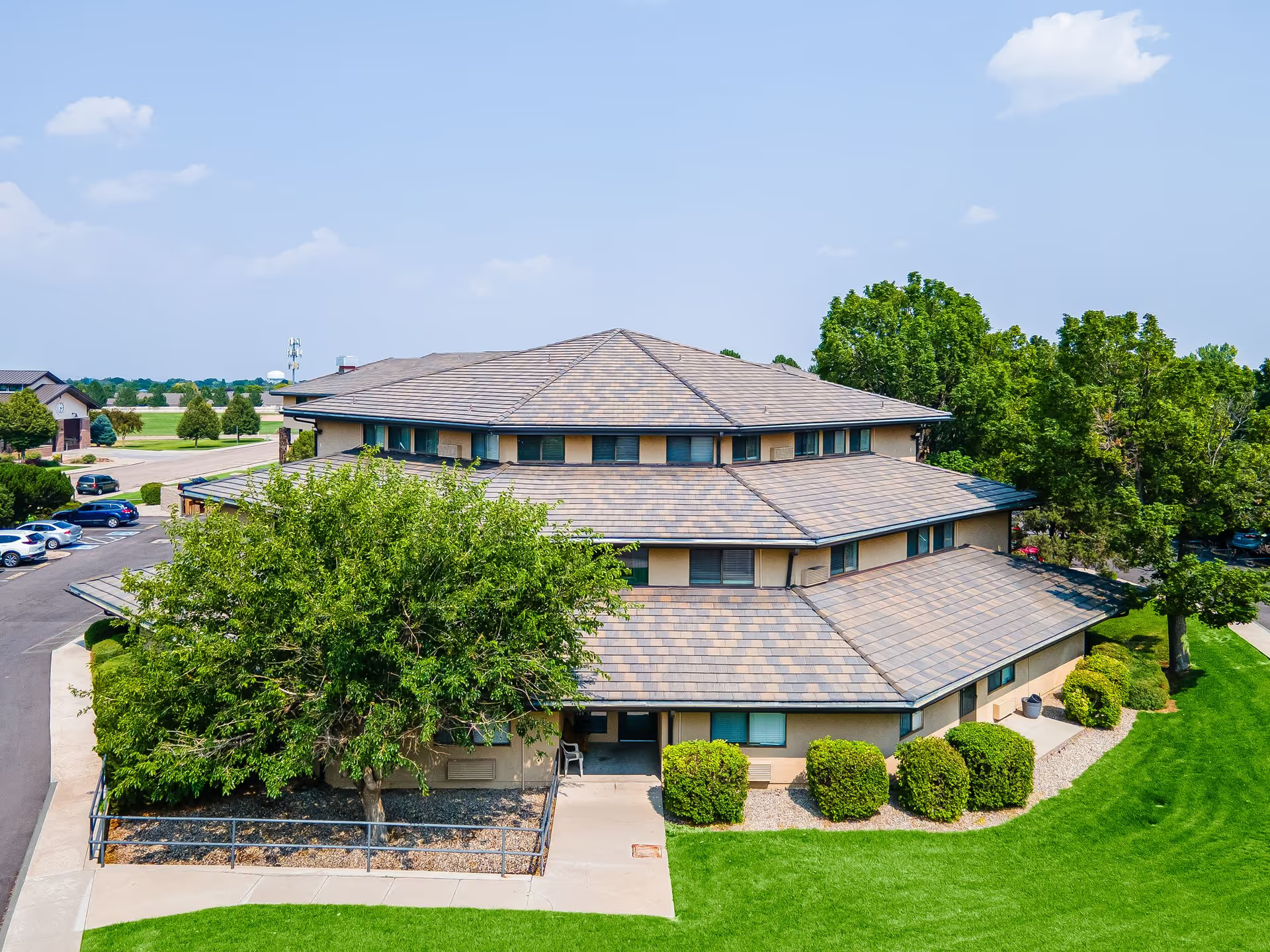
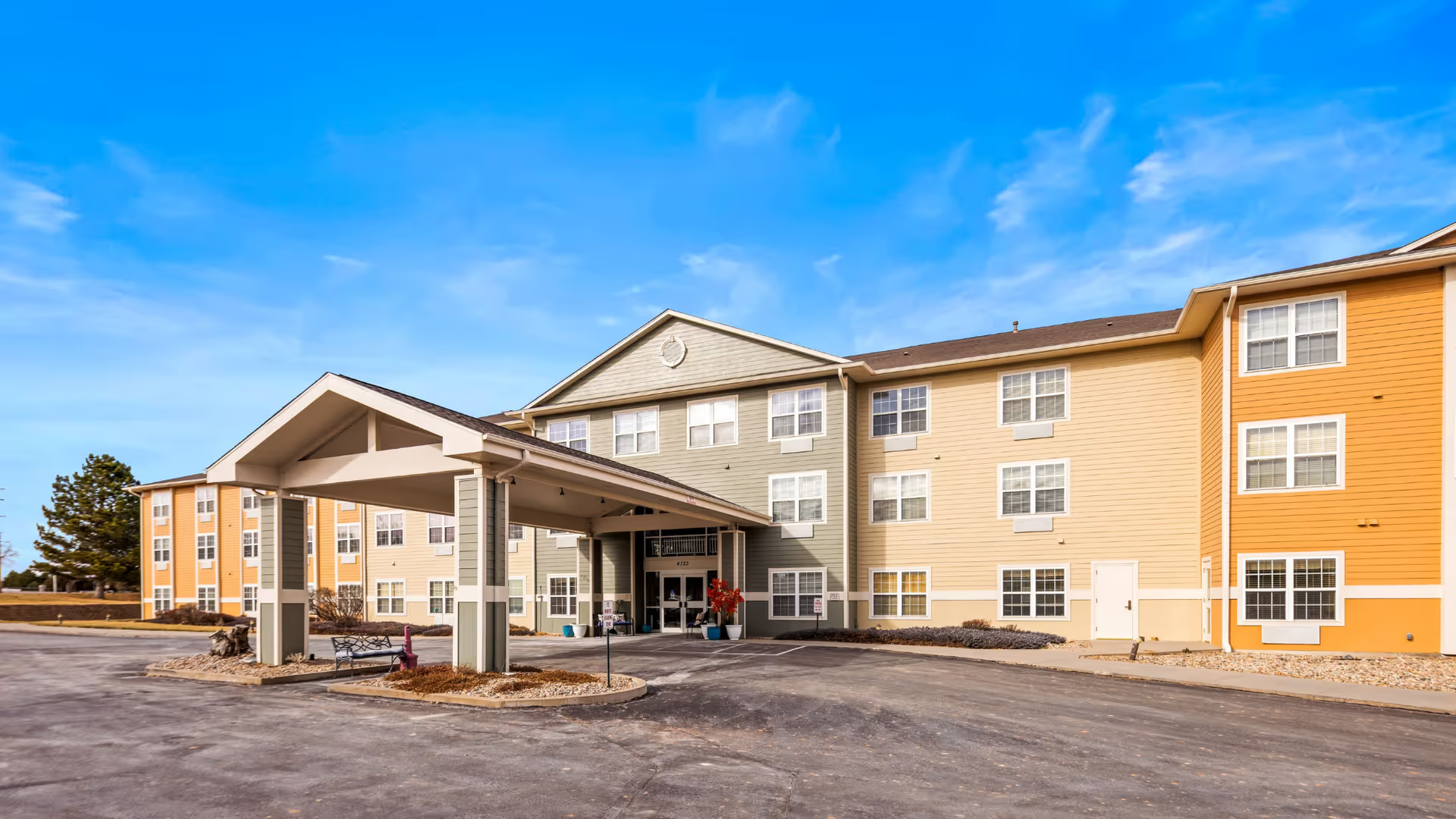
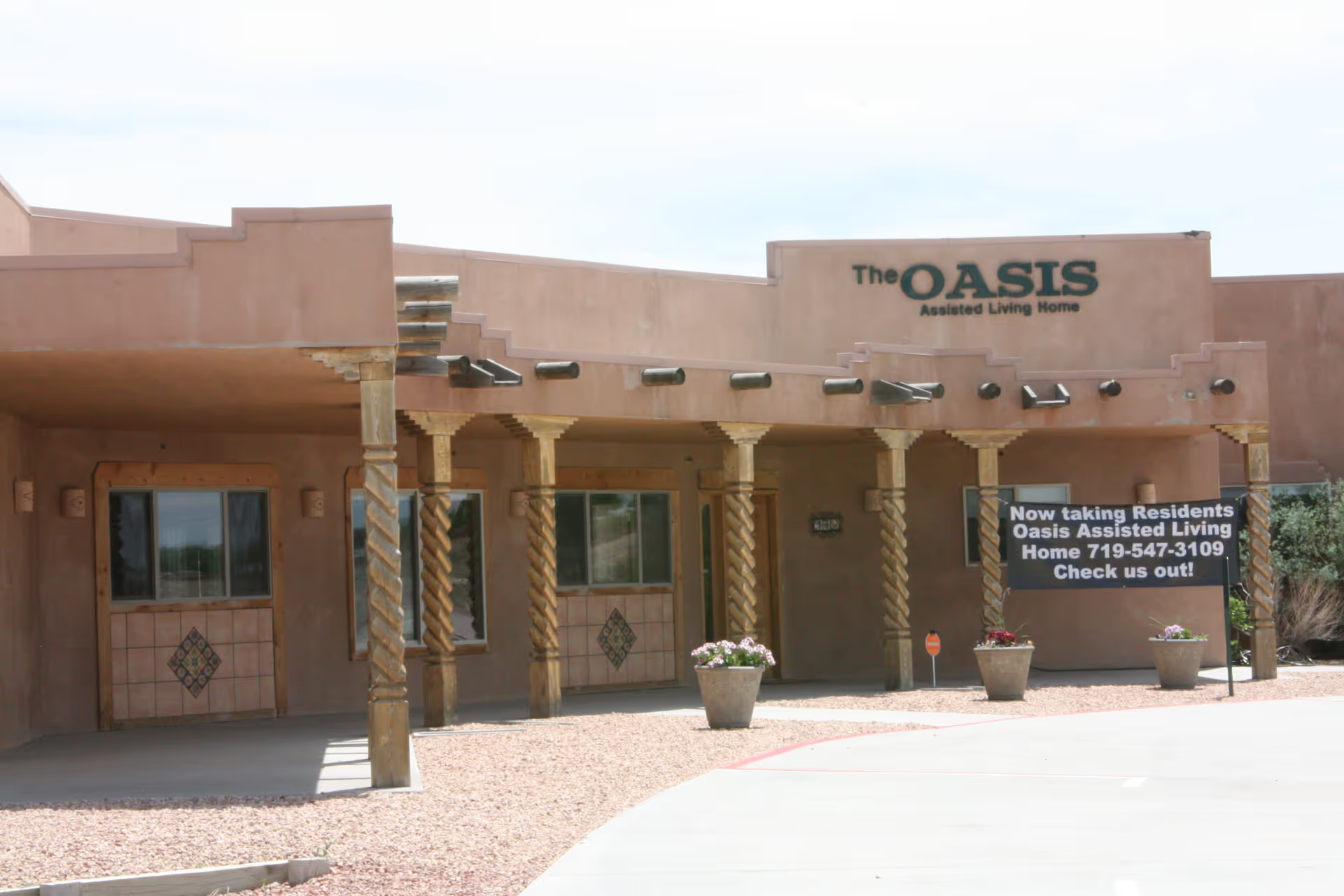
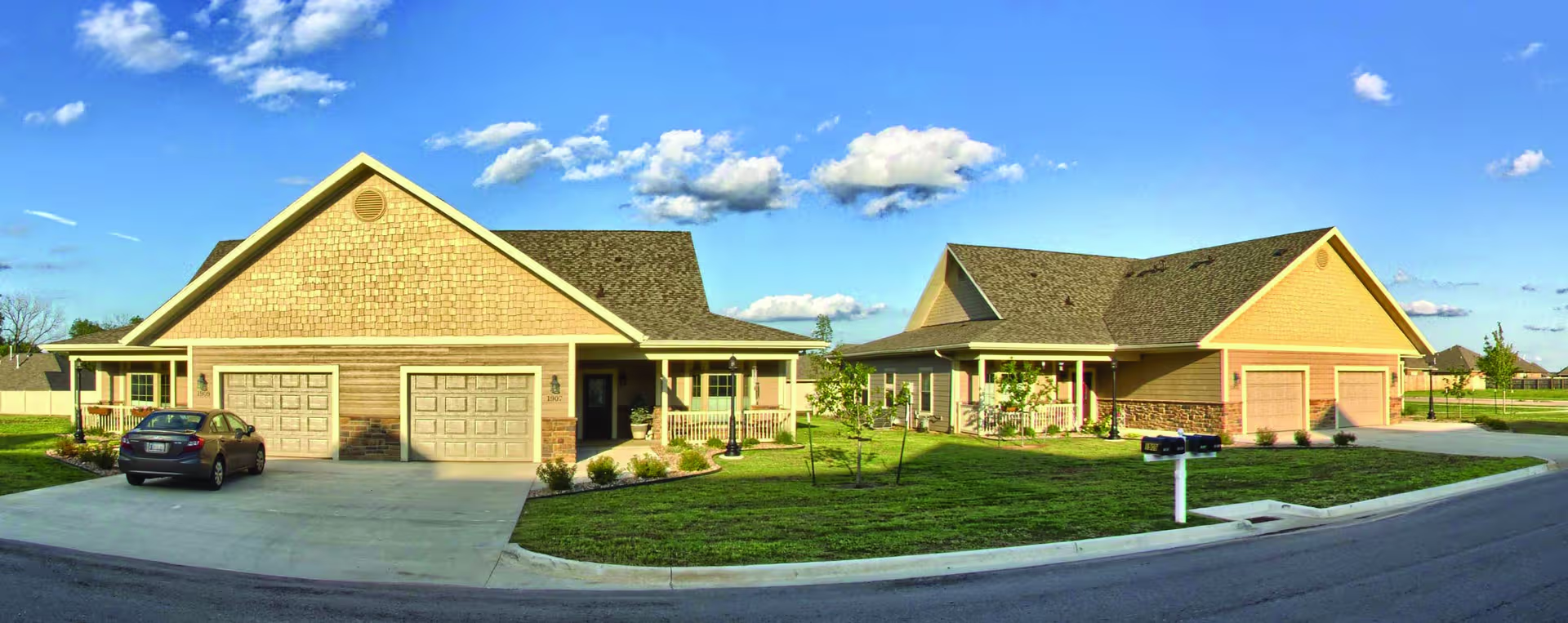
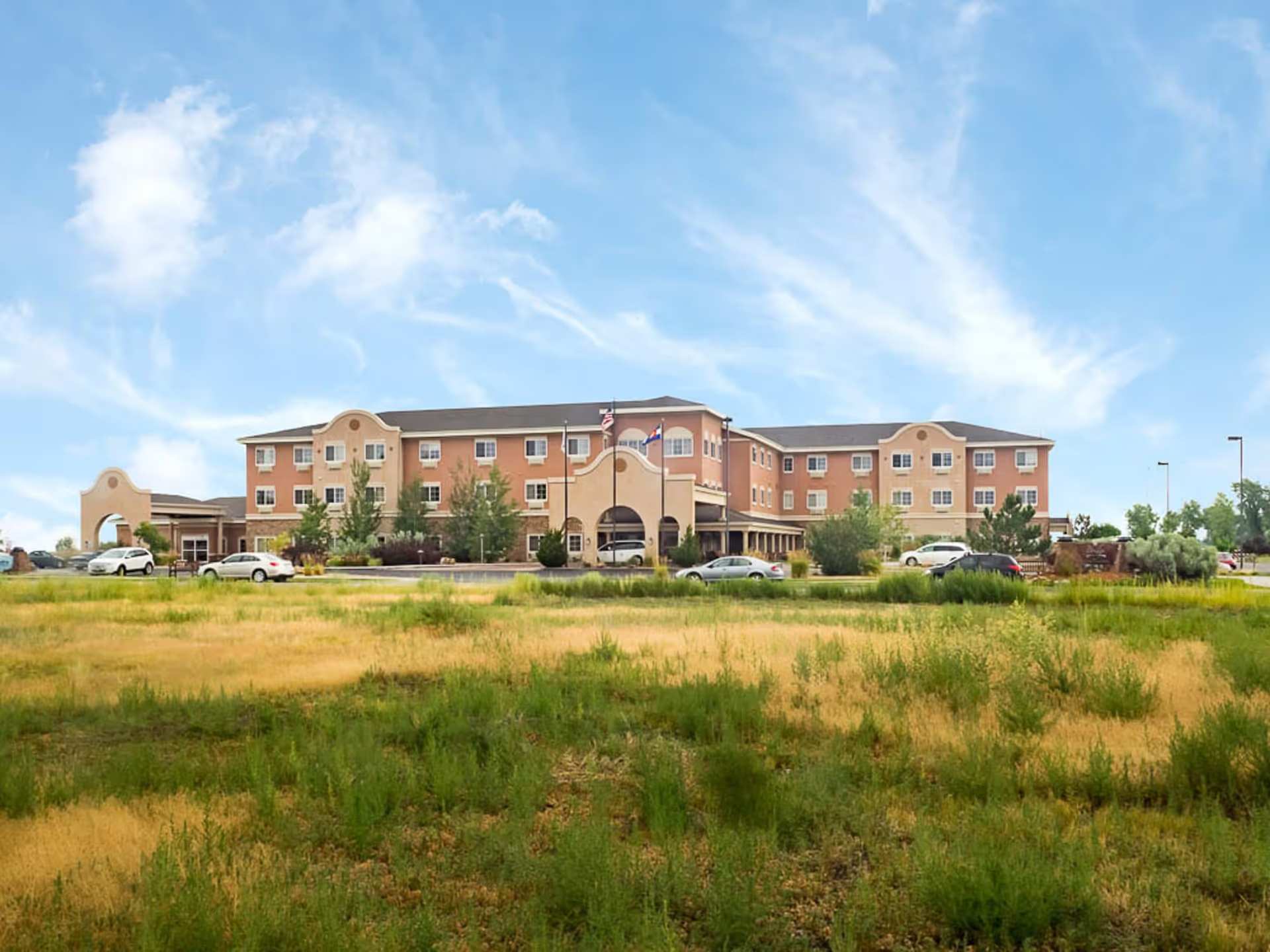
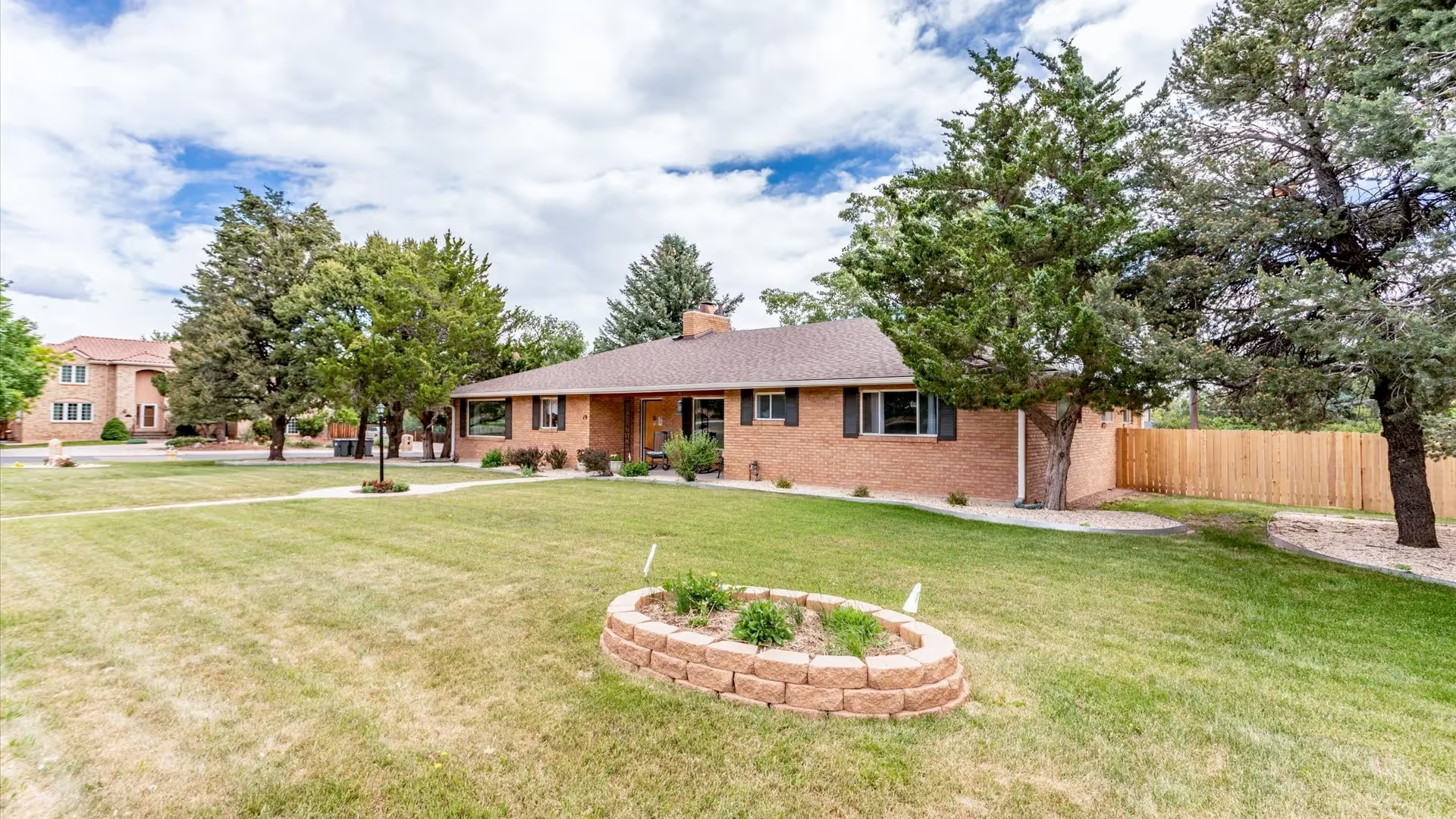
Facilities and operations: The building and common areas are frequently described as clean and attractively decorated. Positive notes include comfortable furnishings, readiness to accommodate family visits and pets, and supportive environmental touches that create a home-like feel. However, operational reliability concerns were raised around readiness of supplies and equipment and isolated procedural lapses (for example, missing items or delayed meal/dialysis trays). These point to room for improvement in logistical coordination.
Management and communication: Several reviewers expressed dissatisfaction with management or corporate oversight, describing a perceived gap between front-line staff performance and facility leadership or systems. Communication lapses between staff and families — and occasional lack of clarity at admission or shift changes — were also noted. These issues appear to be organizational rather than a reflection of individual caregiver competence.
Notable patterns and guidance: Strengths center on direct-care staff, rehabilitation support, social programming, and a clean environment that many families find comforting. Consistently mentioned operational weaknesses include inconsistent meal service, delays in administering treatments, and communication or management problems that affect reliability. Families considering this facility should weigh the positive caregiving culture and activity offerings against operational variability: during a tour or admission meeting, confirm medication- and treatment-timing protocols, meal-service procedures, staffing patterns across shifts, and escalation/communication channels with management.