Overall impression: Reviews are strongly mixed, with a clear split between families who describe high-quality, person-centered care and those who describe operational shortfalls that affected safety, hygiene, and daily routines. The facility is frequently praised for its compassionate direct-care staff and attractive, well-maintained public spaces; at the same time, recurring operational themes point to variability in day-to-day care delivery and management follow-through.
Care and staffing: Many reviewers highlight caring CNAs and individual staff members who establish trusting relationships, provide one-on-one attention, and coordinate with outside clinicians. However, there is a consistent pattern of concerns about staffing levels and turnover. These staffing issues are described as producing delays or inconsistencies in basic care tasks (for example, bathing schedules and meal assistance), long lag times when medication orders change, and periods when required medications were not administered on schedule. Families also raised concerns about staff training, supervision, and workload, which some felt compromised standardized care processes.
Dining and activities: Feedback on dining and activity programming is polarized. Several families praised appealing meals, hospitable dining staff, and meaningful group activities (including noted weekend programs). Others described inconsistent meal quality, frozen or underwhelming entrees, and irregular or minimal activity programming for residents — especially in memory-care areas. This variability suggests that dining and engagement experiences may depend on staffing, culinary scheduling, or unit-level leadership.
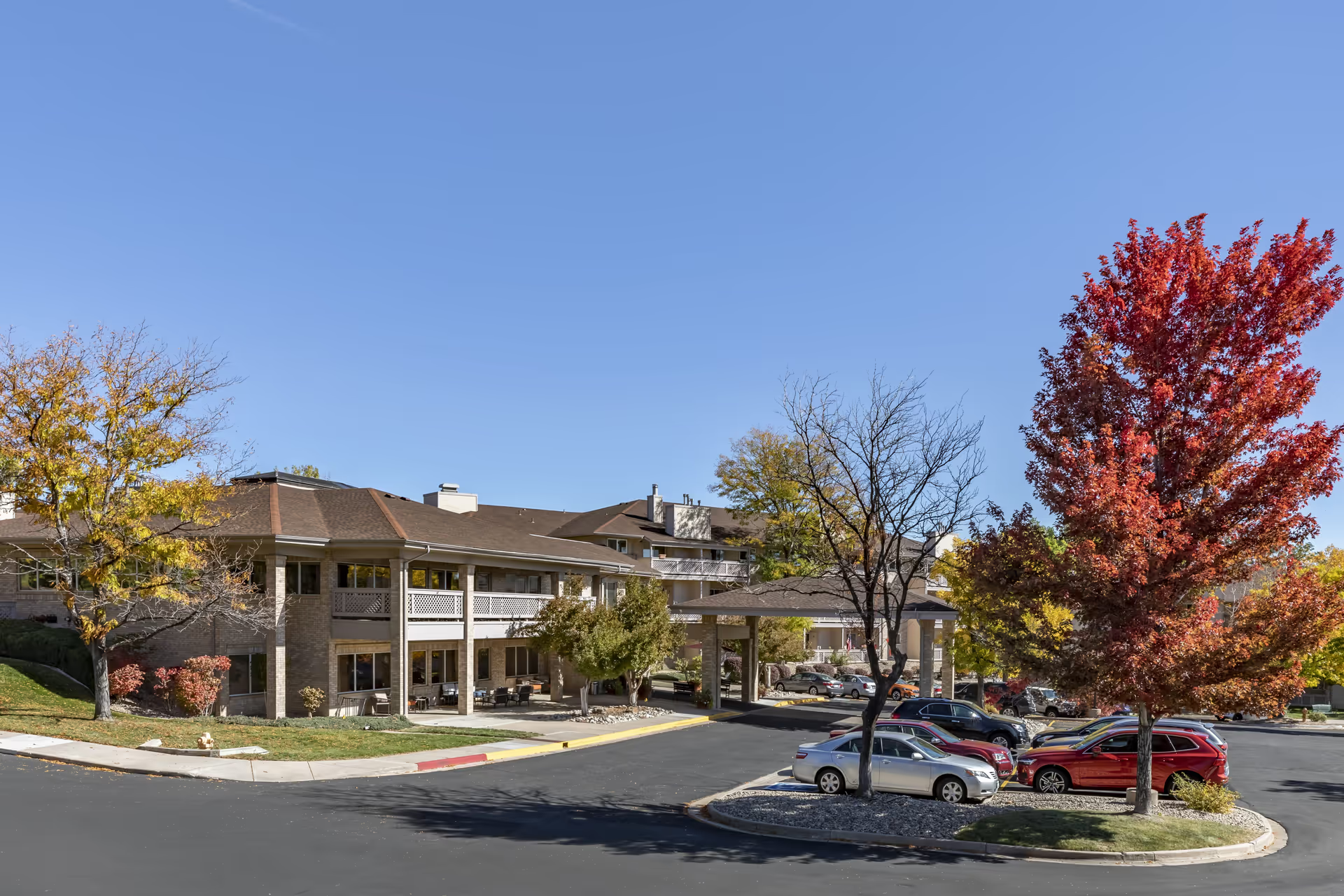
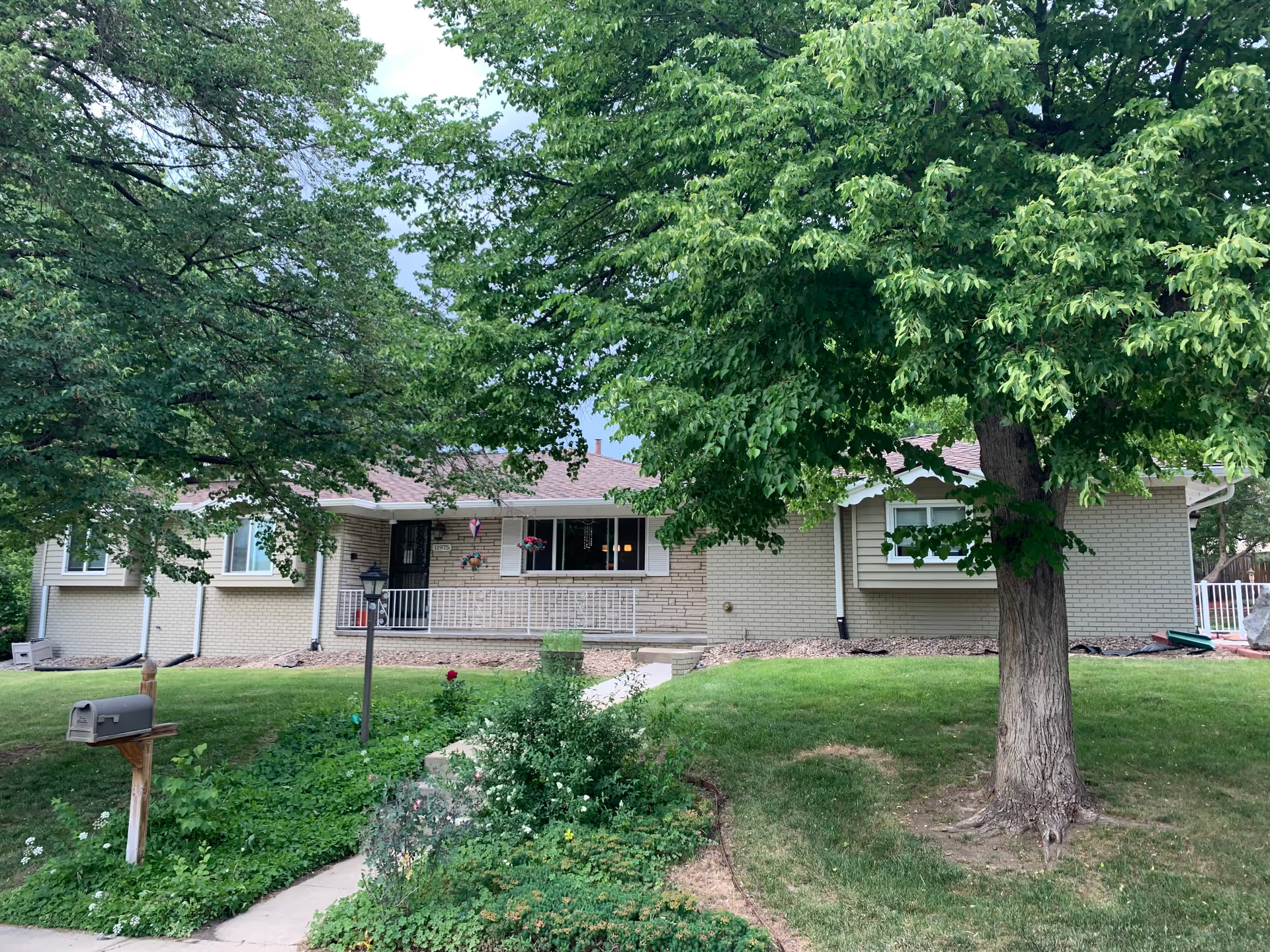
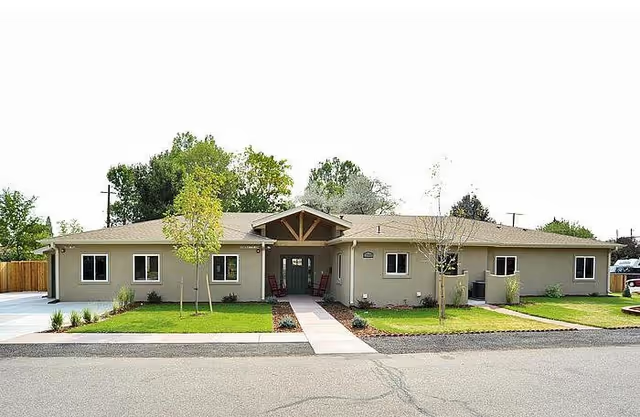
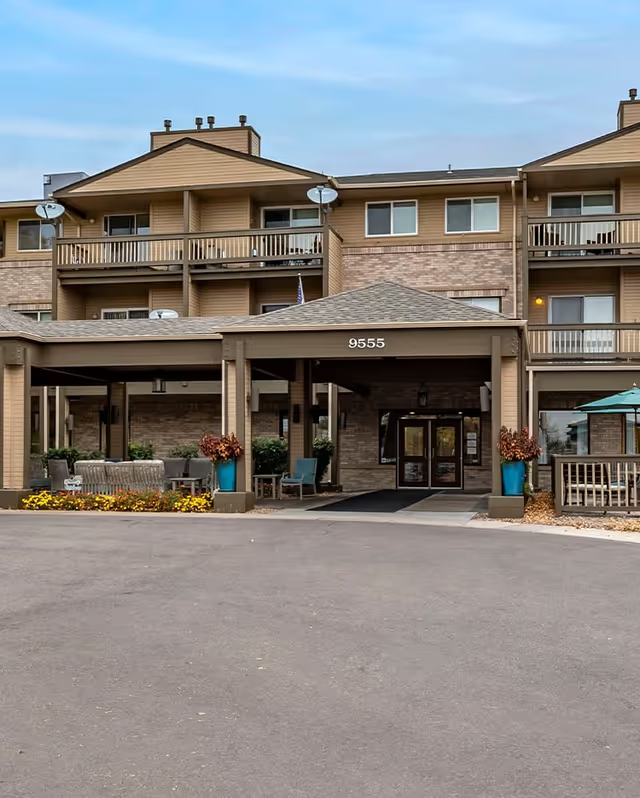
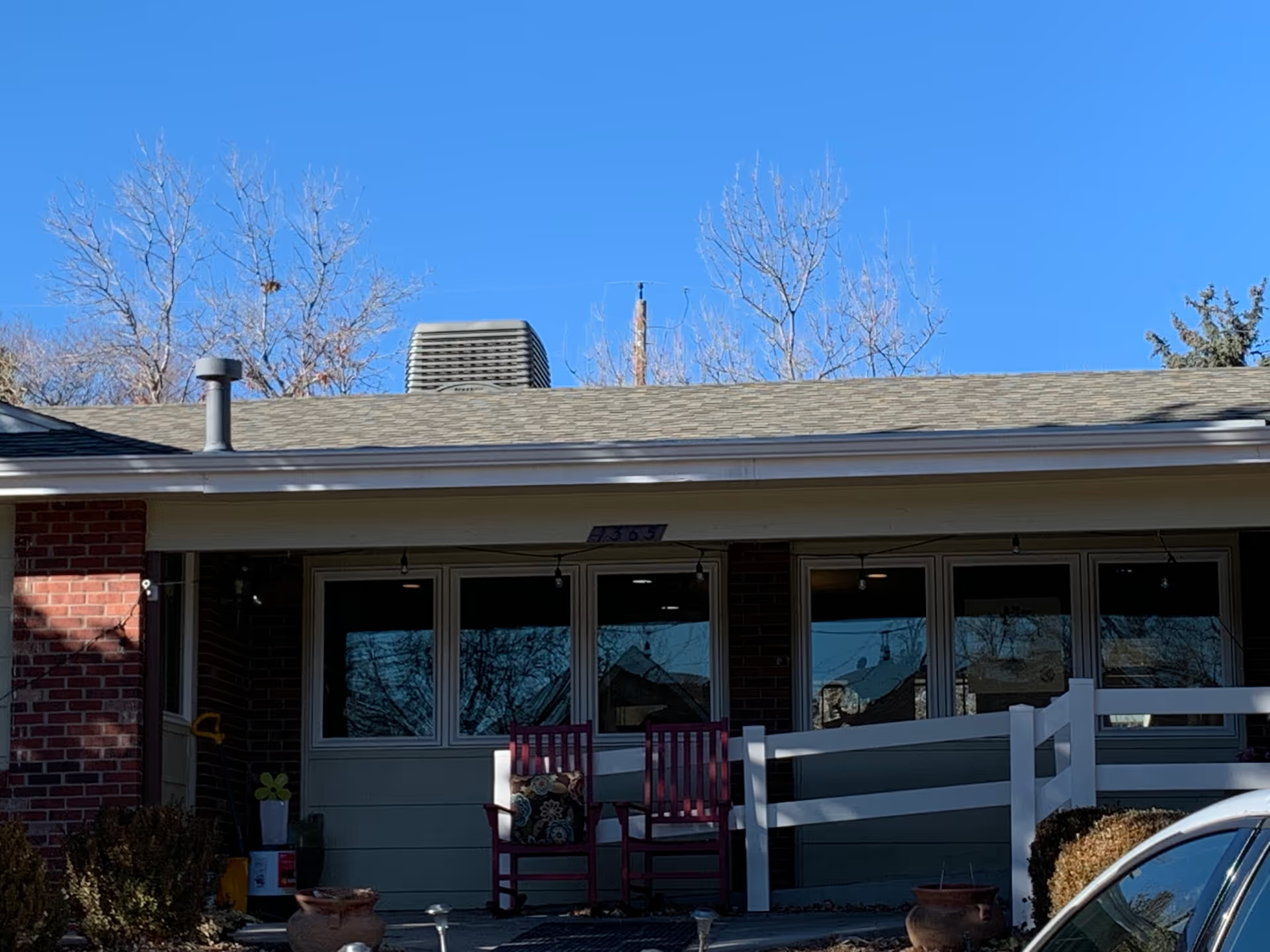
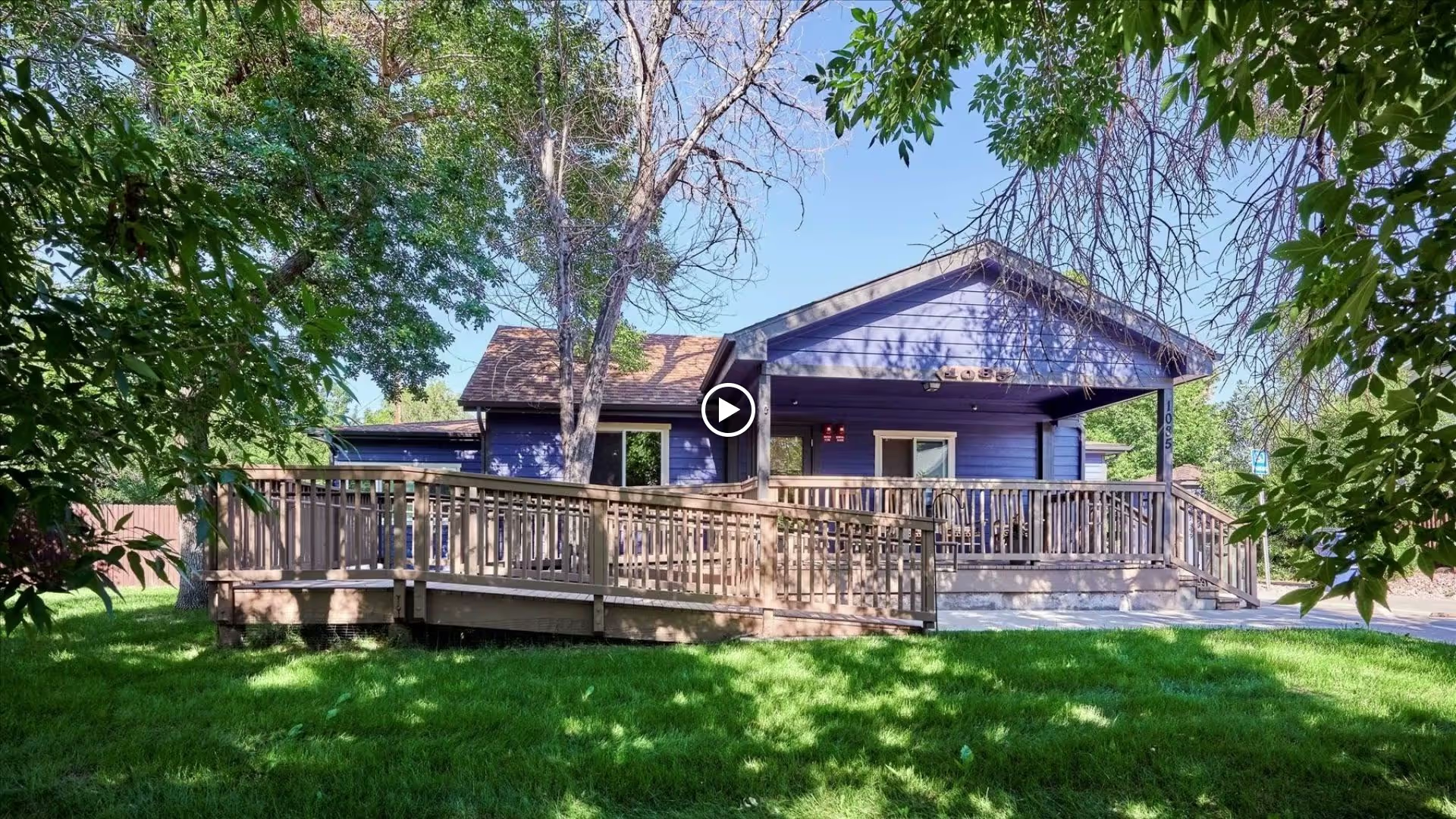
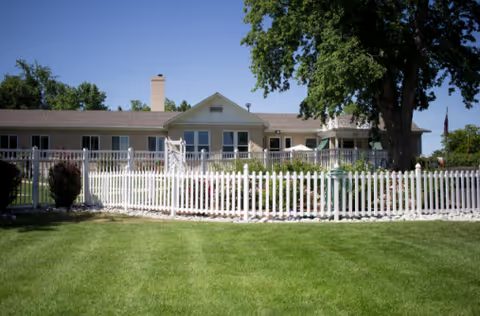
Facilities and clinical services: The physical environment is often cited as a strength: attractive exterior and lobby, clean and well-maintained common areas, and comfortable private apartments with useful appliances. Clinical services available on-site — including nursing reviews, therapy, and hospice coordination — are noted positively and appear to be an asset for families seeking integrated medical support. Nevertheless, reviewers flagged gaps in fall-risk monitoring (absence or inconsistent use of bed/chair alarms, reliance on paid 24-hour fall watches) and uneven sanitation in resident rooms and linens at times.
Management, communication, and billing: Experiences with management are mixed. Some families describe proactive, communicative leadership that listens and resolves issues; others report difficult family meetings, slow or cumbersome medication-approval processes, and opaque extra fees (alarm services, outside watchers, other add-ons). There are also serious, singular claims concerning financial or ethical conduct; these are part of the feedback pattern and warrant direct inquiry during a tour or pre-move investigation.
Notable patterns and guidance: The dataset indicates strong strengths in direct caregiving relationships, clinical integration, and facility upkeep, coupled with operational weaknesses tied to staffing, medication processes, cleanliness consistency, and management transparency. Prospective residents and families should observe staffing patterns, mealtime and activity periods, and medication-administration workflows during a visit; ask specific questions about turnover, staff training, laundry/room-cleaning schedules, fall-watch and alarm policies, and any additional fees; and request documentation of clinical protocols and how medication changes are handled. Verifying references from current families and confirming written policies on billing and safety practices will help assess whether the institutional strengths are matched by reliable day-to-day operations for a given unit or care team.