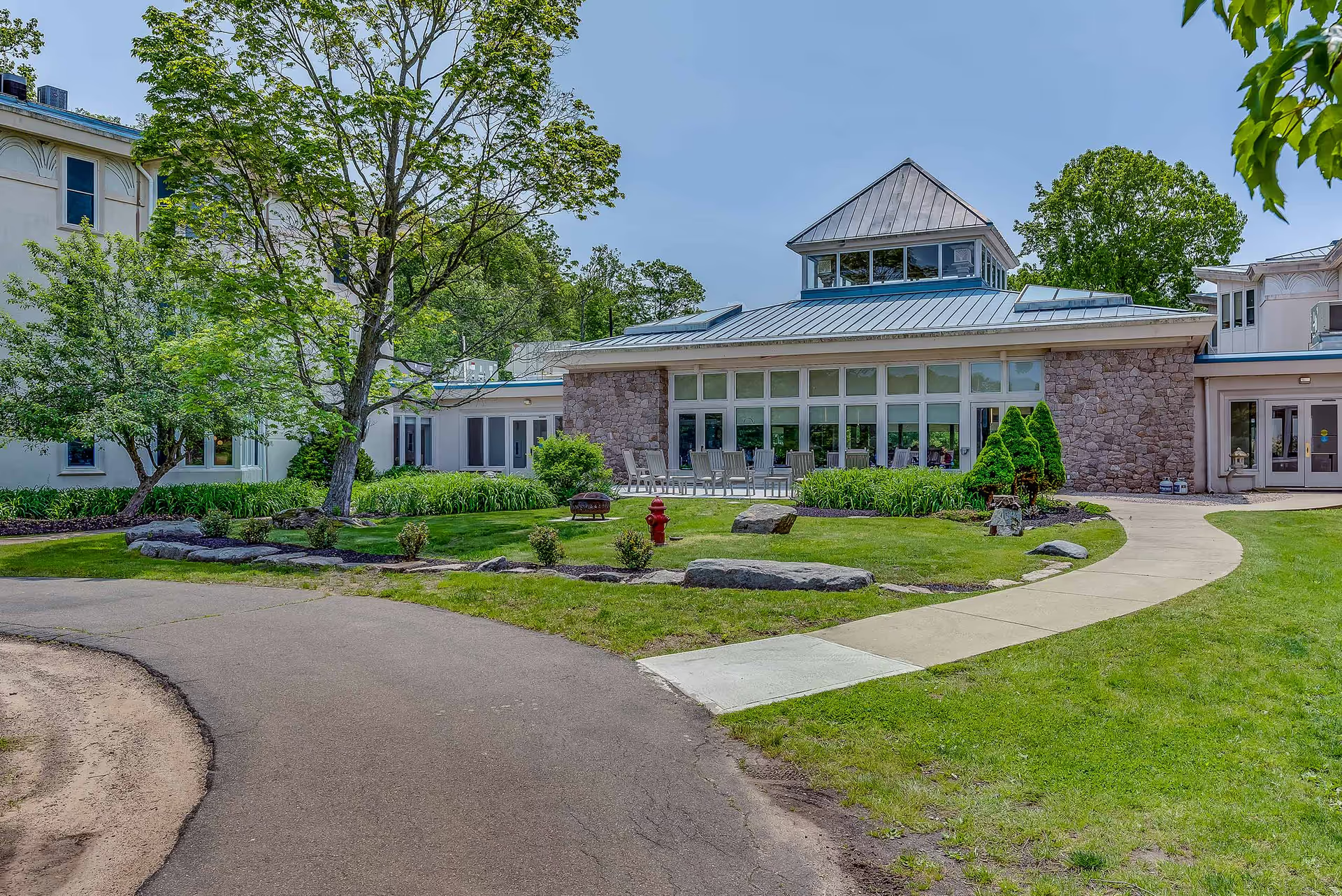
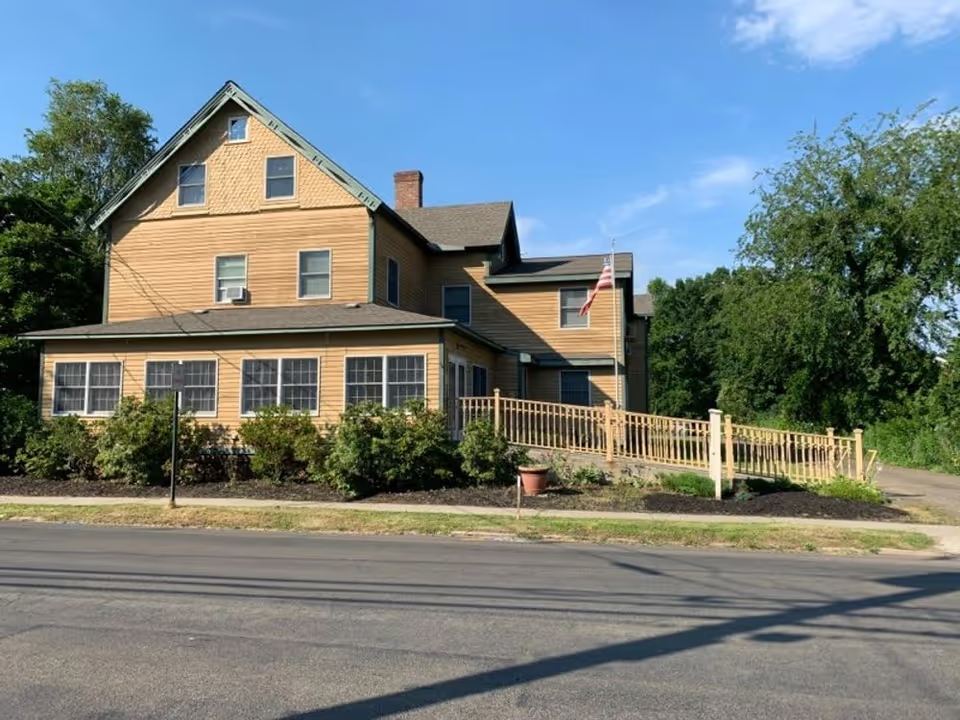
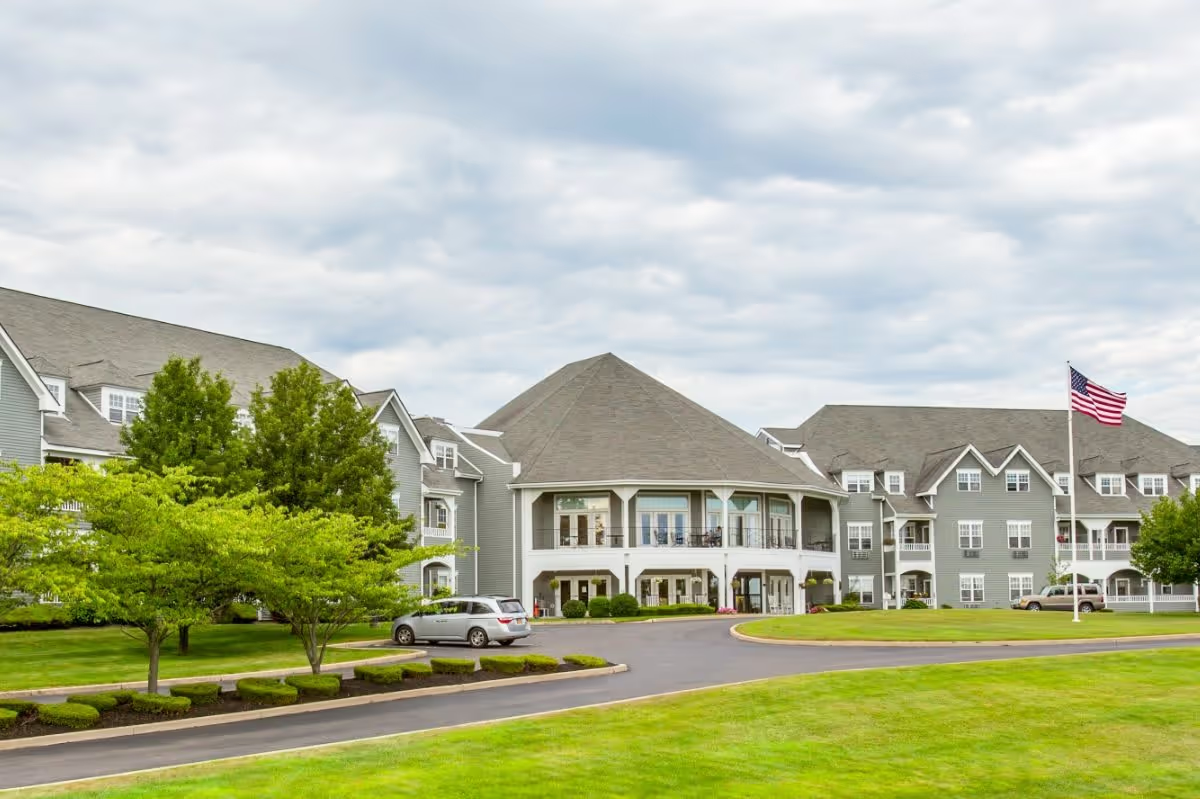
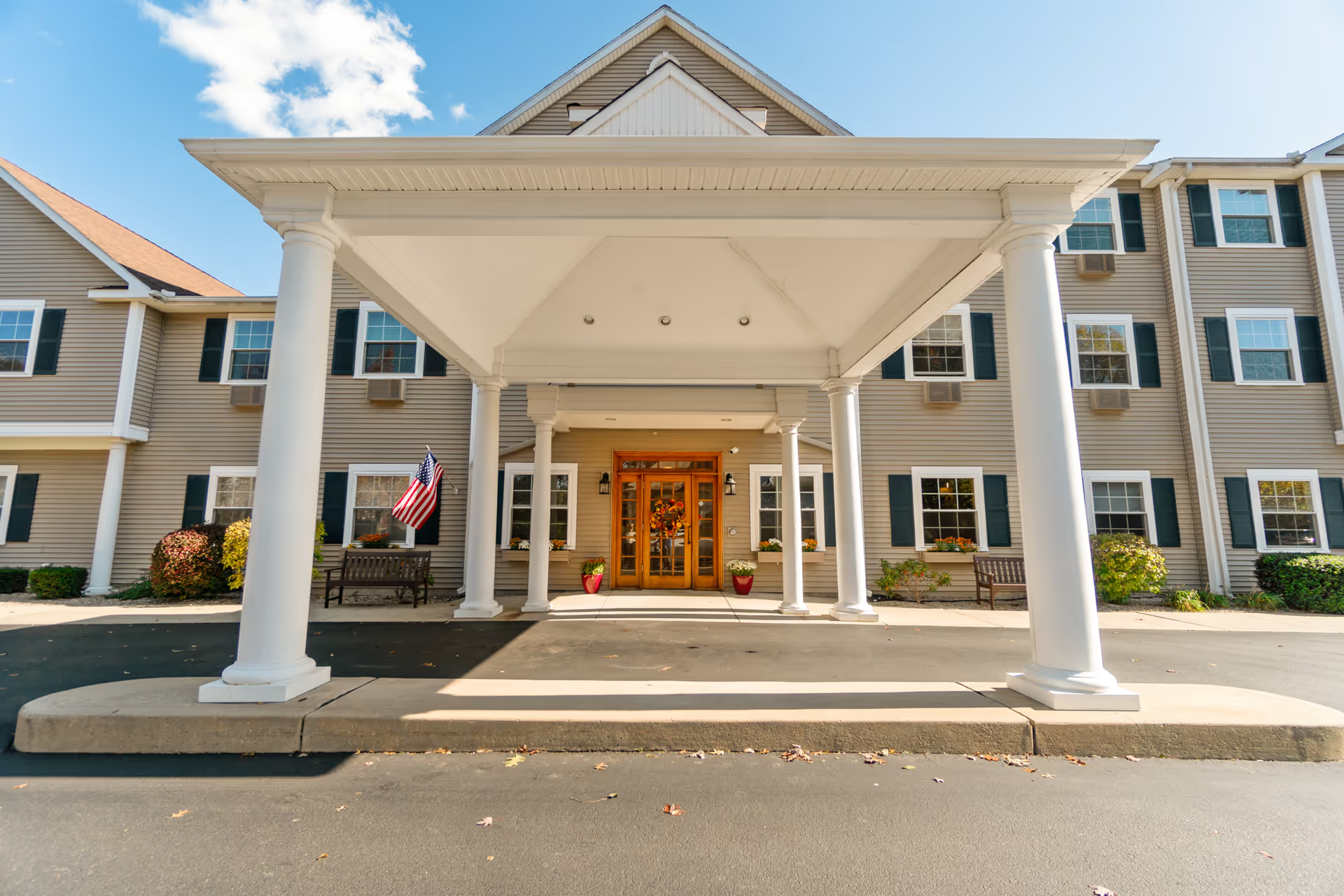
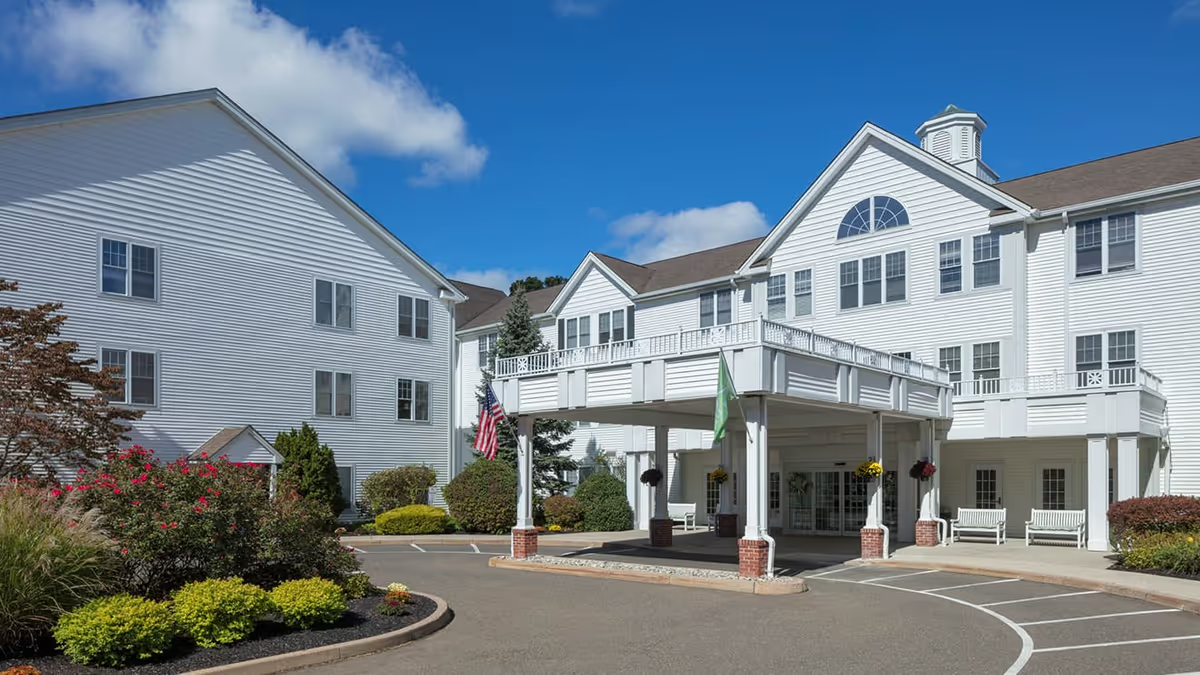
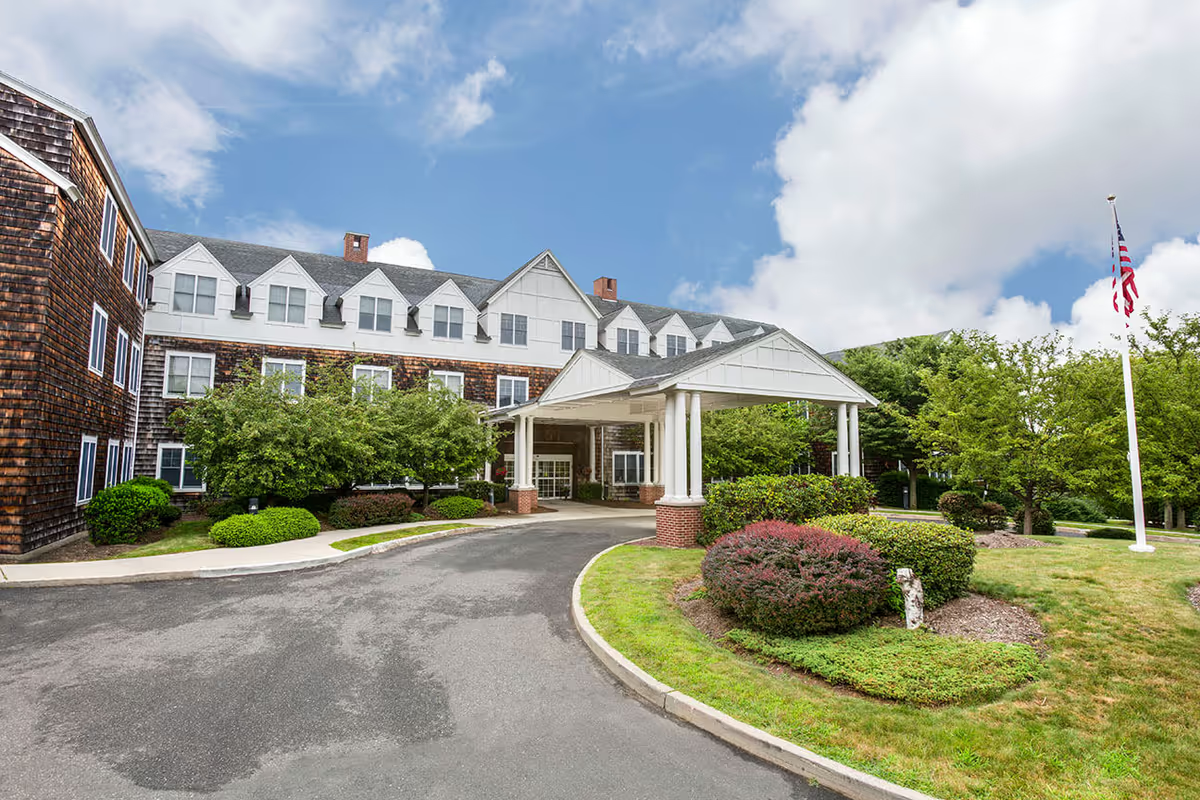
Artis Senior Living of Branford is consistently characterized as a memory-care–focused community with a high degree of cleanliness, an inviting physical environment, and a strong emphasis on personalized, resident-centered care. Families commonly describe the caregiving staff as compassionate, patient, and skilled in dementia-specific approaches; reviewers praise one-on-one attention, strong nursing presence, and the community’s capacity to support transitions to hospice and end-of-life care with dignity. The facility’s dementia-friendly layout, secure design, private single-occupancy rooms, accessible bathroom features, manicured grounds, and multiple outdoor and communal spaces are frequently cited as strengths that contribute to safety and quality of life.
Dining and daily life appear to be notable positive elements. Multiple accounts highlight well-prepared, appetizing meals and a capable culinary team, alongside a broad activities program that includes live music, art therapy, cooking, low-impact exercise, holiday events, and social outings. Life-enrichment staff are repeatedly singled out for creativity and engagement; regular programming, resident artwork displays, therapy-dog visits, and on-site amenities such as a salon and outdoor dining areas contribute to a home-like, socially active atmosphere that many families report improves resident mood and engagement.
Operationally, the community shows strengths in housekeeping, laundry, move-in coordination, and routine family communication and transparency. Reviewers describe a seamless admissions process in many cases and responsive community-relations staff who facilitate family involvement. The facility is also positioned by some as good value relative to other local options, combining high-quality amenities with competitive pricing.
At the same time, a pattern of operational concerns emerges in the reviews. Staffing shortages and resultant burnout risk are recurring themes; these pressures appear to contribute to variability in staff responsiveness and conduct. Several accounts describe lapses in communication during clinical incidents, including family notification after significant events, which points to gaps in clinical-incident response protocols and escalation procedures. There are also concerns about human-resources practices, including perceptions of punitive attendance policies and uneven managerial handling of staff issues, which a few families linked to staff turnover or morale problems.
Other, smaller but recurring issues include variability in meal-temperature and occasional menu repetition, and practical limitations such as relatively compact room footprints and localized accessibility constraints that may affect mobility within certain areas. Leadership changes were noted by some families; although many said day-to-day care quality remained steady, the turnover contributes to uneven managerial impressions among reviewers.
Overall, Artis Senior Living of Branford is portrayed as a high-quality, memory-care–specialized community with strong programming, clean and attractive facilities, and a broadly praised caregiving team. Prospective residents and families should weigh these strengths against operational caveats—notably staffing stability, communication protocols for clinical incidents, and specific accessibility needs—and discuss those areas during a tour (ask about staffing ratios, incident-notification procedures, meal-service practices, and room dimensions) to ensure alignment with individual care priorities.