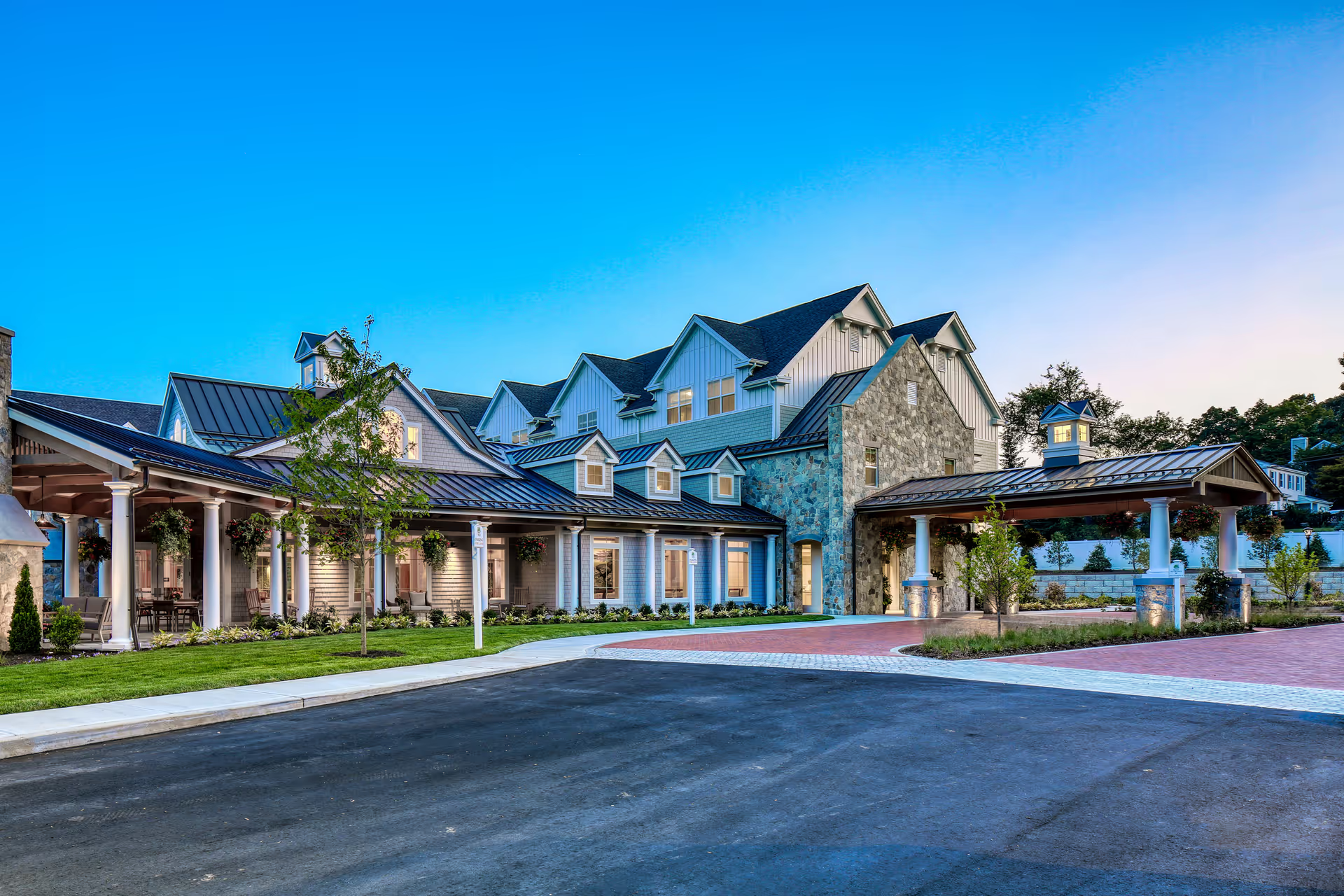
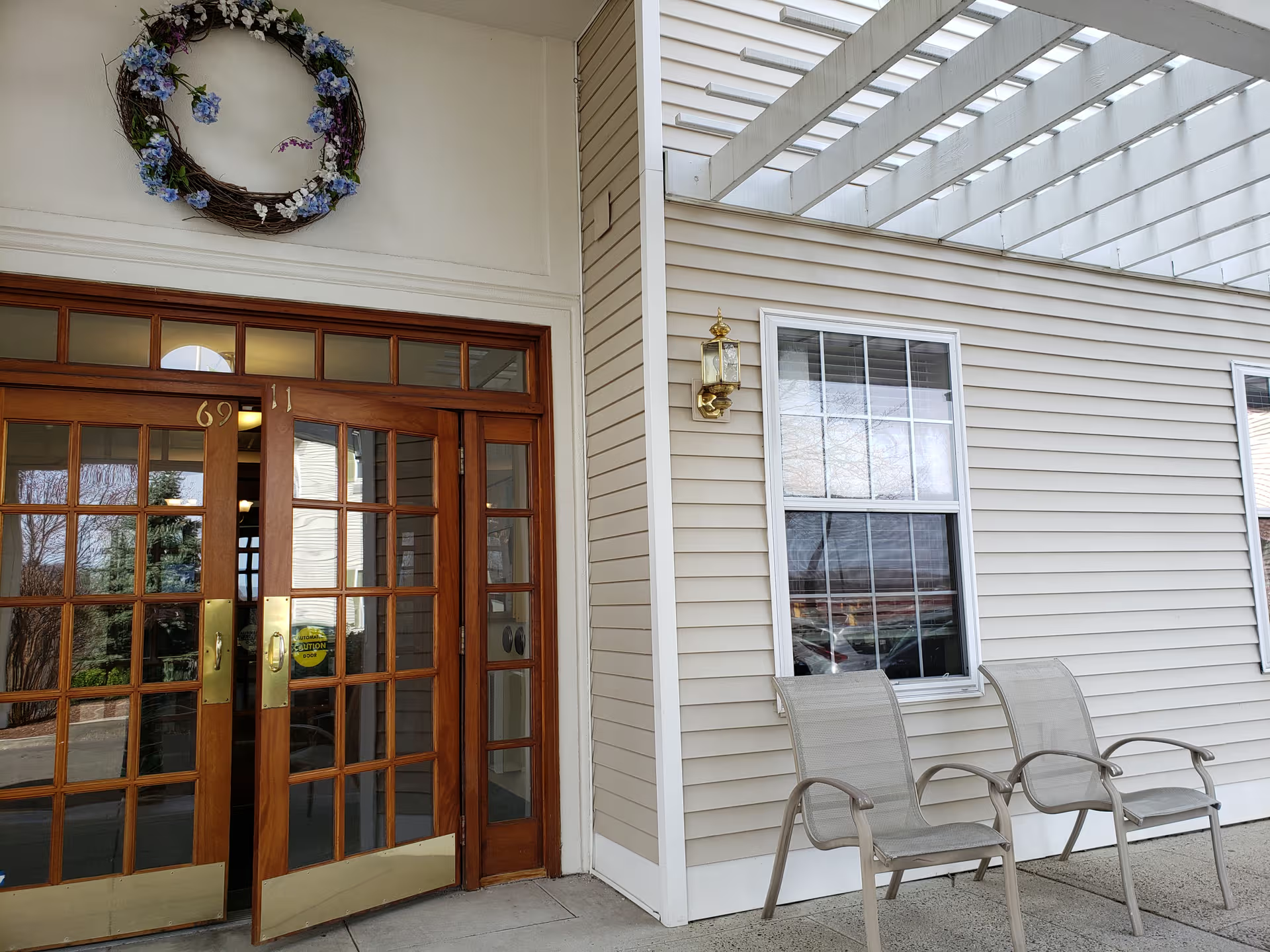
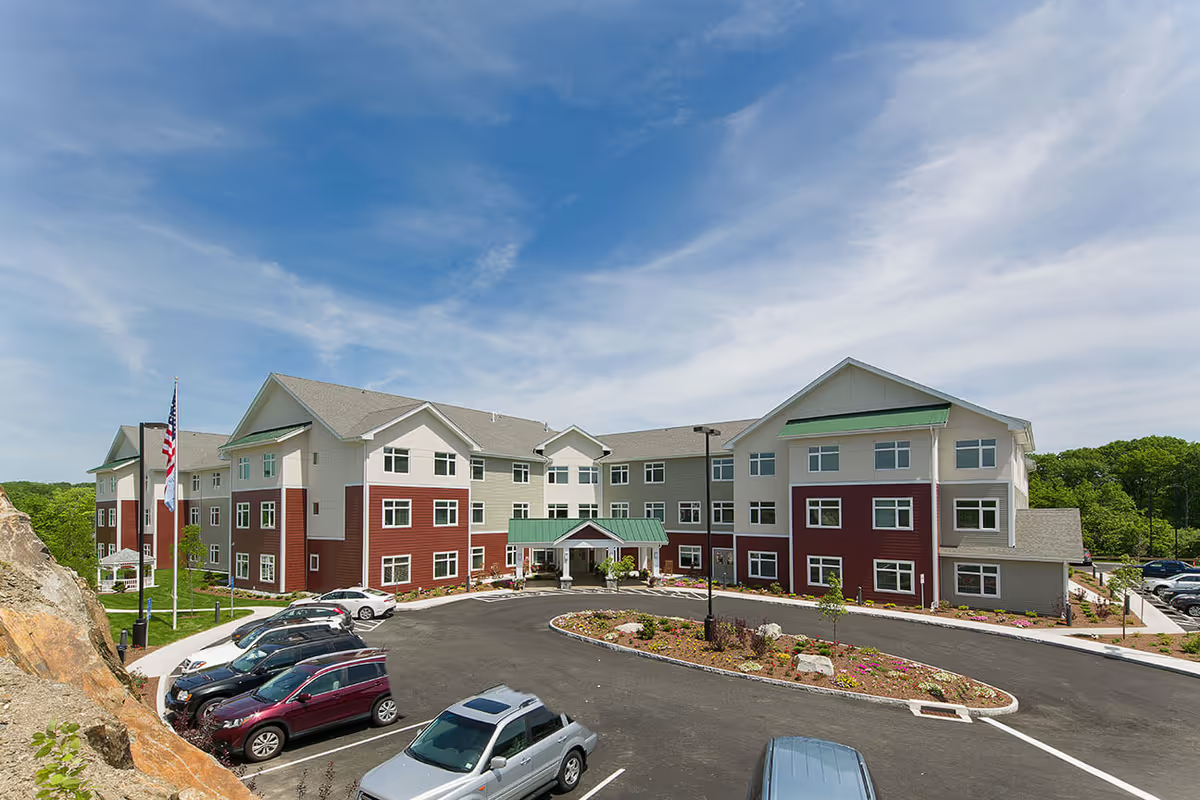
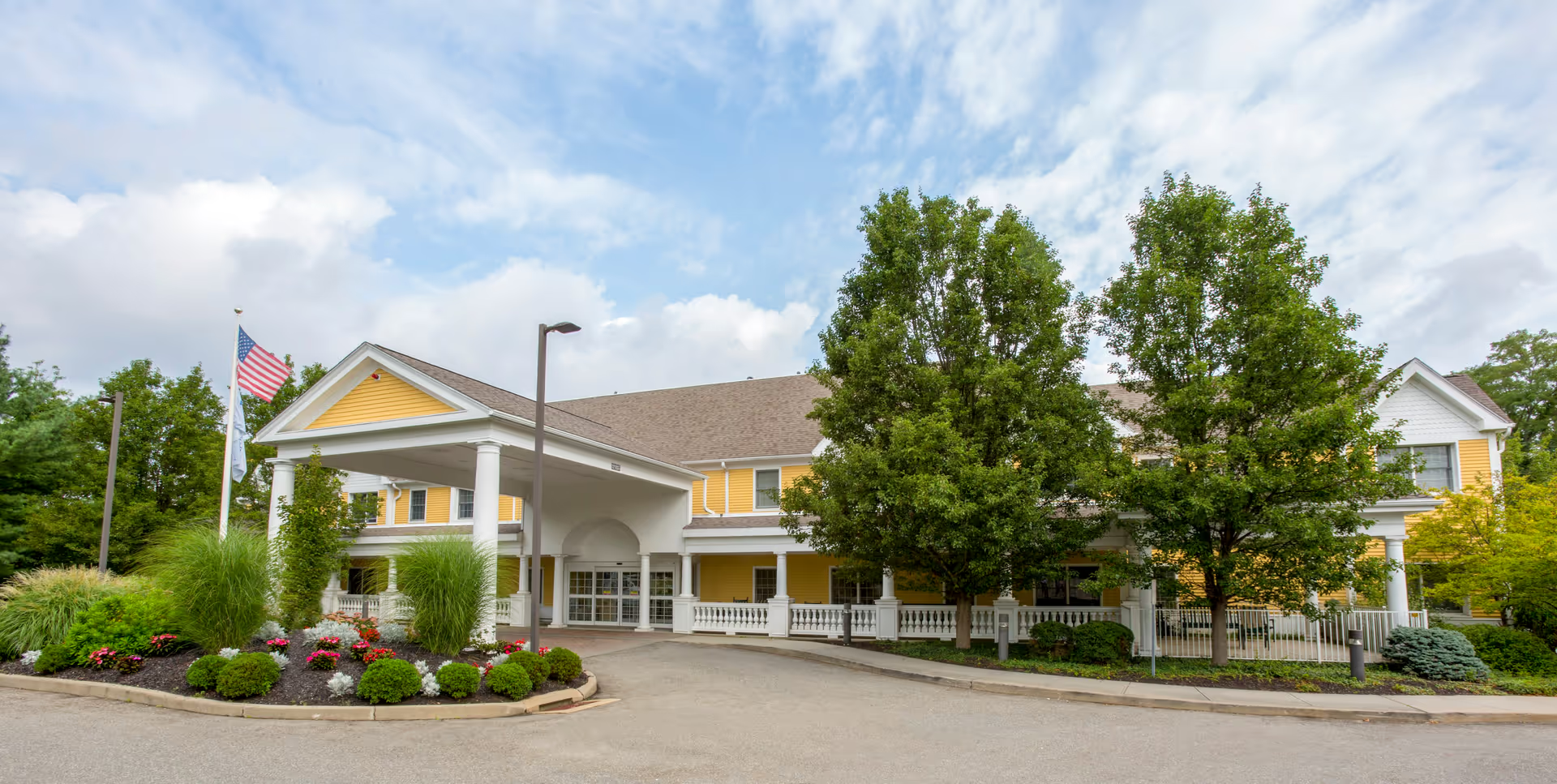
The reviews present a polarized picture: many families highlight strong clinical and rehabilitative capabilities, while others describe operational and communication shortfalls. Strengths most consistently cited include compassionate direct-care staff, a skilled therapy team that supports short-term mobility gains, an active activities program with clubs and outings, and a generally clean, hotel-like facility environment. Several reviewers praised timely medication delivery, responsive meal substitutions, and helpful social-work and reception personnel who facilitate family engagement.
At the operational level, recurring concerns indicate uneven performance across shifts or units. Families described variability in staff conduct and tone—ranging from courteous and personable to blunt or dismissive—and instances of perceived staffing shortages that appear to contribute to delays in assistance for bathing, toileting, and other personal-care needs. There are also specific clinical-safety issues raised, including medication administration errors and documentation gaps, and concerns about skin-integrity and transfer-safety processes; these suggest opportunities to strengthen clinical controls and staffing consistency.
Dining and dietary management receive mixed feedback. Many reviewers praise the food quality and the facility's willingness to accommodate tray substitutions, but there are also reports of menu deviations and weaknesses in allergy or dietary handling procedures. Family communication and accessibility are another area of contrast: some families singled out an engaged director of social work and responsive staff, while others reported poor phone access, lack of timely updates, and a receptionist or front-desk experience that felt unhelpful. A few reviewers expressed a perception that administrative priorities emphasize billing and occupancy, and there are allegations of mishandling or loss of personal belongings that warrant direct inquiry during a visit.
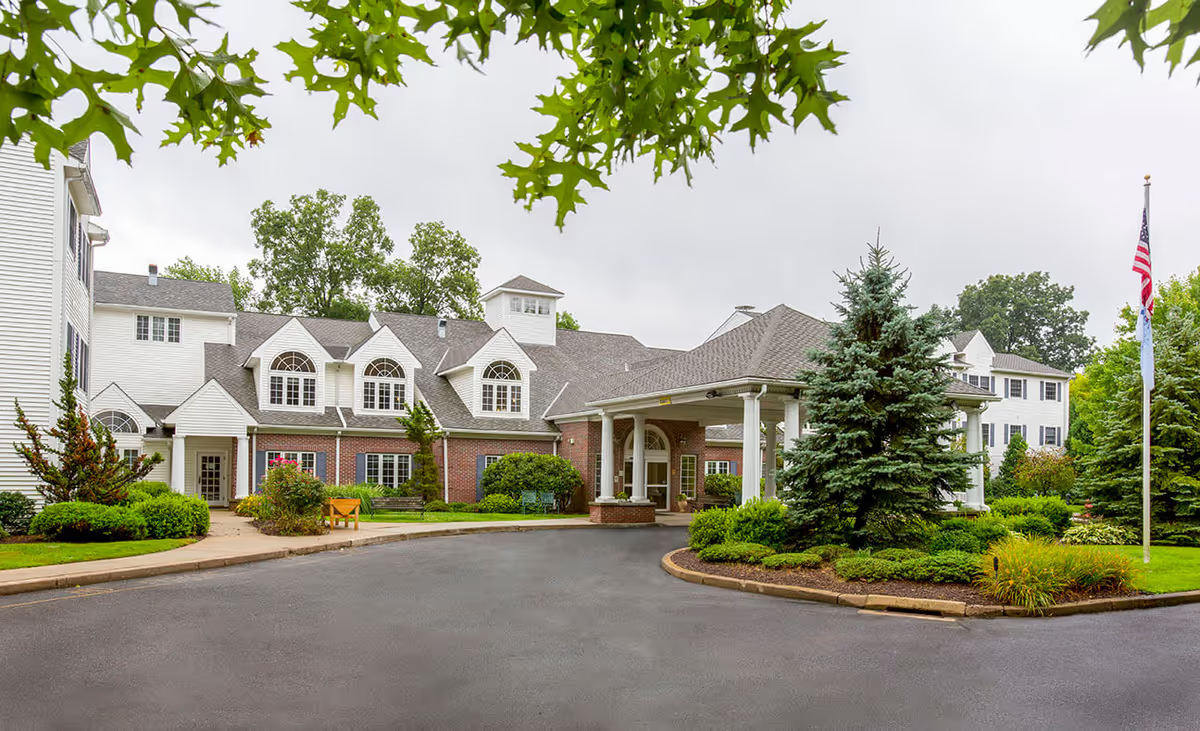
Facility upkeep is generally commended—clean floors, fresh smells, and visible hygiene stations are positive recurring notes—yet several comments point to sanitation inconsistencies and occasional odor concerns in specific areas. Activities and social programming are often described as robust and person-centered, but availability and consistency of those programs appear to vary. Overall, the pattern is one of strong pockets of clinical and social strength combined with uneven operational reliability.
For prospective residents and families: an in-person tour and targeted questions are advisable. Ask about staffing ratios by shift, protocols for medication administration and documentation, allergy and dietary procedures, sanitation and laundry schedules, incident and property-handling policies, and mechanisms for family communication (including phone access and point-of-contact). Request references from current or recent families and, if possible, meet the therapy and social-work leads to assess fit and consistency prior to placement.