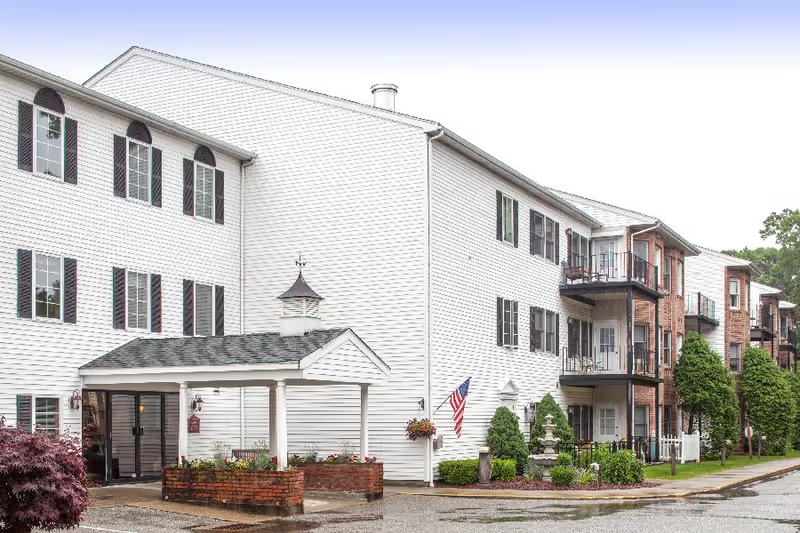
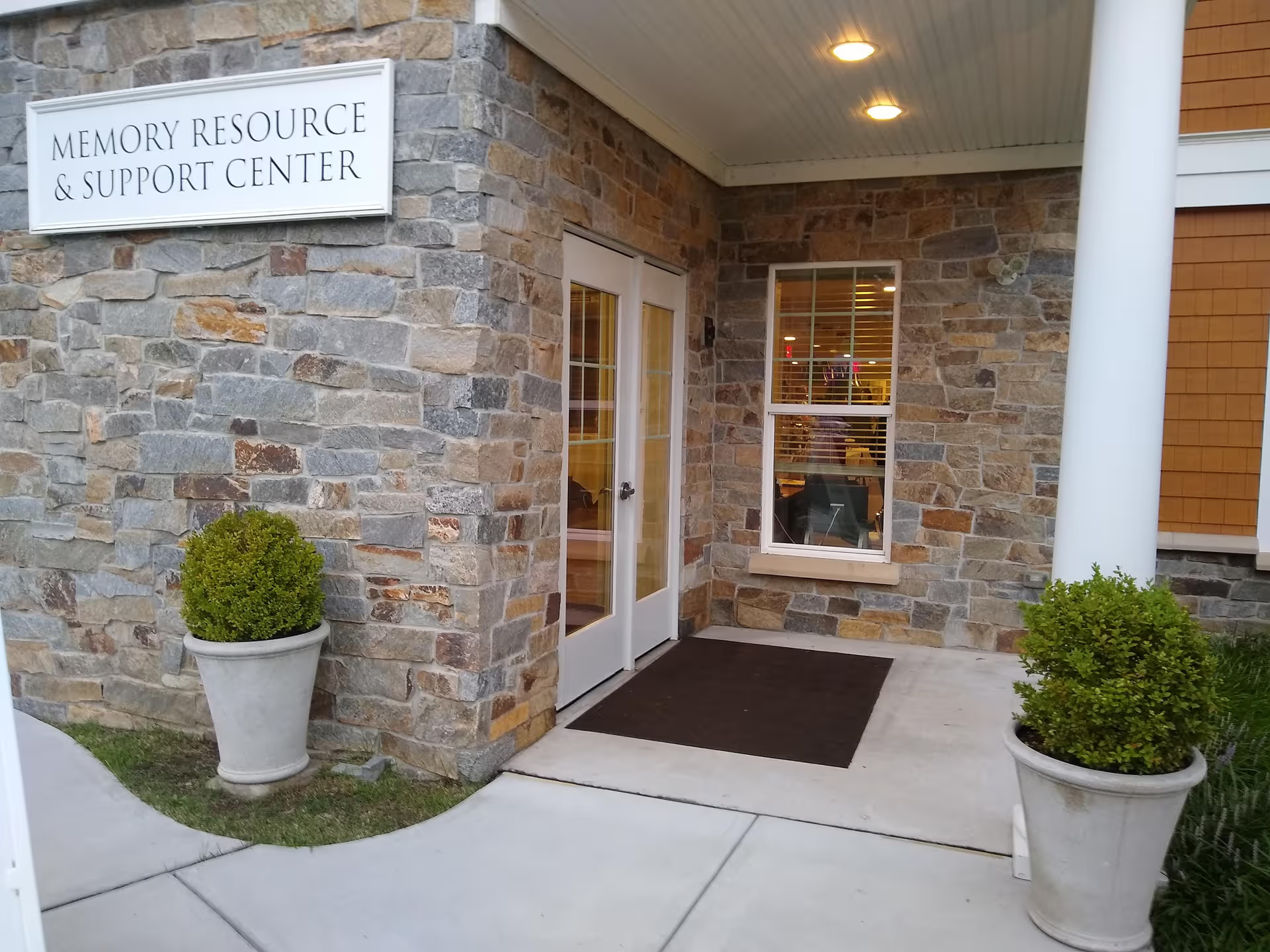
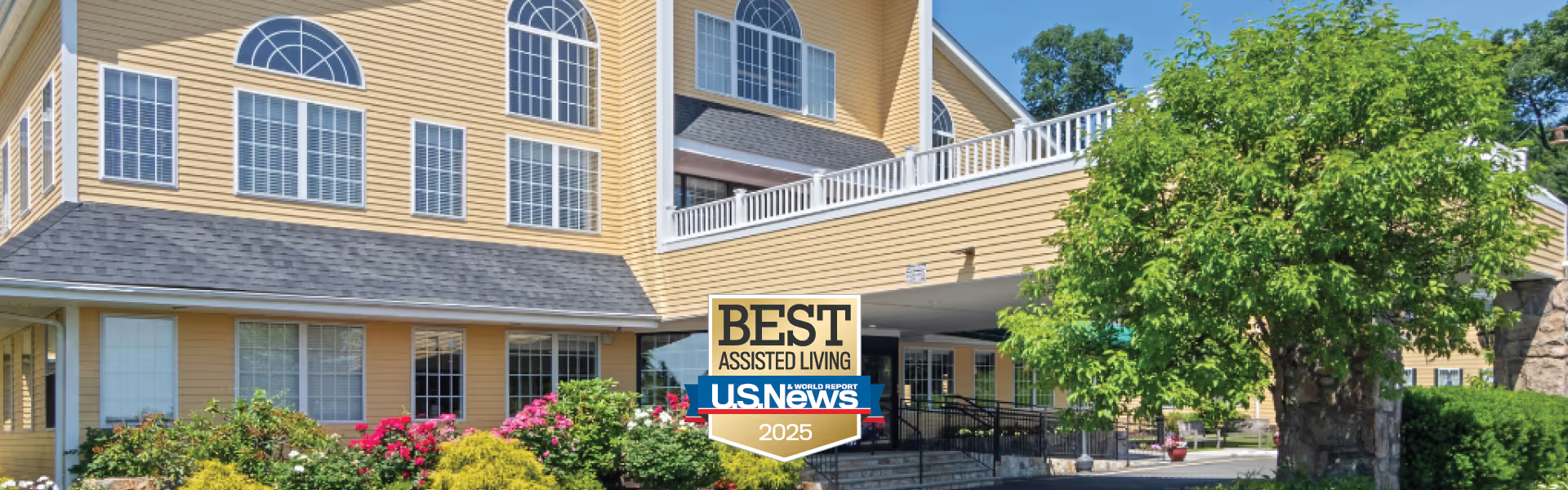
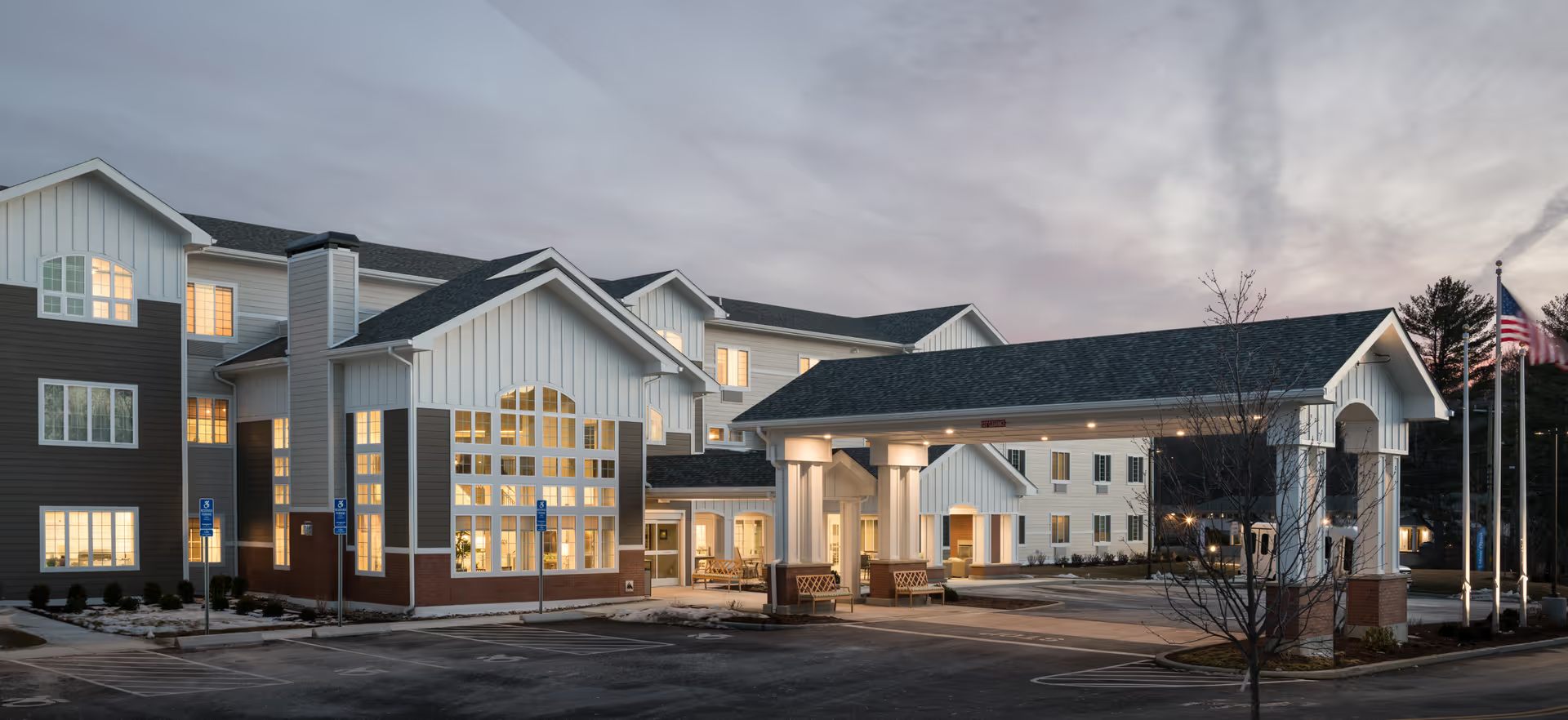
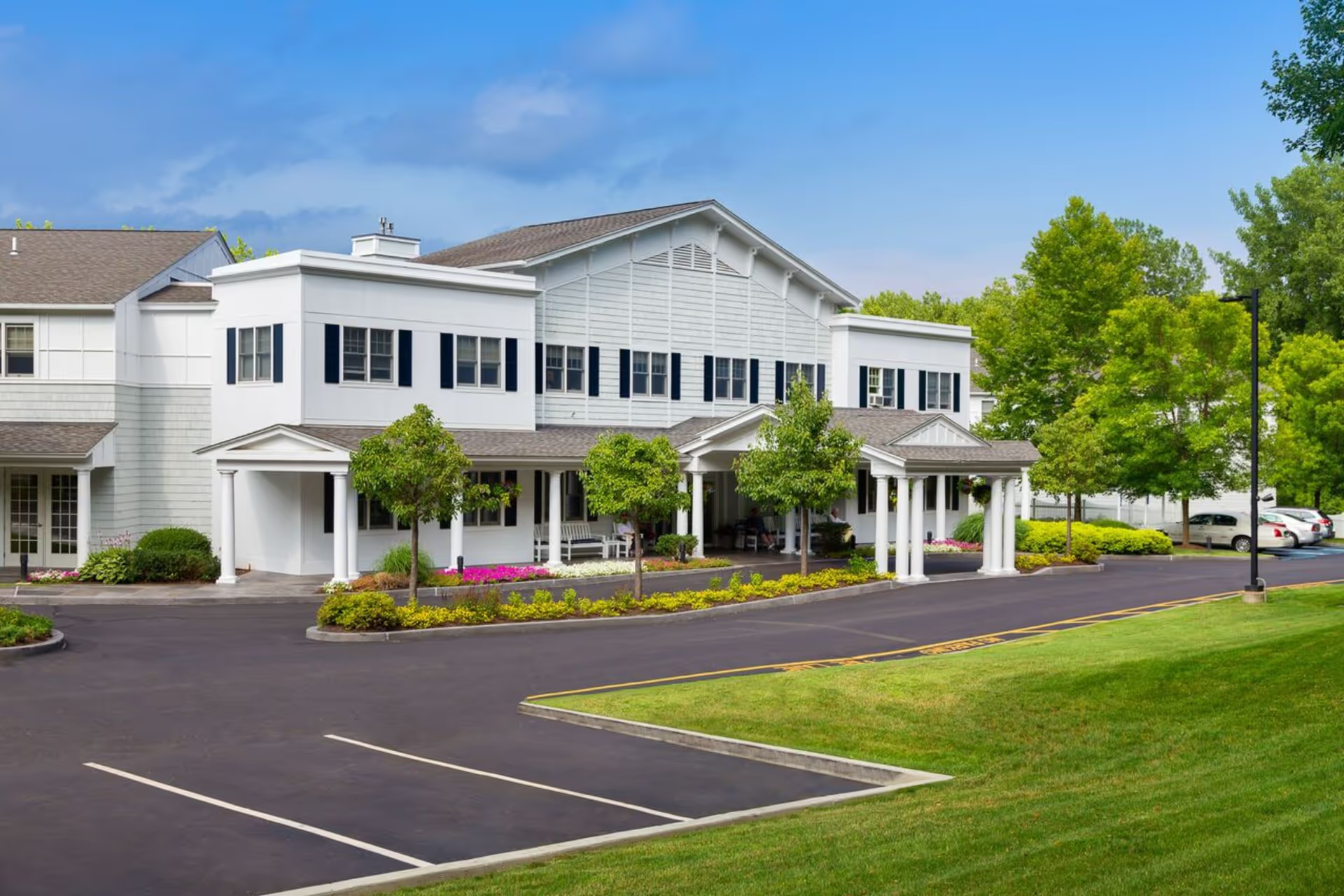
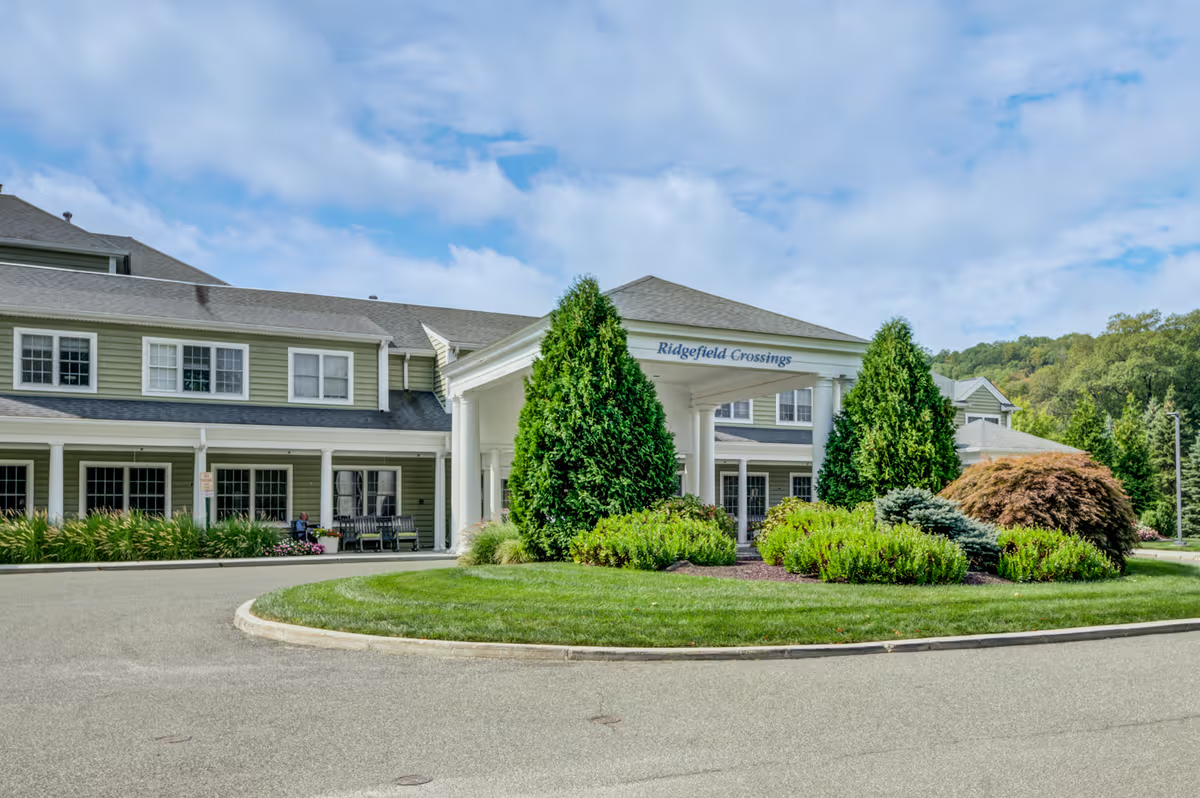
Maplewood at Danbury is described by many families as a recently renovated, upscale assisted‑living community with a small, home‑like scale. The facility consistently receives praise for its cleanliness, contemporary finishes, sunroom/greenhouse spaces, and private apartment layouts with modern bathrooms. Many reviewers highlighted the institution’s focus on memory care and aging‑in‑place, noting that the community can accommodate progressive needs without frequent relocations.
Care quality and staffing are central themes. Numerous accounts emphasize compassionate, experienced caregivers, a high staff‑to‑resident ratio in practice, and visible leadership on the dementia unit (including extensive dementia training and a hands‑on director). Clinical resources on site — including 24/7 RN coverage, visiting physicians, therapy services, and skilled nursing capabilities — are cited as strengths that provide families with reassurance. At the same time, recurring operational concerns appear around staffing consistency: reviewers report occasional delays in response, inconsistent implementation of individualized care plans (for example, bathing and wardrobe changes), and moments of limited staff presence. These comments suggest variability in day‑to‑day responsiveness despite strong overall clinical capacity.
Dining and programming are frequently noted positives. The community’s farm‑to‑table concept, chef‑driven menus, and attractive dining room presentation receive high marks; many residents and families praise the quality of meals and social dining experience. The activity program is broad and customizable, with structured cognitive offerings (brain gym/brain center), frequent live entertainment, outings, and individualized opportunities that contribute to social engagement. However, some reviewers describe variability in food quality and point to kitchen staffing inconsistencies; a number also noted occasional dining‑service understaffing during meal periods.
Facility features and location present a mixed picture. The interior spaces are described as well maintained, bright, and thoughtfully designed, with amenities such as a private dining room, salon, and secured outdoor patio. The community’s small size supports close relationships between staff and residents. Conversely, the urban site results in limited outdoor grounds, constrained exterior living space, traffic and noise from the nearby hospital, tight parking, and views that some find less desirable. These location characteristics may be important for families prioritizing extensive outdoor space or easy parking.
Management, contracts, and operations generate both praise and caution. Many families report good communication, responsive administration, and strong transition support. Other reviewers identified operational and financial friction points: complex move‑in costs (deposits, community fees), lease terms that include rent while a resident is hospitalized, periodic price increases, and isolated billing disputes. Housekeeping and laundry service inconsistencies were noted in a subset of accounts. A small number of reviewers raised serious concerns regarding medication management practices and staff conduct; these comments are not the prevailing theme but warrant direct inquiry during touring and contracting.
Overall, Maplewood at Danbury appears to excel at providing an engaging, medically supported, dementia‑focused assisted‑living environment in an upscale, small‑community setting. The dominant pattern is one of attentive, personable care, strong activity and dining programs, and a clean, modern facility. Prospective residents and families should balance those strengths against operational tradeoffs: verify current staffing ratios and responsiveness, clarify care‑plan adherence processes, review billing and lease terms closely, and assess how the community’s urban location and limited outdoor space align with personal preferences. Visiting the memory unit, meeting unit leadership, and asking for recent examples of how care‑plan lapses and serious concerns are addressed will help families evaluate fit and risk tolerance.