Whispering Pines presents a mixed but distinct profile: it is often praised for strong rehabilitation services, an active social program, attractive outdoor spaces, and restaurant-style dining, while also generating persistent operational concerns related to staffing, supervision, and certain aspects of basic care.
Care quality for short-term rehabilitation is a consistent strong point. The therapy teams (PT/OT) are frequently described as effective and intensive, with multiple sessions per week and measurable functional improvement for many residents. Several families credited the therapy program with rapid gains in mobility and successful discharge planning. At the same time, reviews describe variability in day-to-day clinical oversight: examples include delayed wound follow-up, inconsistent attention to basic personal-care needs, and residents spending extended periods in bed when more active care was expected. These descriptions suggest strengths in structured rehab programming but gaps in ongoing nursing and clinical supervision for residents with complex needs.
Staffing and management responses are another area of contrast. Numerous comments highlight warm, courteous, and compassionate caregivers, and some reviewers reported that owners and administrators are visibly involved and approachable. Conversely, other accounts point to staffing shortages, inconsistent coverage, and supervisory shortfalls that result in delays responding to call systems and variable care delivery. Management has acknowledged pandemic-related challenges in some accounts, but persistent communication gaps with families and uneven supervision remain recurring themes.
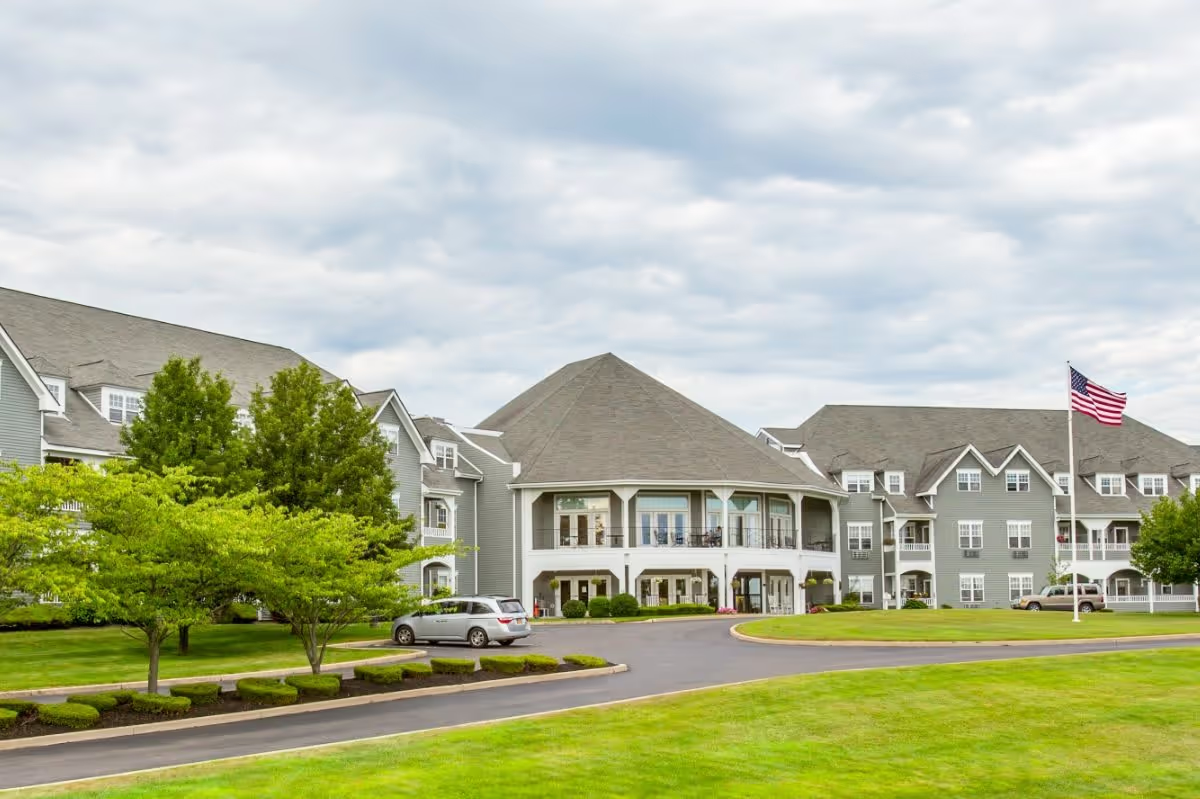
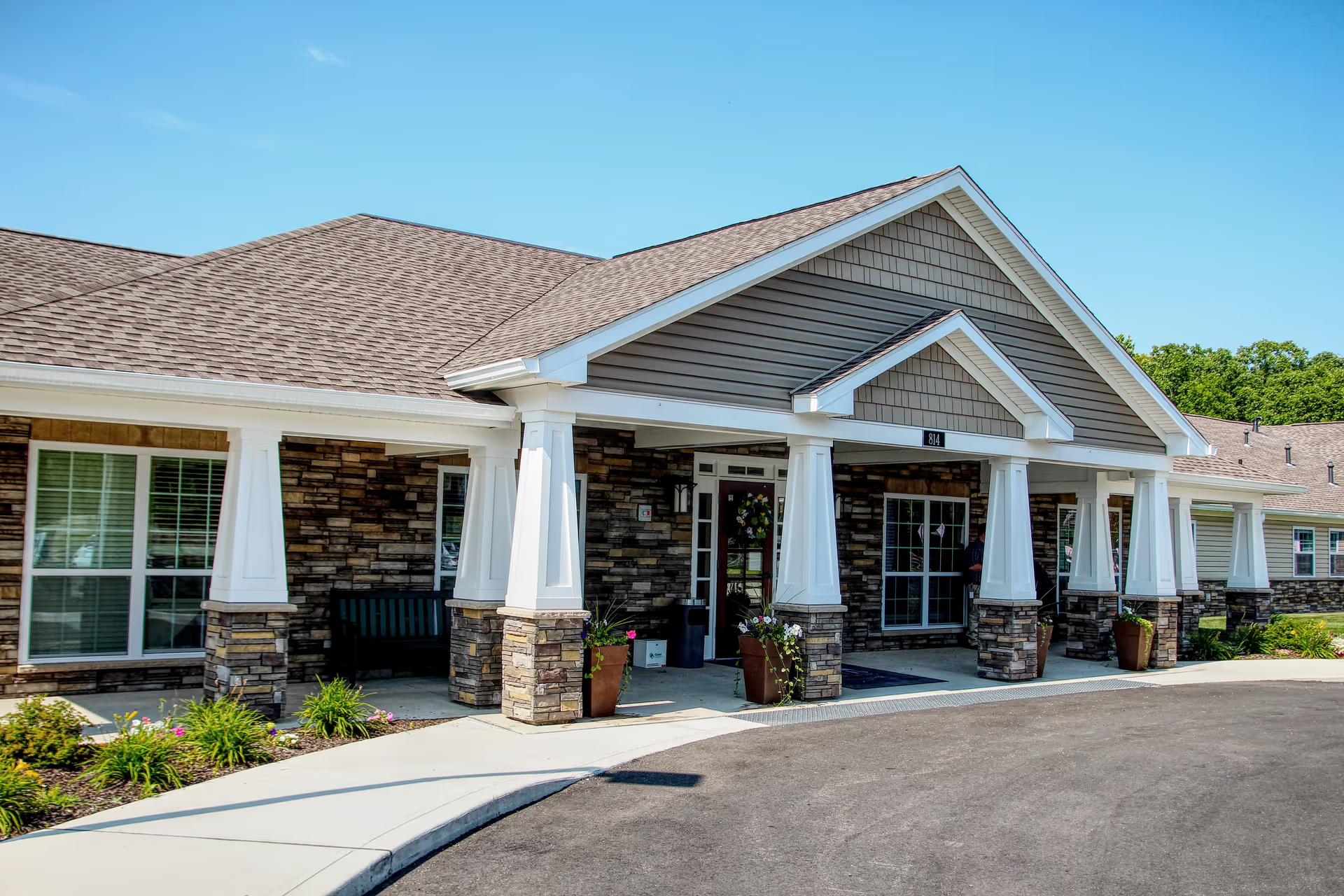
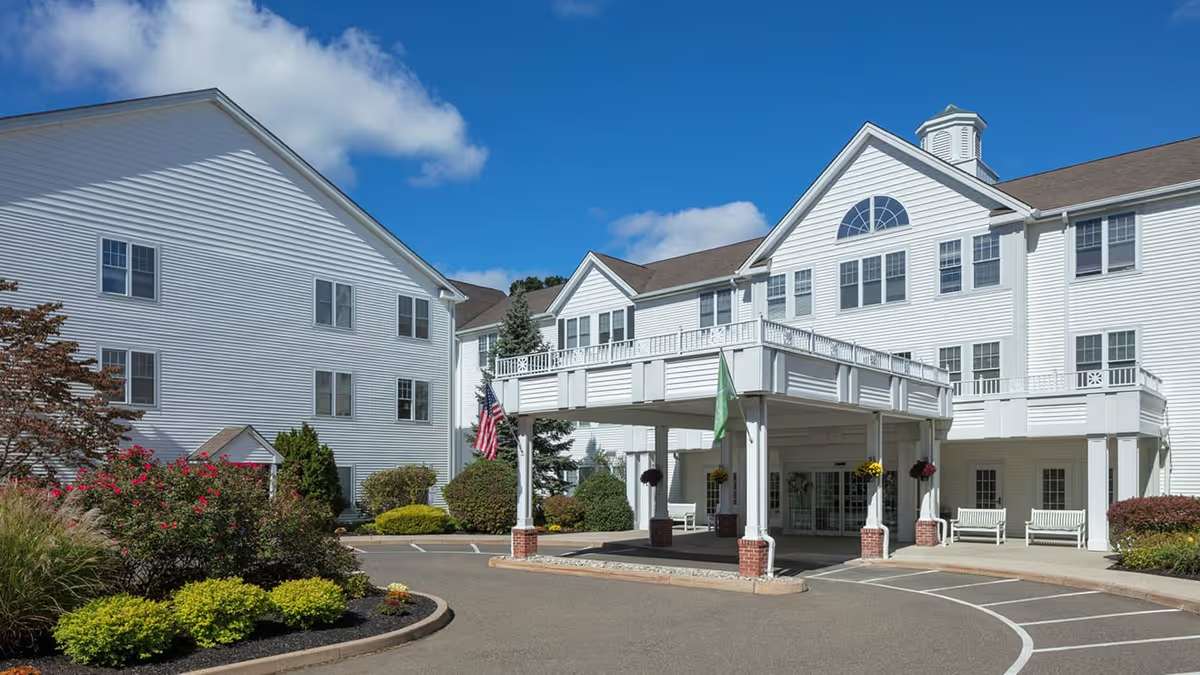
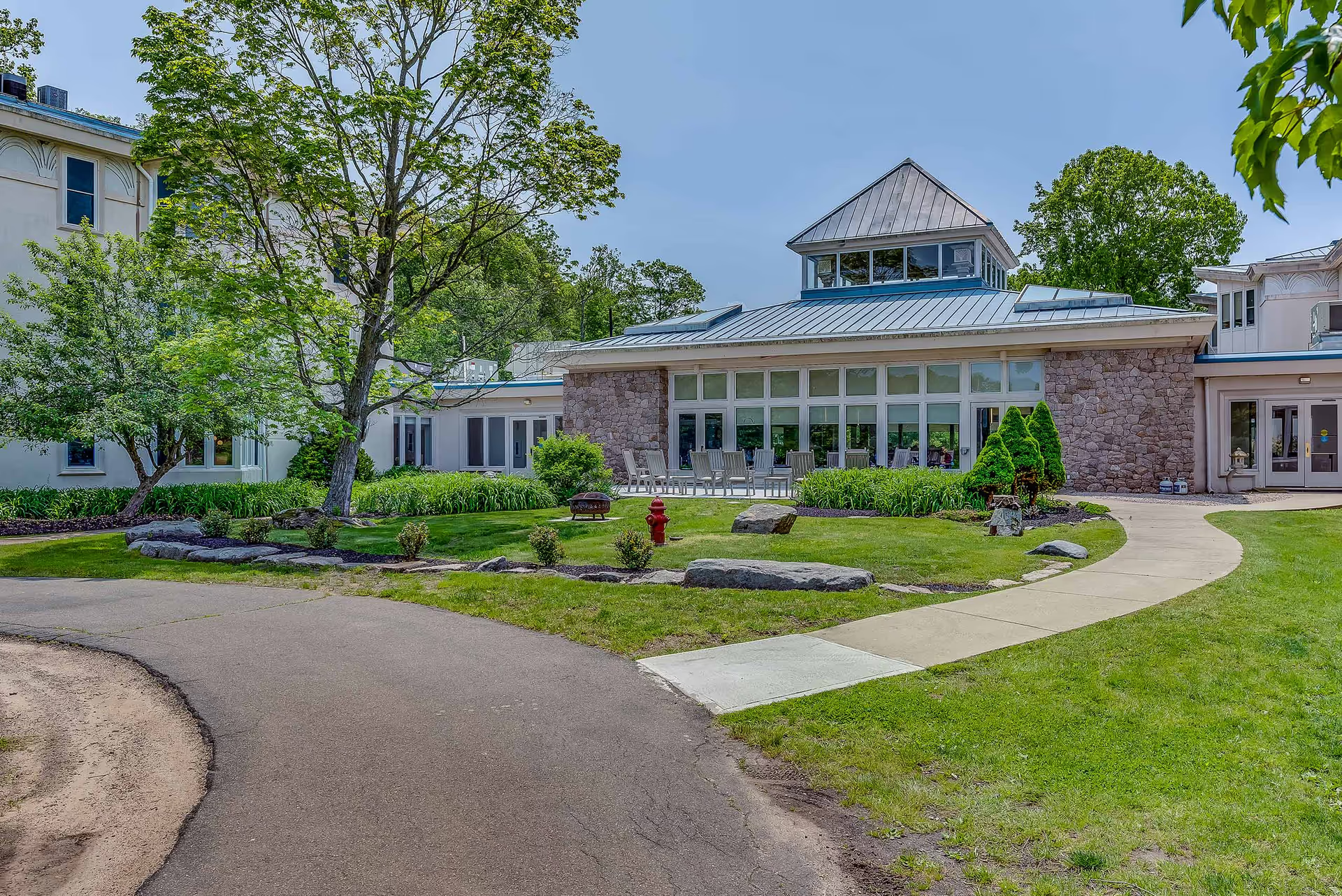
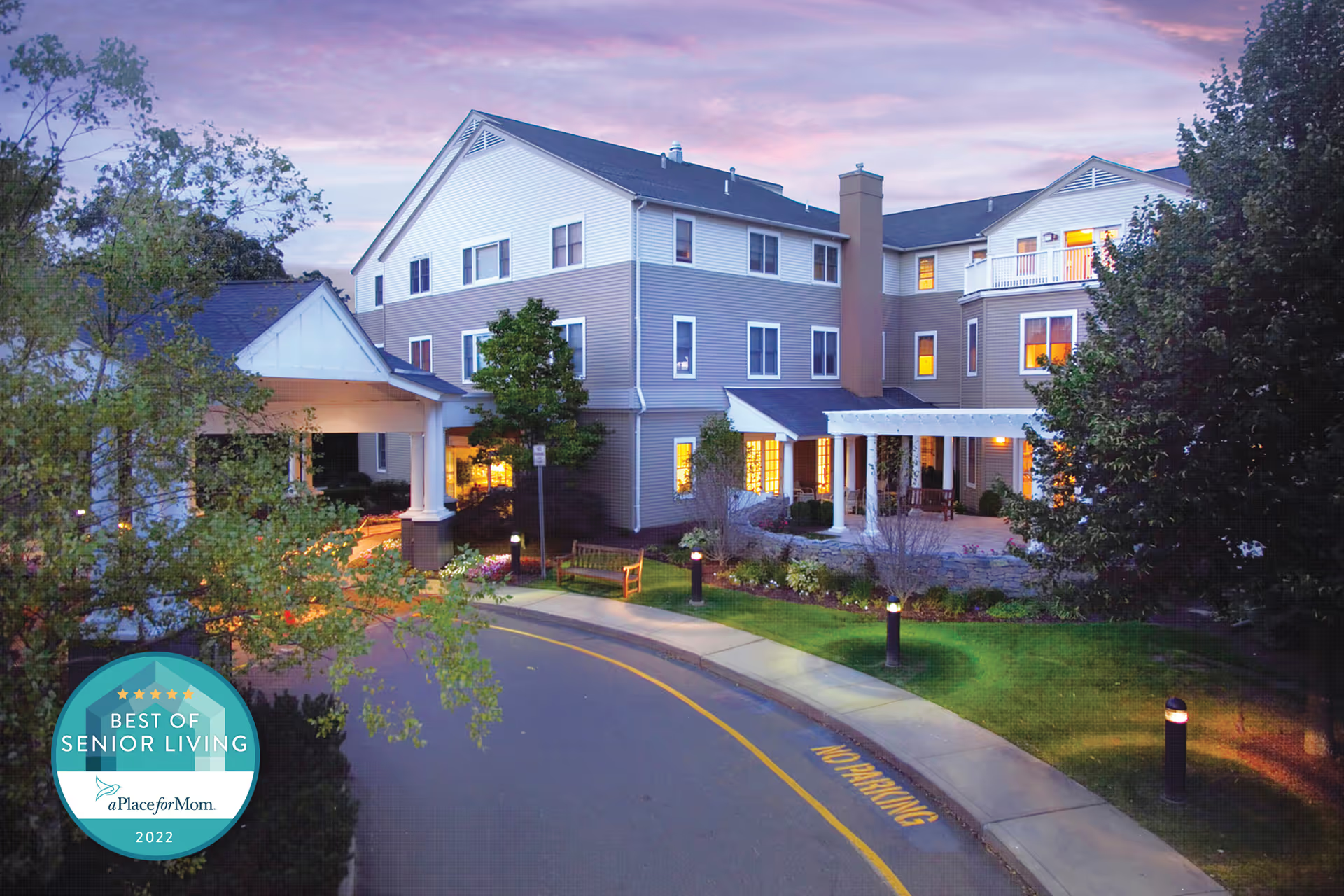
Dining, activities, and the physical environment receive generally positive remarks, with many families noting an extensive menu, well-prepared entrees, lively recreation (bingo, entertainers, cookouts), and appealing outdoor amenities including concerts and perennial gardens. However, dining quality and meal presentation appear inconsistent across stays: while some describe restaurant-quality meals and large menus, others reported issues with meal temperature, tray presentation, and sanitation of food service. The facility’s exterior and common areas are frequently described as clean and pleasant, though housekeeping consistency within resident areas shows variability in feedback.
Safety, sanitation, and family communication are mixed concerns. Several reviewers raised sanitation concerns related to housekeeping and meal-tray cleanliness, and there are repeated observations of delays in attending to resident requests. In a limited number of instances, reviewers described serious staff-conduct claims; these are notable and warrant direct inquiry by prospective families. Together, these patterns point to operational weaknesses in supervision, incident response, and routine hygiene practices, rather than uniform systemic failure.
Practical considerations include the facility’s age and occasional comments about an older building, insurance and Medicare coverage limitations (including out-of-network cost exposures), and variable experiences with respite care and discharge transitions. Several families recommended in-person visits and direct conversations about staffing ratios, wound-care protocols, incident reporting procedures, and insurance/billing policies before admission.
In summary, Whispering Pines appears to offer strong rehabilitation outcomes, an active social environment, and many compassionate staff members, balanced against recurring operational issues around staffing consistency, supervision, sanitation practices, and family communication. Prospective residents and families should weigh the facility’s therapy and social strengths against these operational concerns, verify clinical oversight and incident response processes during a tour, and confirm coverage and out-of-pocket cost expectations with their insurer and facility billing staff.