The Guilford House presents a mixed profile: it is frequently praised as a rehab-focused facility with strong therapy services and many staff who deliver compassionate, personalized care. Physical and occupational therapy are repeatedly identified as strengths, with several mentions of therapists who are knowledgeable, encouraging, and effective in supporting recovery. Residents and families commonly note a warm, social atmosphere in the dining room and courtyard, a variety of activities, and an owner/management team that is visible and involved in operations.
Despite these strengths, the facility exhibits recurring operational weaknesses that affect care consistency. Staffing levels and the reliance on per diem personnel are commonly associated with delayed responses to call bells, longer waits for assistance with toileting or repositioning, and variability in night-shift responsiveness. These staffing patterns correlate with reports of uneven therapy availability, inconsistent documentation of vitals and care, and gaps in medication administration or coordination with primary care providers.
Safety and clinical-process issues emerge as notable patterns. Families described concerns about fall response, transfer practices (including Hoyer-lift usage), and inconsistent clinical recordkeeping. Infection-control practices and mask compliance were described as variable in some accounts, indicating a need for reinforced staff training and oversight. Communication with families and the social-work role receive mixed feedback: some families report informative, empathetic communication, while others describe dismissive or unhelpful interactions.
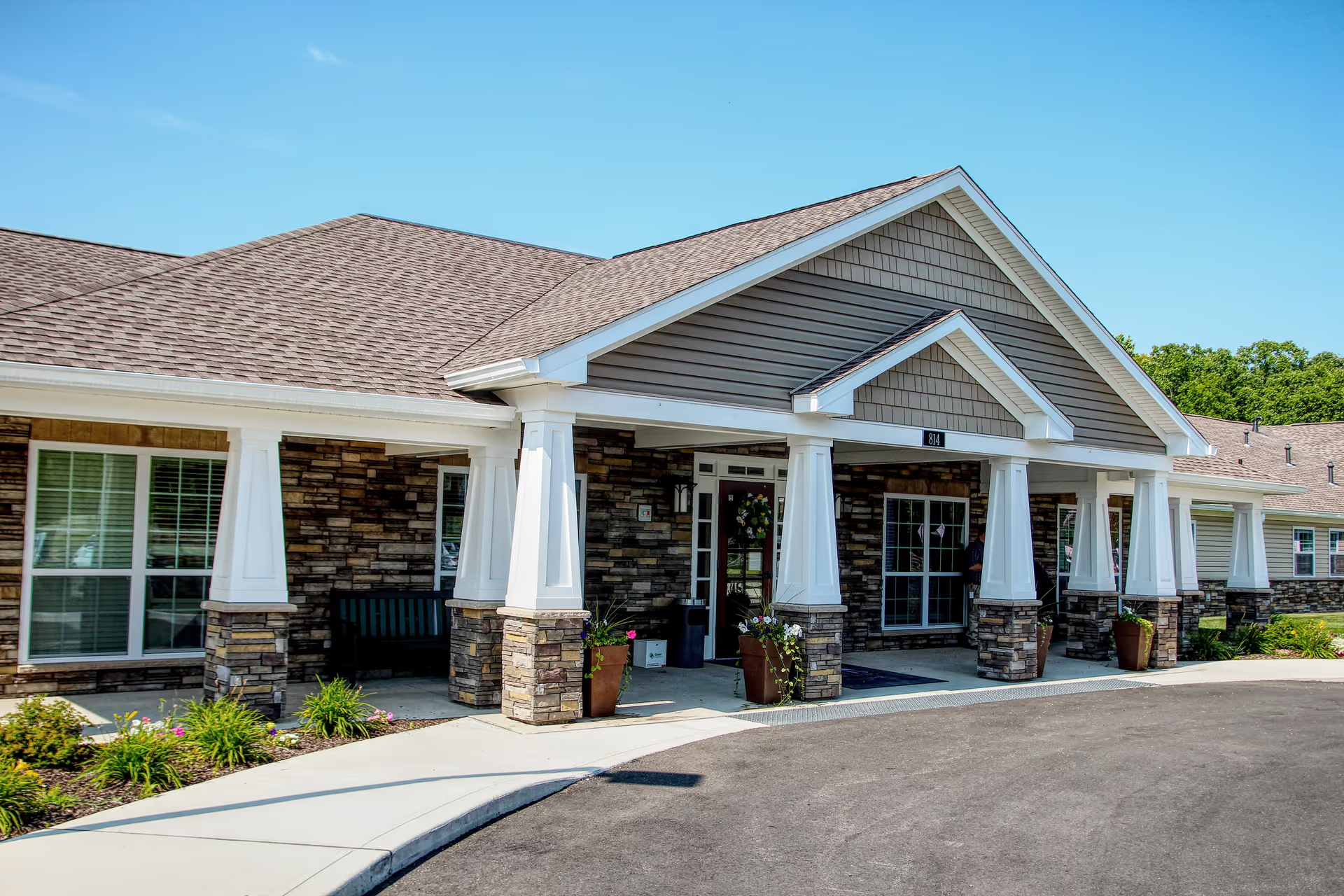
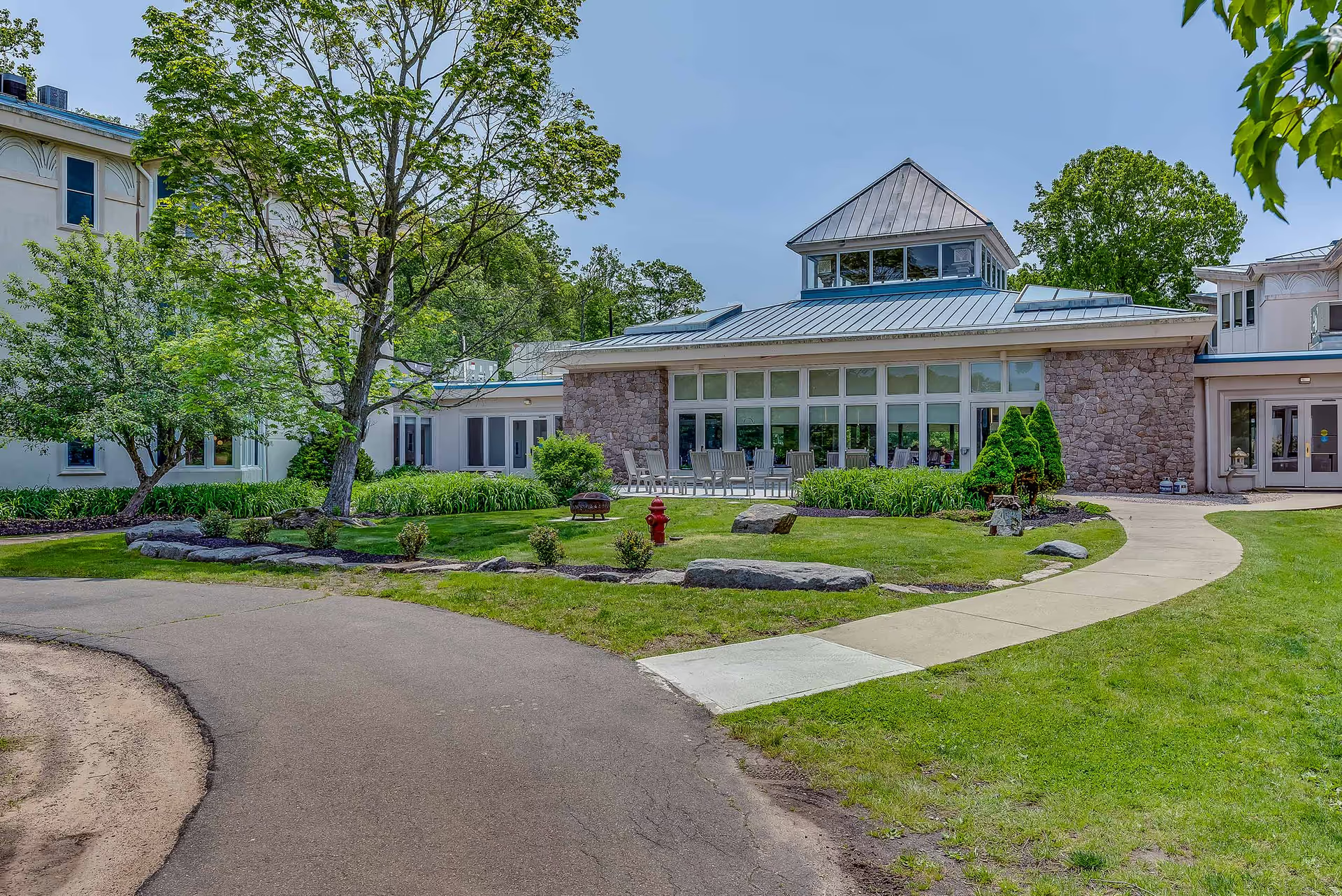
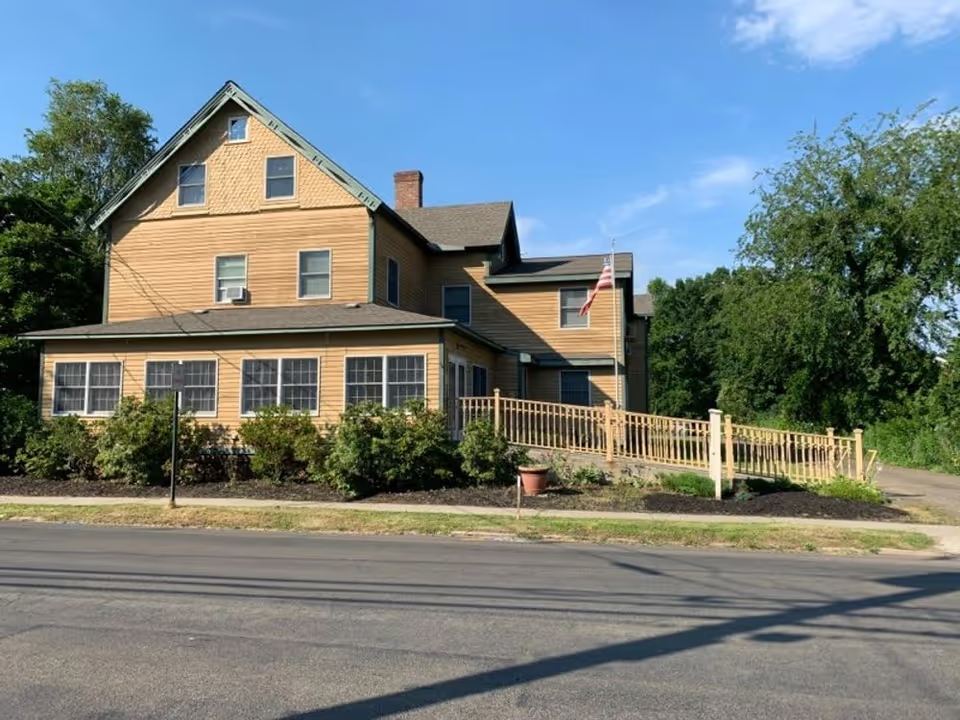
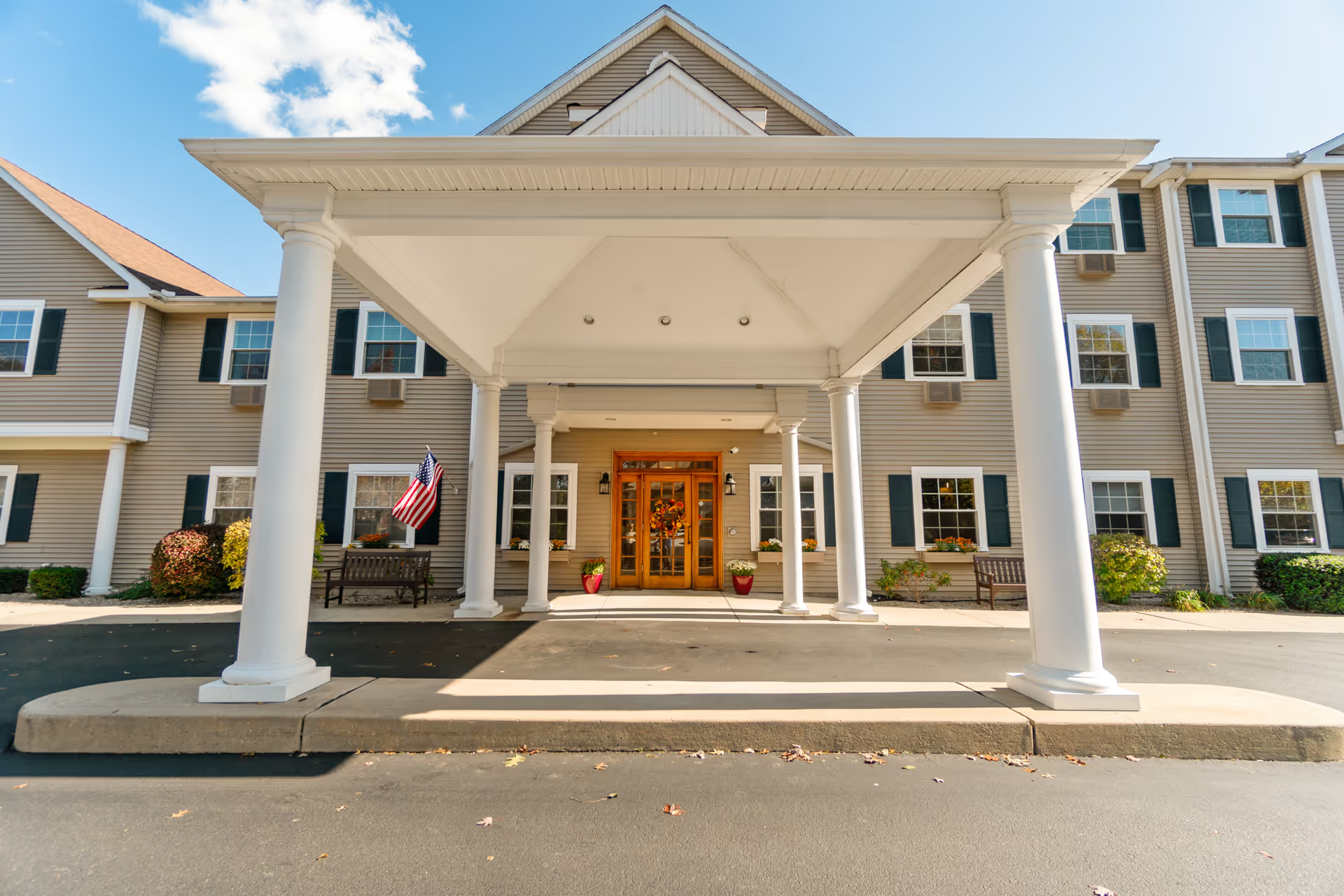
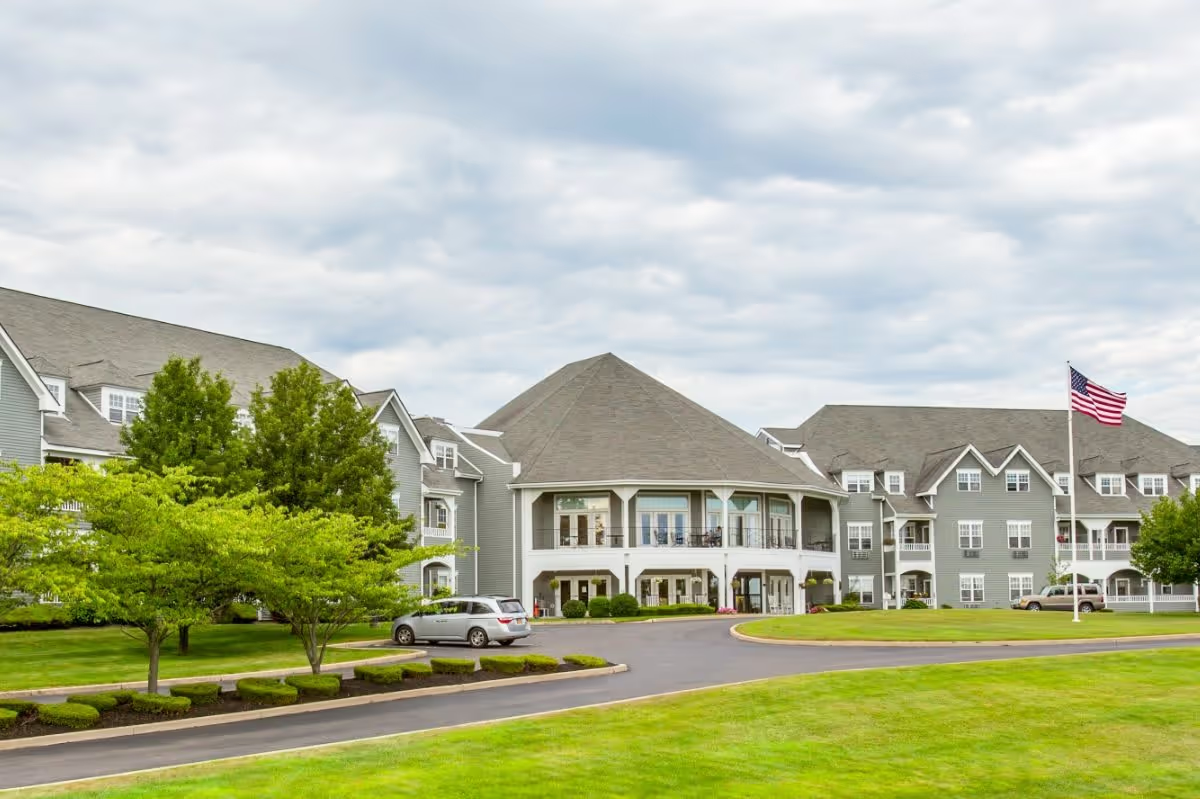
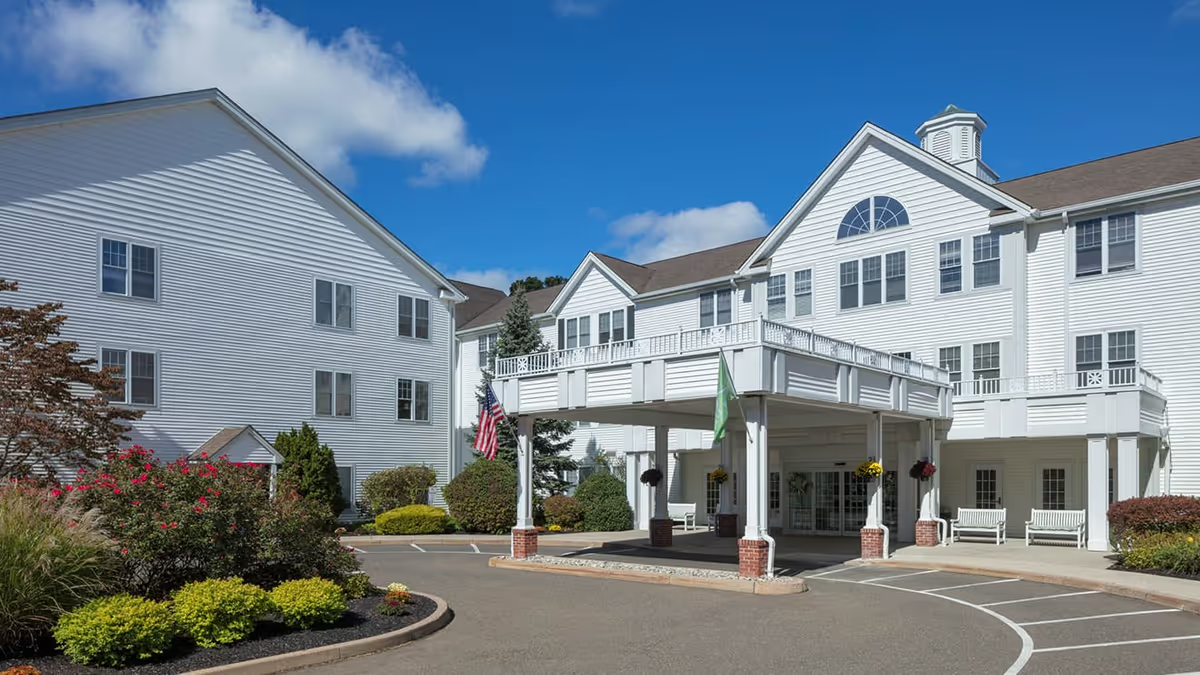
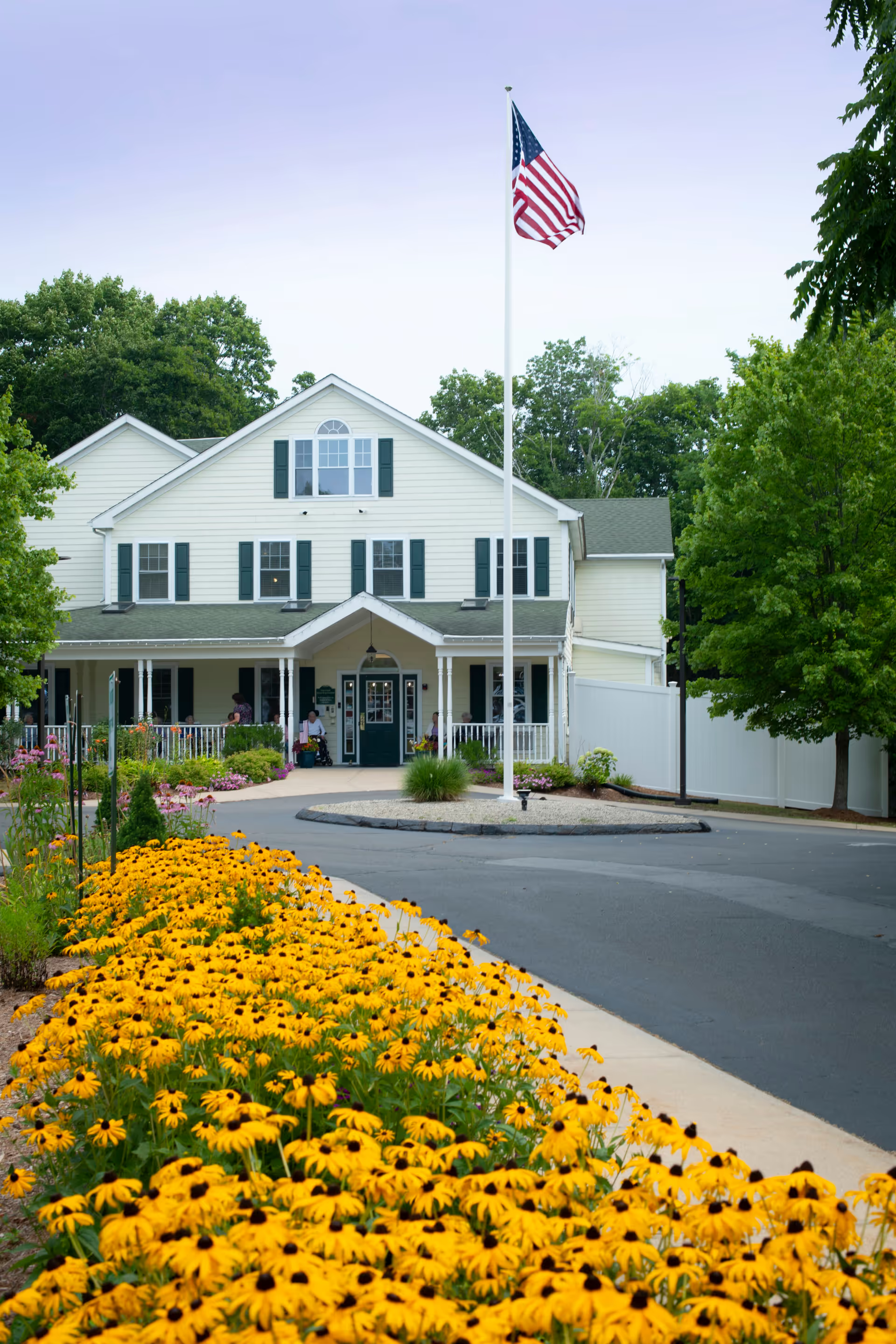
Facility condition and amenities are a study in contrasts. Many reviewers praise the facility’s cleanliness, appealing common areas, dining program (including dietary accommodations), and an engaging activity calendar. At the same time, others note dated resident furnishings, beds in need of replacement, and shared bathroom configurations or corridor showers in some units. Housekeeping and sanitation experiences appear inconsistent across stays, from very clean to sanitation concerns in isolated accounts.
Taken together, the pattern is one of a rehabilitation-oriented facility with clear strengths in therapy, engaged leadership, and social programming, counterbalanced by variability in staffing consistency, clinical documentation, medication coordination, and some aspects of facility upkeep. Prospective residents and families seeking strong rehabilitative services may find substantial benefits here, but those decisions should factor in the potential for episodic lapses in responsiveness and the importance of confirming specific care practices (staffing ratios, medication processes, fall-prevention protocols, and family-communication expectations) during the tour and admission process.