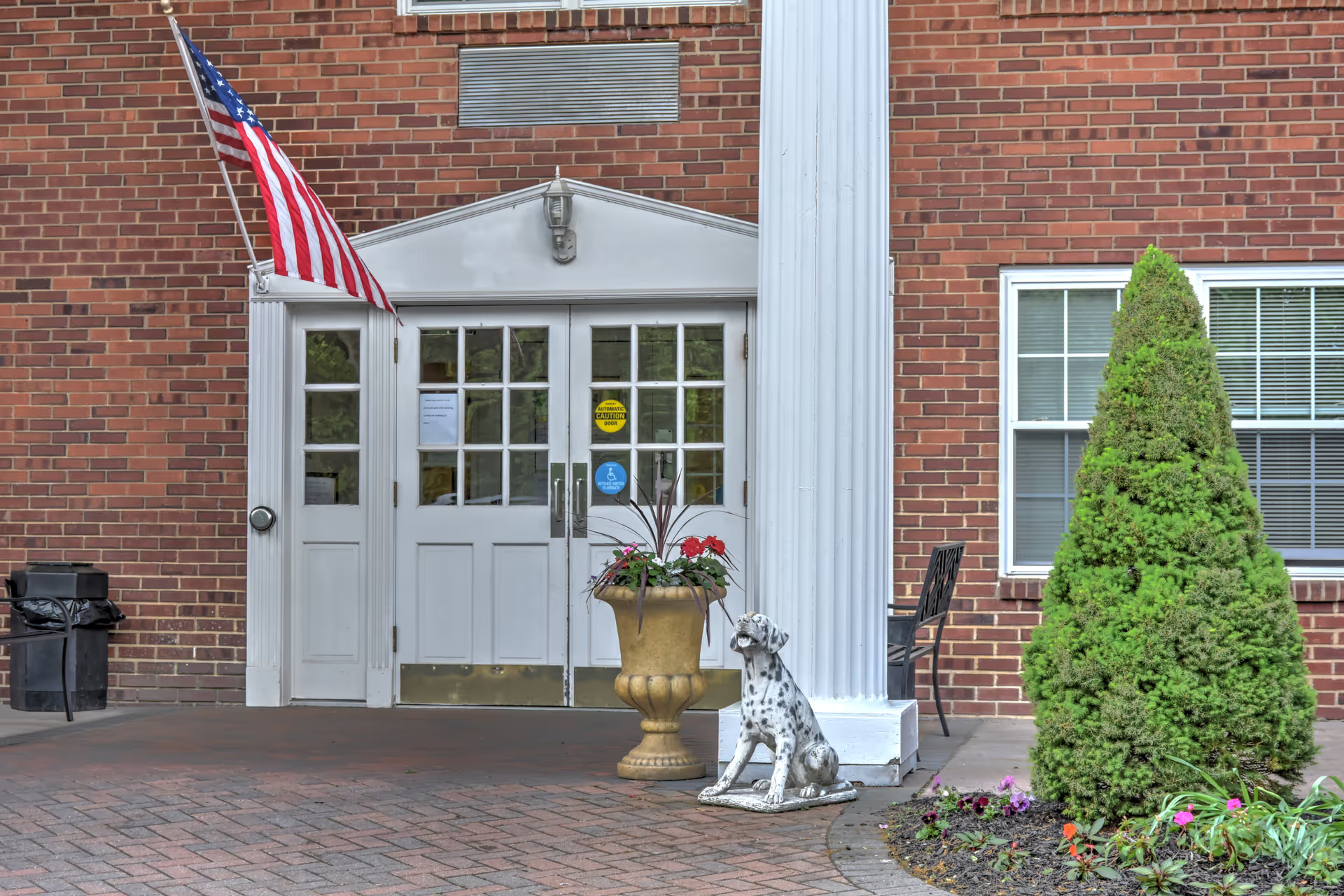
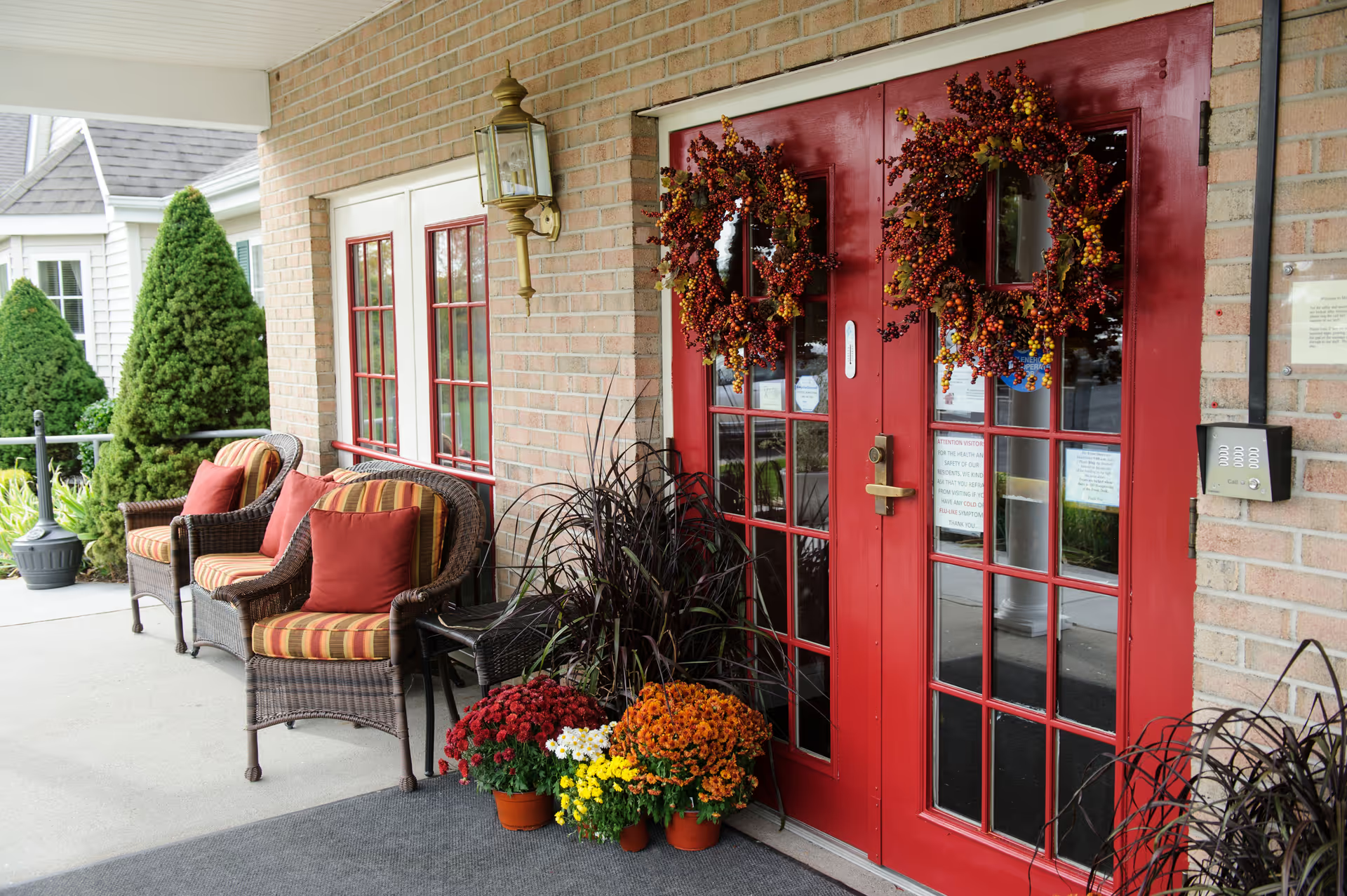
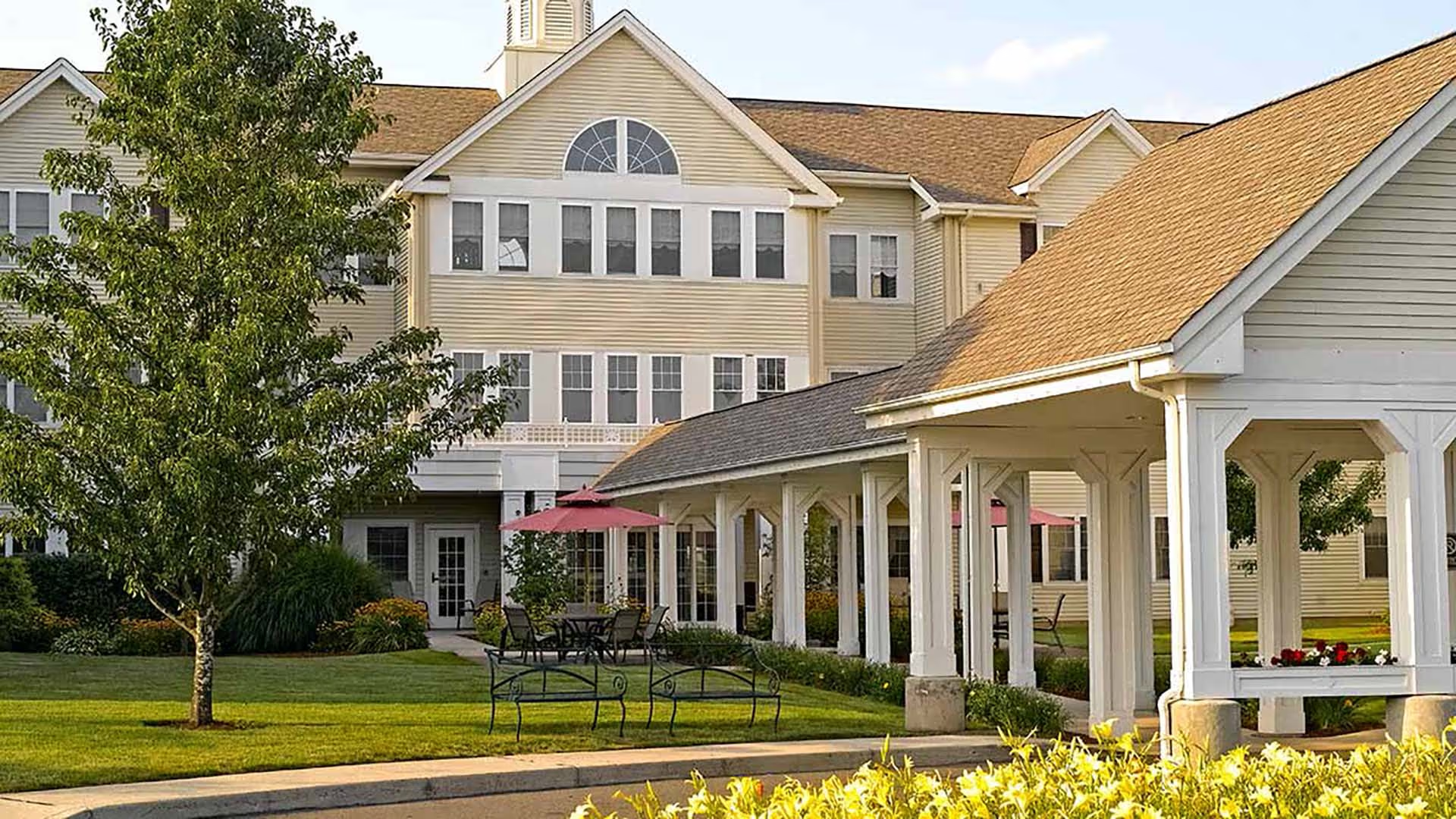
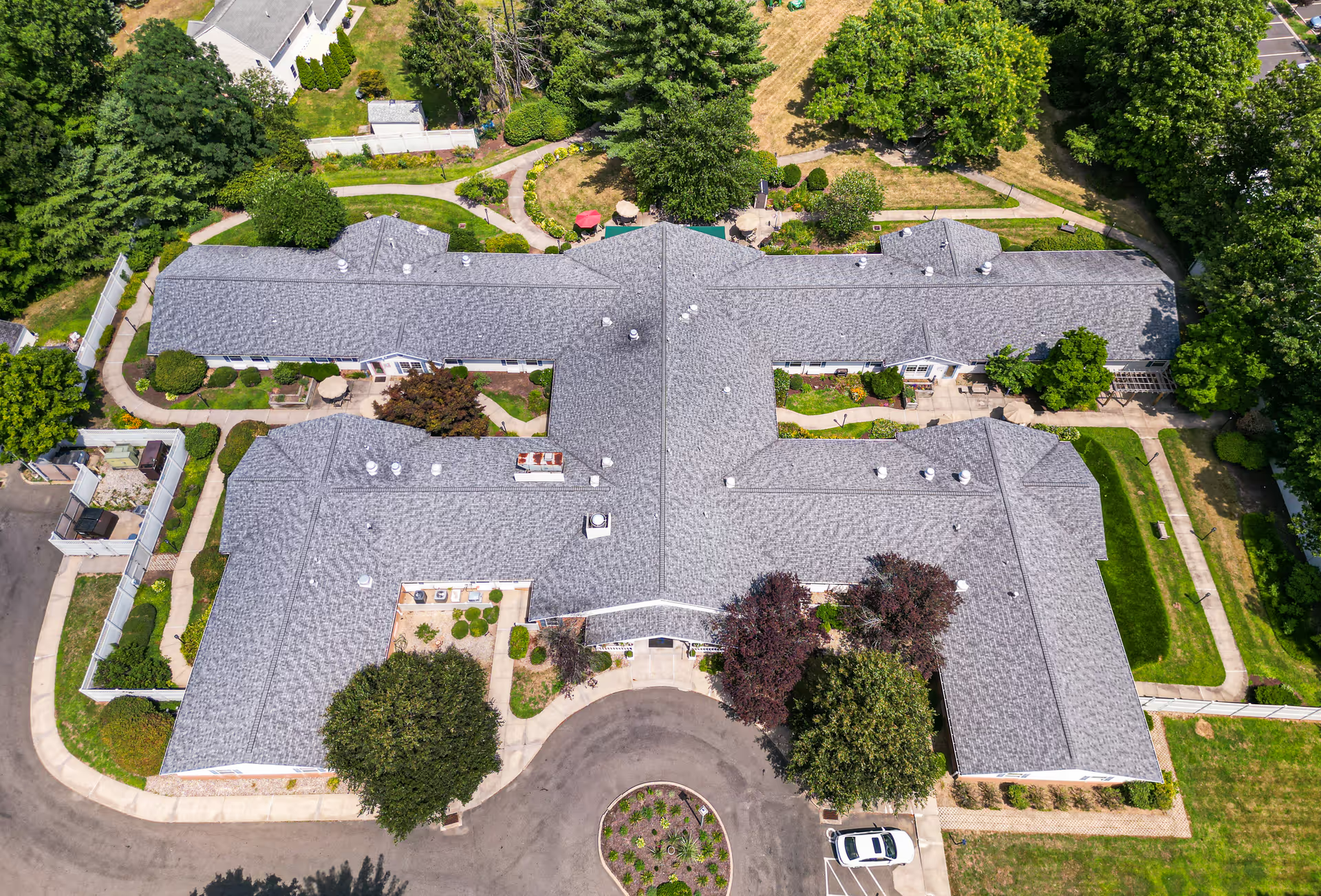
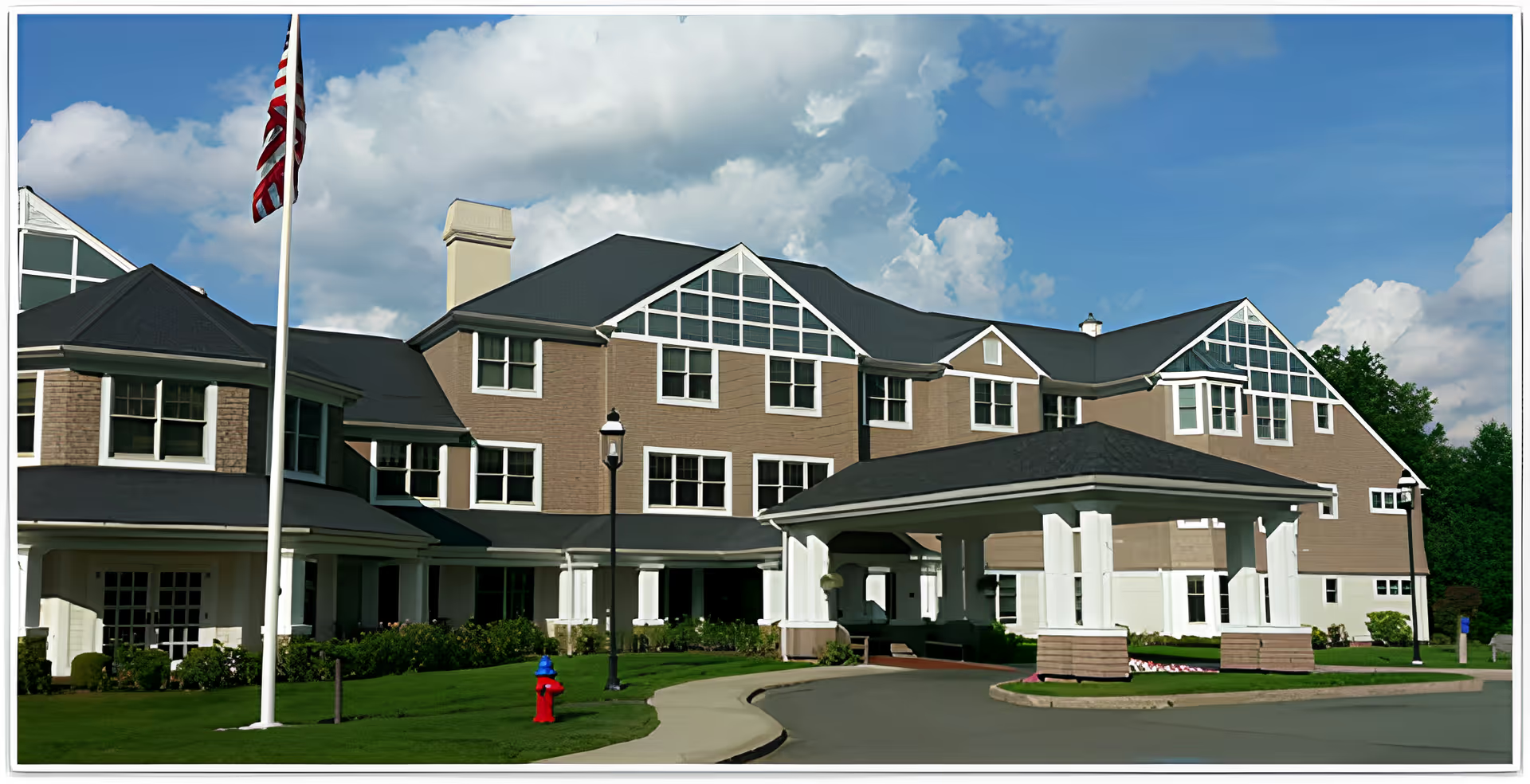
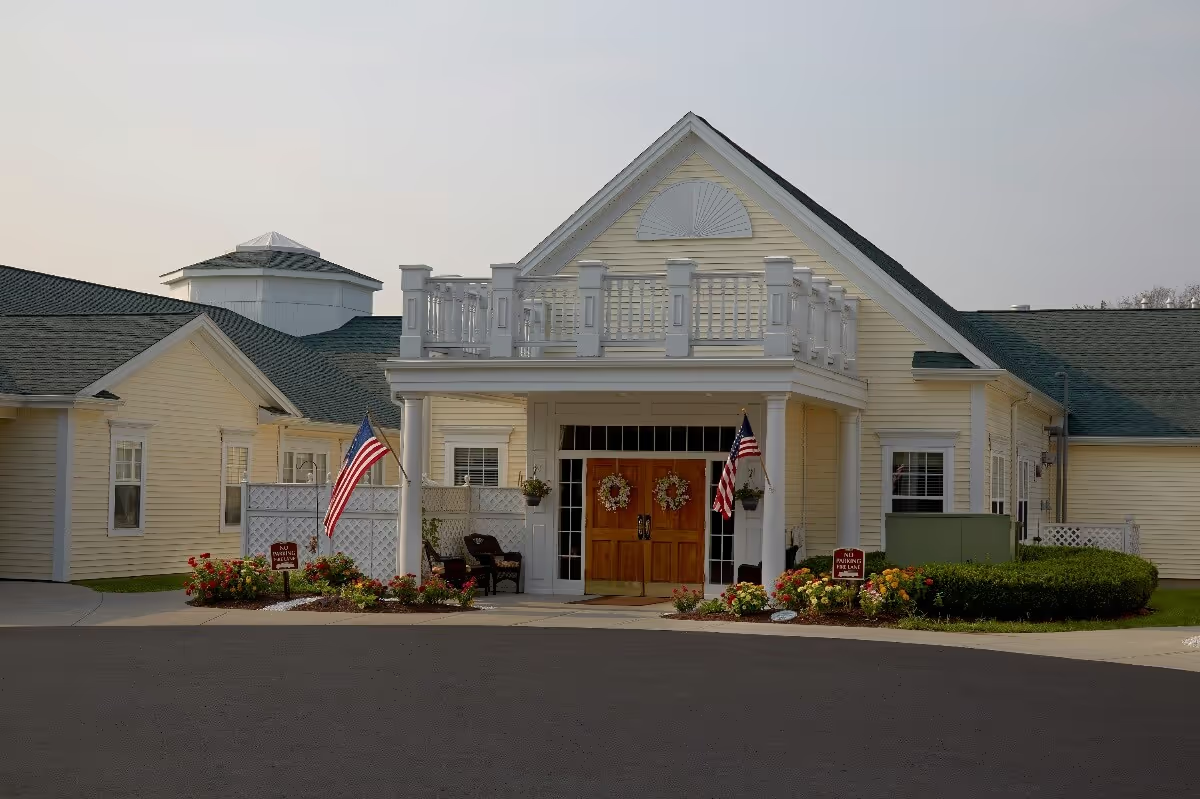
Avery Heights projects an overall positive profile marked by an active independent-living community, abundant amenities, and a generally compassionate staff. Reviewers consistently highlight a pleasant campus environment — well-kept grounds, attractive common areas, a new pool, theater, gym and library — and a strong social culture that encourages resident involvement through committees and volunteer opportunities. Housing options span cottages and one- and two-bedroom apartments, some with favorable views and balconies, offering choices for differing preferences.
Care quality and staff performance are central strengths but also show variability. Many families and residents describe staff as caring, attentive and willing to go above and beyond; memory-care areas are described as bright and clean with engaged caregiving leadership, and rehabilitation services and social work support are noted positively. At the same time, reviewers describe inconsistent staff performance and occasional lapses in responsiveness; some families found the level of clinical support insufficient as needs increased. Communication gaps — particularly around care transitions and hospitalizations — are an identifiable pattern that prospective families should assess during touring and admission discussions.
Dining and programming are strong selling points. The community offers two main meals with additional sandwich options, fresh fruit and an on-site chef in an upscale dining room; many reviewers praised the quality and quantity of food. That said, menu repetition was mentioned as a recurring minor concern. Activities are numerous and varied — movies, group programs, religious services, games, theater and volunteer opportunities — supporting robust socialization and frequent resident participation.
Facility condition and management patterns: overall maintenance and housekeeping receive favorable comments and reviewers appreciate ongoing efforts to keep the campus attractive. Several reviewers, however, observed aging building elements despite maintenance work, and noted that some cottages and units have relatively small footprints. Management appears to encourage resident feedback through committees and remains responsive in many cases, but areas for improvement include more consistent staff training/oversight and clearer family communication protocols.
Cost and value perceptions vary. Avery Heights is viewed as a good value by many residents, especially given the amenities and non-profit status, but some families found it more expensive than alternatives for comparable care levels. In summary, Avery Heights is well-suited to independent or lightly assisted residents who prioritize community life, amenities and dining; families considering higher-dependency care should explicitly evaluate clinical staffing levels, communication practices, and unit sizes during the decision process.