Overall impression: Reviews indicate a facility that delivers solid clinical care and housekeeping while operating in an older building with variable administrative interactions. Many families emphasize attentive nursing, competent clinical oversight (including APRN involvement), and effective discharge planning; at the same time, several accounts point to inconsistent communication and interpersonal conduct that warrant attention.
Care and clinical services: Clinical care is frequently described as attentive and competent. Reviewers highlighted nurses and an APRN as responsive and capable, and weekend physical therapy availability was noted as a practical strength for rehabilitation needs. Families report that residents receive the medical attention they need and that referrals to outside providers are handled appropriately. There were mentions of new medical needs arising during stays; prospective families should ask about care-planning and change‑of‑condition protocols when touring the facility.
Staff and interactions: Staff are commonly described as friendly, respectful, and helpful, with bilingual capabilities in Spanish and Polish that support communication for diverse families. However, reviewers also described instances of brusque or inappropriate interpersonal tone, including front‑desk rudeness and at least one allegation of unprofessional conduct toward a resident. These accounts suggest variability in staff communication and potential gaps in oversight or complaint handling; prospective residents may wish to ask about staff training, supervision, and the facility's process for resolving concerns.
Dining and activities: Dining receives generally positive comments — meals are described as palatable and not bland. Aside from food and physical/occupational therapy availability, there was limited specific feedback about recreational programming or social activities; visitors should request current activity calendars and examples of resident engagement during a visit.
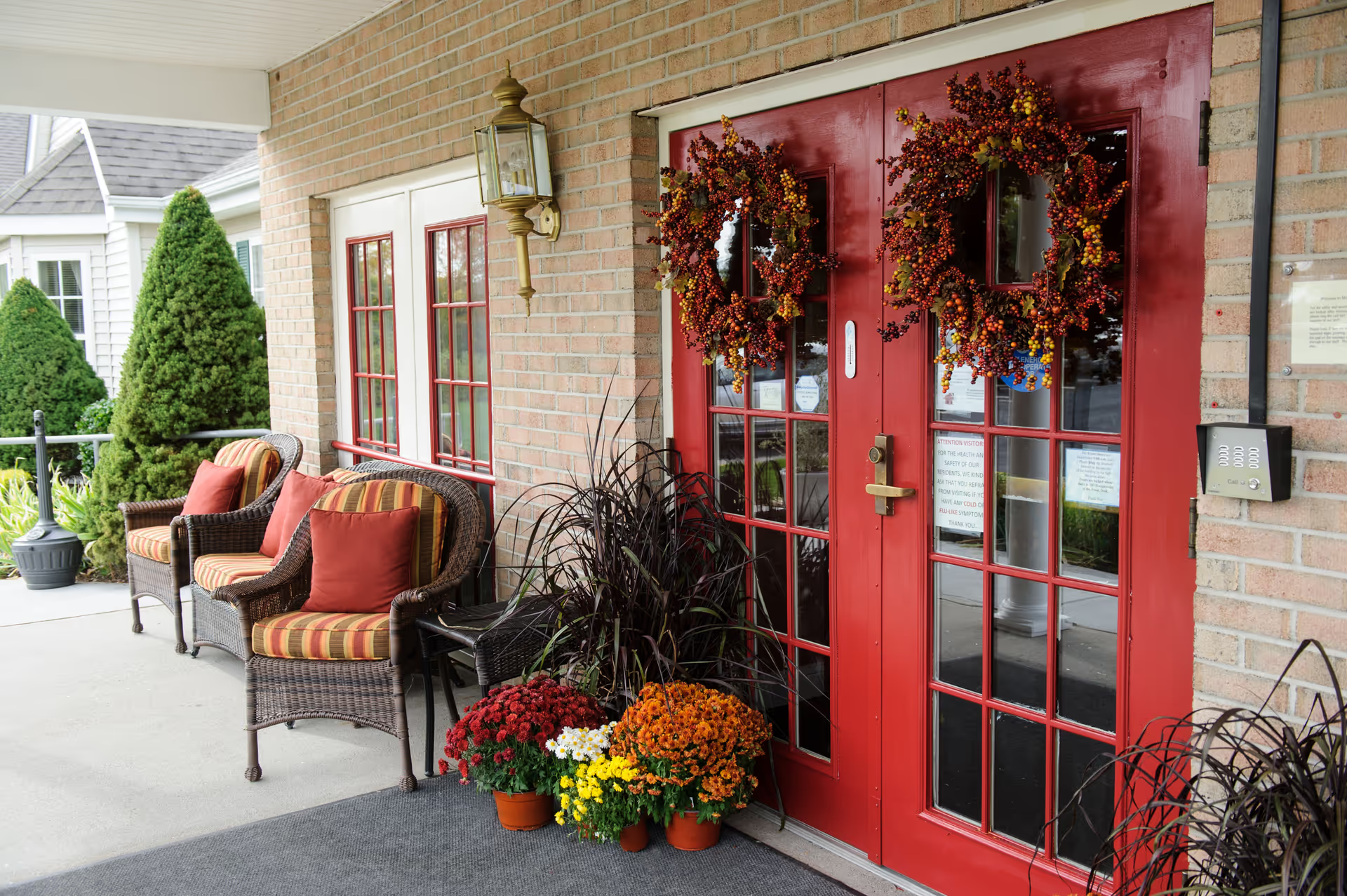
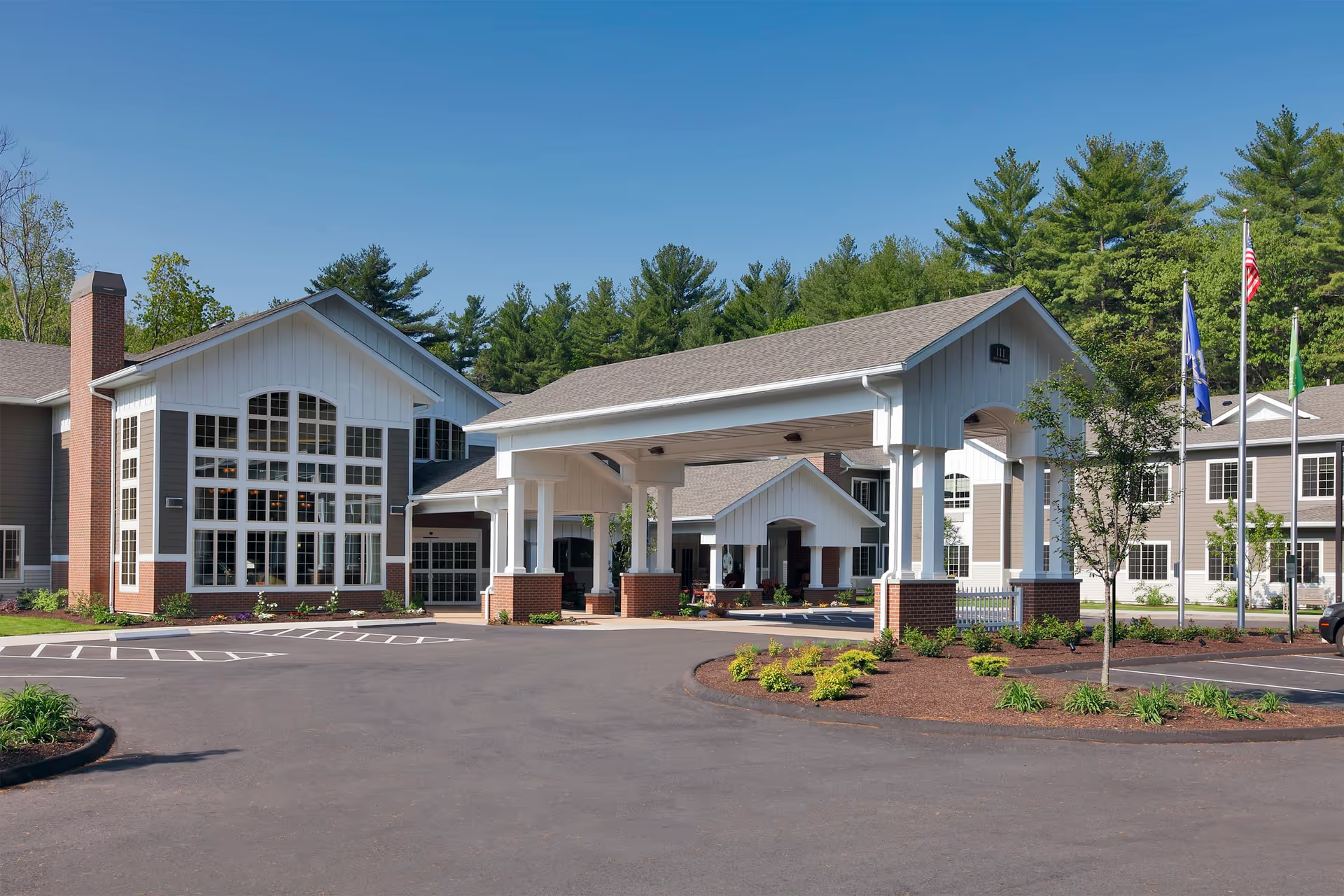
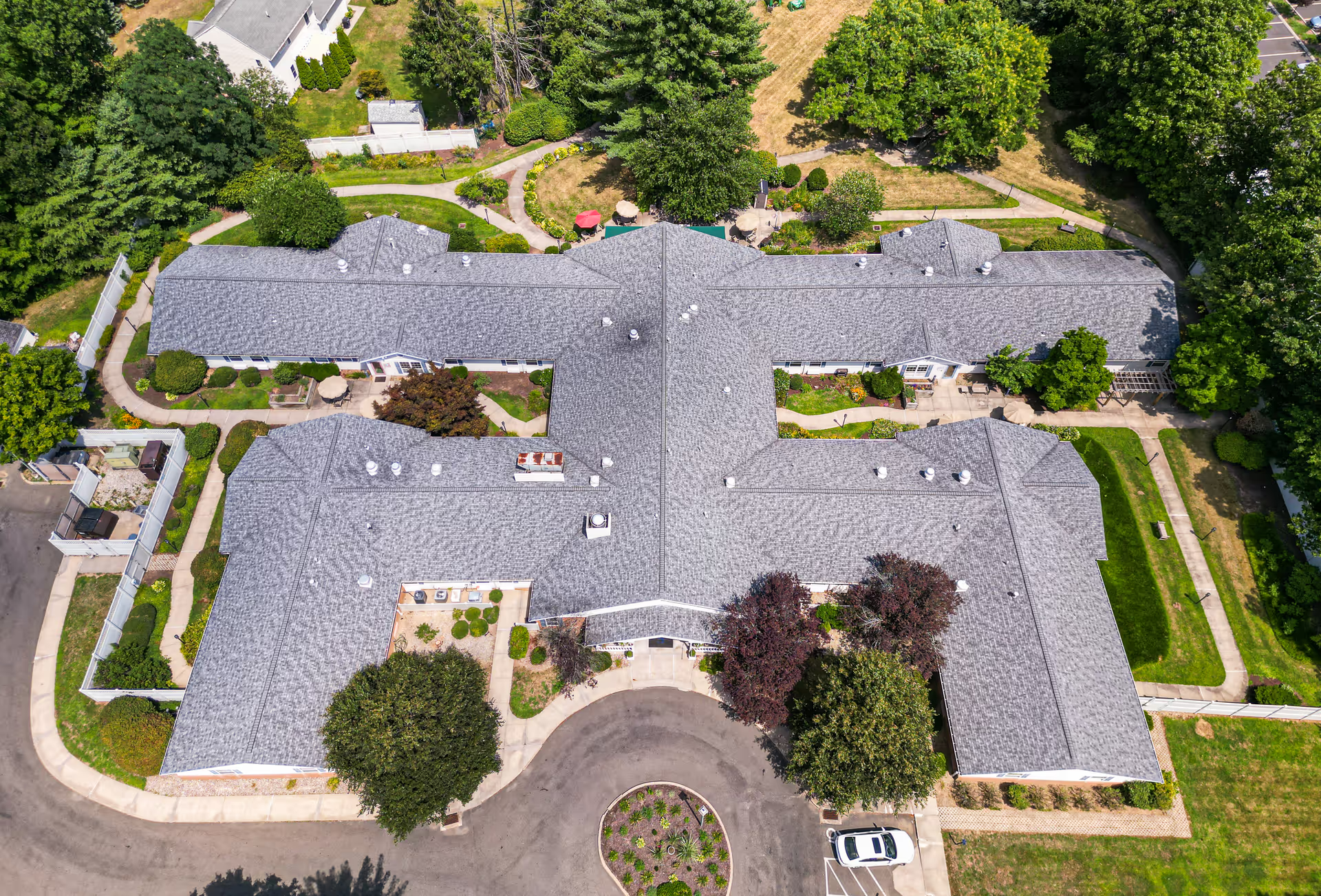
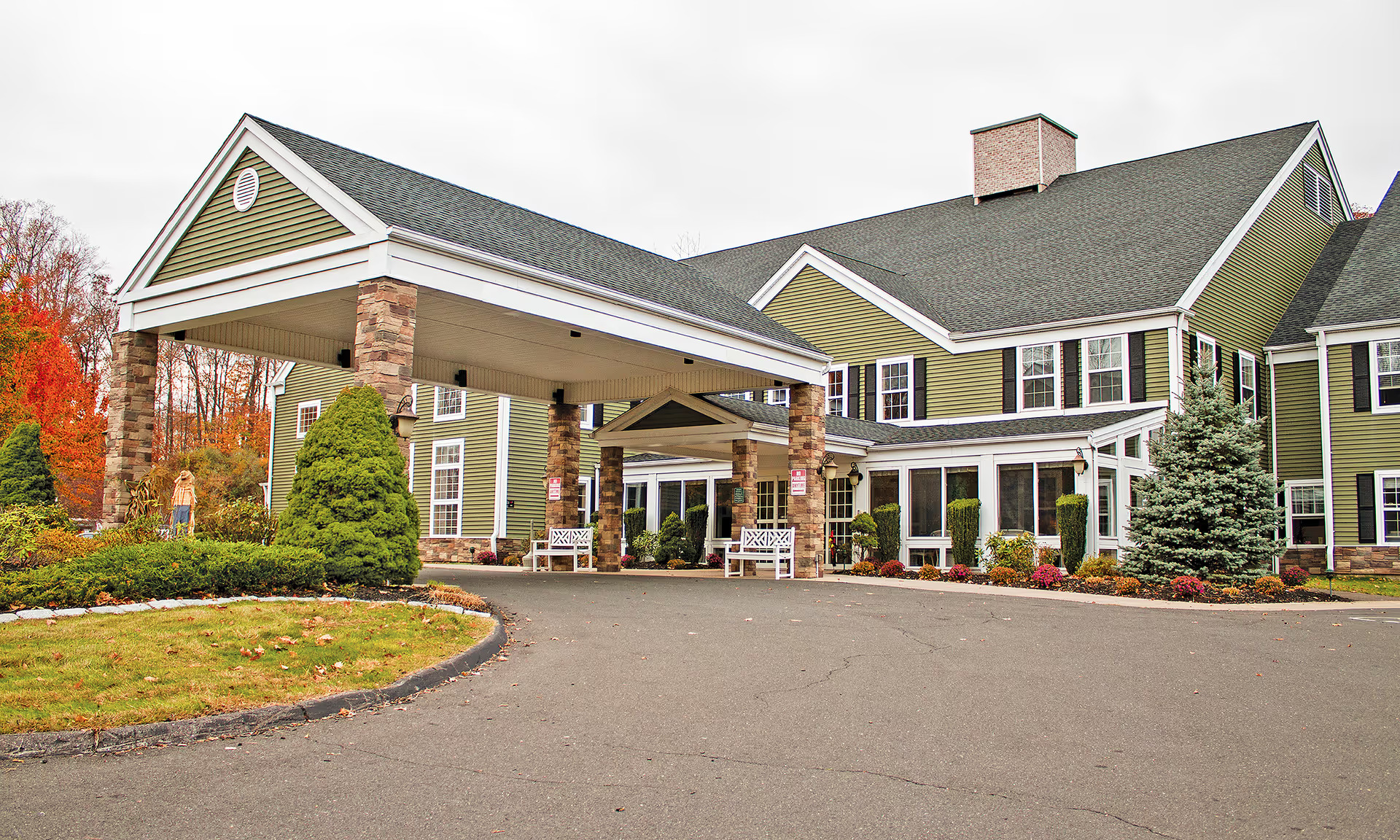
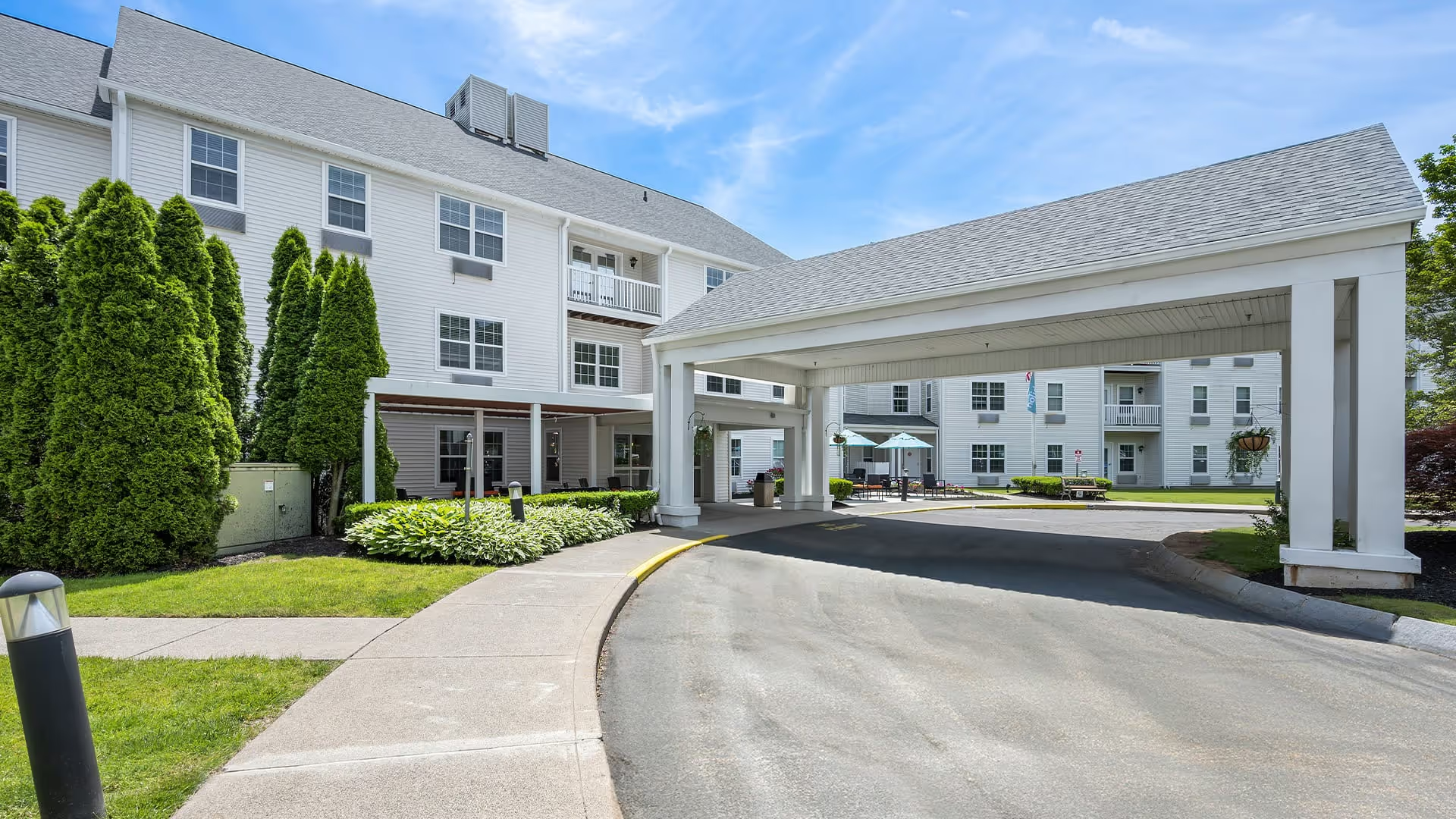
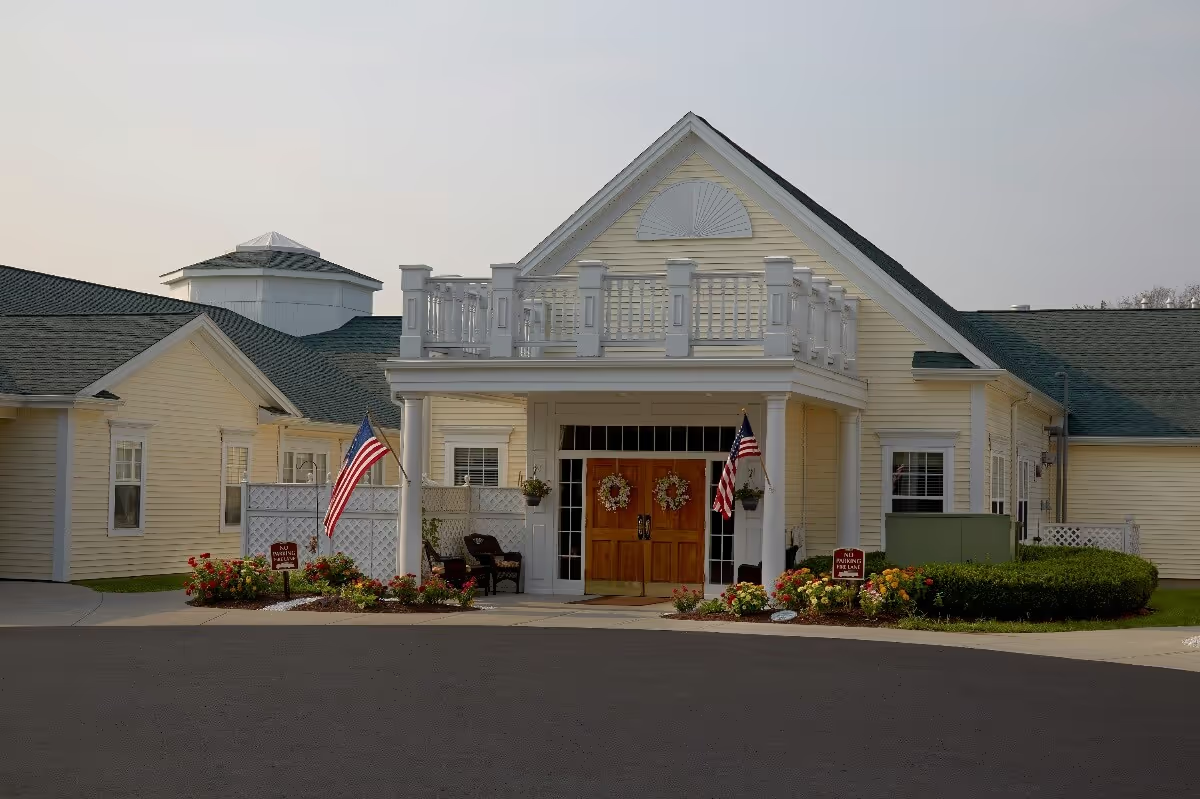
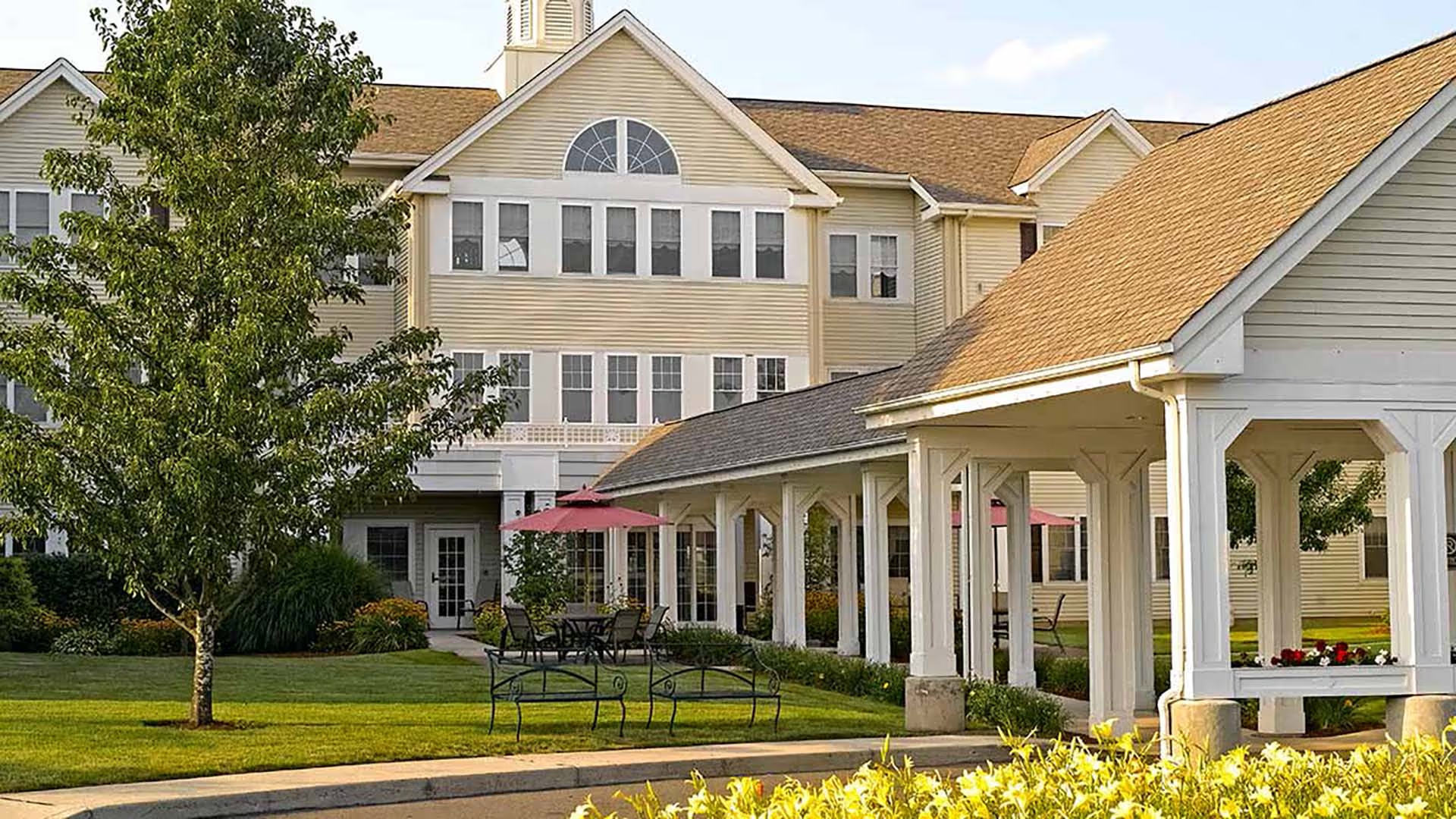
Facilities and maintenance: Housekeeping and sanitation are repeatedly praised; reviewers describe the interior as very clean and note an attentive cleaning crew. At the same time, the building is characterized as older and not particularly attractive, indicating that aesthetics and modern finishes may be limited despite good maintenance practices.
Management and communication: Some reviewers expressed dissatisfaction with administrative responsiveness, including a named director and a receptionist in isolated accounts. Those reports, combined with comments about inconsistent onboarding experiences, point to opportunities for improvement in front‑desk service, family communication, and complaint-resolution processes. Because these issues relate to interpersonal and managerial practices rather than clinical competence, families should consider asking about escalation pathways and examples of how concerns are handled.
Notable patterns and guidance for families: The predominant pattern is one of competent clinical care and strong housekeeping, paired with variability in front‑line communication and administrative responsiveness. Positive indicators include bilingual staffing, weekend therapy, and consistent cleanliness; cautionary indicators center on interpersonal conduct and the aged appearance of the facility. Prospective residents and families would benefit from an in‑person visit to observe staff interactions, request the activity schedule, confirm therapy availability, and ask about the facility's complaint‑management procedures and staff training measures.