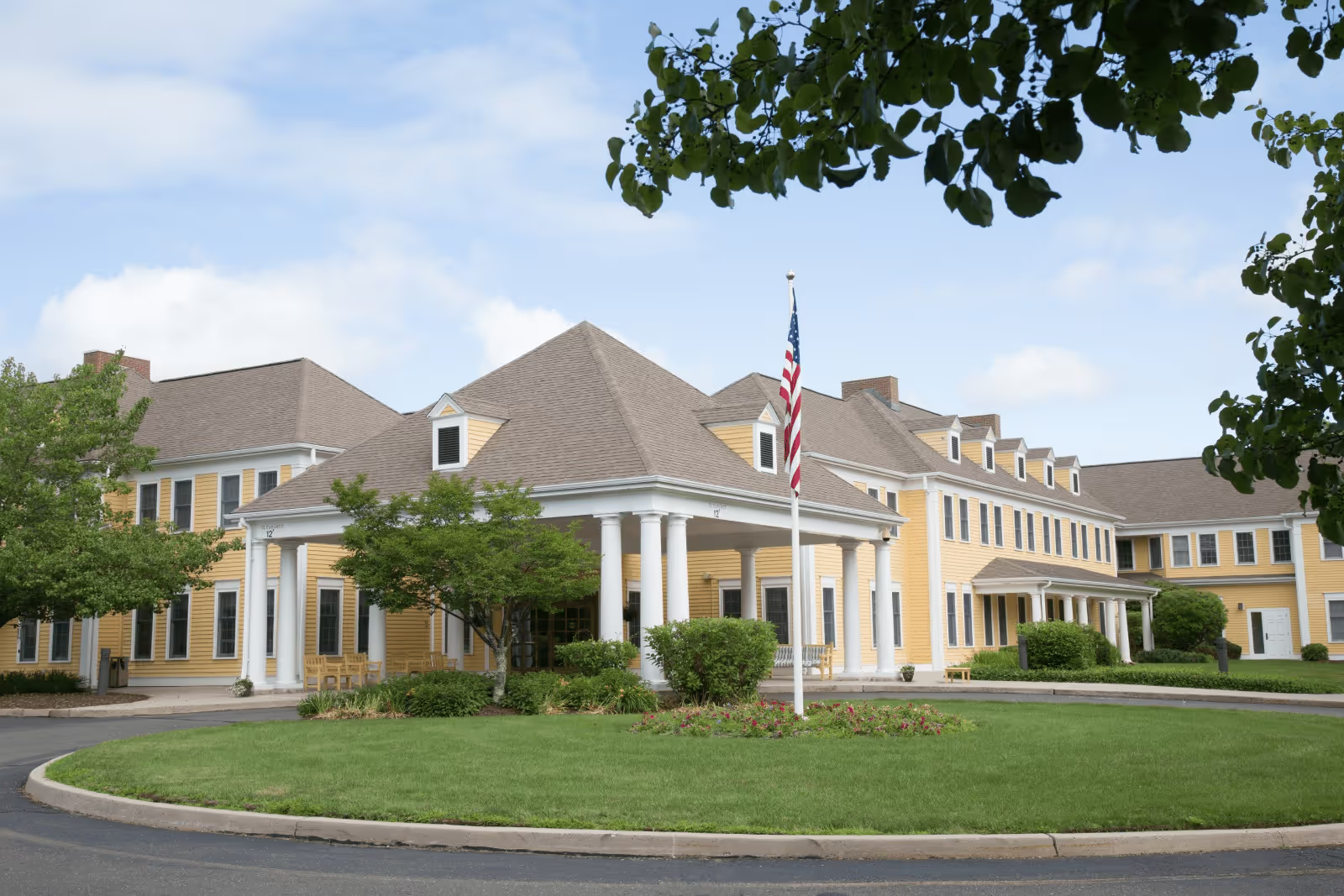
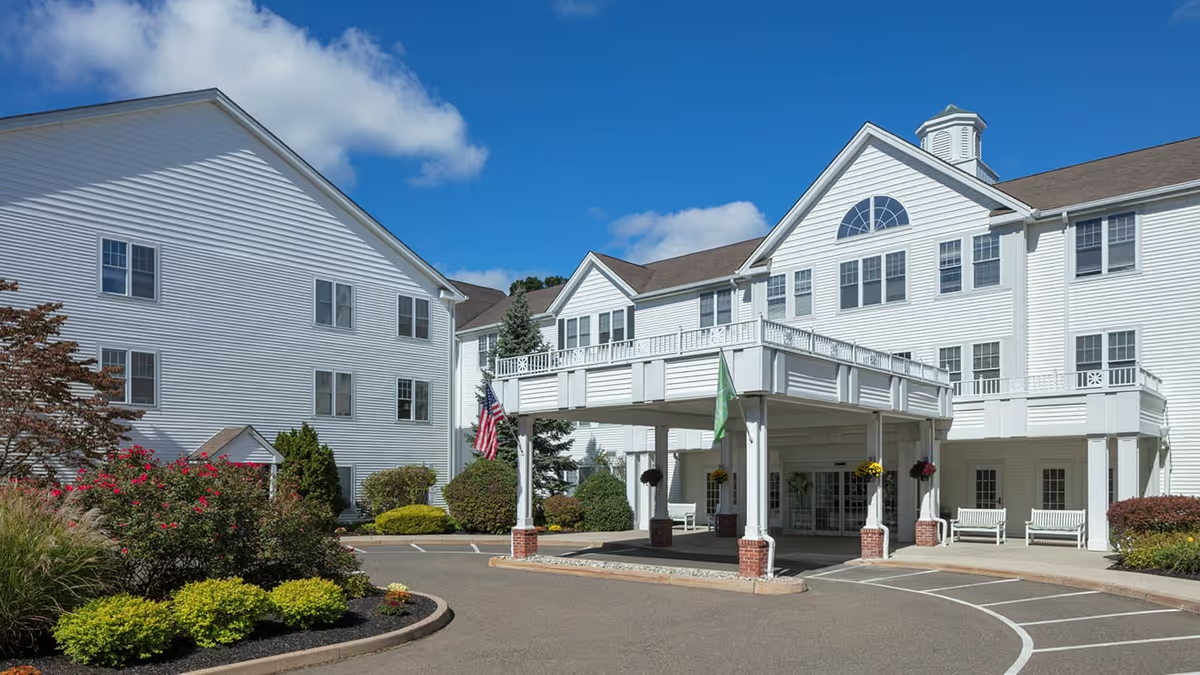
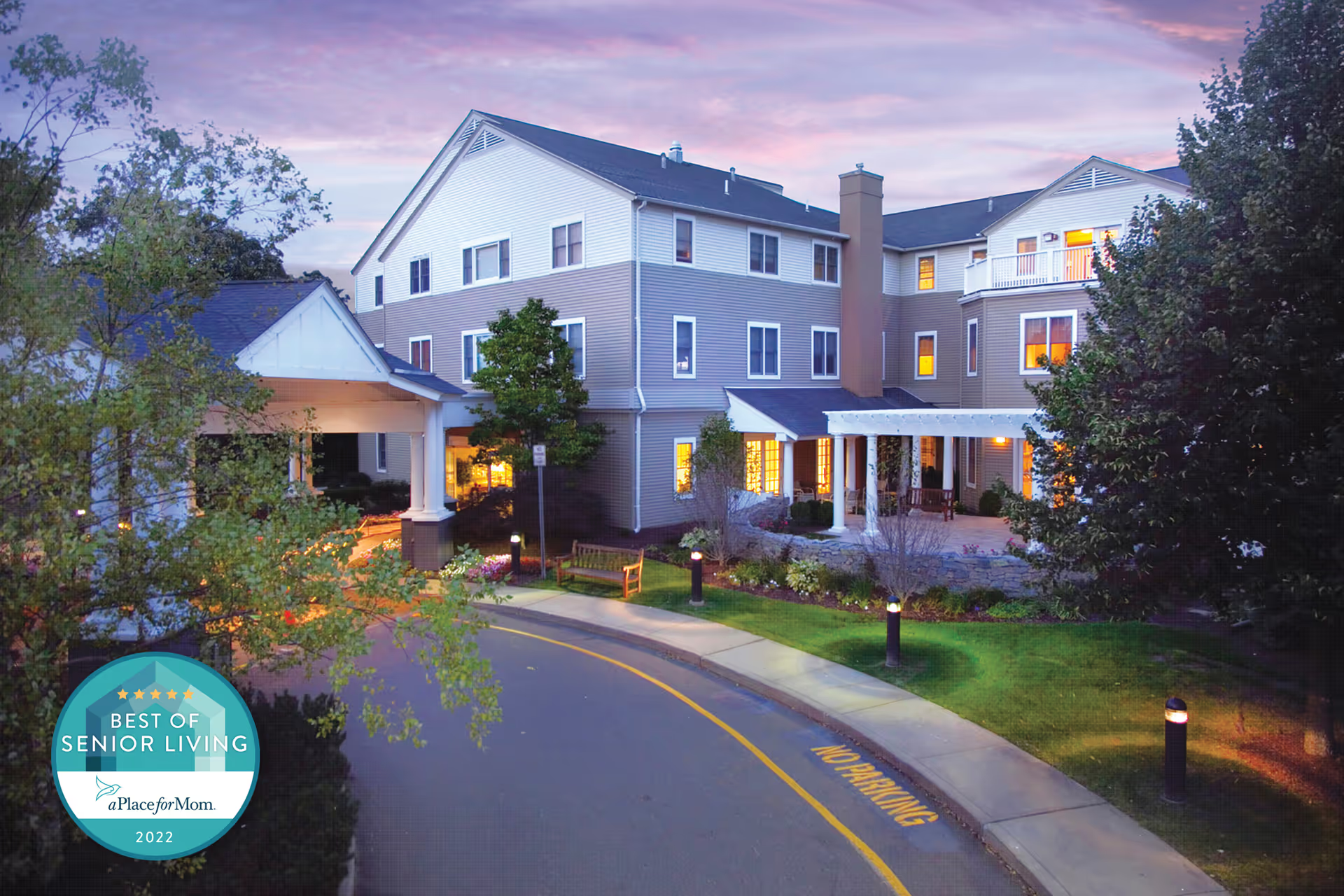
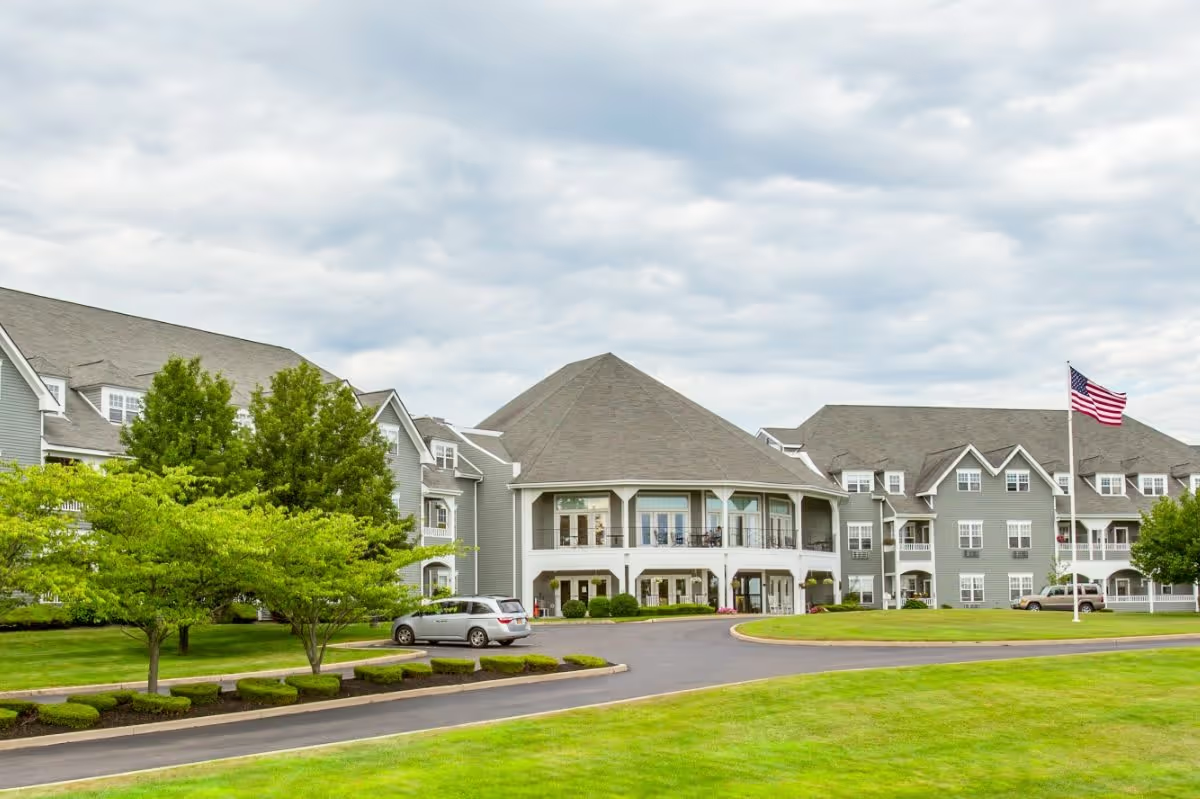
Reviews of Advanced Center for Nursing and Rehabilitation describe a facility with sizable strengths at the unit level alongside recurring operational weaknesses. Positive accounts consistently highlight dedicated direct-care staff — particularly CNAs and aides — and multiple mentions of therapists and rehabilitation staff who delivered measurable functional gains. Social-work and resident-advocacy roles (frequently named) are described as responsive and instrumental in coordinating care and discharge planning. Renovated rooms, a modern rehab gym, pleasant outdoor spaces, concierge/front-desk support, and proximity to Yale Hospital are additional, tangible assets cited by families and residents.
Care quality is described as highly variable. Many families praised attentive bedside staff and effective interdisciplinary teams that achieved good short-term rehab outcomes. Conversely, other reports raise concerns about inconsistent clinical responsiveness: delays in administering medications, problems with call-button response, and isolated but serious clinical-safety events that required hospitalization. These accounts suggest gaps in medication-management practices and in escalation/transfer processes that merit review.
Staffing and culture present a mixed picture. Numerous reviews commend individual staff members and teams for compassionate, personalized care; yet parallel comments identify chronic workload pressure, perceived understaffing, and strained morale. That variability appears to be unit- and shift-dependent: some floors and shifts are described as exemplary while others are characterized by poor responsiveness or problematic staff conduct. Several reviewers also raised concerns about supervisory and administrative tone, including difficulties contacting leadership and inconsistent follow-up.
Operations, facilities, and maintenance show both strengths and weaknesses. Renovations and newer rooms are frequently noted as positive. At the same time, reviewers reported housekeeping inconsistencies, sanitation and maintenance lapses, broken or nonfunctional resident equipment (phones, call buttons, TVs, locks), and climate-control reliability issues. Meal service quality and menu variety are another recurrent concern: reports range from acceptable dining to persistent complaints about portioning, cold food, and limited choices.
Safety and security perceptions vary widely. Some families described secure parking and attentive security; others raised serious safety concerns about the immediate neighborhood and about unauthorized persons near or inside the building. There are also allegations of missing personal items and financial irregularities that families found troubling; these claims warrant formal investigation and clear policies to protect residents and their belongings.
Notable patterns: praise concentrates on individual caregivers, therapy teams, social work, and renovated spaces; concerns cluster around inconsistent staffing, communication breakdowns, maintenance/service reliability, dining continuity, clinical-safety processes, and security vulnerabilities. Prospective residents and families should weigh the facility’s strong rehabilitation and advocacy resources against variability in unit-level operations and consider direct conversations with current unit leadership about staffing, maintenance, infection/incident protocols, and secure storage/handling of personal items before admission.