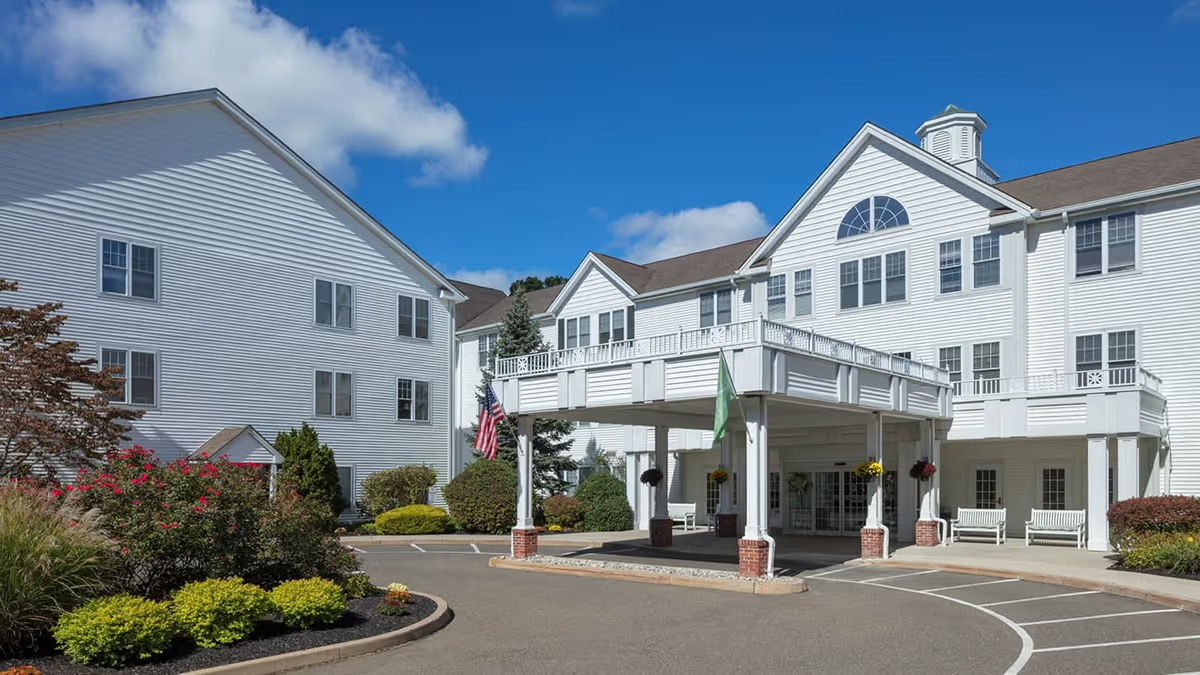
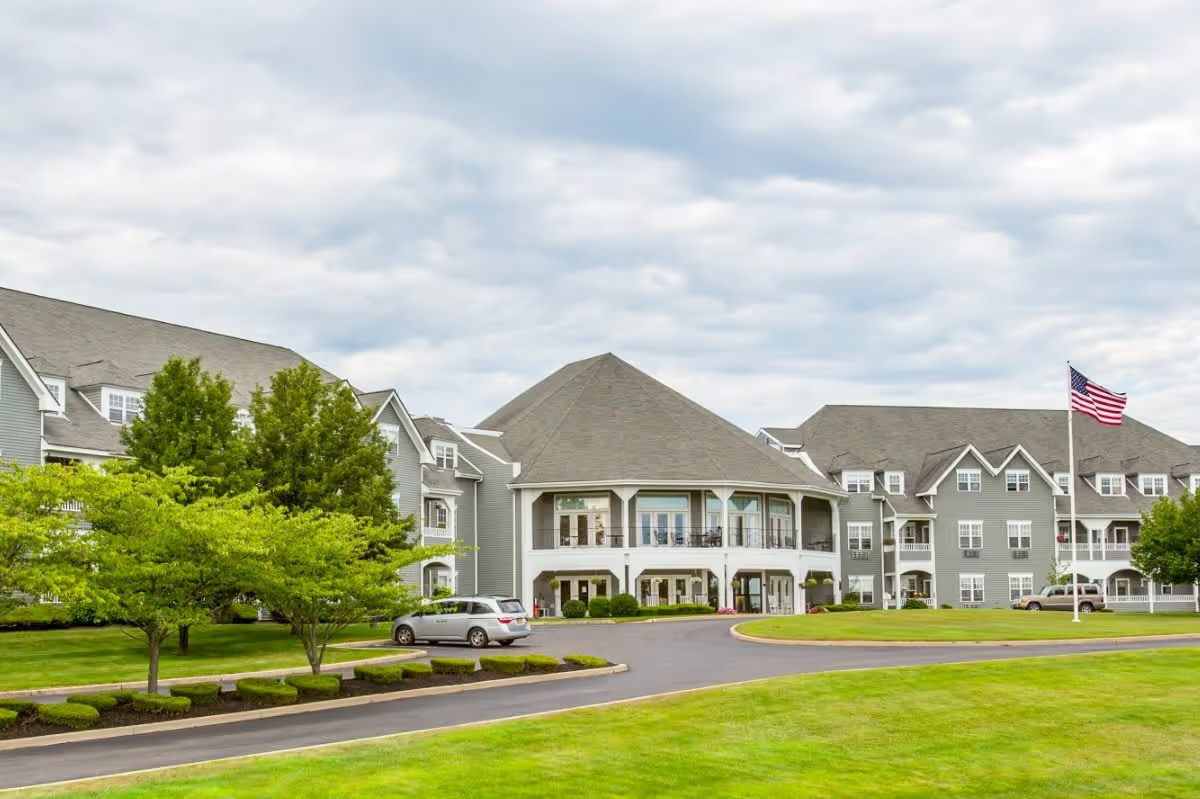
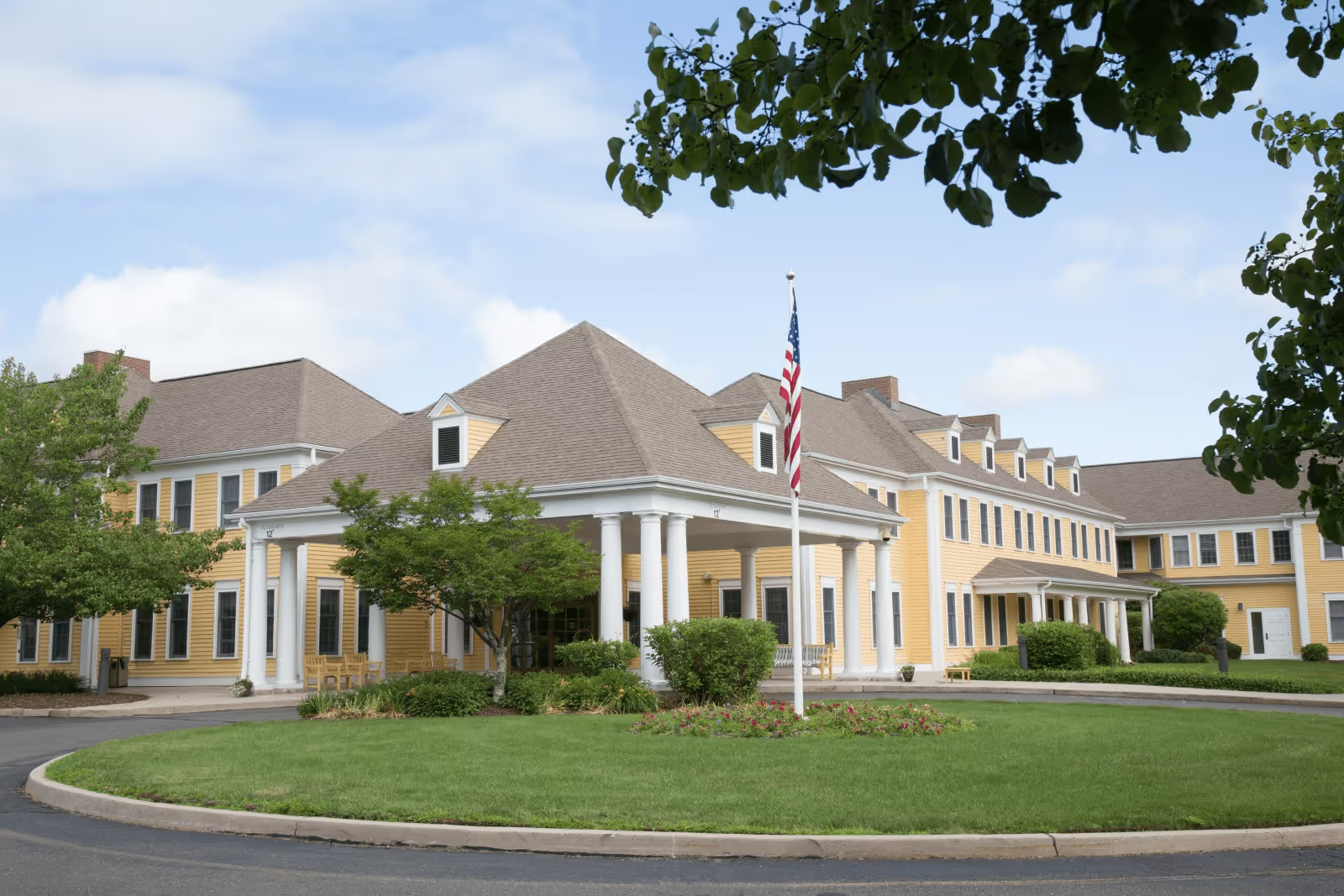
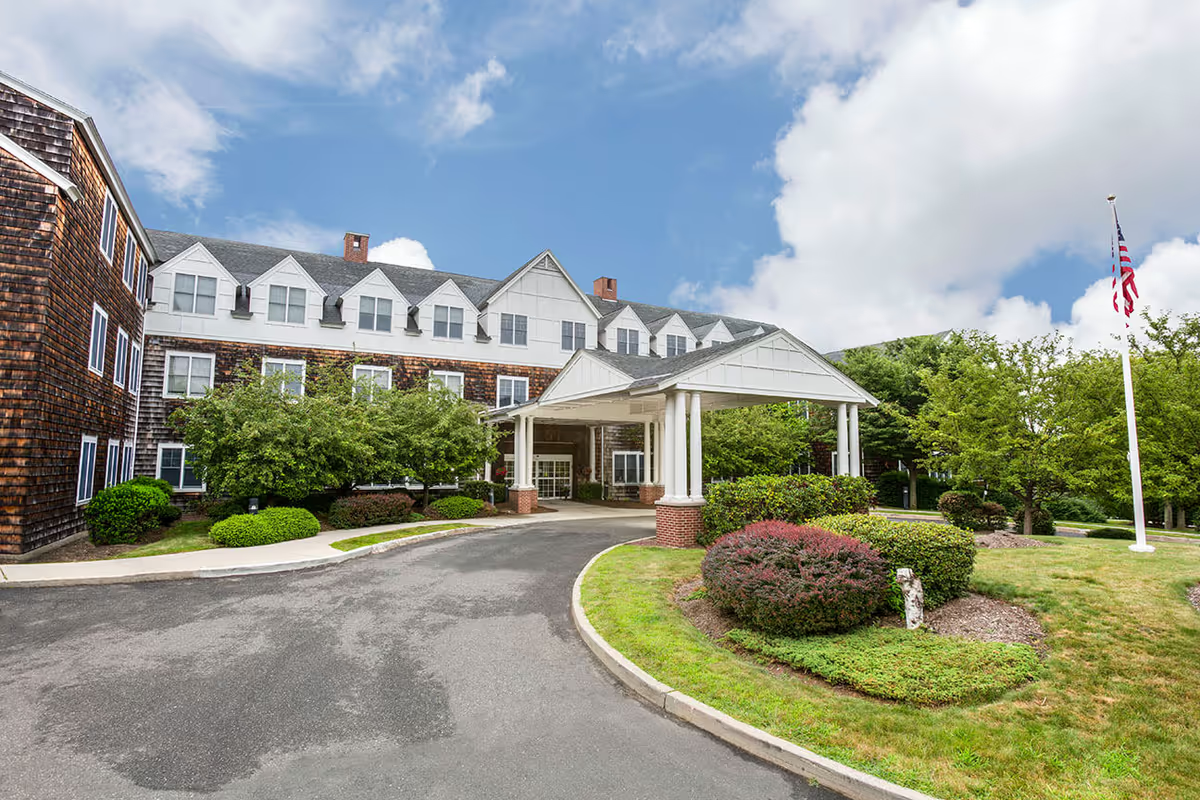
Chatham Place at Mary Wade presents as a modern, well-equipped assisted living and memory-care community with many design and service strengths. Reviewers consistently highlight the new building, clean and attractive common spaces, private studio apartments with en-suite bathrooms, and generous indoor and outdoor communal areas. The location, accessible parking, and caring reception and admissions staff are frequently mentioned as positives that ease the transition for residents and families.
Dining and rehabilitation services are standout features in many accounts. Families and residents describe creative menus, plentiful portions, well-prepared vegetables and desserts, and attentive dining-room staff who know residents’ preferences. A specialized physical-therapy program is repeatedly credited with producing meaningful functional gains for residents, and several families characterized therapy as life-improving or life-saving for their loved ones.
Staffing and daily-life programming are generally praised for friendliness, empathy, and engagement. The community offers a busy activities calendar, an invested recreation department, and opportunities for outings, art sessions, and social gatherings that contribute to resident quality of life. Memory-care programming is described as self-contained and small-scale, which supports individualized attention.
At the same time, there are consistent operational concerns that prospective families should weigh. Multiple accounts point to uneven clinical competence when residents have complex medical needs (for example, indwelling-catheter management or neurological conditions such as Parkinson’s). Relatedly, reviewers described challenges with care coordination during and after hospital stays, including delays or difficulty arranging timely re-entry and follow-up care. These items point to gaps in clinical oversight and transition protocols rather than universal failure across the community.
Communication and staff coordination are other recurring themes. While many families praised specific caregivers and leaders (including admissions staff and some nurses), others described variability in staff responsiveness and handoff communication across shifts. Delays in assistance for residents who need help with meals or personal care were cited in a few accounts, suggesting that assistance processes are not uniformly reliable for higher-acuity residents. Financial-policy clarity is also an issue: some families noted nonrefundable fees or rigid refund policies that influenced decisions during difficult transitions.
Overall, Chatham Place appears to offer a high-quality living environment with notable strengths in facility design, dining, therapy, and social programming. For prospective residents who are primarily seeking a comfortable, active assisted-living or memory-care setting, the community’s amenities and many staff members are likely to be strong assets. For individuals with complex clinical needs or frequent hospital transitions, families should probe clinical protocols, readmission processes, staffing patterns, and fee policies during tours and meetings with leadership to ensure the community’s operational practices align with the level of medical oversight required.