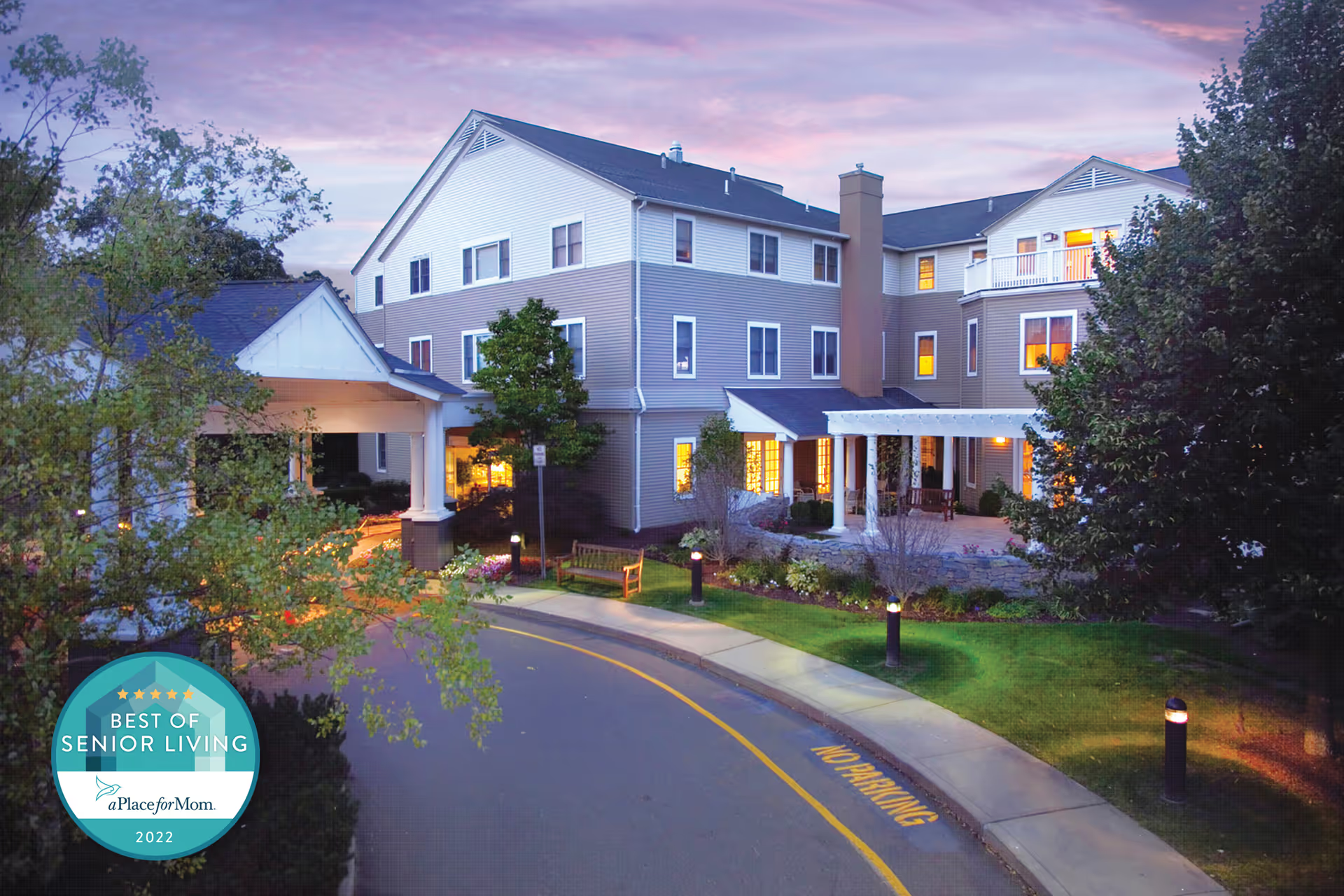
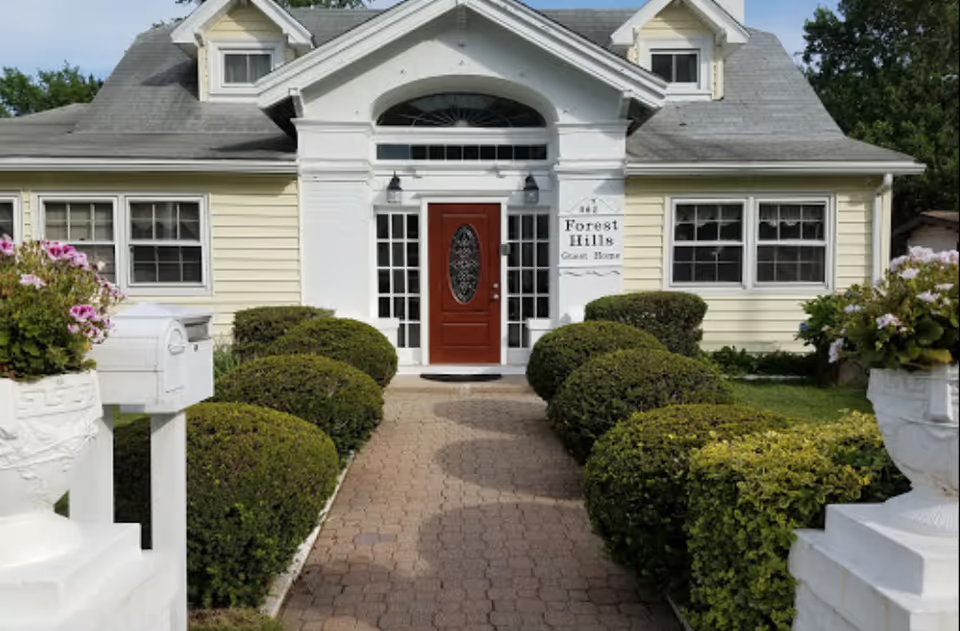
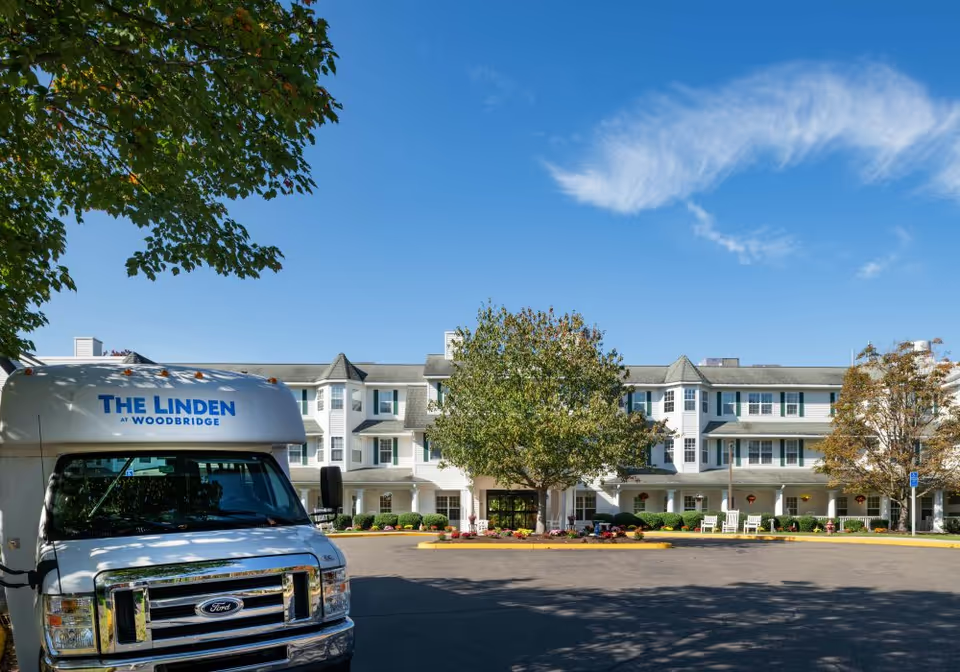
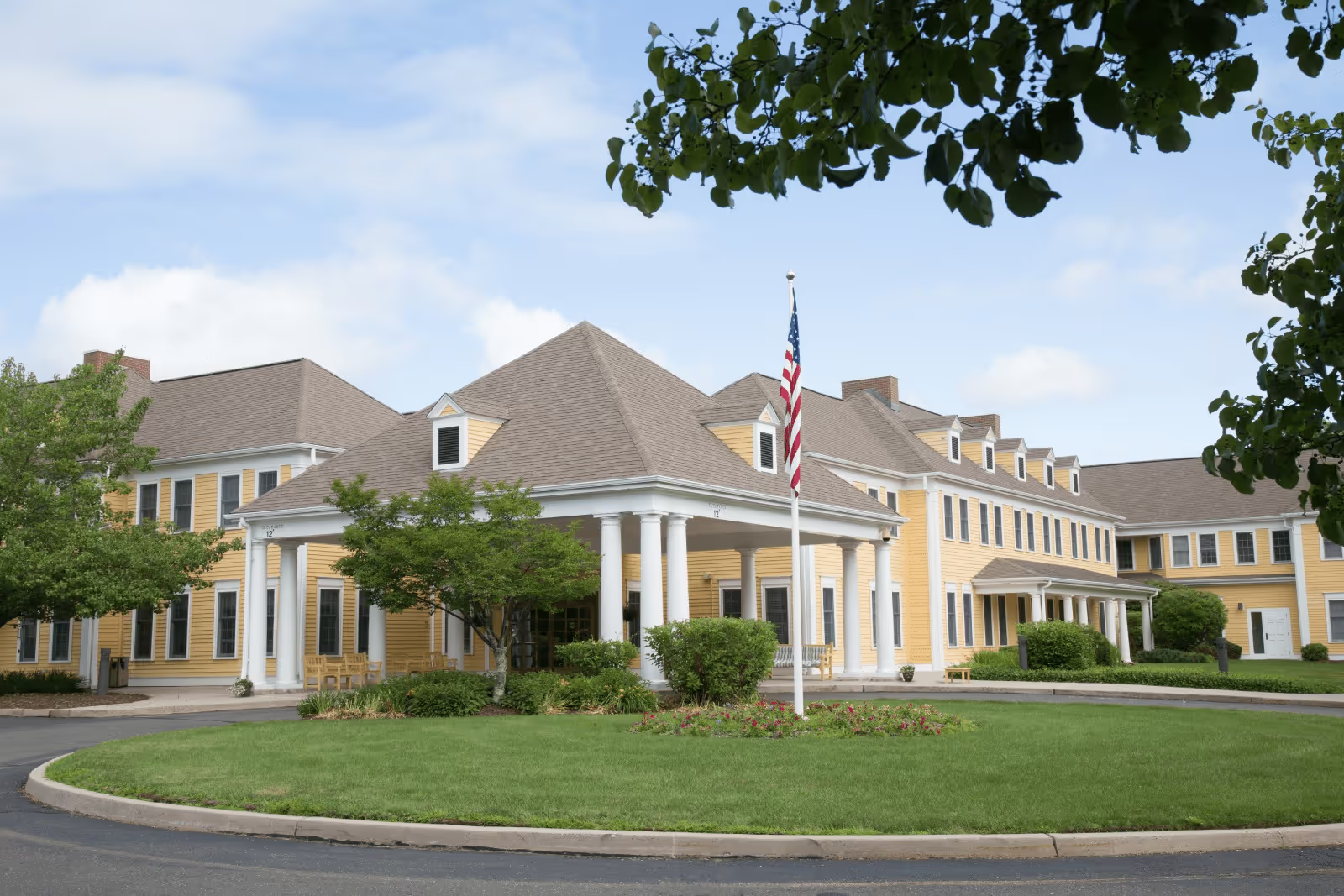
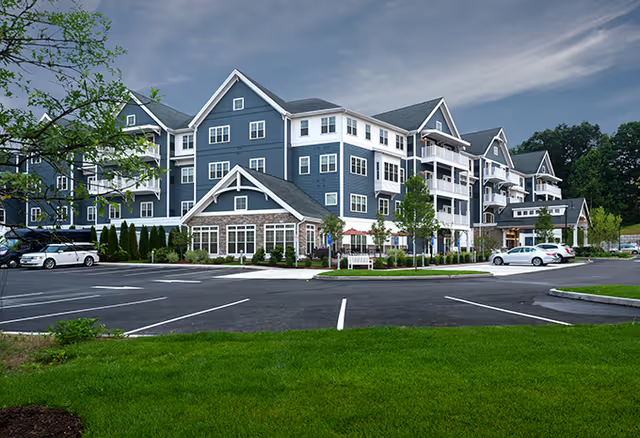
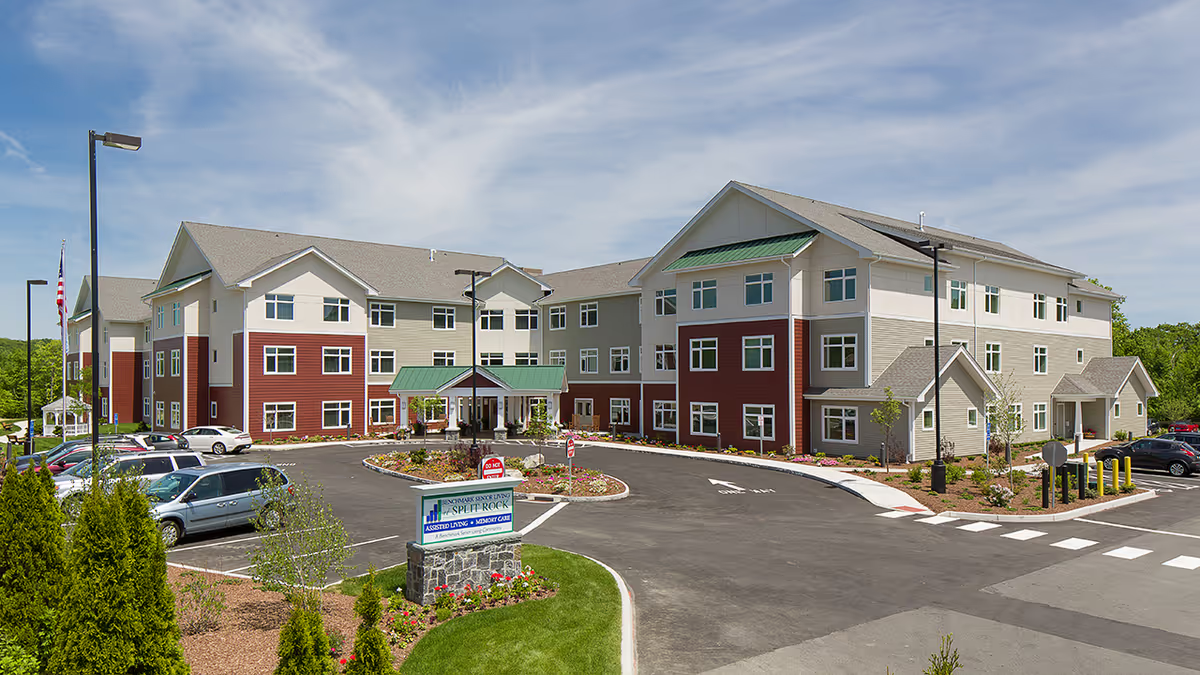
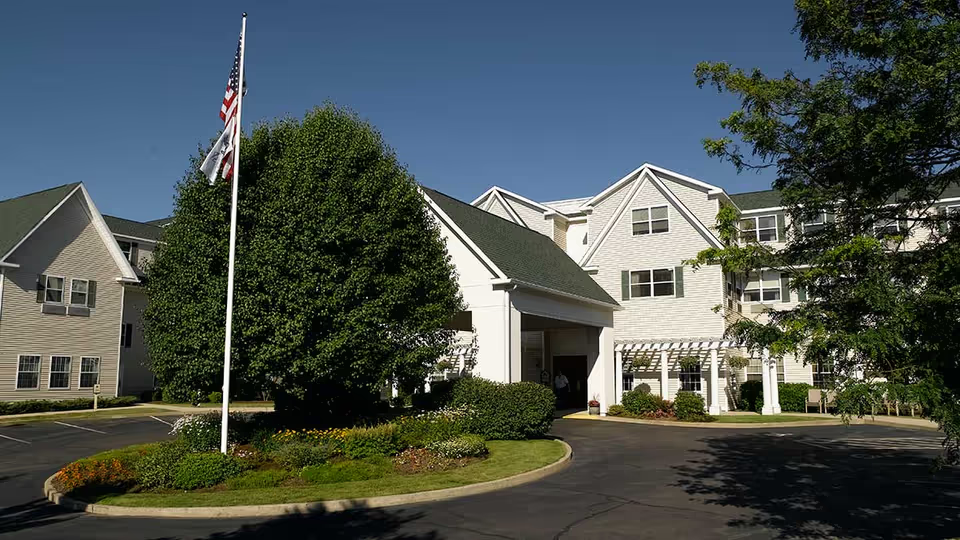
Fieldstone Village is consistently described as a clean, safe, and tranquil community with an attractive, well‑maintained campus. Several comments emphasize the scenic setting—noting the property’s former‑farm character and quiet neighborhood—which appears to be an important draw for residents and families seeking a peaceful living environment. Cleanliness and general maintenance are recurring positives.
Dining and family engagement are clear strengths. Reviewers praise the food quality, and family involvement is repeatedly mentioned as a positive aspect of the community atmosphere. Those themes suggest management has placed emphasis on meal service standards and fostering family participation in residents’ lives.
On care and staff, impressions are generally favorable: the overall tone of the feedback is positive, and the combination of safety, cleanliness, and family engagement implies acceptable day‑to‑day care and staff responsiveness. There are no detailed allegations about clinical practice in these summaries; however, the absence of detailed commentary about clinical programs or nursing-level services means prospective families should request specifics about medical oversight, staffing ratios, and care plans during a tour.
The primary pattern of concern is environmental and programming-related rather than clinical. Multiple notes describe the community as dull, bland, or “cookie‑cutter,” and observers mention empty lawns and a lack of personality. These comments indicate a facility‑level opportunity to strengthen social programming, increase visible resident engagement, and activate outdoor spaces to make the campus feel more lively and individualized.
For prospective residents and families: Fieldstone Village appears well suited to people who prioritize cleanliness, quiet, scenic surroundings, and good dining with family involvement. Those seeking a highly social, highly active, or highly personalized aesthetic may want to investigate activity calendars, opportunities for resident personalization, and how outdoor common areas are programmed before deciding. Asking management about scheduled activities, resident councils, and event participation rates will help determine whether the community’s day‑to‑day social life matches a prospective resident’s expectations.