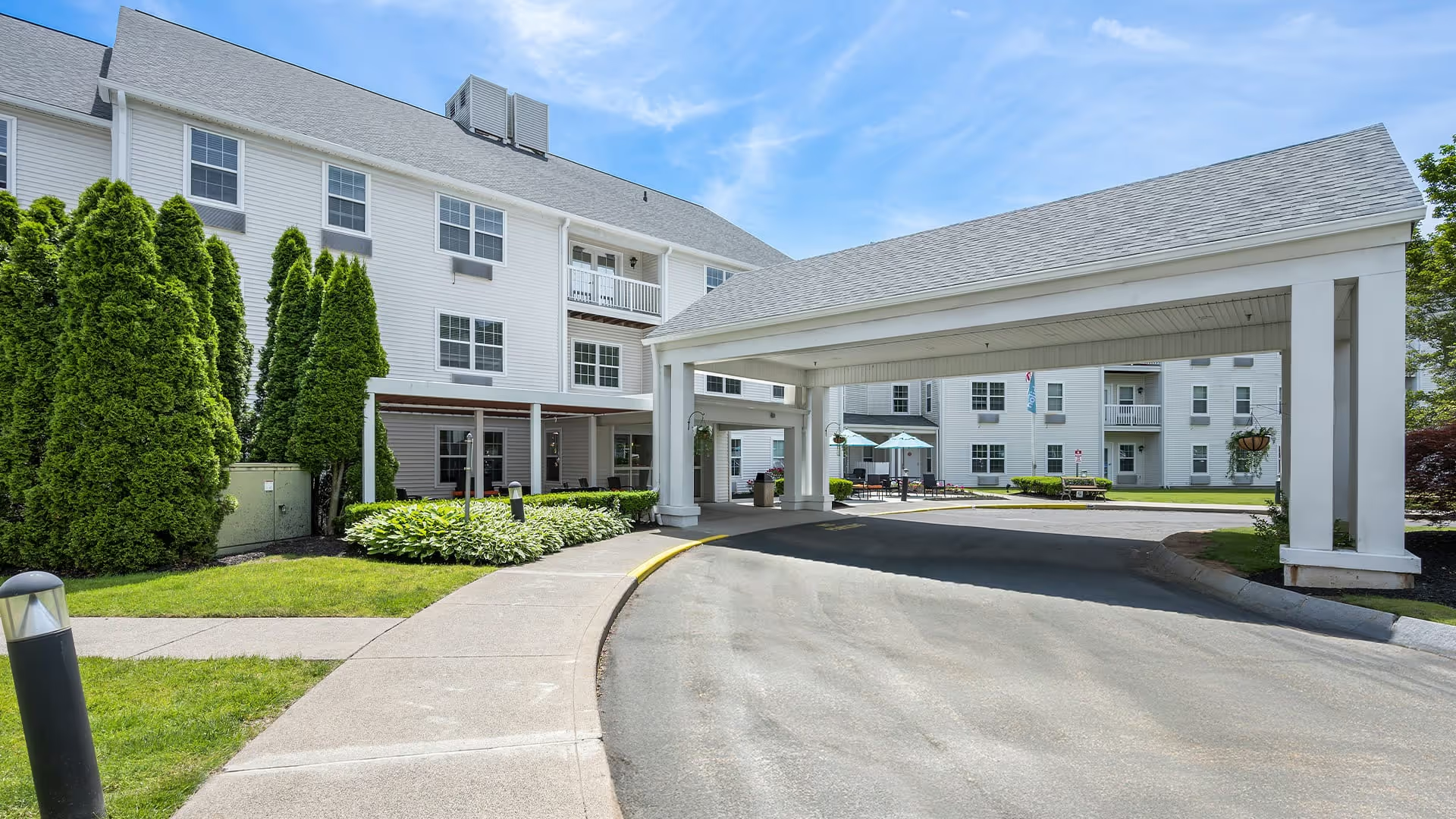
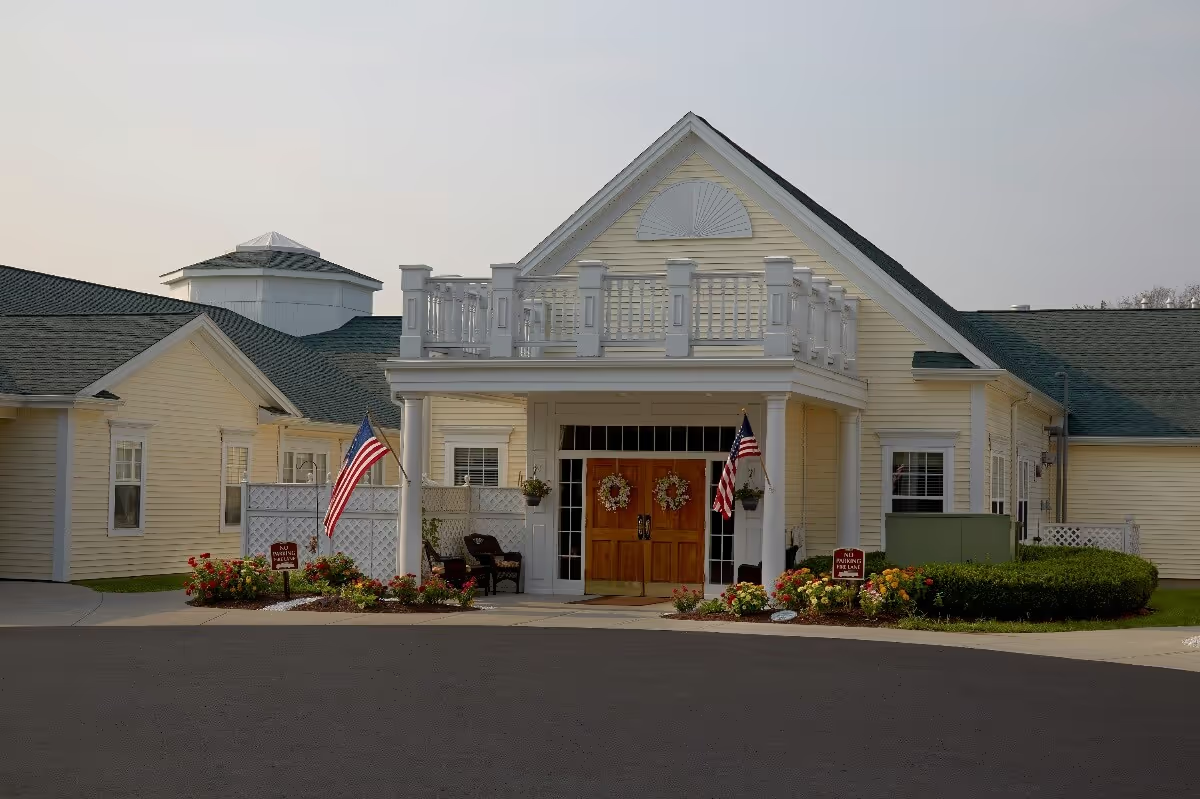
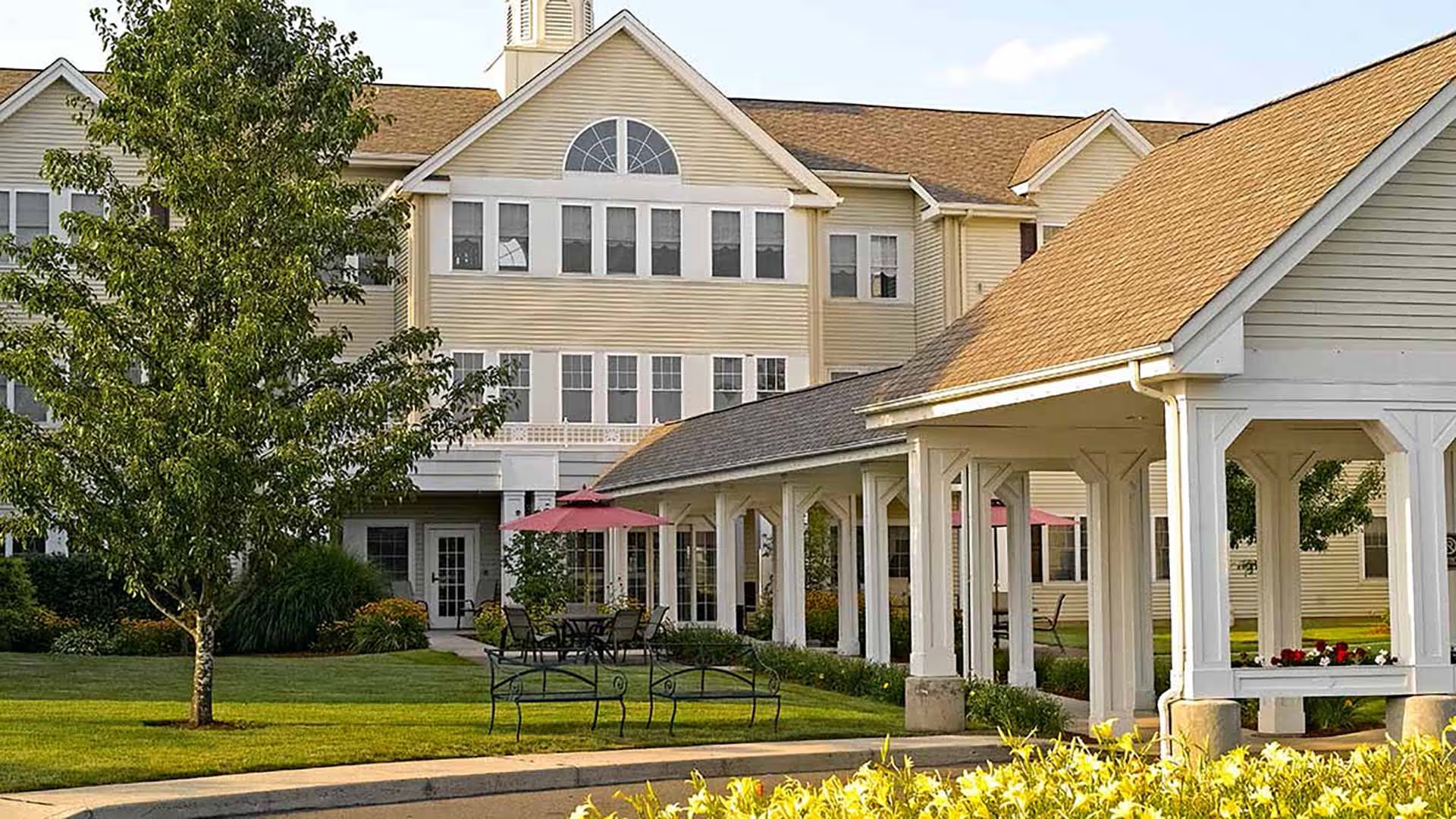
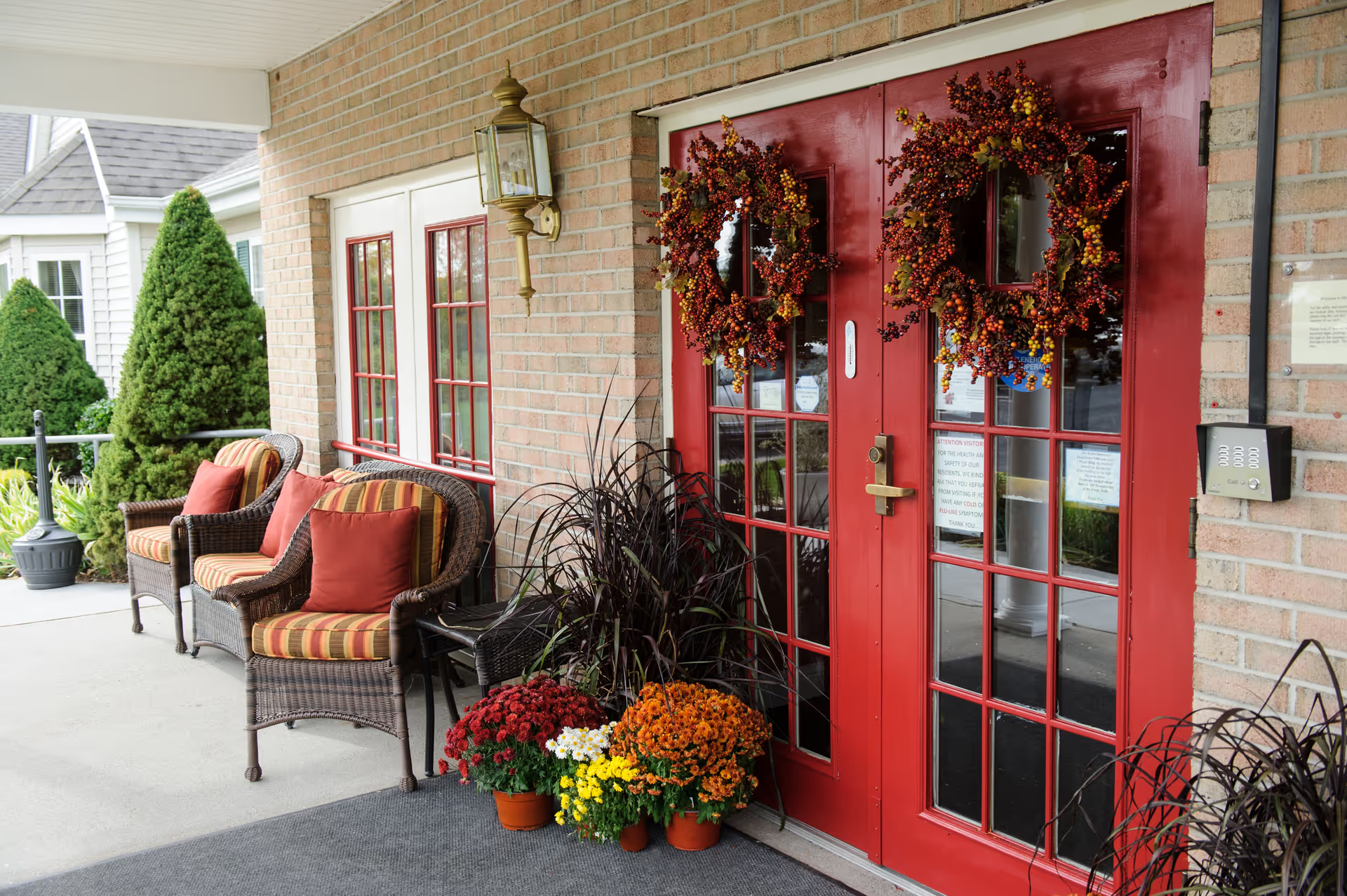
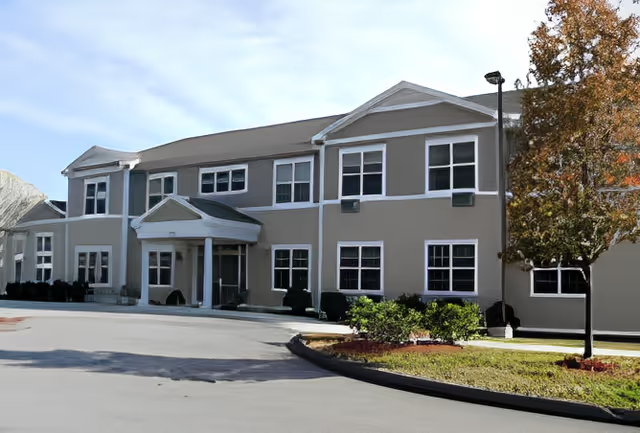
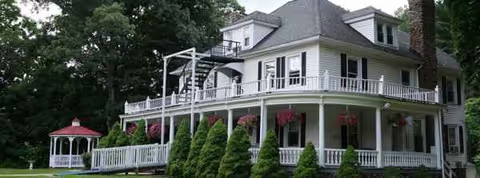
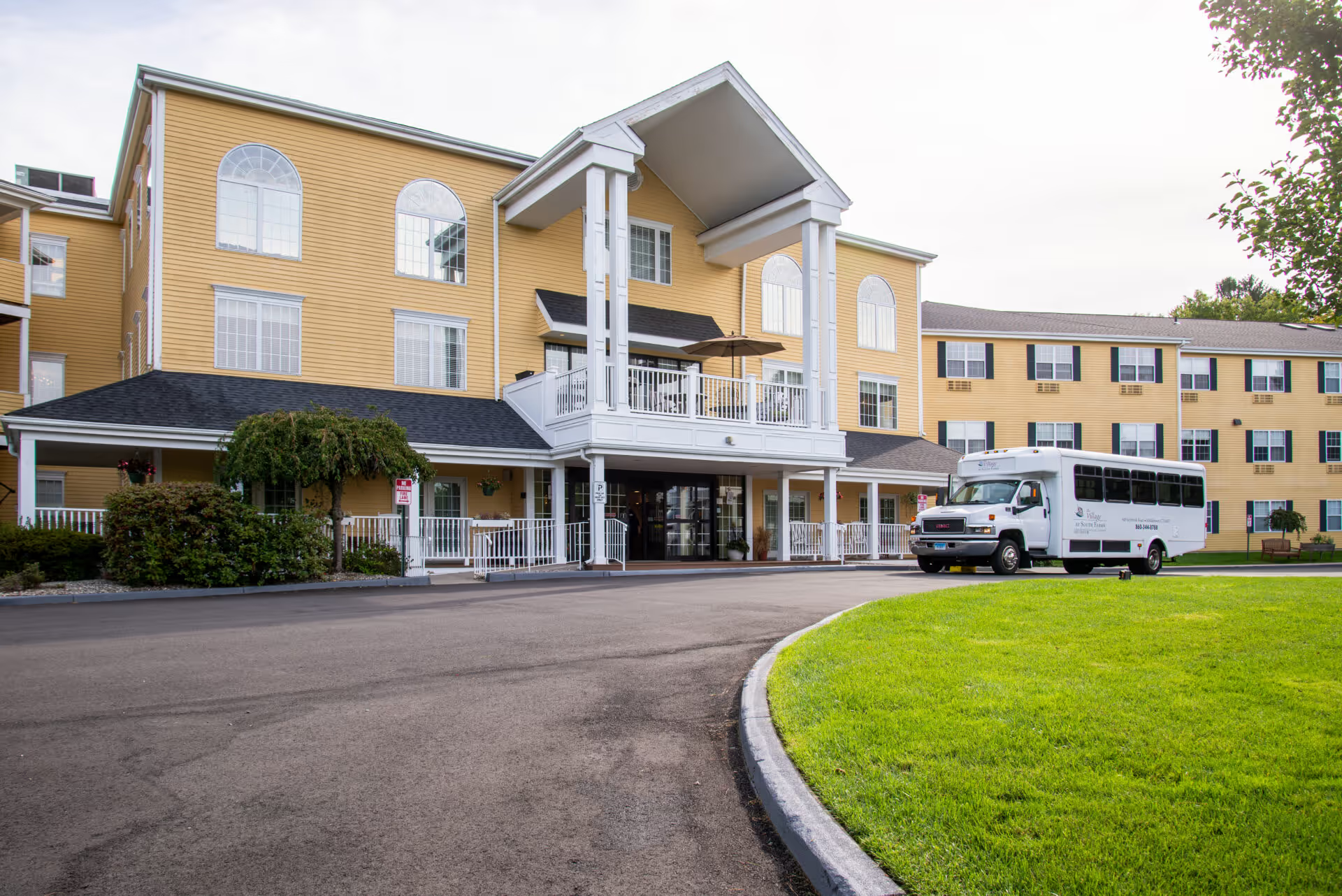
Overall impression: The Residence at Ferry Park is presented in reviews as a community with a strong emphasis on compassionate, resident-centered care and a warm, family-like atmosphere. Many families emphasize the quality of day-to-day caregiving: staff are commonly described as attentive, empathetic, and engaged with residents, and reviewers frequently cite helpful leadership and administration that facilitate transitions. The physical environment is also a consistent strength — the property is regularly described as clean, recently renovated, bright, and well maintained, with attractive grounds, multiple courtyards, and inviting common spaces.
Care and staff: Staff quality is the most commonly praised feature. Reviewers note patient, responsive caregivers, long-tenured aides in some units, and visible leadership involvement. The community offers 24-hour care and a philosophy that supports resident independence while providing safety. However, there is a recurring operational concern about staffing stability: reviewers described periods of high turnover and staffing shortages, particularly during meal periods and in some clinical functions. Relatedly, a pattern of medication-management concerns appears in multiple accounts; reviewers cite dosing and medication-administration issues that suggest opportunities to strengthen clinical oversight and safety controls.
Dining: Dining is a mixed domain. The community markets restaurant-style meals, chef specials, and flexible dining hours; many reviewers praise the menu variety, special entrees, and family-meal options. For some families the dining experience is a strong asset and contributes to quality of life. Conversely, other reviewers describe inconsistent meal quality, delays at mealtimes, temperature issues, and limitations for specific dietary needs (for example, diabetic-friendly selections and texture-appropriate food). Expectations around promised meal plans and service levels are a common source of dissatisfaction when practice differs from marketing materials.
Activities and memory care: Activity programming is generally viewed positively on the assisted-living side — reviewers cite exercise classes, outings, entertainment events, and an active social calendar. The memory-care offering (Reflections) is noted as structured and secure, with a fenced courtyard and dedicated programming. At the same time, multiple accounts point to limited variety or declining frequency of activities in the memory-care unit and to minimal stimulation for residents with higher needs. This mixed pattern indicates that the quality and breadth of programming can vary by unit and over time.
Facilities and amenities: The community’s tangible assets are frequently praised: spacious apartments (though some units are described as smaller alcoves), well-appointed dining areas, salon and library amenities, and attractive outdoor spaces. A few operational issues arise around amenity delivery — for example, promised in-unit Wi‑Fi or other technology sometimes not being active at move-in, and instances of uneven climate control (delayed heating or overheated common areas). Some apartments that lack full kitchen facilities require reliance on community dining, which may matter for prospective residents who want more independent meal preparation.
Management and operational patterns: Leadership is often singled out positively for responsiveness, move-in support, and family communication; several reviewers named specific administrators as helpful. Nevertheless, recurring operational themes include communication lapses (delays or inconsistencies in updates), marketing or expectation gaps (promises about resident population, meal plans, or amenities that some families felt were not met), and concerns about billing transparency and extra monthly fees. Ownership or management changes were mentioned and can contribute to perception of instability. Reviewers commonly advise prospective families to clarify contract terms, confirm in-unit amenities prior to move-in, and negotiate trial or short-term arrangements when feasible.
Notable patterns and recommendation: In aggregate the reviews portray a facility with many strengths — caring staff, attractive physical plant, engaging programming, and a restaurant-style dining model — balanced against recurring operational weaknesses that prospective residents and families should probe during a visit. Key due-diligence topics for tours and discussions: staffing ratios and turnover trends, medication-safety protocols, concrete examples of memory-care programming and daily schedules, specifics of dining accommodations for special diets, in-unit amenity delivery (Wi‑Fi, climate control), and full disclosure of fees and contract terms. A visit that includes observation of mealtimes, an overview of clinical-safety processes, and conversations with current families will help clarify whether the community’s strengths align with an individual resident’s care needs and expectations.