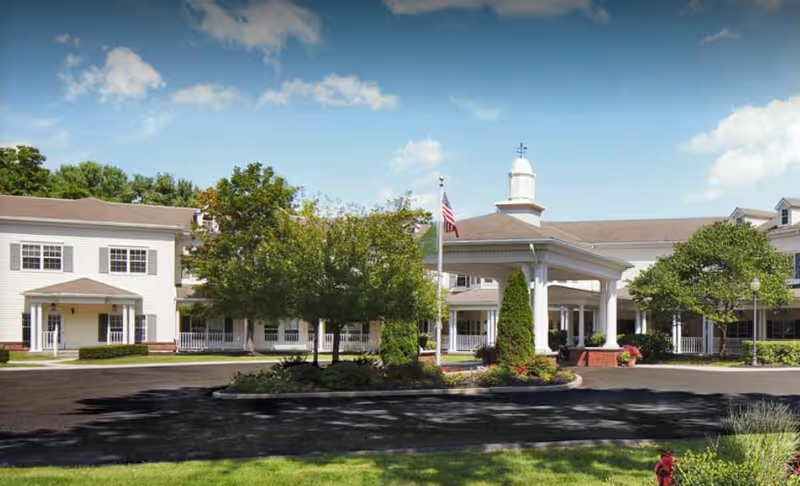
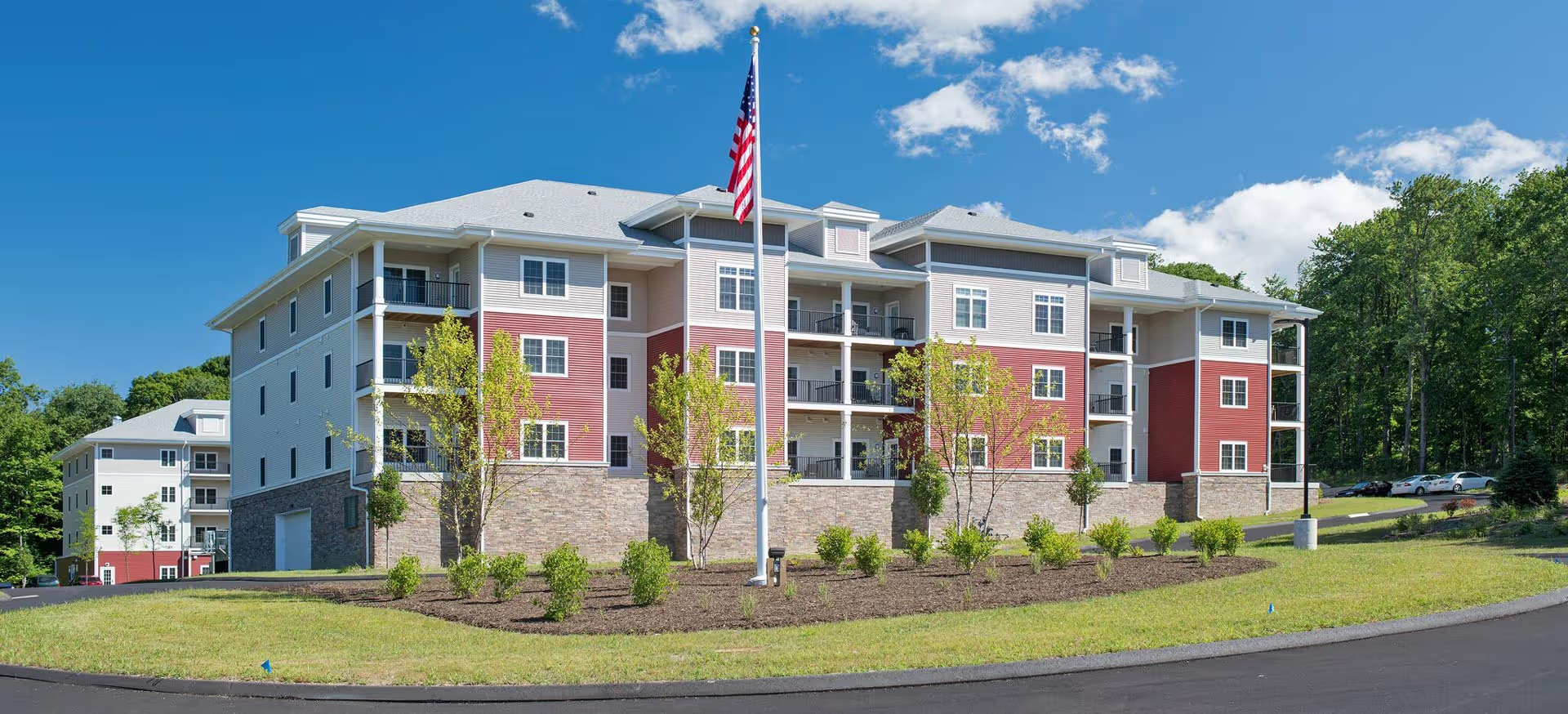
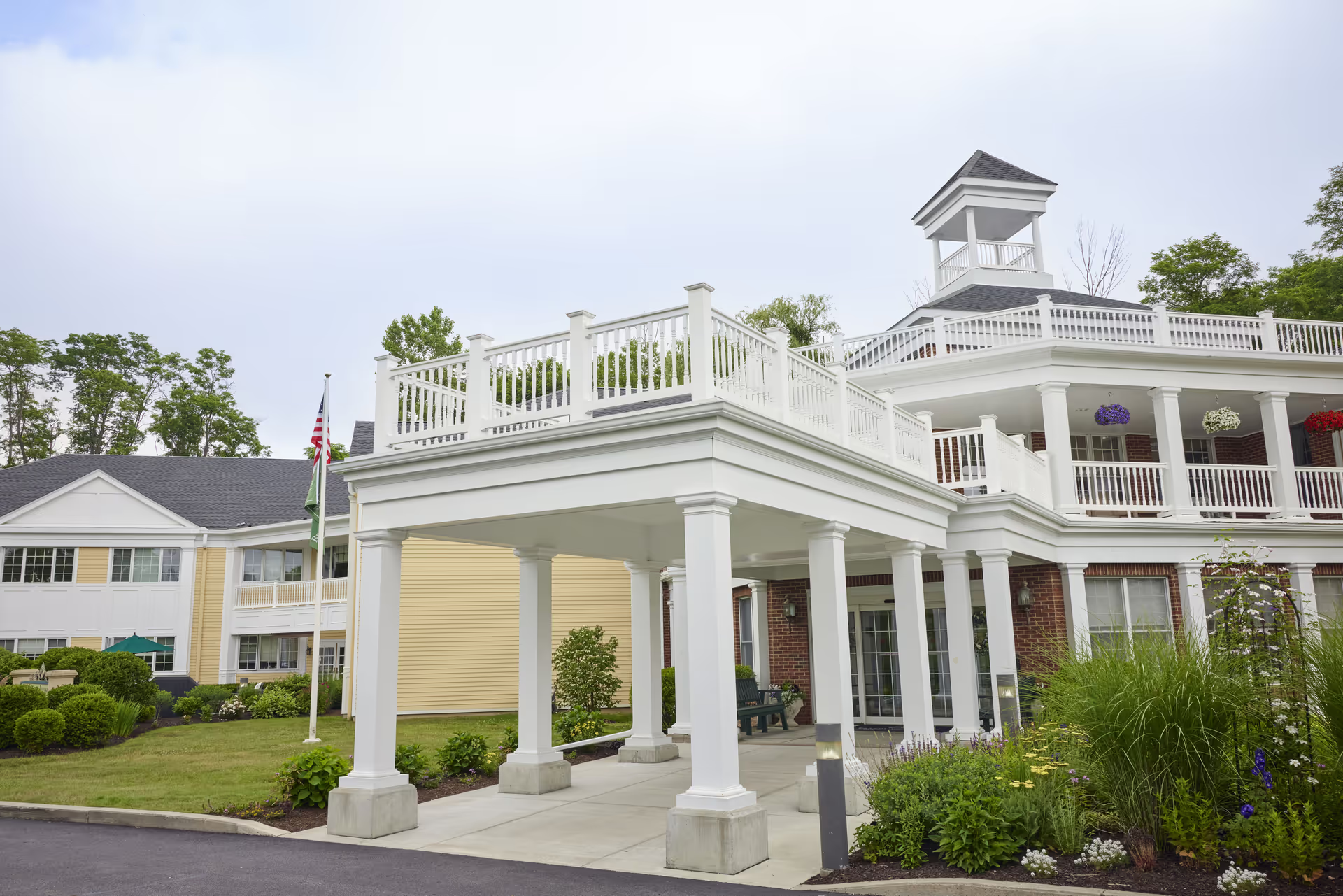
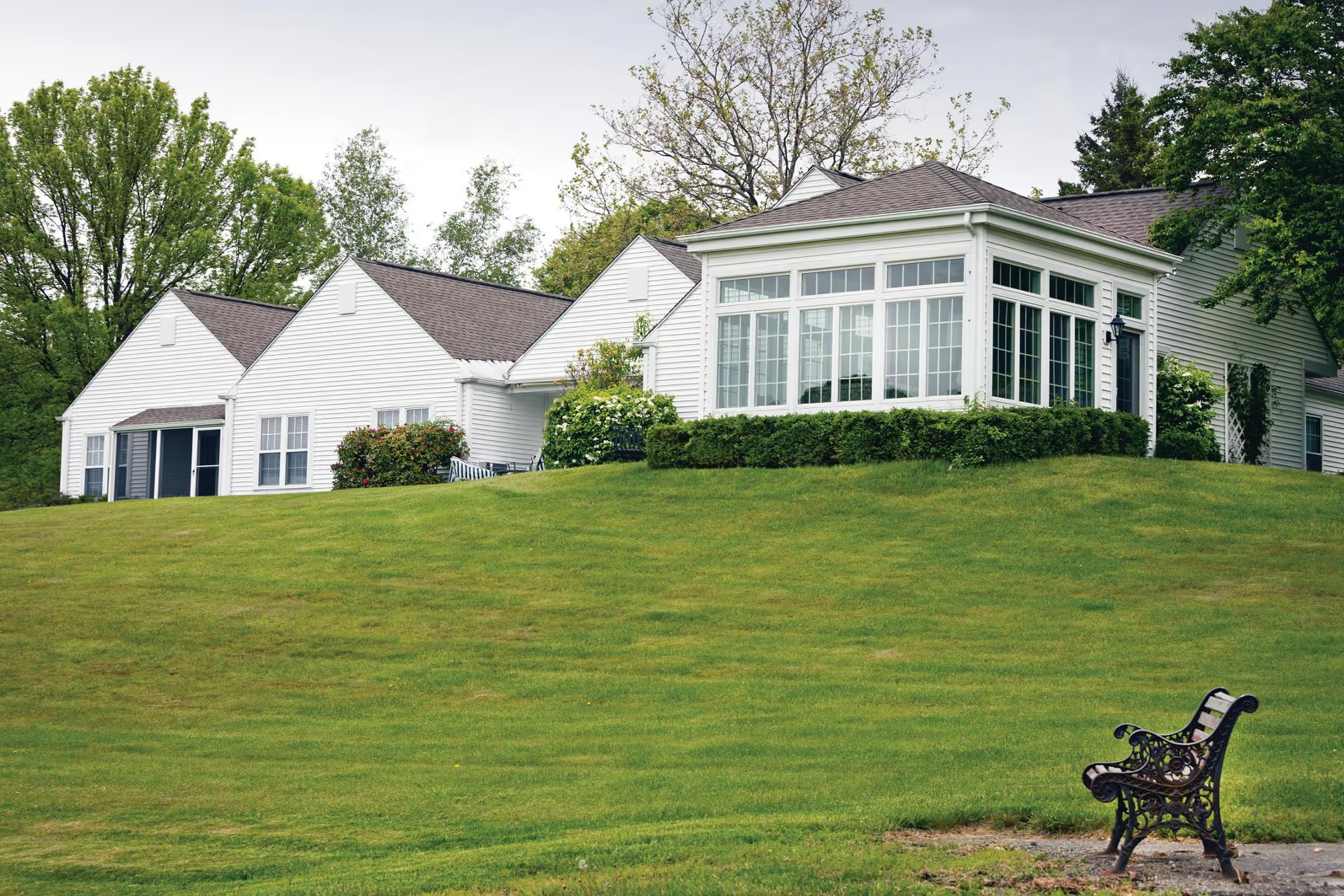
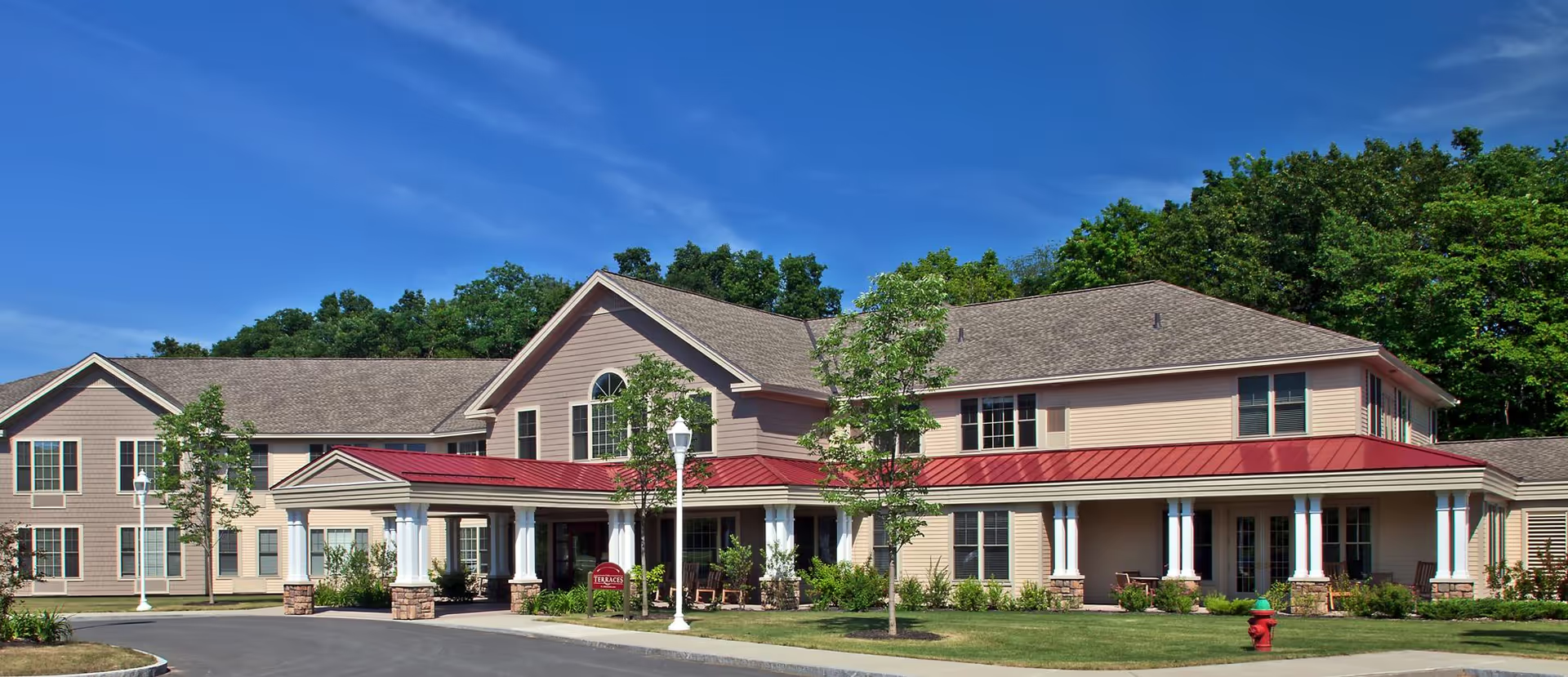
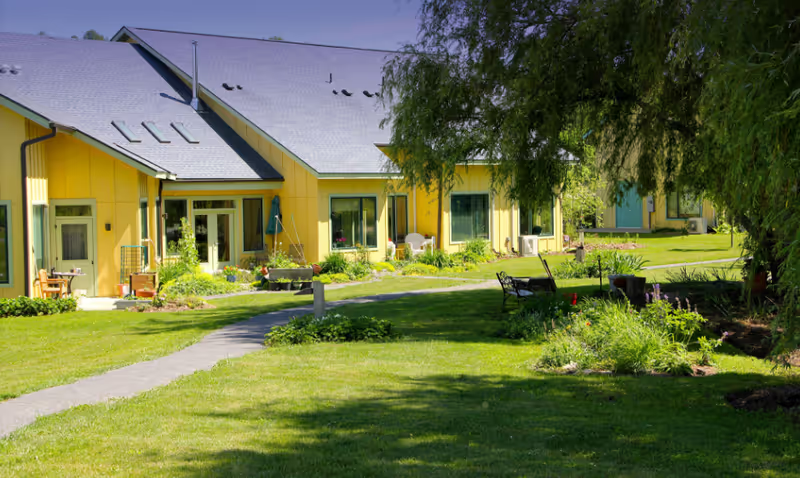
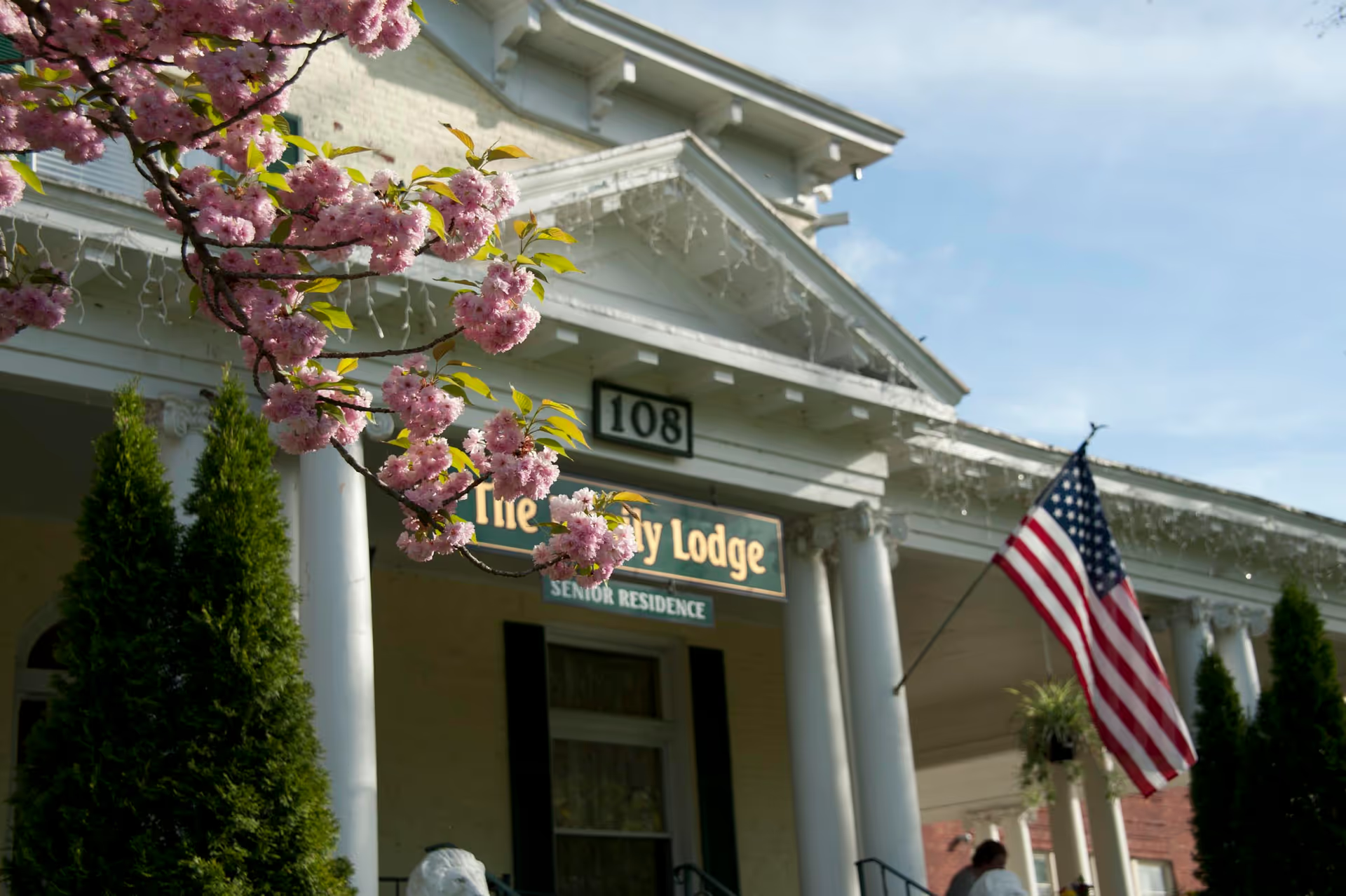
The reviews present a mixed picture of Noble Horizons: the campus, grounds and physical amenities receive consistent praise, and many families highlight attractive cottage-style housing options, private dining spaces, and well-appointed resident rooms. Dining and event food are frequently described as a strength, with holiday meals and special-event dining often noted. The community offers multiple levels of care, on-site rehabilitation, and active social programming, all of which generate positive experiences for many residents and families.
Care quality and staff performance appear variable across accounts. Several families described attentive, compassionate front-line staff, strong medical follow-up, and successful rehabilitation outcomes; others indicated delays in clinical responsiveness, a lack of perceived empathy among some nursing personnel, and questions about the facility’s capacity to manage higher-acuity skilled-nursing needs. Medication administration and basic-care tasks were generally acknowledged, while some reviewers raised concerns about escalation pathways and timely medical attention when conditions became more complex.
Dining and activities are frequently cited as strengths. Reviewers emphasize above-average dining, private dining options, holiday programming, and a robust calendar of activities that support social engagement. However, amenities supporting physical fitness are limited; a lack of dedicated gym facilities was specifically mentioned. Transportation and visitor logistics have been handled safely in many cases, and several families noted supportive visitor arrangements during COVID-related restrictions.
Facilities and management present contrasting impressions. Physical plant maintenance and pleasant grounds are clear positives, yet a subset of reviews raises operational concerns: perceived leadership instability, employee turnover, and complaints about supervisory conduct. There are also reports alleging discriminatory or unfair treatment by staff or supervisors; these are serious concerns that some reviewers singled out. A few comments framed the facility as less cost-effective for Medicare-funded rehabilitation than in its earlier reputation. Staffing morale and communication dynamics were described as uneven in places, with isolated accounts of unprofessional behavior.
Notable patterns: experiences are polarized — many families report high-quality, person-centered interactions and successful rehab stays, while others describe lapses in responsiveness and concerns about management and nursing engagement. Prospective residents and families should schedule an in-person tour, observe staff–resident interactions across shifts, ask for specific information on skilled-nursing capacity and emergency escalation protocols, request recent rehab outcomes and Medicare utilization/value data, verify current leadership and staff turnover rates, and confirm availability of fitness amenities if important. Asking for references from recent families and for documentation of infection-control and visitation policies (including how those were managed during COVID) may also help assess fit for an individual’s needs.