Reviews of Apple Rehab Hewitt are strongly mixed, with clear areas of strength alongside recurring operational weaknesses. Many families and patients praised the direct-care teams and therapy staff: nursing and aide staff were frequently described as compassionate and attentive, respiratory and therapy clinicians were noted as skilled and supportive, and the rehabilitation teams (PT/OT/SLP) were credited with motivating care plans and measurable recovery progress. Admissions and financial staff received positive mentions for helpfulness, and some reviewers described a warm, home-like atmosphere and clean, welcoming common areas.
At the same time, a pattern of inconsistent care and operational gaps emerges across reviews. Staffing levels and shift coverage appear variable; several accounts describe slow response times to calls for assistance, delayed comfort or medication administration, and delayed clinical assessments. These delays were linked to safety concerns such as falls and unplanned hospital transfers. Reviewers also raised issues with medication communication and the timely implementation of individualized care plans created by therapists or clinical staff.
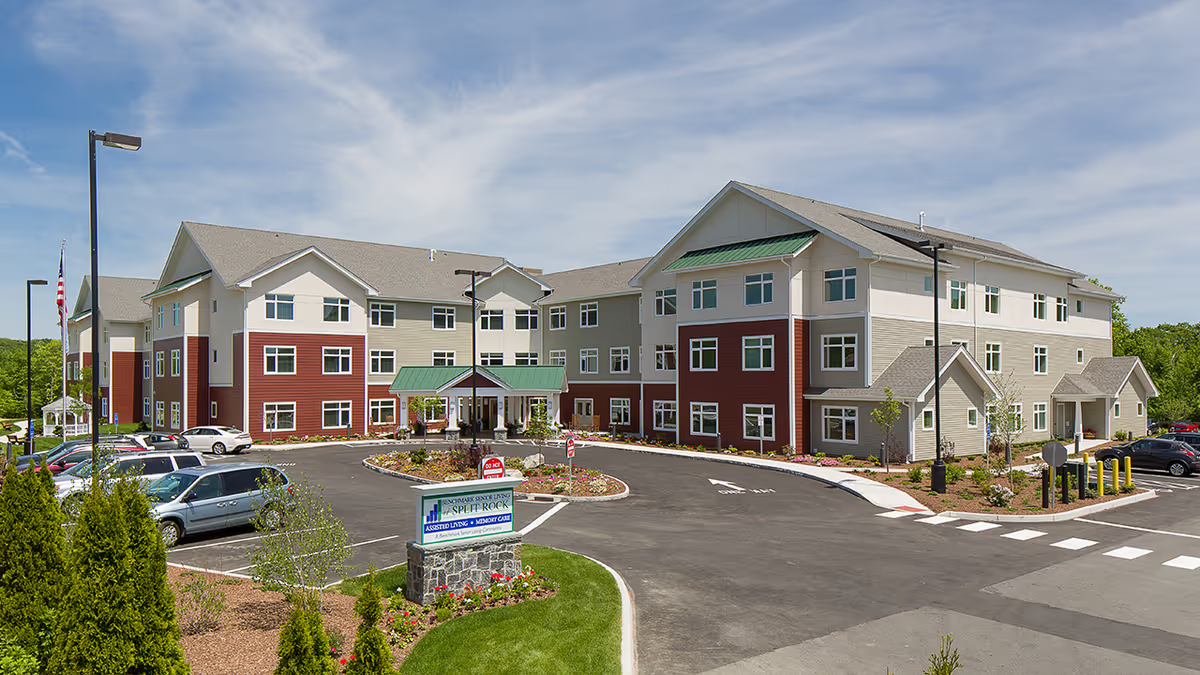
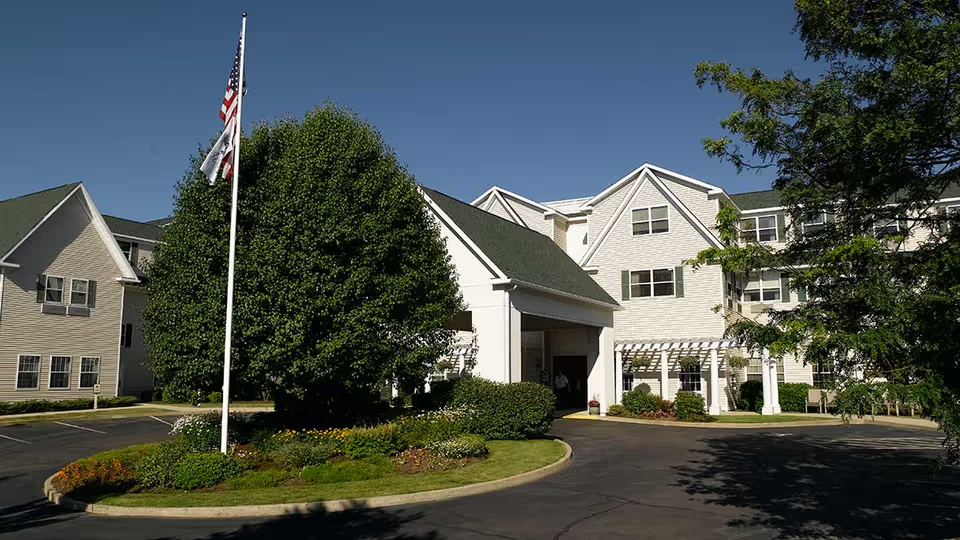
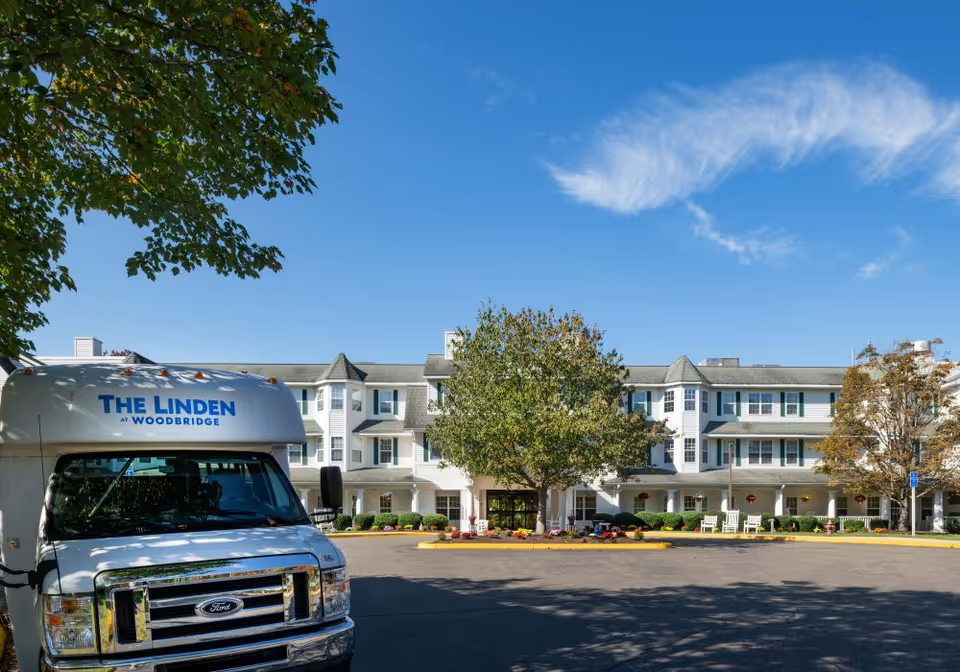
Facility operations and environment are another area of contrast. While some found the building clean and welcoming, others noted aging infrastructure, broken or outdated equipment, and inconsistent housekeeping. Dining received mixed feedback: trained meal-delivery staff and positive meals were praised in some comments, while other families reported cold food or variable meal quality. Personal-property management was a recurrent concern — missing or untracked laundry and personal items were described in several accounts, indicating weaknesses in inventory or transfer procedures.
Communication and management responsiveness appear uneven. A number of reviewers described responsive, helpful on-duty managers and effective administrative support, but others reported poor communication, missing paperwork, billing disputes, and limited transparency from leadership. A few reviews raised serious allegations about care surrounding significant clinical events and questioned institutional responses; these items suggest that families should seek thorough documentation and clear communication when adverse events occur.
Notable patterns for prospective families: care quality can be highly dependent on which staff are on duty, so outcomes may vary shift to shift; active family advocacy may be required to secure timely assistance or follow-up; and attention to personal-property procedures and documentation is advisable. For patients whose primary need is intensive, skilled rehabilitation, the facility has demonstrable strengths. For those requiring consistent, around-the-clock responsiveness and robust facility upkeep, the variable reports suggest careful, case-by-case evaluation and direct discussion with management about staffing, safety protocols, and communication practices before placement.