Overall sentiment across the reviews for The Villa at Stamford is strongly mixed but centers on a clear and consistent strength: therapy-driven rehabilitation and many individual staff members who provide compassionate, skilled care. Numerous reviewers highlight outstanding physical and occupational therapy teams, frequent one-on-one sessions, creative therapy approaches (including Parkinson’s symptom management and contracture reduction), and successful post-surgical recoveries. These clinical strengths are reinforced by repeated praise for specific clinicians and leaders—APRN Denise and several named nurses, therapists, and administrators—who families credit with clear communication, medical competence, and emotional support. For short-term subacute rehabilitation or well-defined rehab goals, many reviewers strongly recommend the Villa and describe excellent outcomes and strong interdisciplinary coordination around discharge planning and Medicare expertise.
Staff quality is a major theme, but it is inconsistent. A large number of reviews describe nurses, CNAs, therapists, recreation staff, and business-office personnel as attentive, kind, and professional; some staff members are called out by name for going “above and beyond.” At the same time, there are repeated, specific complaints about other staff being inattentive, passive-aggressive, or outright rude. Several reviews describe neglectful behaviors (long periods left unattended, slow response to call bells, delays in pain medication), arguing or poor collaboration between nurses, and isolated incidents severe enough that families felt a staff member should have been disciplined or fired. This split produces a polarized experience for residents: some feel very safe and well-cared-for, while others experienced neglect or disrespect.
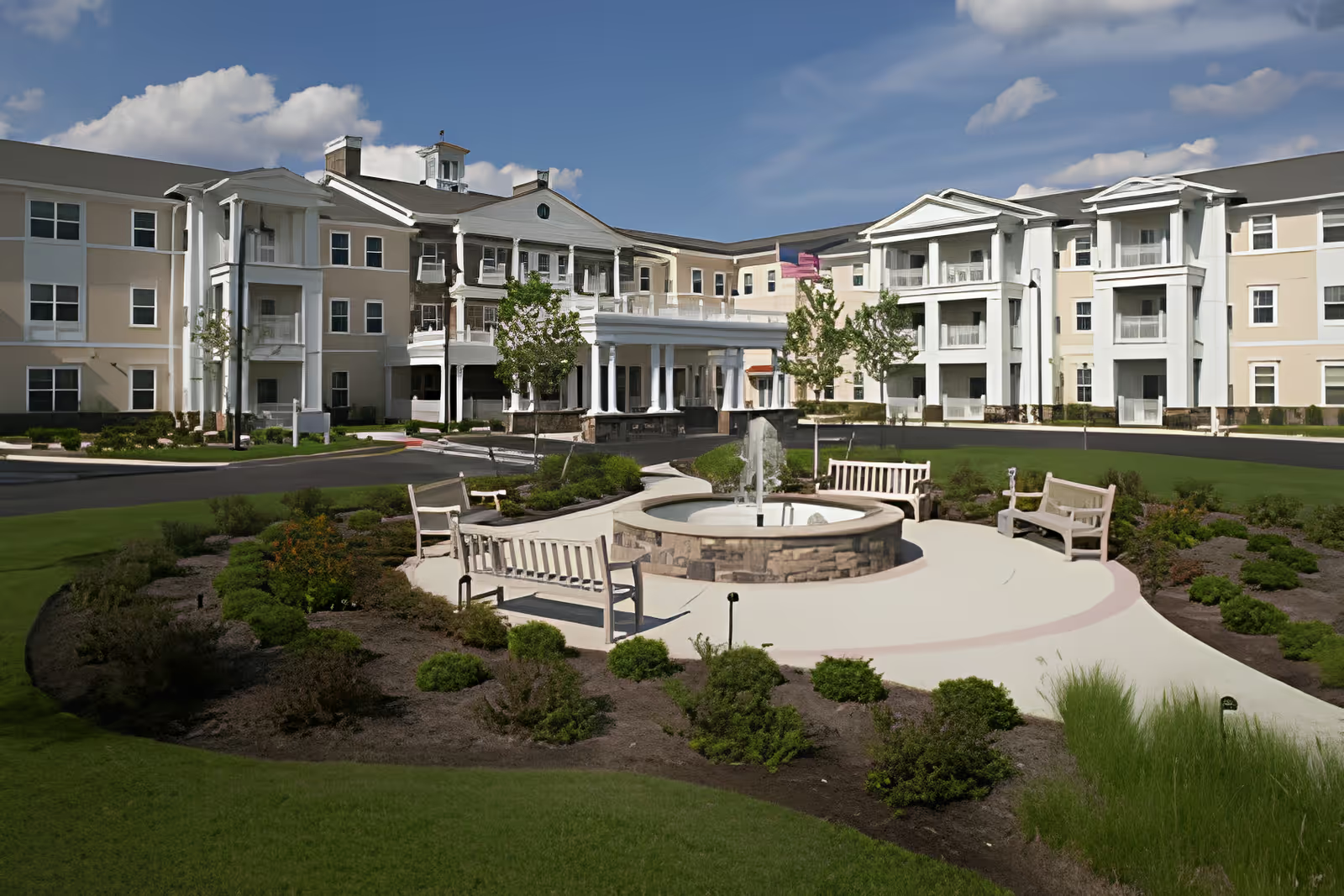
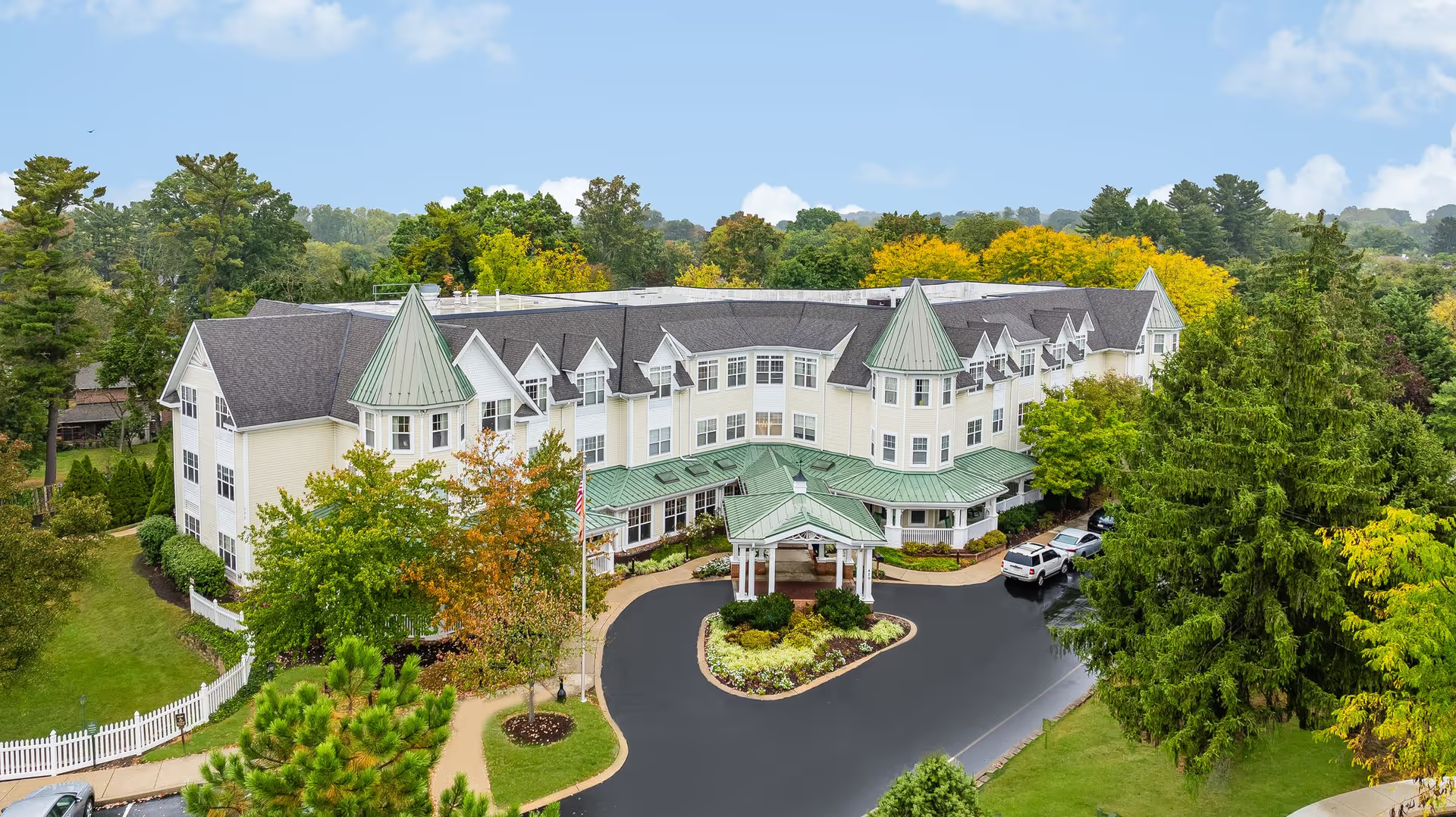
Facility and environment feedback is similarly mixed but leaning positive overall. Many reviewers applaud the Villa’s cleanliness, pleasant decorations, park-like exterior, easy access to outdoor spaces and trails, and a generally welcoming atmosphere. The front desk and technology-enabled entry system draw praise for ease and security. However, multiple reviewers raised concerns about dated or small rooms, institutional-looking or dingy dining areas, and specific reports of poor cleanliness (urine/feces odors, unclean bathrooms, bedpans left unattended). Renovation work was mentioned as both a sign of improvement and a source of concern (dust and paint fumes). These disparities suggest areas are being upgraded but not uniformly across the building.
Dining and nutrition emerge as one of the clearest, repeatedly raised problems. Many families and residents reported dissatisfaction with the meals—described as unhealthy, repetitive, heavy on sandwiches/red meat/hamburgers and fried sides, with rare salads, frequent pudding and diet sodas, and insufficient accommodations for chronic conditions such as diabetes and heart disease. Some reviews noted that meals were not what was ordered or were poorly presented, and several commenters asked for a more nutritious, resident-feedback-driven dining program. Conversely, a subset of reviews said meals were acceptable or even good, which reinforces the overall impression of inconsistent delivery across shifts or units.
Management, social work, and admissions receive strong, consistent positive mention. Several reviewers singled out the Executive Director, business-office staff (notably Nicolina), admissions coordinators, and social workers as responsive, proactive, and knowledgeable—especially in navigating Medicaid, Medicare, and discharge processes. This leadership presence contributes to many families’ trust in the facility, and when leadership is engaged, reviewers report clear communication about finances, care plans, and resources. Still, some families reported difficulty reaching nursing leadership or front-desk staff at critical moments, which supports the overall pattern of variability in service levels.
Activities and community life are generally described positively, with an active recreation department, age-appropriate programming, and regular in-room and facility-wide activities. Outdoor activities and opportunities for gardening, walks, and small-group events are appreciated. A minority of reviews, however, said there were too few activities or that residents spent long periods in rooms and became isolated—often paralleling reports of understaffing and limited aide availability.
Safety, dementia care, and suitability for medically complex residents are areas of concern for some reviewers. Several accounts caution that the Villa may be less suitable for residents with advanced heart disease, diabetes, or complex memory-care needs—citing meal choices, inconsistent staff training or responsiveness, and crowding in memory units as contributing factors. A few families reported hospitalizations or clinical decline they attributed to lapses in care. These issues, while not universal, are significant enough to warrant careful assessment by prospective residents and family members with high-acuity needs.
In conclusion, The Villa at Stamford offers many clear strengths—especially its rehabilitation services, several standout staff members, responsive leadership and social work, and a generally clean, welcoming campus for many residents. However, the experience is uneven: there are repeated reports of understaffing, variable staff professionalism, dining and nutrition problems, occasional cleanliness and safety lapses, and small or dated rooms in parts of the building. The reviews suggest the Villa is frequently an excellent option for short-term rehab and many long-term residents who benefit from the therapy teams and engaged staff, but families of residents with complex medical or memory-care needs should conduct careful, current on-site assessments (including meal sampling, observation of housekeeping and shift changes, and conversations with leadership) to ensure consistent standards and responsiveness meet their loved one’s needs.