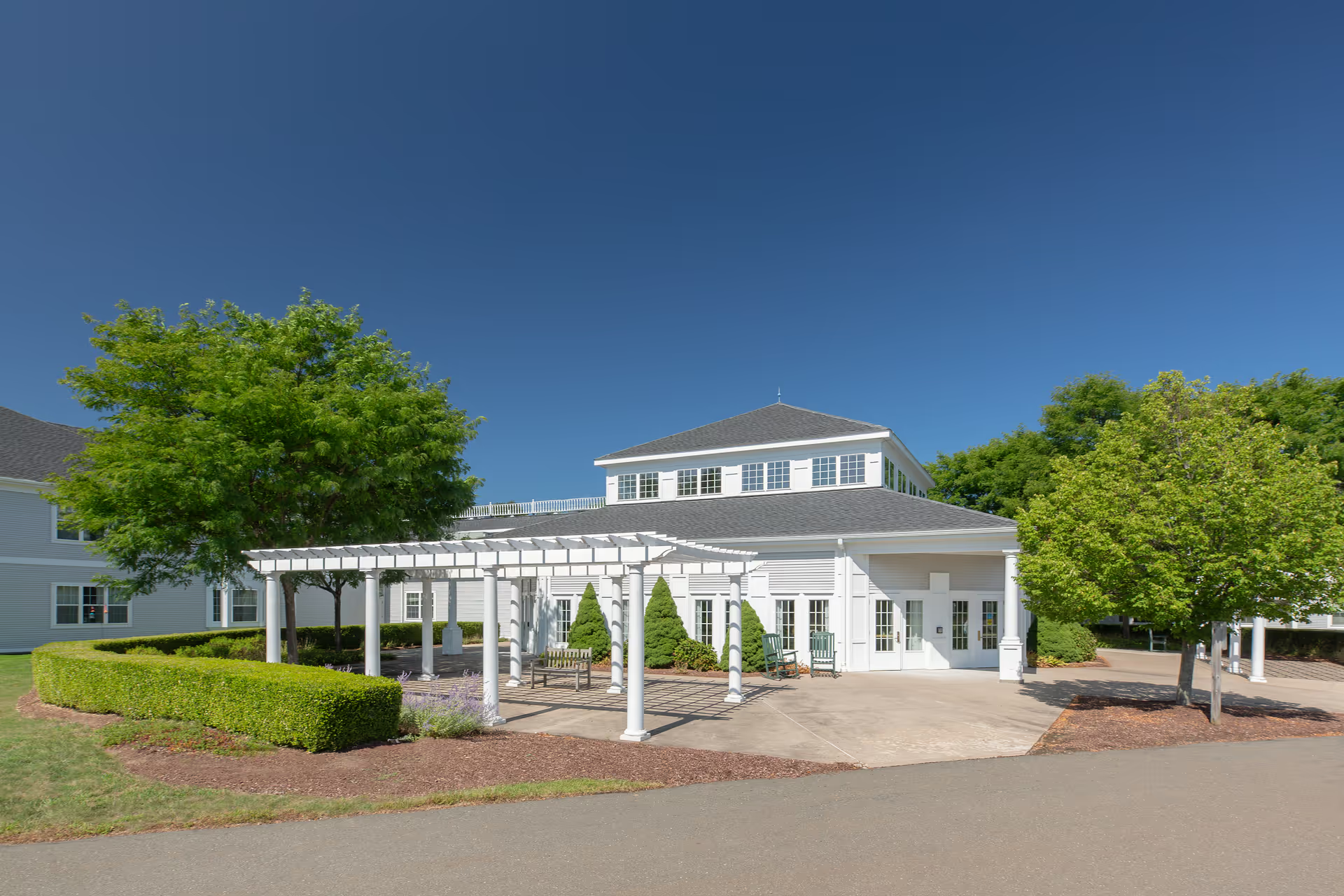
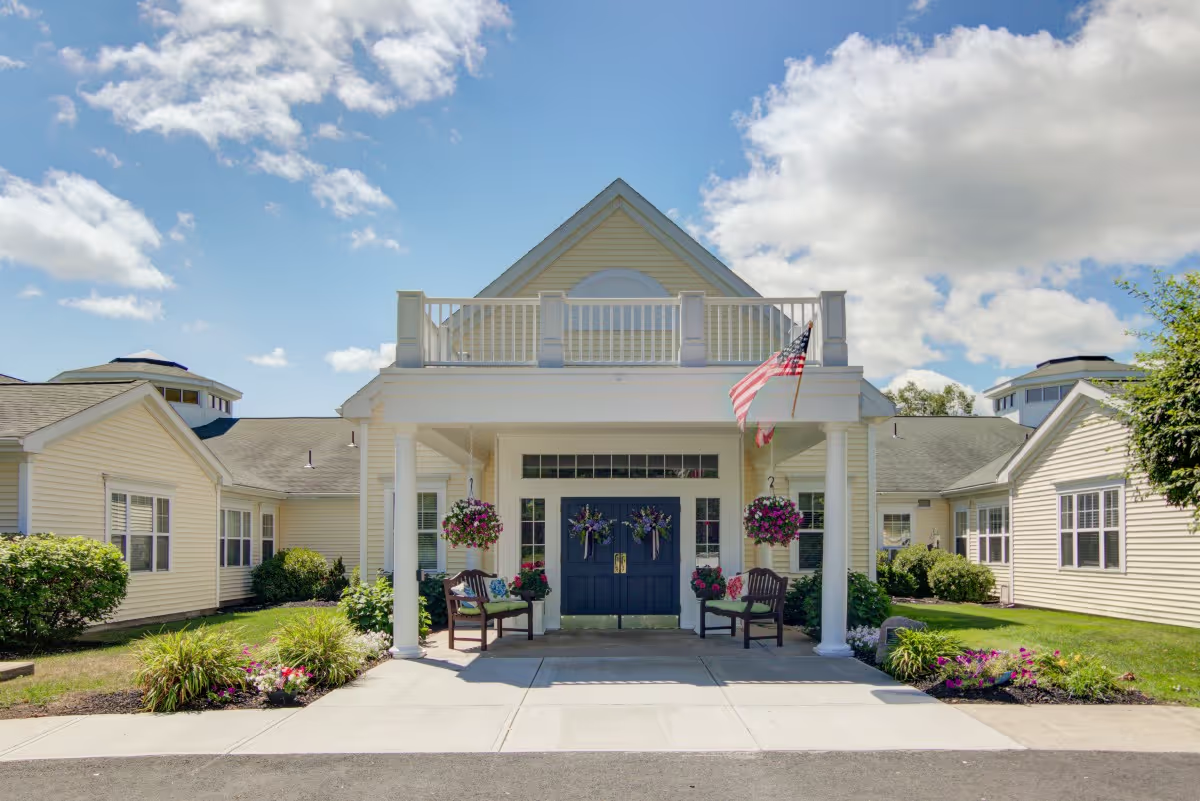
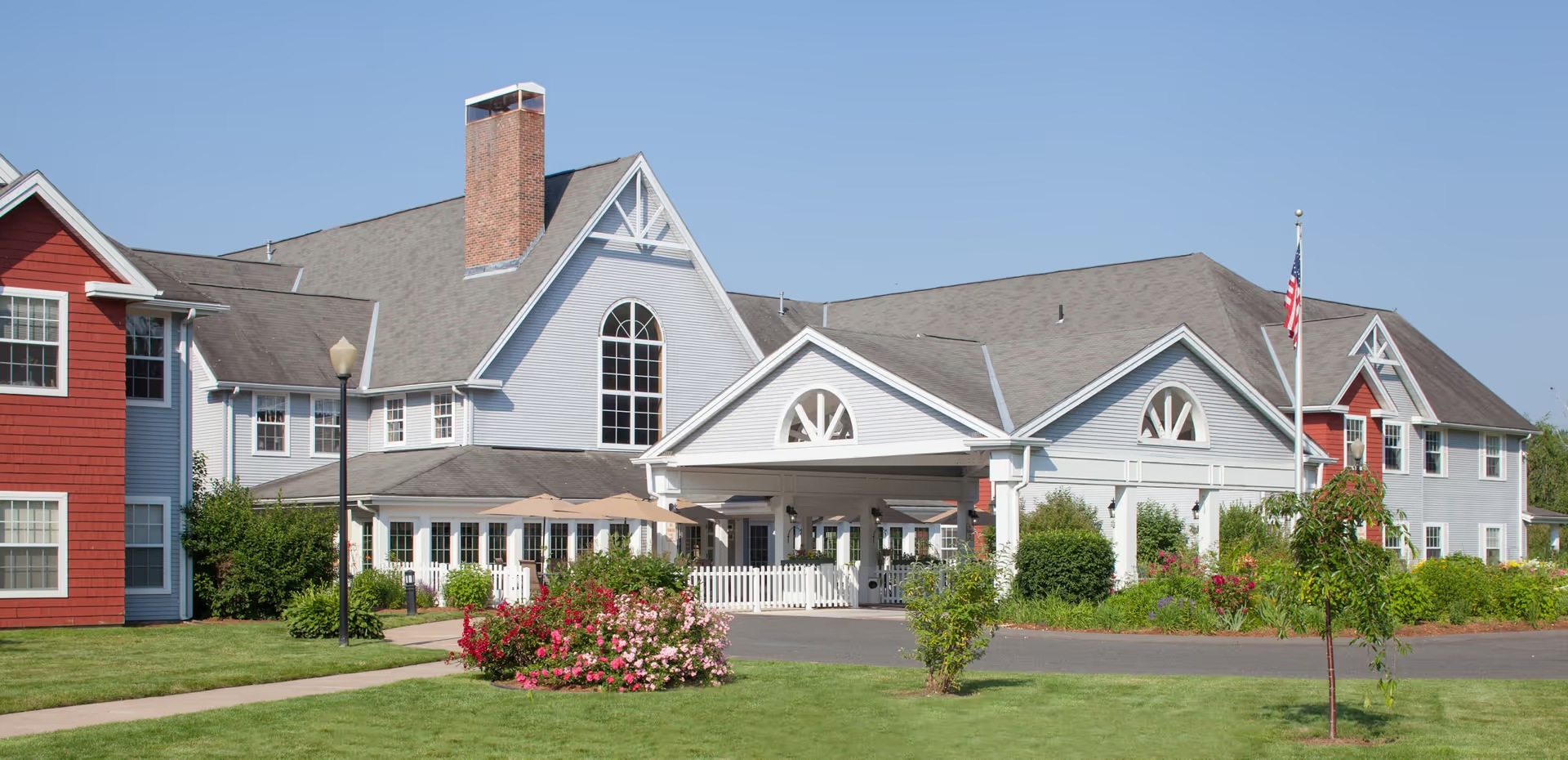
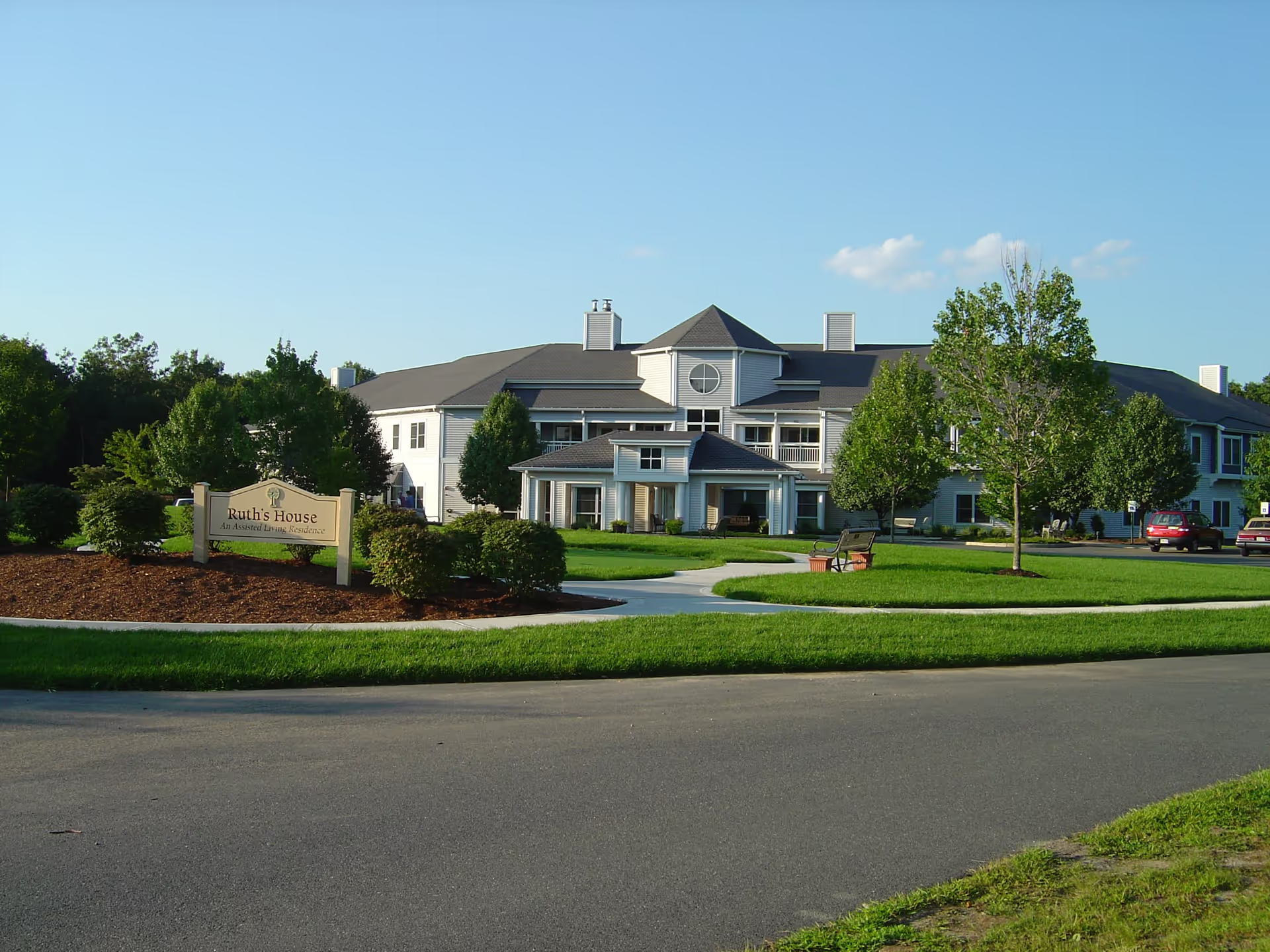
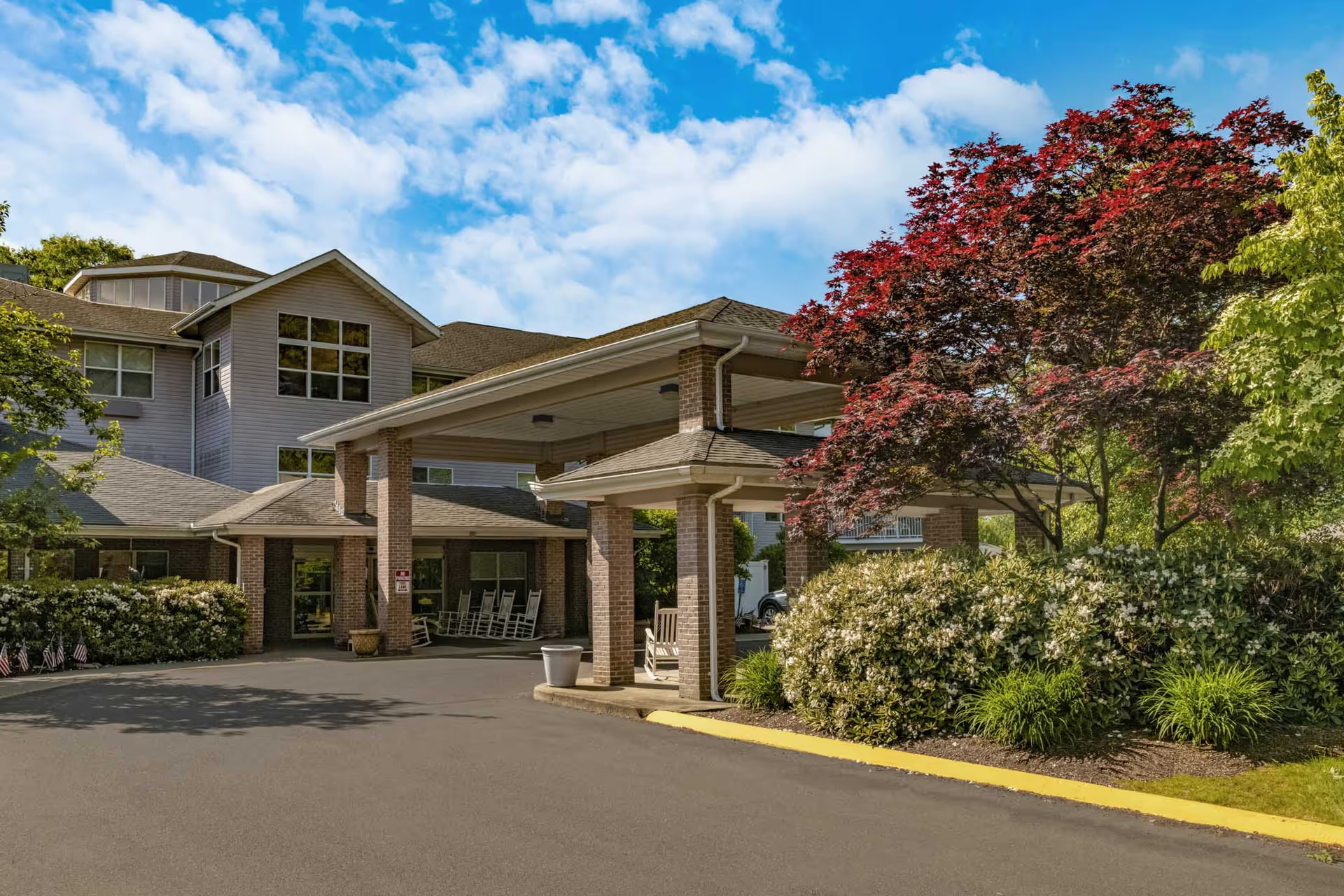
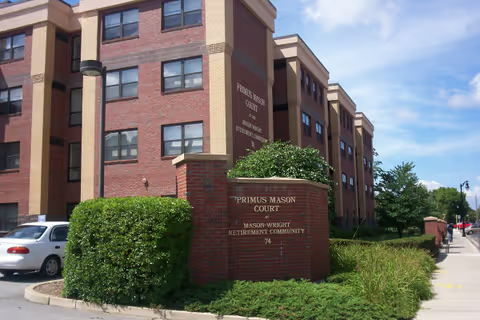
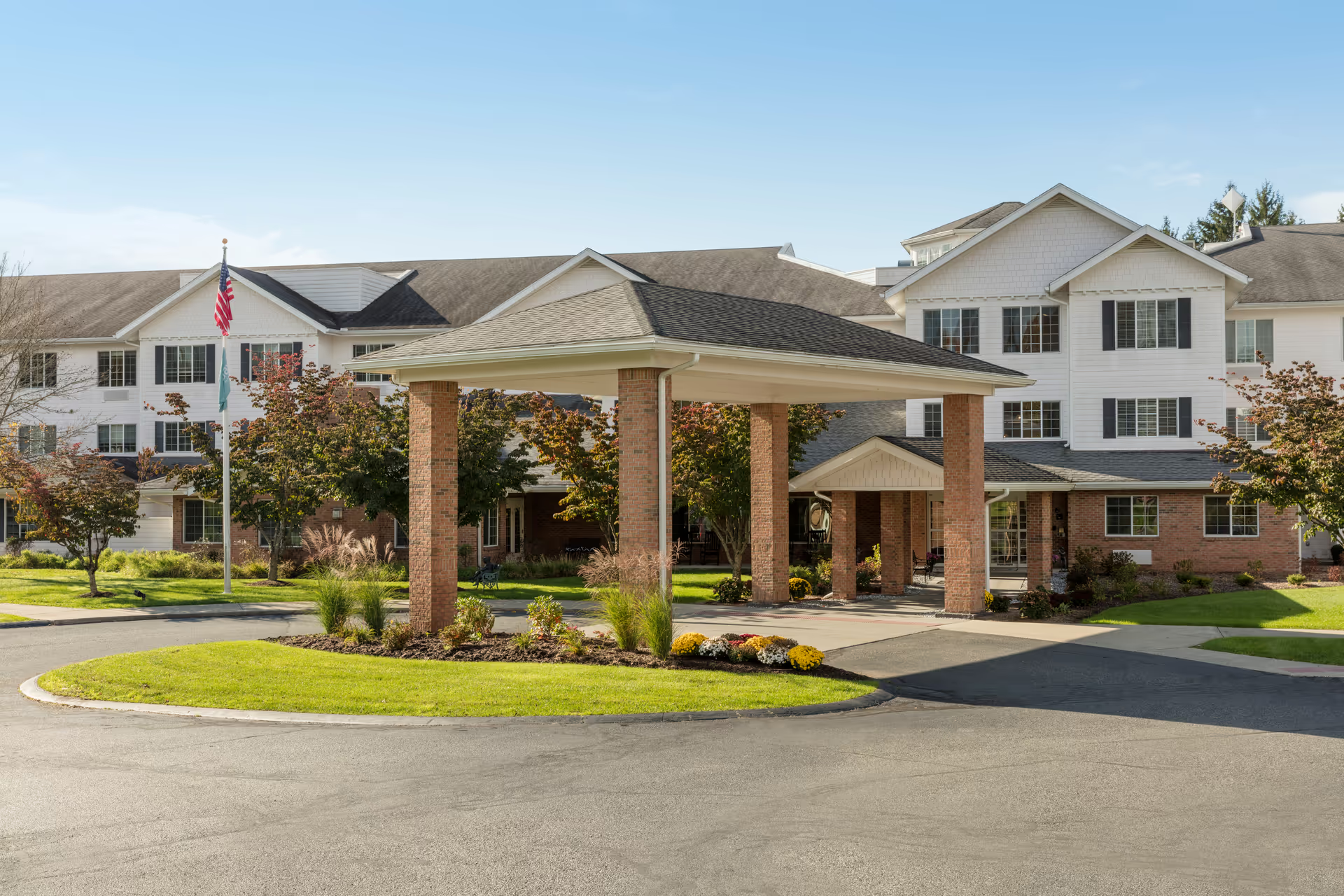
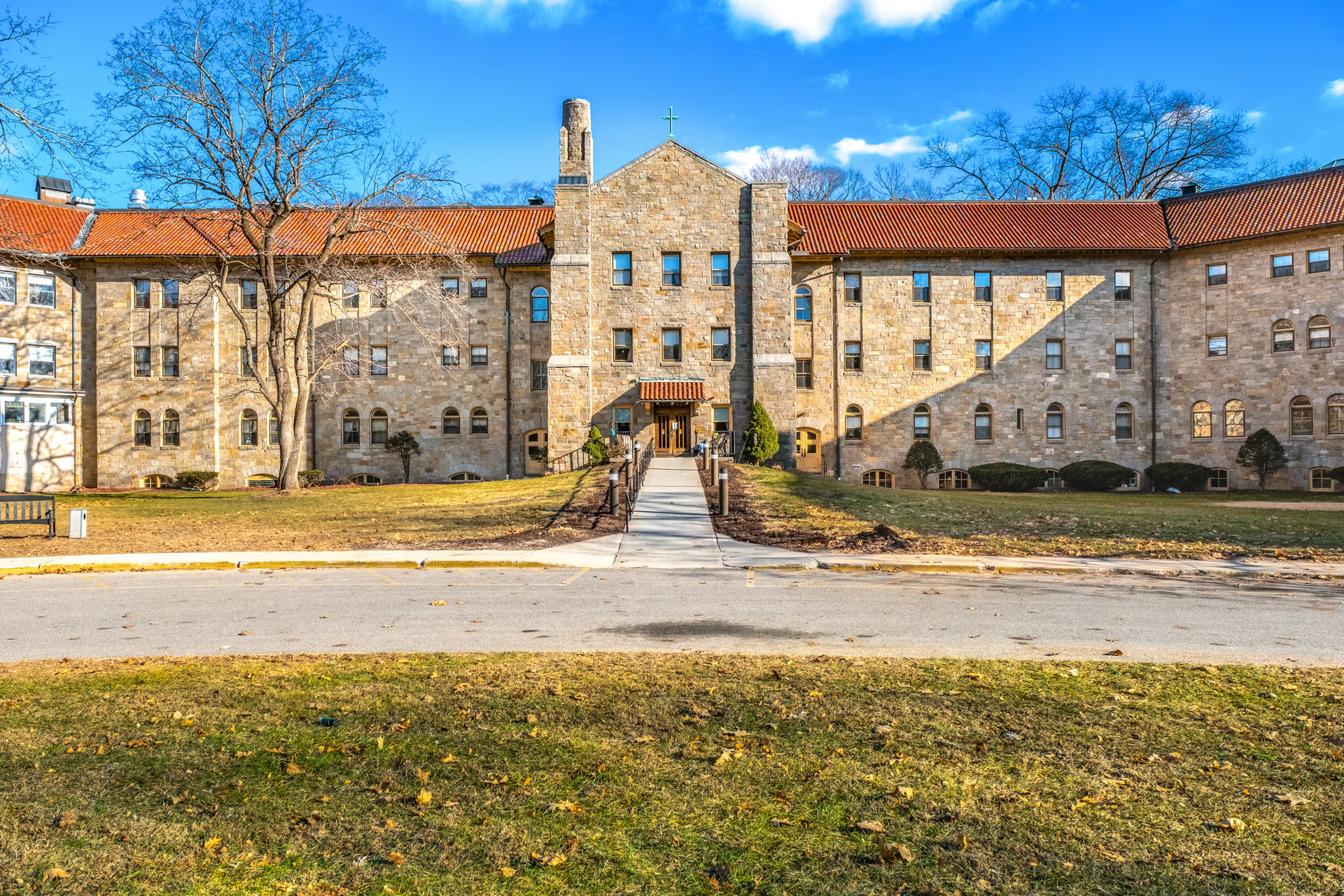
Overall impression: Suffield House presents as an attractive, well-maintained senior-living campus with a strong rehabilitation focus. Many families highlight the facility's bright, open architecture (notably glass-roofed atriums), landscaped grounds and scenic views, and resort-style amenities such as an onsite salon, intimate dining rooms, patio and courtyard spaces. The environment is frequently described as clean and welcoming, with features that support socialization and short-term rehabilitation stays.
Care and clinical services: The therapy department (physical and occupational therapy) is a consistent strength; numerous accounts praise individualized therapy plans and rapid functional progress during rehab stays. Nursing and caregiving staff receive a large share of positive comment for being kind, attentive and team-oriented. That said, there is a noticeable pattern of variability: some families describe high-quality, attentive nursing across shifts, while others cite meaningful lapses in clinical follow-up, delayed test-result communication, and errors in medication reconciliation and discharge medications. These patterns suggest that clinical quality can depend on timing and specific teams on duty.
Staffing and safety: Staffing levels and consistency emerge as a recurrent operational issue. Reviewers describe stronger performance during daytime hours and on weekdays, with comparatively weaker responsiveness on nights and weekends. Related safety themes include transfer- and mobility-assist practices (including the use of lift equipment) that some families found concerning, and deconditioning risk when care or therapy access was inconsistent. Prospective families should inquire about current staffing ratios, night/weekend coverage, and specific transfer protocols during tours.
Dining and activities: Dining is generally viewed positively—food quality, diabetic-friendly options, and the intimate dining-room setting receive favorable comments. The activities program is active and varied, with scheduled social events, religious programming for interested residents, transportation options to nearby centers, and small-group recreation. These offerings contribute to reported resident engagement and improved morale for many residents.
Facilities and amenities: Physical plant and amenities are a clear strength. The campus aesthetic, natural light, open common spaces, coffee stations, and privately viewable locations (river views) are frequently described as appealing. Onsite services such as salon and therapy provide convenience for both short-stay rehab and longer-term residents.
Management and communication: Administrative responsiveness elicits mixed feedback. Some families note helpful, communicative administrators and an efficient financial office, while others experience unclear waitlist procedures, inconsistent admissions communications, and unreturned calls. Front-desk interactions appear uneven—some visitors praised fast, tech-enabled sign-in and friendly staff, while others found hospitality lacking.
Notable patterns and guidance for visitors: The facility demonstrates real strengths in therapy, campus environment, and many staff relationships, making it a strong option for rehabilitation and for families prioritizing amenities and therapy outcomes. At the same time, documented variability in communication, medication reconciliation, diagnostic follow-up, and shift-to-shift staffing consistency means prospective residents and families should verify operational safeguards during a visit. Recommended questions include: how medication reconciliation and discharge reconciliation are performed, protocols for night/weekend staffing and transfers, how diagnostic results and family updates are communicated, and how sanitation and facility concerns are tracked and resolved. Observing a therapy session, speaking with the nursing supervisor, and confirming current staffing levels will help align expectations with the facility's strengths and areas needing improvement.