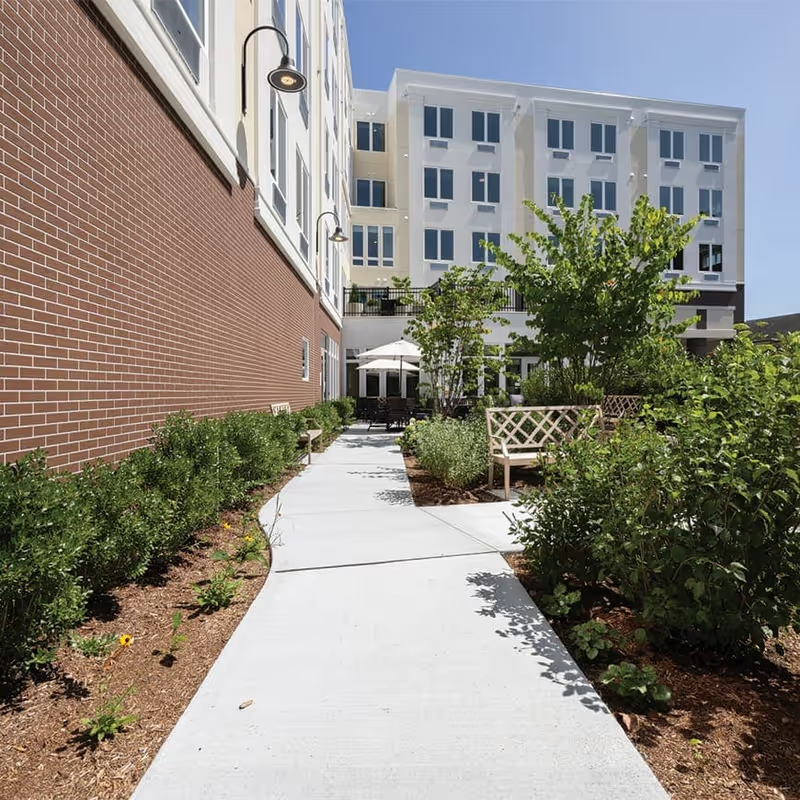
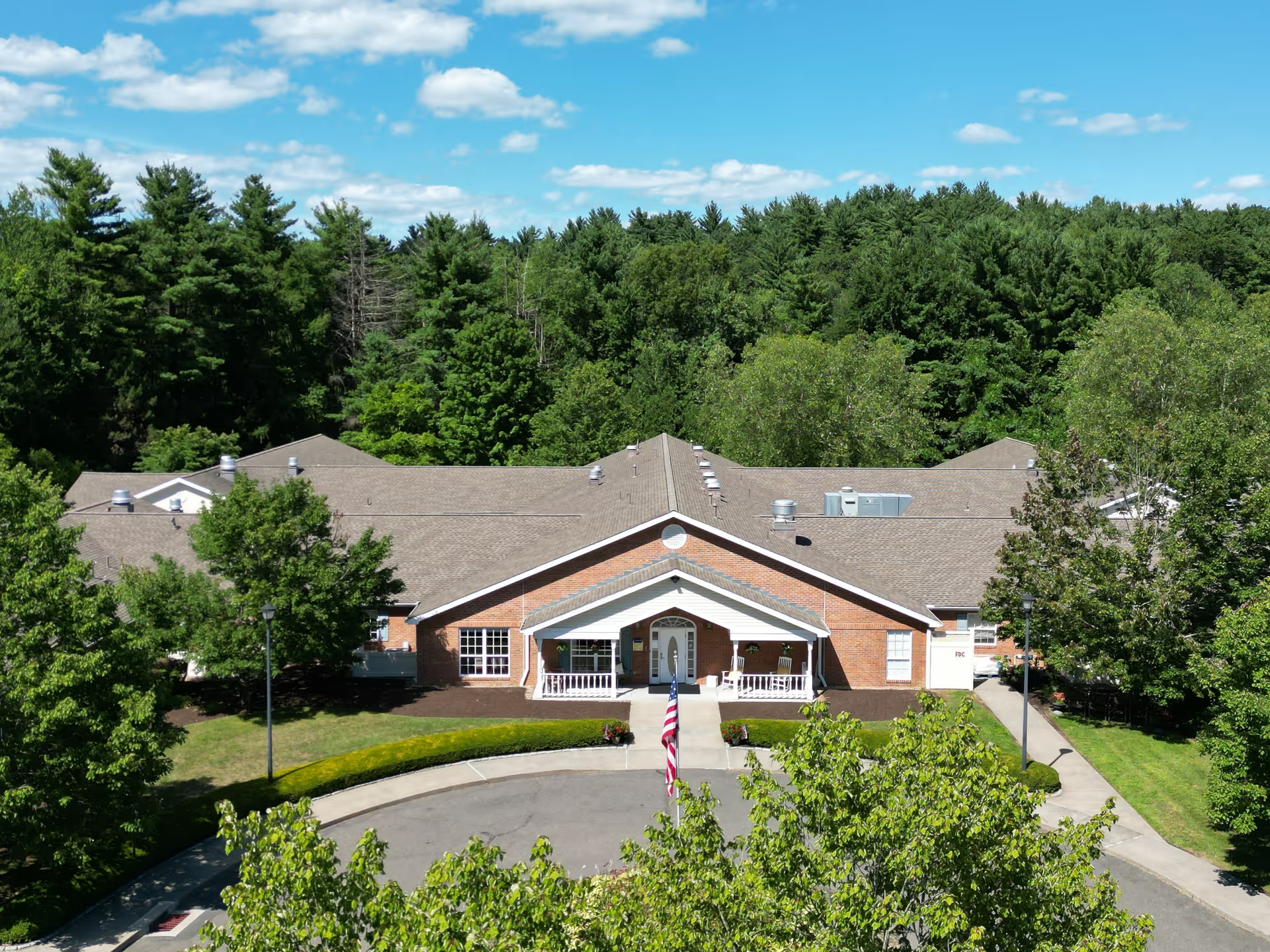
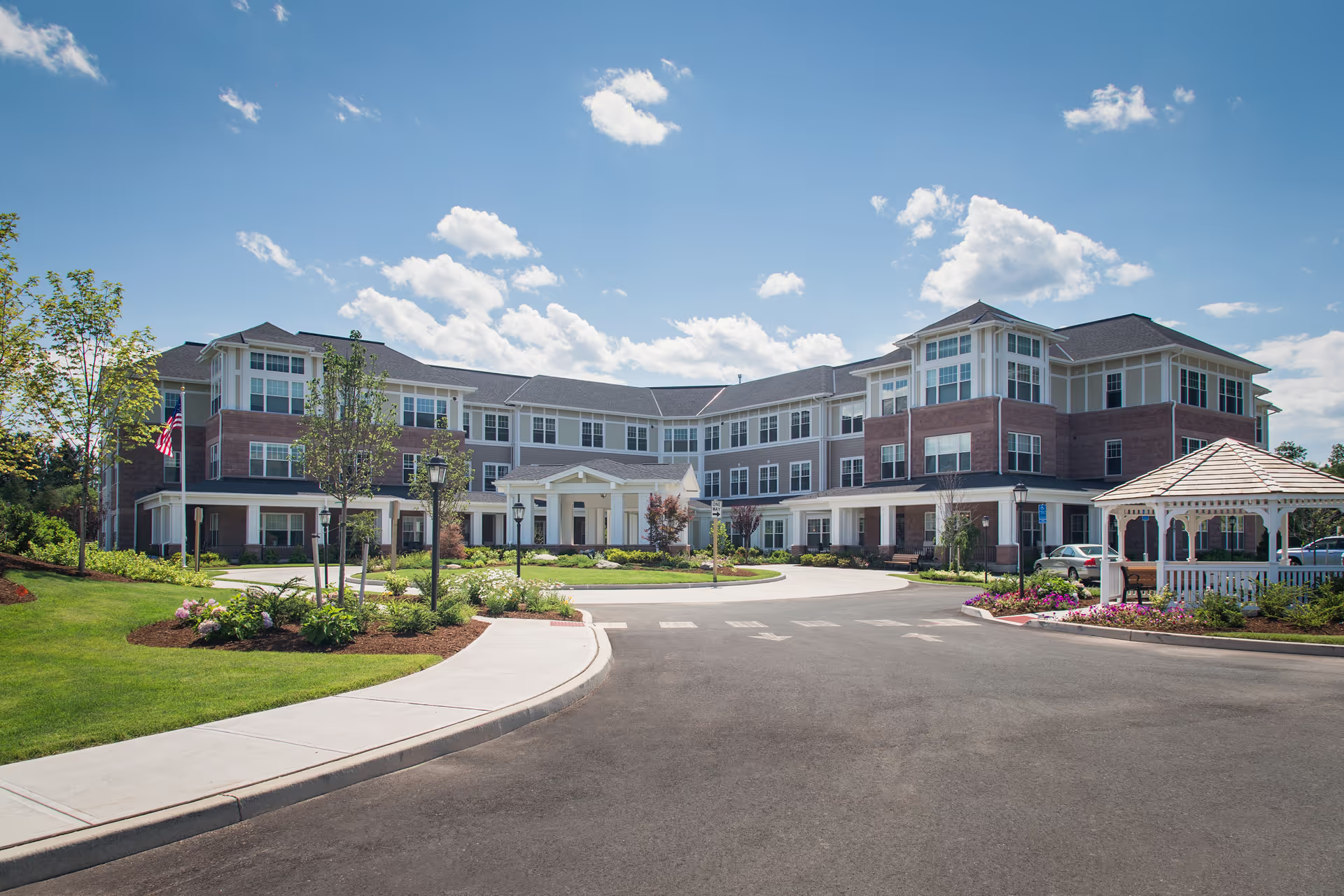
Reviews of Wolcott Hall Nursing Center present a mixed but patternable picture. Many families and residents describe high-quality, hands-on caregiving from CNAs, aides, and rehabilitation staff: reviewers frequently highlight attentive bedside care, skilled physical and occupational therapy, and successful short-term rehab outcomes. Multiple accounts indicate a supportive, family-like culture with personalized touches, engaging activities, and cooperative teamwork across nursing, therapy, and dietary departments. Dining is often described as better than expected and accommodating to resident needs. Several reviewers specifically note compassionate hospice support and a generally comfortable, home-like environment despite an older building aesthetic.
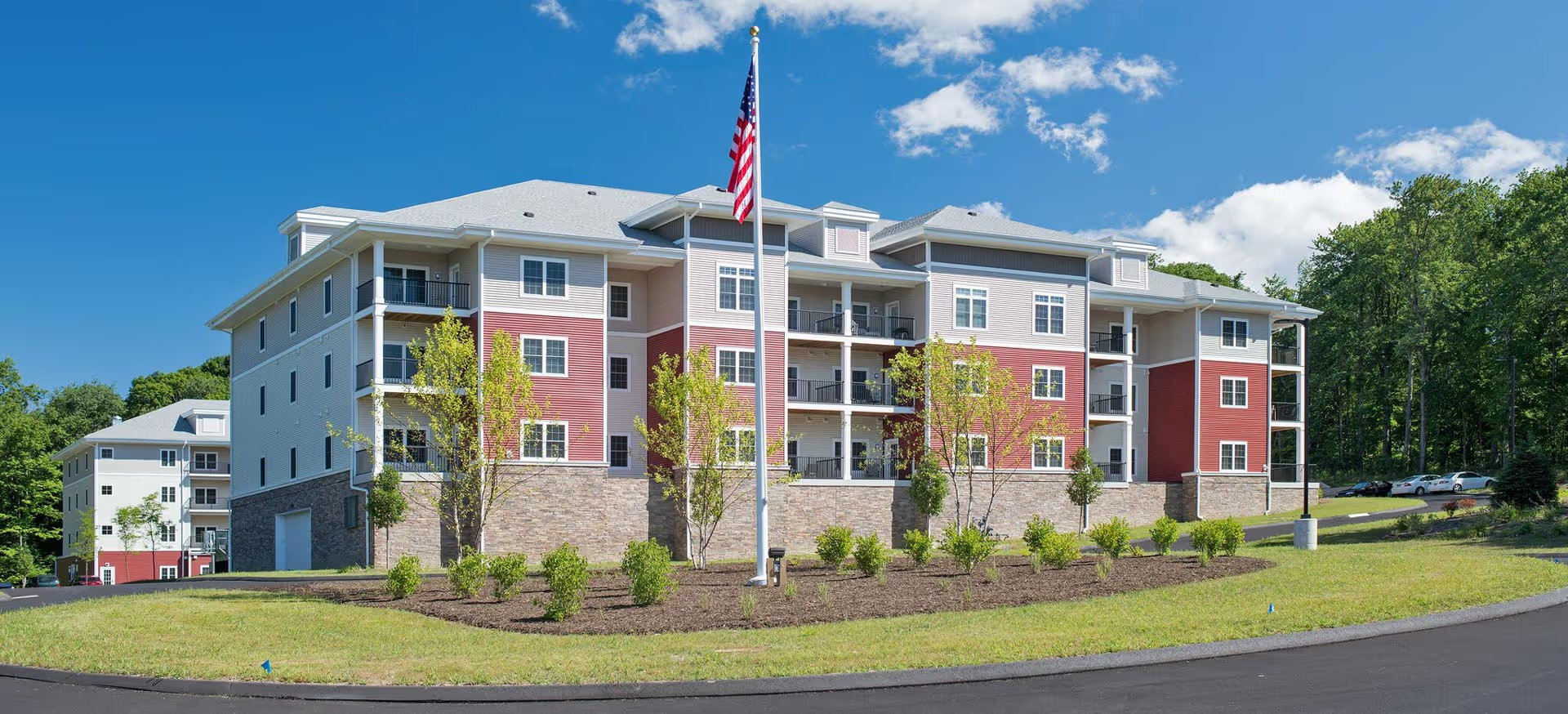
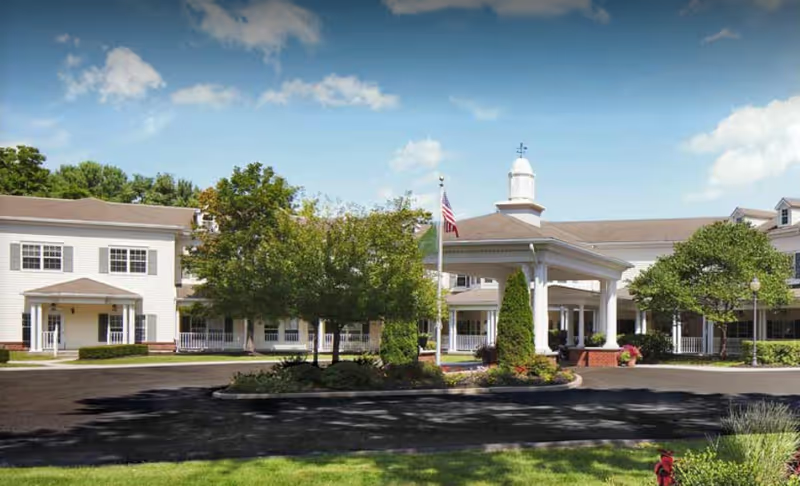
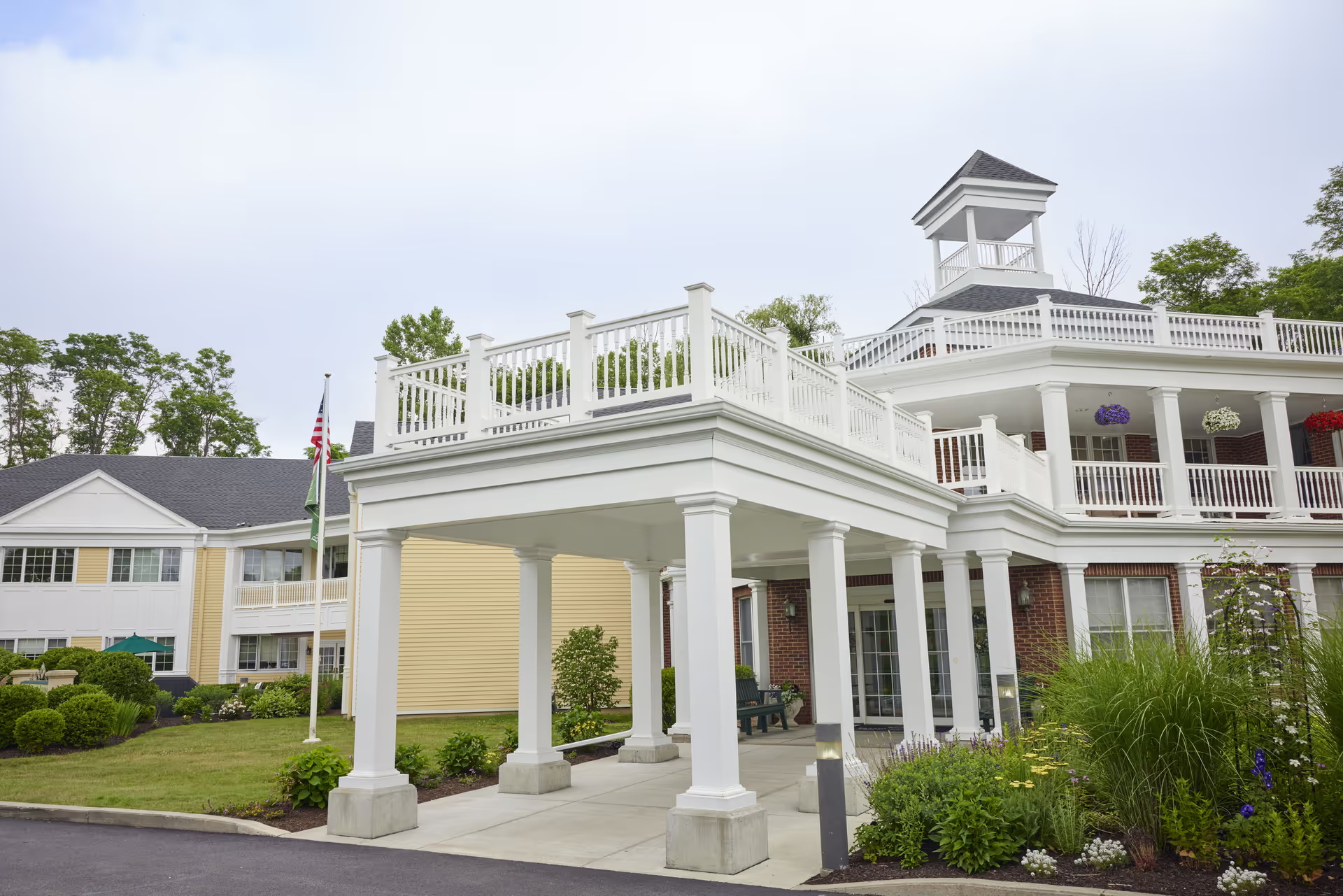
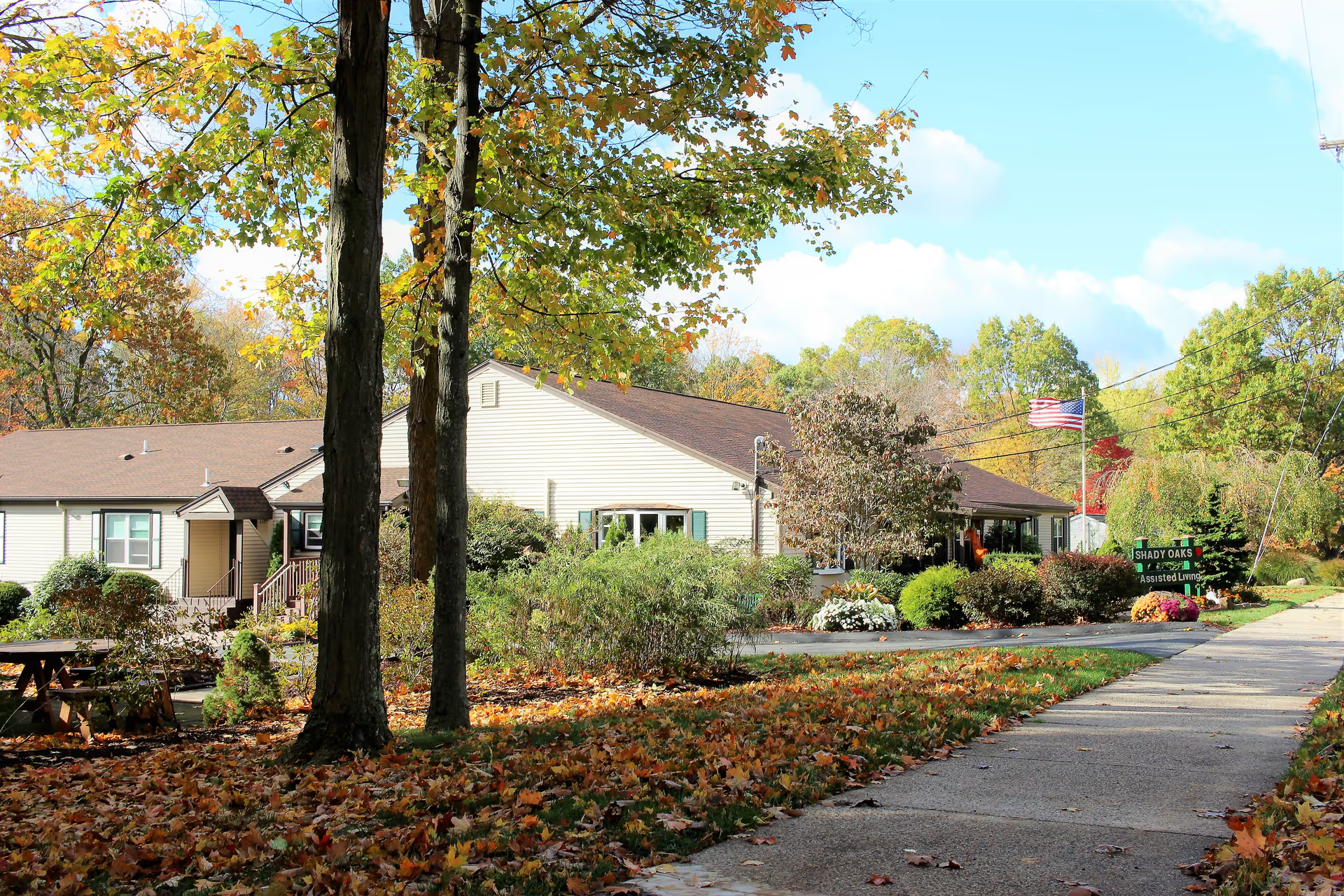
Counterbalancing those strengths are recurring operational concerns that prospective families should evaluate. Medication administration and documentation processes are described as inconsistent, and a number of reviewers indicated errors or gaps in medicine handling. Responsiveness to call bells and bedside requests appears variable: some families experienced quick, attentive responses while others reported delays or missed calls. Sanitation and pest-control gaps were raised for specific rooms and shared equipment, and reviewers described inconsistent cleaning practices across units and shifts. These hygiene and maintenance issues are compounded in some accounts by visible infrastructure shortcomings (window coverings, heating/AC, older furnishings) that give the facility an aged appearance despite areas that are well kept.
Staff behavior and staffing patterns are a third theme. Many reviews praise compassionate, long‑tenured employees and strong teamwork; other accounts describe uneven communication tone or impatience from certain nursing staff and aides. Staffing inconsistency or turnover appears to affect continuity of care for some residents, producing variable experiences across stays. Management strengths include evident commitment to therapy and short-term rehab services and moments of responsive problem solving; however, the pattern of operational lapses suggests opportunities for strengthened oversight in medication practices, environmental services, and staff training in resident communication.
For families considering Wolcott Hall, key areas to assess in person include medication-administration controls and audit practices, sanitation and pest-control protocols for resident rooms and shared equipment, typical staffing levels and shift continuity on the unit where placement is planned, and how the facility documents and follows up on call-bell response times. Balancing the facility's strong rehabilitation program, dedicated direct-care staff, and warm atmosphere against the documented operational variability will help determine fit for an individual resident's clinical and personal needs.