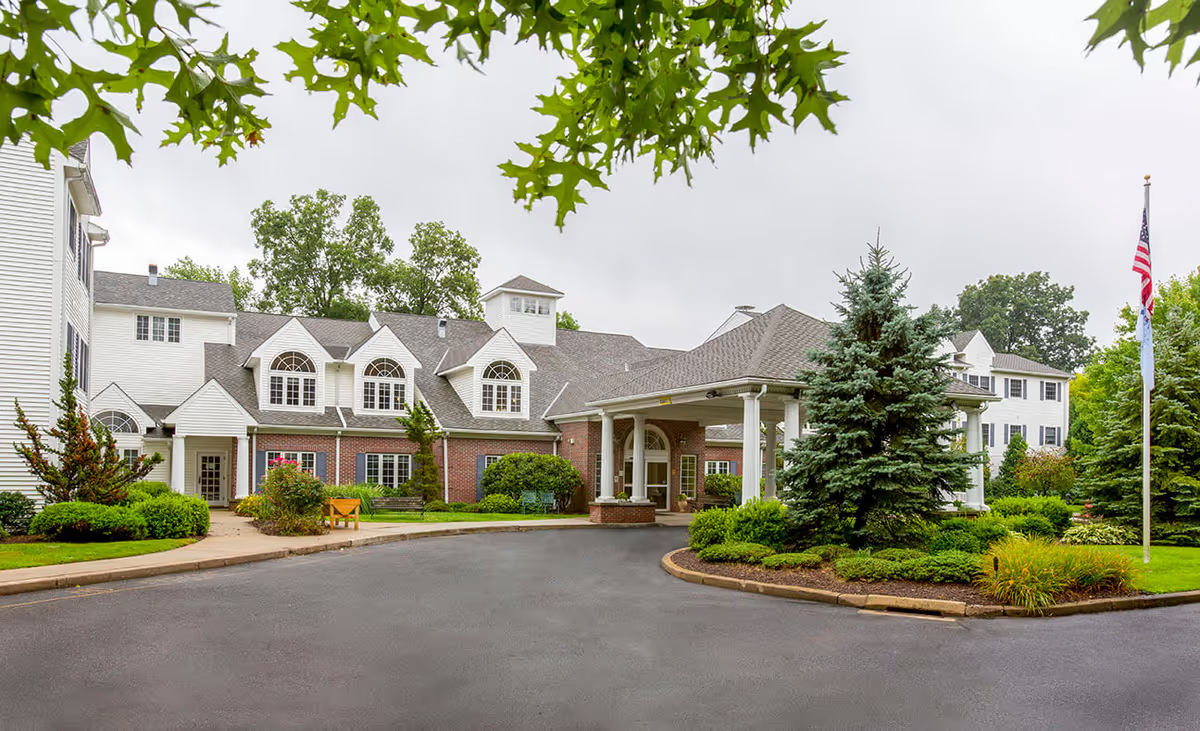
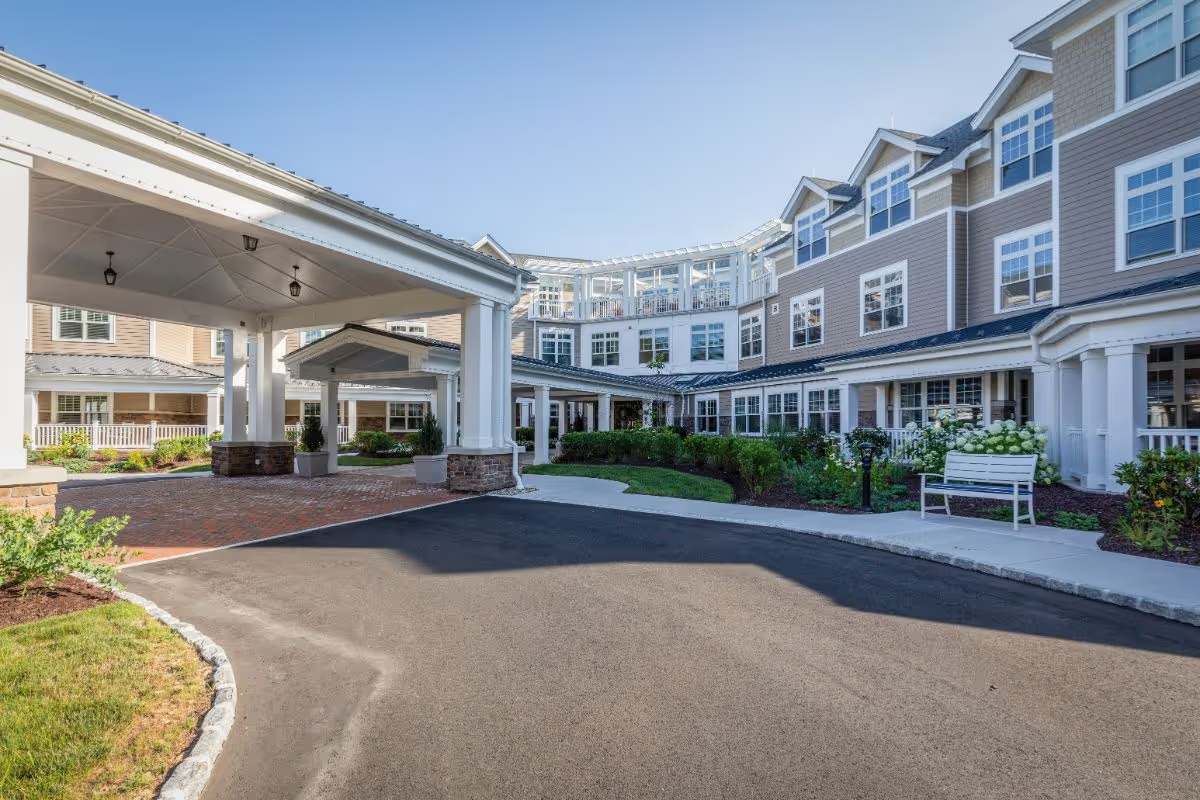
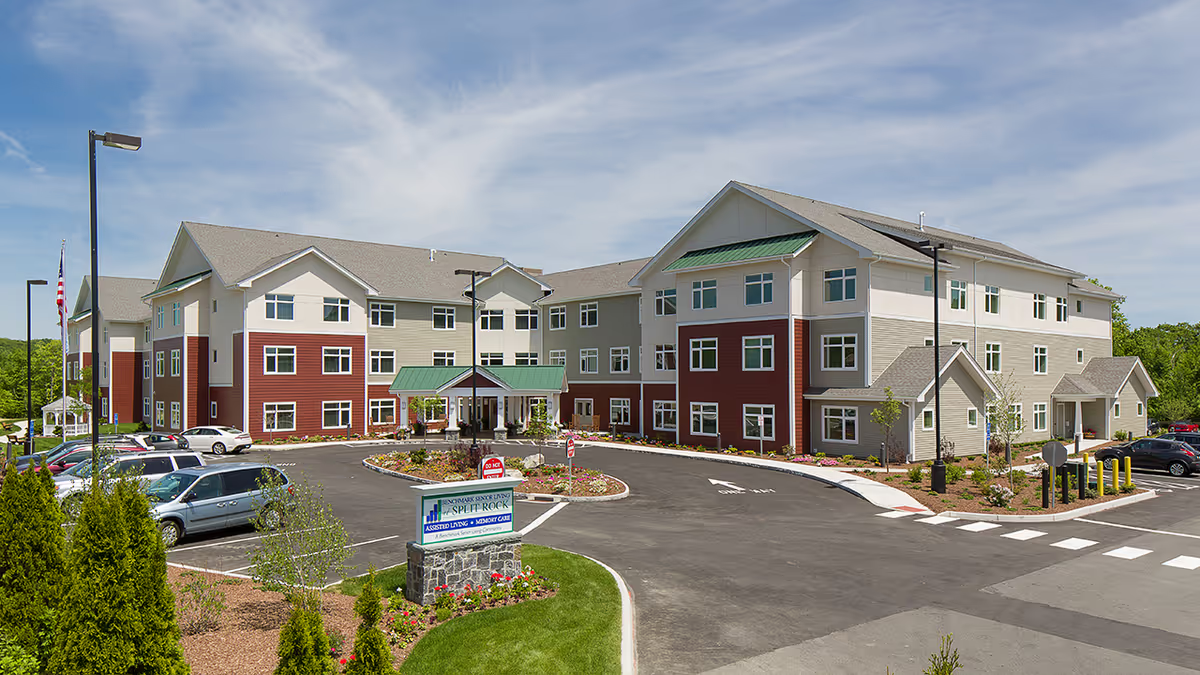
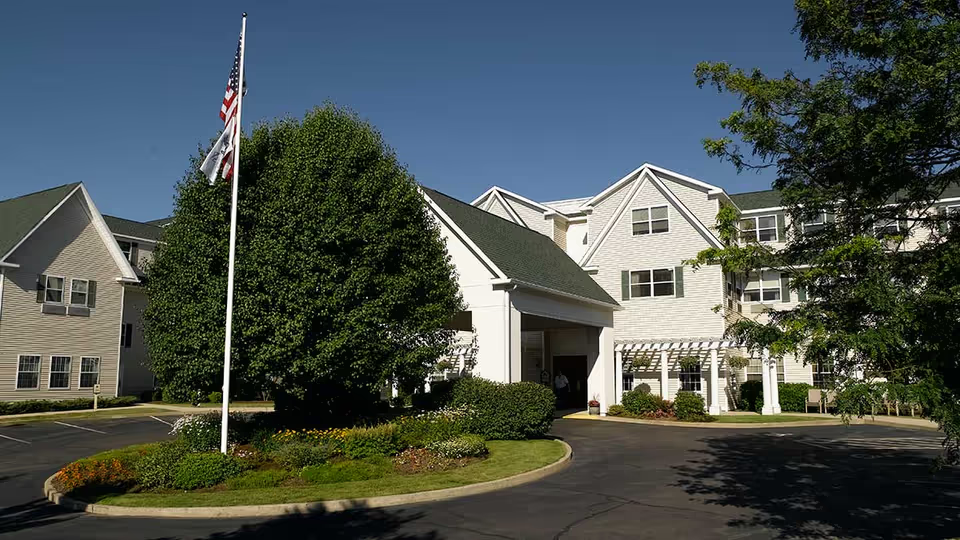
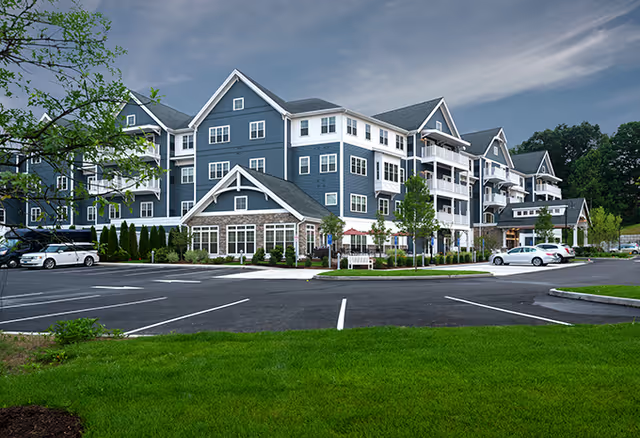
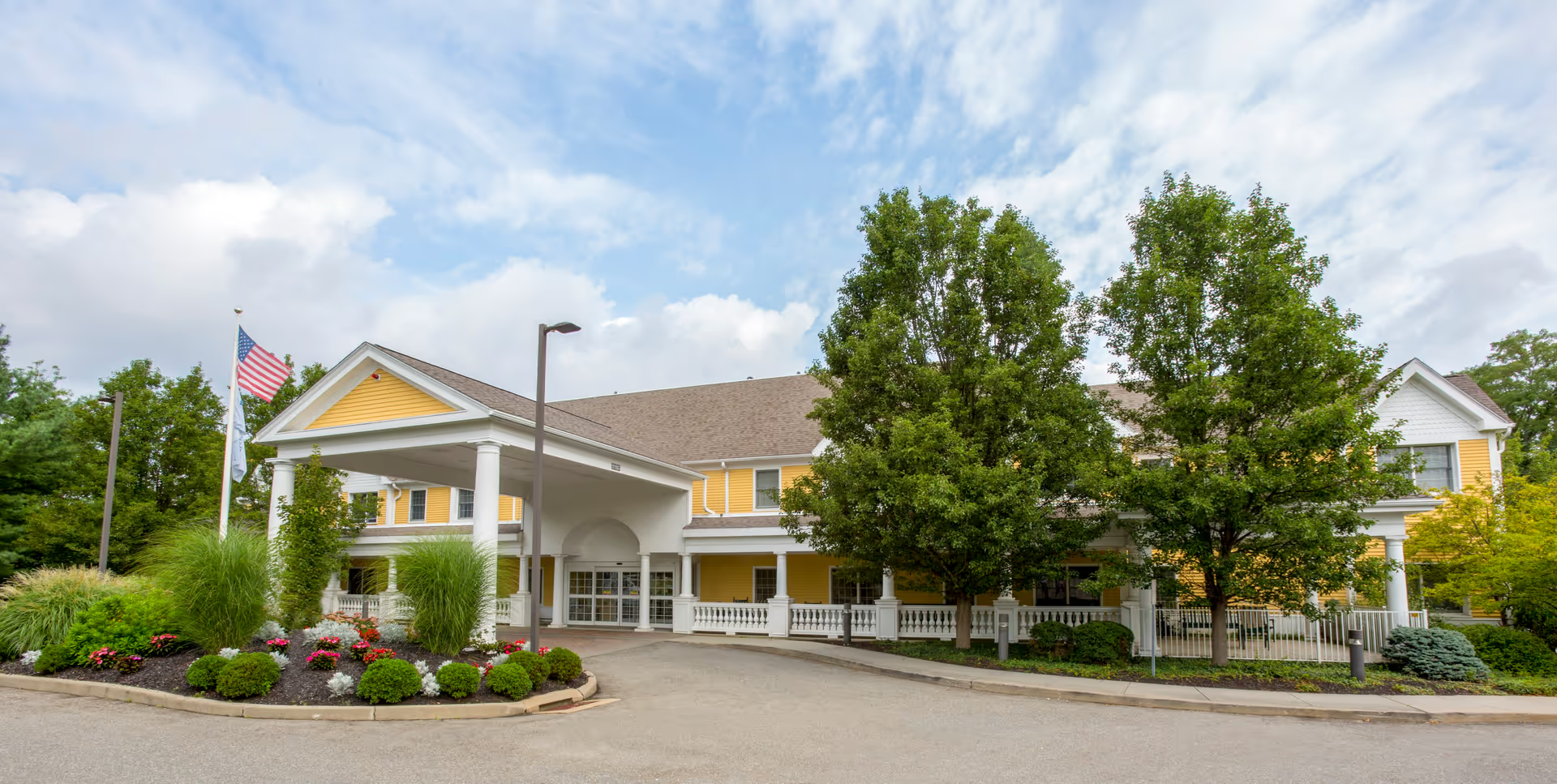
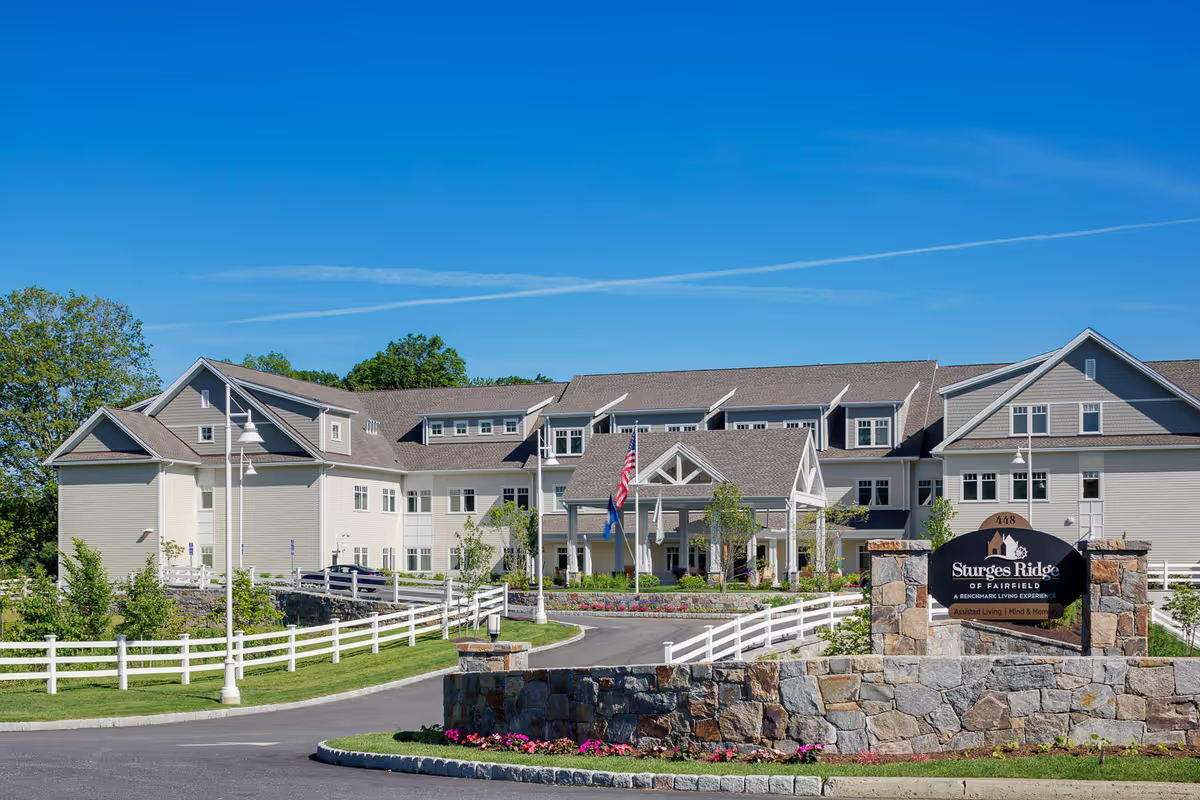
Bridges by EPOCH at Trumbull presents as a purpose-built memory-care community with many strengths centered on person-centered caregiving, dining, and activity programming. Reviewers frequently describe a clean, attractive facility with a household-style layout intended to reduce disorientation for residents with cognitive impairment. The community offers accessible outdoor spaces, enclosed walking paths and garden areas, and a compact floorplan that many families said promotes resident interaction and a home-like atmosphere.
Care and staff are recurring positive themes: numerous families praised compassionate, attentive caregivers and nurses who learn residents’ names and preferences, provide individualized touches, and support mobility and engagement. The community appears to maintain structured medication rounds and has on-site nursing leadership. Several commenters singled out responsive front-desk/leadership contacts and hospice collaboration during end-of-life care. At the same time, reviewers also described operational variability: staffing shortages, higher turnover, and lighter evening coverage were linked to delays in routine assistance and inconsistent personal-care practices (for example, oral-care and bathing schedules). These workforce issues are the most consistent operational concern and are associated with other service irregularities.
Dining, activities, and amenity offerings are prominent strengths. Many reviewers noted high-quality, chef-driven meals with customizable choices, plate service designed for choking safety, snacks, and family-meal events. The activities program is described as active and diverse — live musicians, performers, fitness classes, crafts, and regular outings are regularly cited — and staff often tailor programming to resident interests. Housekeeping and laundry are included in the model and are generally viewed positively; however, some families experienced inconsistent room cleaning or maintenance follow-through in specific units, and a few reviews raised odor concerns and pest-control issues that merit clarification during a tour.
Families also noted variability in communication and administrative processes. Positive examples of strong family inclusion coexist with reports of inconsistent communication at admission and afterward, unexpected fees, and at least one instance of challenging hospital-transport coordination. A small number of serious operational concerns were described, including alleged theft and medication errors; these allegations should prompt direct inquiry into incident reporting, corrective-action history, and oversight mechanisms. Prospective families will likely find Bridges a good fit if they prioritize memory-care specialization, active programming, and high-quality dining, but should ask specific questions about current staffing ratios (especially evenings/nights), turnover, maintenance response times, infection- and pest-control practices, medication-incident procedures, and the admission/fee process during a tour and contract review.