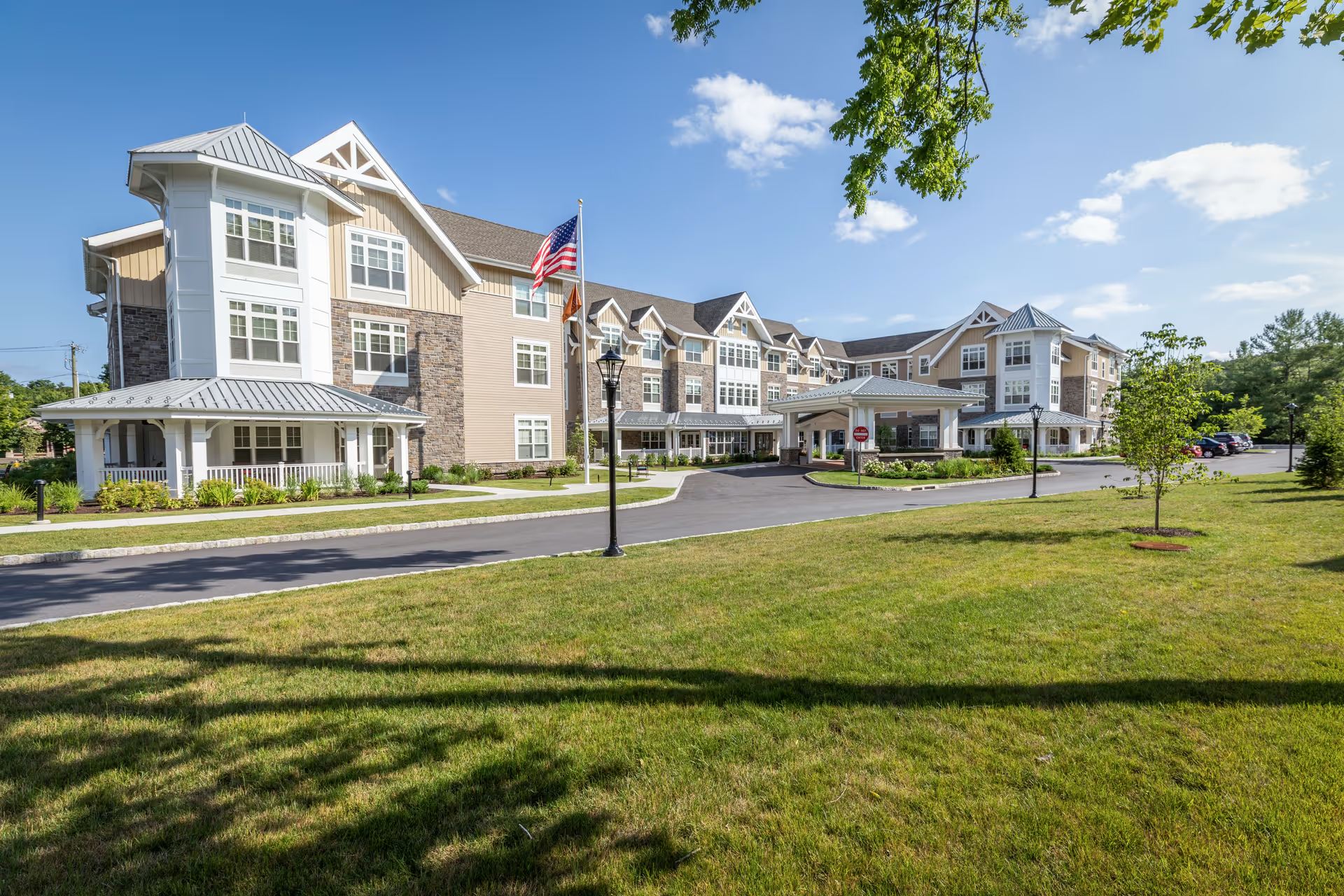
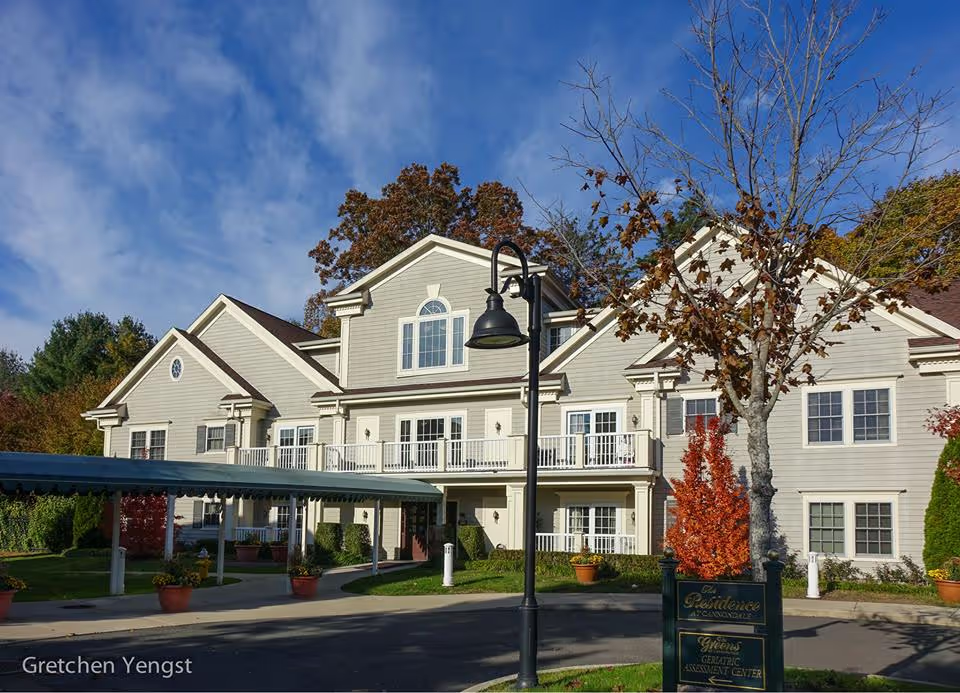
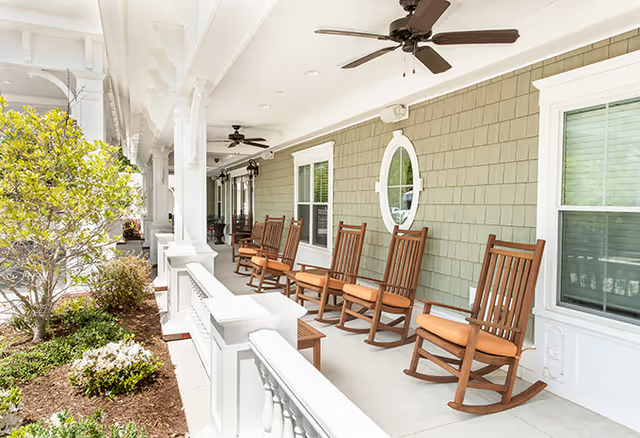
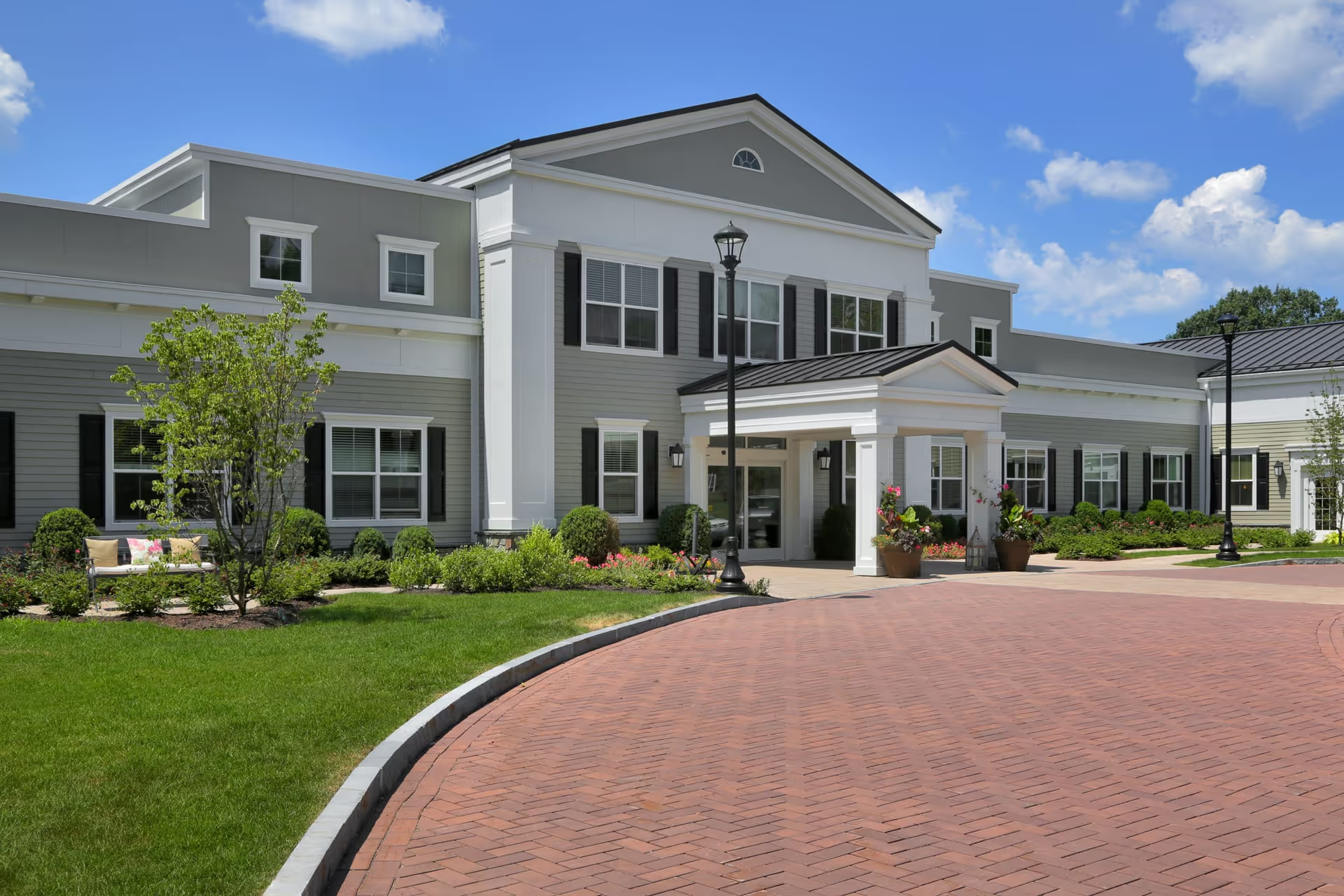
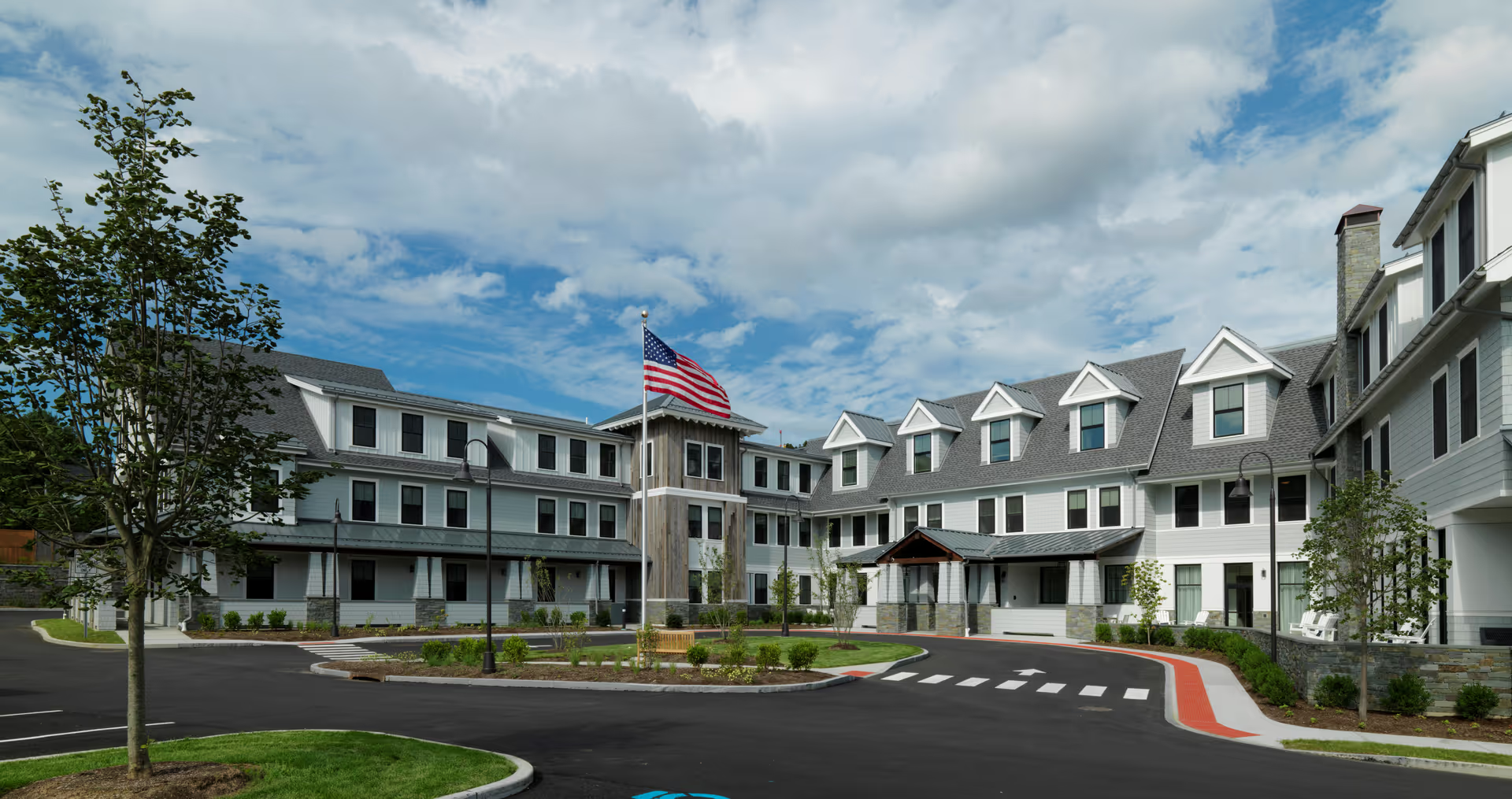
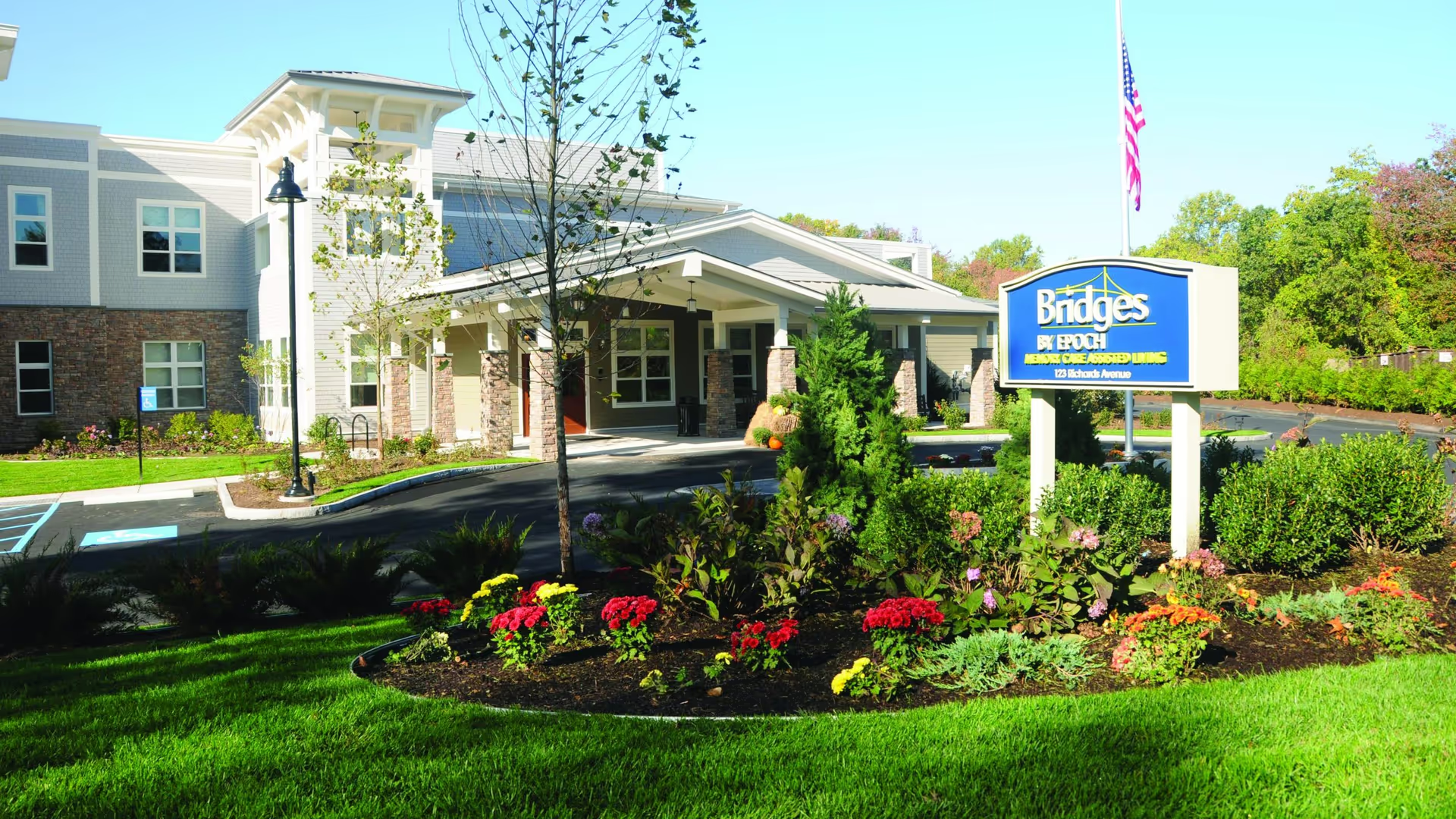
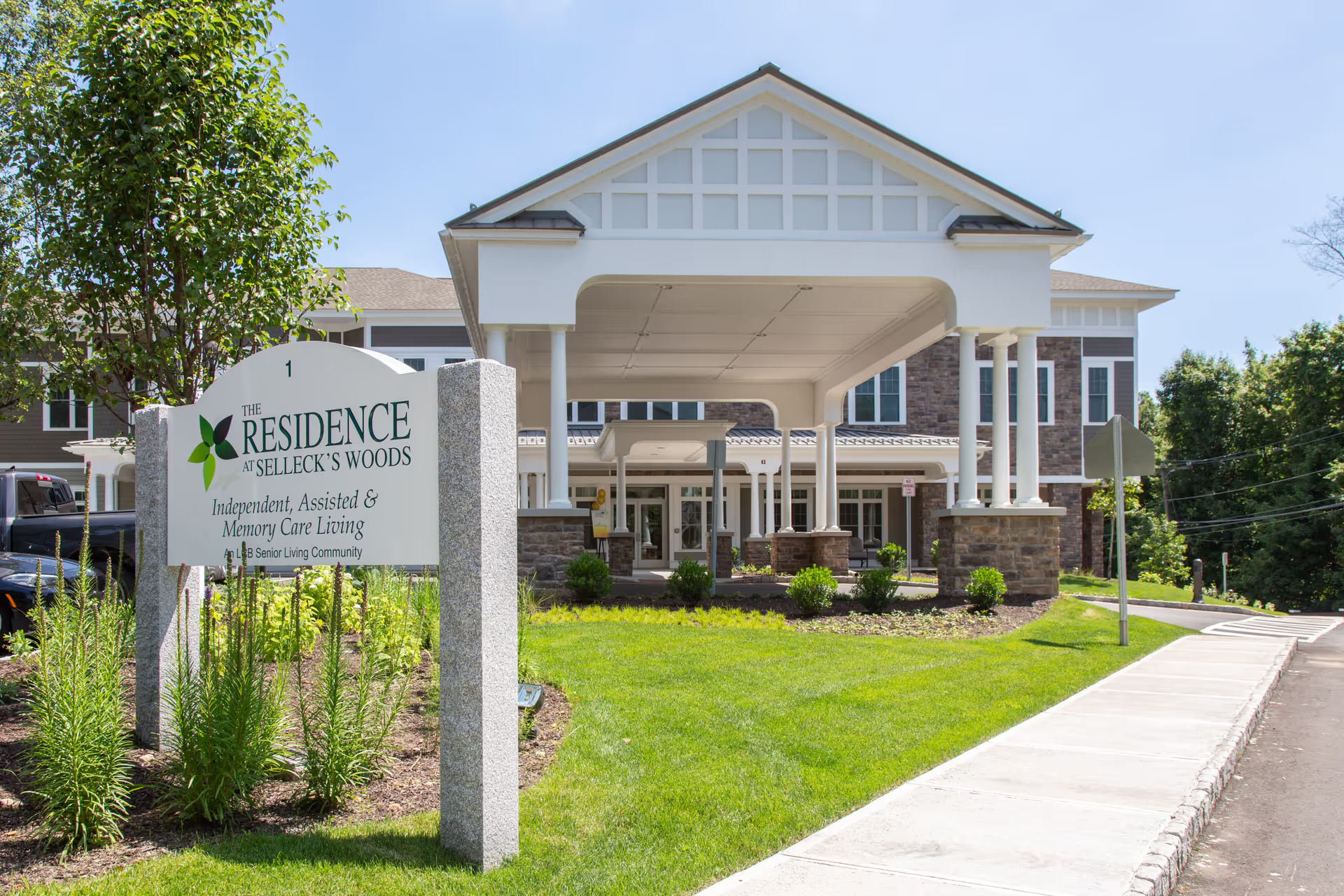
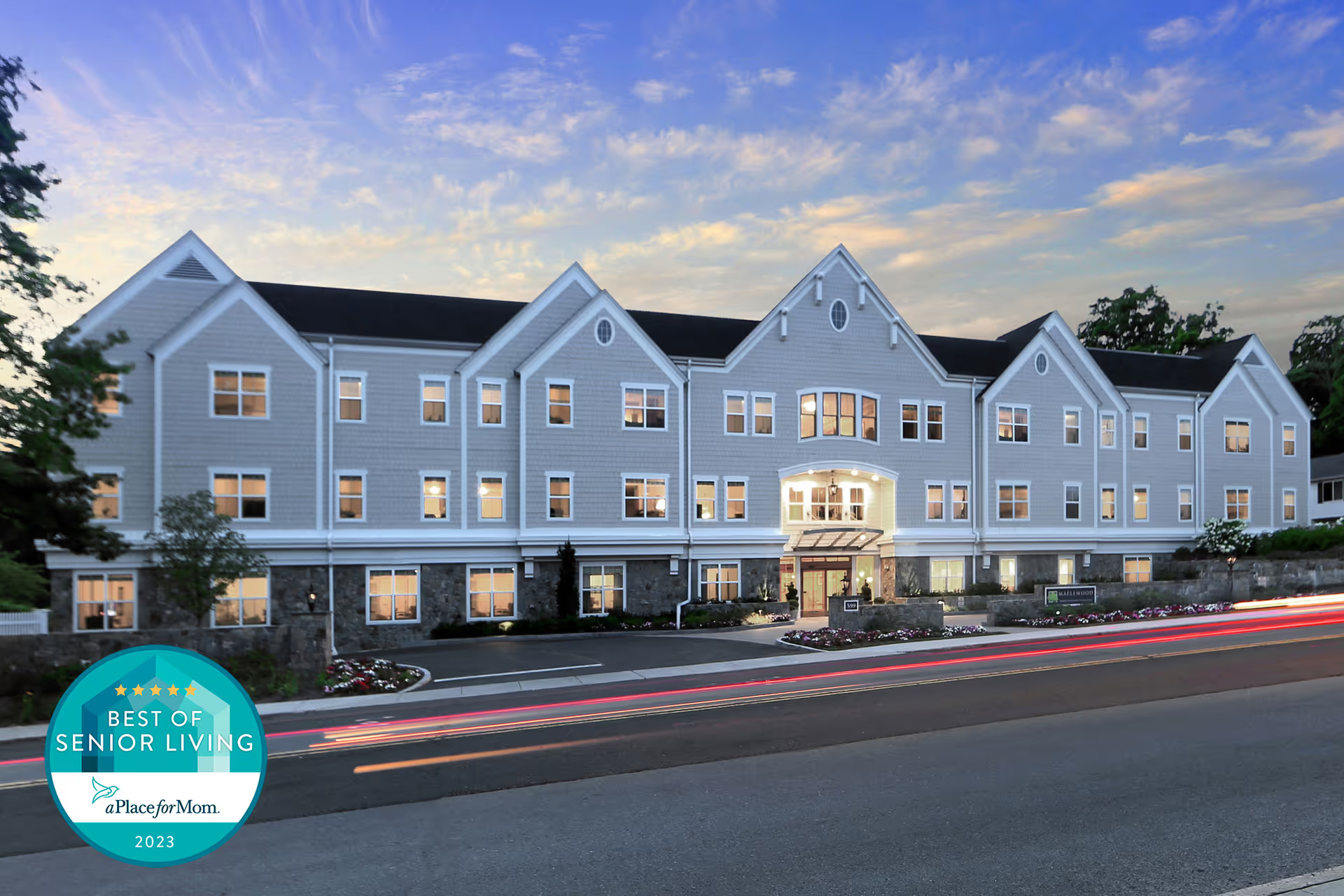
Brookdale Wilton is described across reviews as a small, residential-style assisted living and memory-care community with clear strengths in staffing, personalization, and community atmosphere. Families frequently praised direct caregivers, long-tenured employees, and leadership figures who are engaged and visible; these elements contribute to a home-like environment, attentive family communication, and individualized memory-care plans. The facility’s grounds, outdoor seating, and community events (beauty shop, concerts, holiday programs) are commonly cited as positive quality-of-life features. Several accounts highlight active outreach from staff, useful touring experiences, and a community scale that supports personalized attention.
Care quality and staff: Many reviewers emphasize compassionate, resident-focused caregiving and continuity of staff, including praise for nurses, CNAs, and program directors. Executive leadership and some named staff members drew specific commendation for family communication and advocacy. However, the reviews also reveal recurring operational concerns: some families raised issues about medication administration, clinical oversight, and delayed responses to resident call signals. A pattern of variable leadership responsiveness and inconsistent team communication was noted — in practice this means some families experienced proactive updates while others reported difficulty reaching decision-makers or getting timely clinical information.
Dining: Dining impressions are mixed. Several reviewers singled out an improved menu under a new chef and frequent meal choices that accommodated dietary restrictions, and some families described meaningful improvements in residents’ appetites. Conversely, other families described inconsistent meal quality and perceptions of processed or unappealing offerings. Overall, dining appears to vary by date/meal and by unit; prospective families may want to sample meals and ask about current menu cycles and food-safety/quality controls.
Activities and programming: The facility’s small size supports several meaningful programs, outings, and family events, and reviewers noted concerted effort by program staff to create engaging activities and trips (including regional outings). At the same time, engagement levels are uneven: some residents are very active while others and some families found activities to be limited in variety or insufficiently stimulating, particularly within memory-care spaces where some described cramped program areas. COVID-era restrictions also reduced activity offerings for a period, according to multiple accounts.
Facilities and cleanliness: Many reviews describe a clean, bright environment with well-kept grounds and comfortable common areas, while others point to sanitation concerns such as odors in some rooms or halls, stained furnishings, and dated carpeting or furniture. There are mentions of a resolved pest-control incident; together these comments suggest maintenance and housekeeping performance can be inconsistent across units. Space constraints are also a recurring operational limitation, particularly in certain studio and memory-care floor plans where adding a second bed or creating more living space is difficult.
Management, billing, and operations: Reviewers were polarized about management. Some highlighted transparent upfront pricing and helpful admissions staff, while others reported issues with billing, arrears handling, and charge application that required follow-up. Laundry and personal-belongings management emerged as an operational weakness in some accounts. There are also reports of limited overnight clinical coverage, which is an important operational trait to confirm if 24-hour nursing oversight is required.
Notable patterns and guidance for families: The dominant pattern is a community that delivers warm, personalized care for many residents but with variability in operational consistency. Positive signals include stable caregiving staff, strong family communication in many cases, accessible location, and an active program calendar when fully staffed. Red flags to verify on a tour or during due diligence include current medication-management protocols, call-bell response times, overnight clinical staffing, housekeeping and pest-control records, laundry/property-handling policies, and recent billing practices. Prospective residents and families should request references, sample menus, an activities schedule, staffing ratios by shift, and documentation of any resolved incidents to understand how the facility addresses problems when they arise.