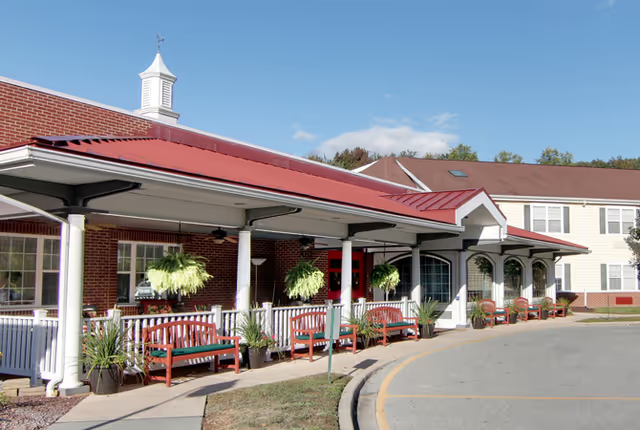
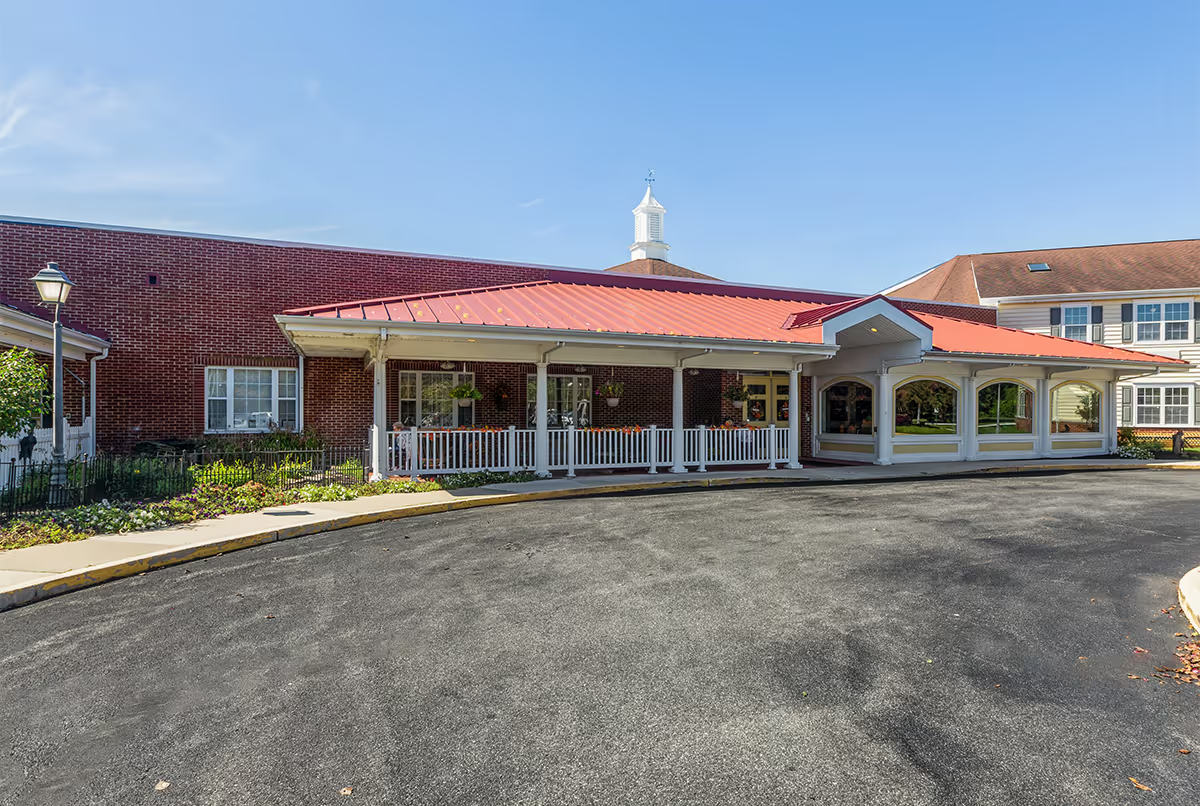
Evergreen Post Acute elicits strongly polarized impressions: many families and visitors describe compassionate, engaged staff and effective rehabilitation services, while a sizable set of accounts documents operational weaknesses that affected clinical safety, comfort, and communication. Positive feedback centers on individual caregivers and teams who provide attentive bedside care, helpful guest services, and a patient-centered demeanor. Several long-tenured employees and named staff members received repeated praise for reliability, personal attention, and efforts that improved residents' quality of life. Rehabilitation clinicians, certain nurses, dietary staff, and administrators were frequently cited as strengths, and parts of the physical plant have been renovated and maintained to a high standard.
At the same time, recurring themes point to facility-level gaps that are material for prospective residents and families to consider. Medication-management problems (including delays, insulin errors, and omitted discharge medications), slow responses to call bells, and inconsistent follow-through on physician orders were described in multiple accounts. These issues align with broader operational pressures noted by reviewers: staffing shortages, inconsistent shift coverage, and variability in staff training and conduct. Several families described difficulty obtaining timely, clear updates or coordinated interdisciplinary handoffs, which contributed to delayed safety measures and family dissatisfaction.
Housekeeping and environment feedback is mixed. Some reviews praise clean, welcoming common areas and recent upgrades; others document sanitation concerns, odor-management problems, pest-control issues in specific areas, and shortages of linens and continence supplies at times. Room configurations and bed arrangements may require trade-offs: the facility has shared-bathroom environments in parts of the building and limited private-room availability, which some families found acceptable and others did not.
Clinical services and therapy show a similar split. Rehabilitation staff and therapists are praised for producing recovery gains in many cases, but several reviewers reported inadequate therapy frequency or intensity and concerns about wound and pressure-area management. Families also raised concerns about limited physician presence and infrequent provider rounds, which sometimes delayed clinical decisions or transfers back to acute care. Dementia-specific engagement and supervision were identified as an area needing improvement: reviewers described residents who were under-stimulated, sitting unattended for extended periods, or not consistently engaged according to cognitive care needs.
Management and quality-improvement dynamics appear to be in flux. Some reviewers acknowledged visible changes and improved procedures under newer leadership, with administration and director-level staff described as accessible and proactive. Others perceived inconsistent follow-through on complaints and questioned whether improvements were sustained across shifts and units. A small number of accounts raised serious clinical and post-incident concerns; these are significant and warrant direct inquiry by families and, when appropriate, verification with regulatory or oversight channels.
Overall pattern: Evergreen demonstrates clear strengths in compassionate caregiving, specific high-performing staff members, and rehabilitation capability, but it also manifests persistent operational weaknesses in medication safety, staffing consistency, housekeeping reliability, and family communication. Prospective residents and their families should weigh the facility's caregiver strengths against these systemic issues, ask targeted questions about staffing levels, medication reconciliation processes, dementia programming, and housekeeping protocols, and request recent quality metrics or inspection outcomes to assess current performance trends.