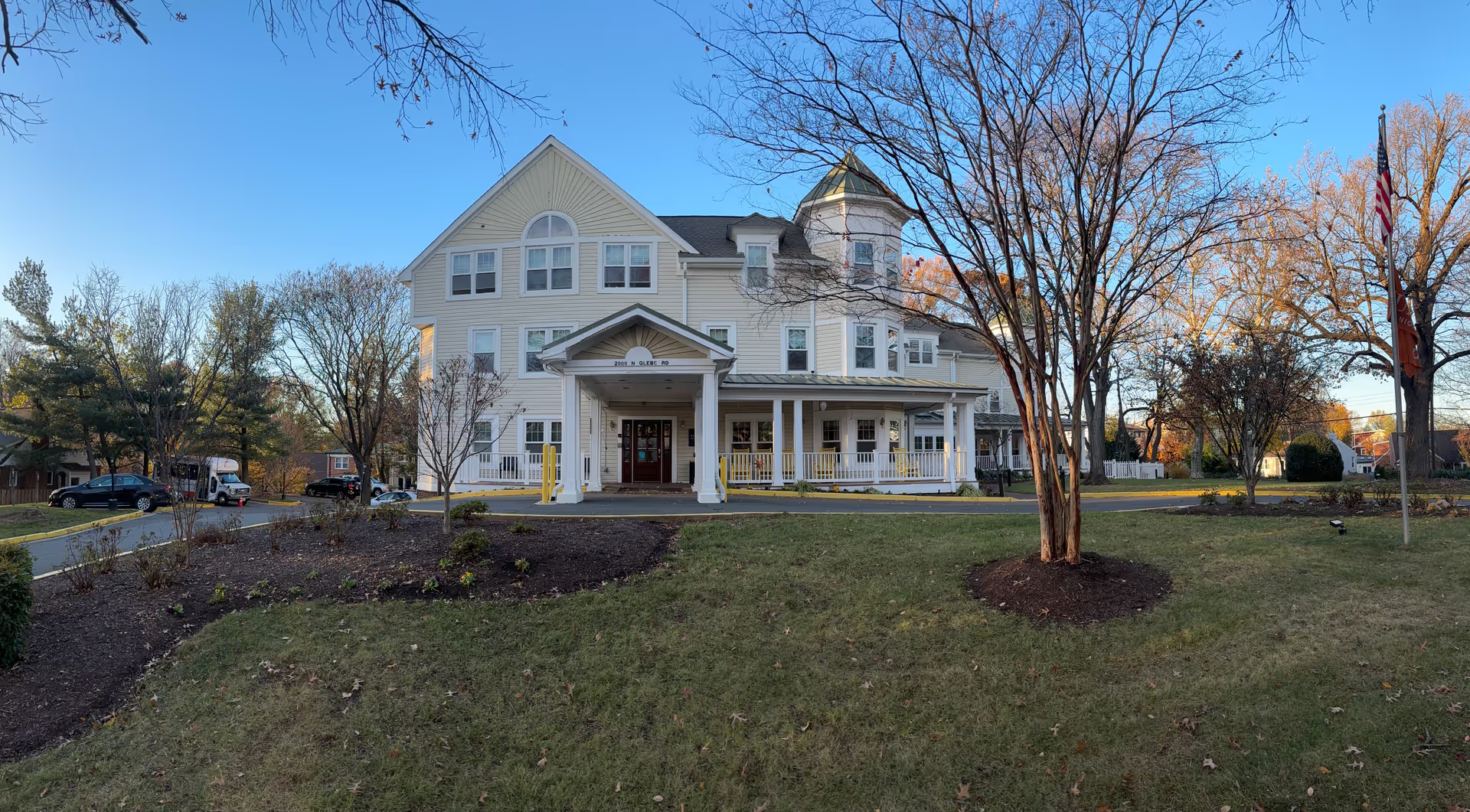
Grand Oaks presents a mixed but actionable profile. Many accounts describe highly skilled, compassionate caregivers, strong therapy services, and 24/7 clinical coverage supported by a clear partnership with a nearby hospital. Families frequently praise personalized care plans, telemedicine support, attentive front‑desk and nursing staff, and a social, neighborhood-oriented environment. The memory-care unit and its secure courtyards, as well as bright, restaurant-style dining with an on-site chef, are recurring strengths for residents who value structured memory support and elevated dining options.
Dining and activities are commonly cited as highlights. Several accounts emphasize restaurant-quality meals, varied menus, room service, and an active calendar that includes outings to cultural venues, on-site concerts, group exercise and spiritual services. The therapy department and rehabilitation offerings receive consistent praise for producing measurable clinical improvements. Apartments and common areas are often described as comfortable and well-appointed, contributing to a hotel-like ambiance that many families find appealing.
Conversely, there are persistent operational concerns that prospective families should investigate. Review patterns indicate leadership instability and elevated staff turnover, which correlate with variability in day-to-day staffing continuity and responsiveness. Relatedly, maintenance reliability issues (for example, elevators and intermittent hot-water outages) and constrained outdoor or apartment space in parts of the building have been reported. Several comments raise sanitation and kitchen safety questions, including food‑safety and regulatory compliance weaknesses; these should be checked against public inspection records and facility corrective actions.
Financial transparency and cost are another area of divergence. The community positions itself at a higher price point, and multiple accounts express affordability concerns and frustration with rate increases, extra fees, and perceived emphasis on amenities. Some families also describe inconsistent experiences with dining-service continuity, medication administration processes, and clinical documentation — operational areas that can directly affect resident safety and satisfaction.
Taken together, the pattern suggests a facility that delivers high-quality clinical and lifestyle programming for many residents but has operational vulnerabilities tied to management stability, staffing continuity, and facilities maintenance. Prospective residents and families would benefit from targeted questions during a tour: inquire about current leadership tenure, staff‑to‑resident ratios (including vacancy impacts), recent kitchen and health-inspection results, medication-safety protocols, maintenance response times, and a clear fee schedule. Verifying these items and arranging a mealtime visit and a conversation with clinical leadership will help clarify whether the community’s strengths align with a given resident’s priorities.