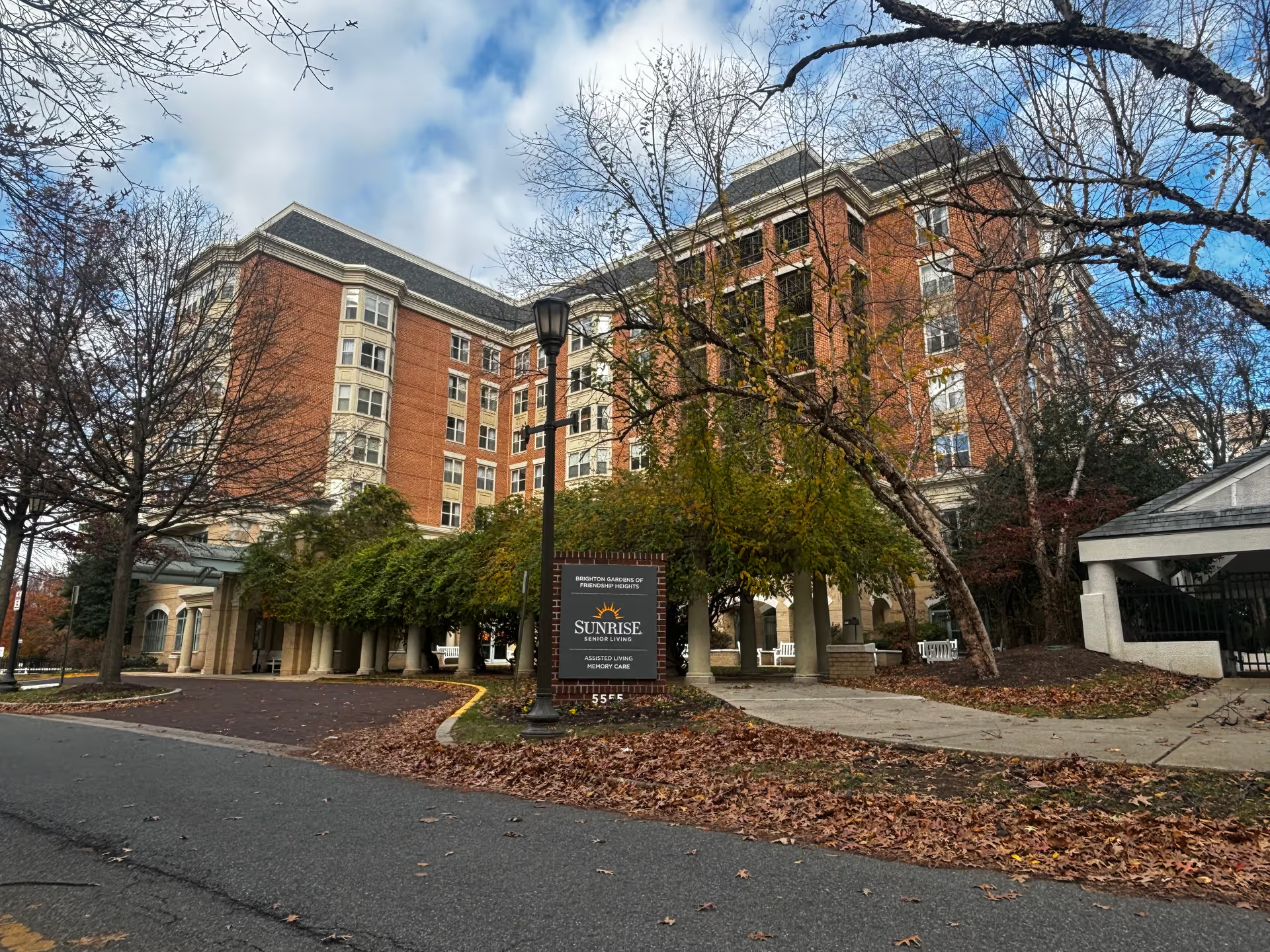
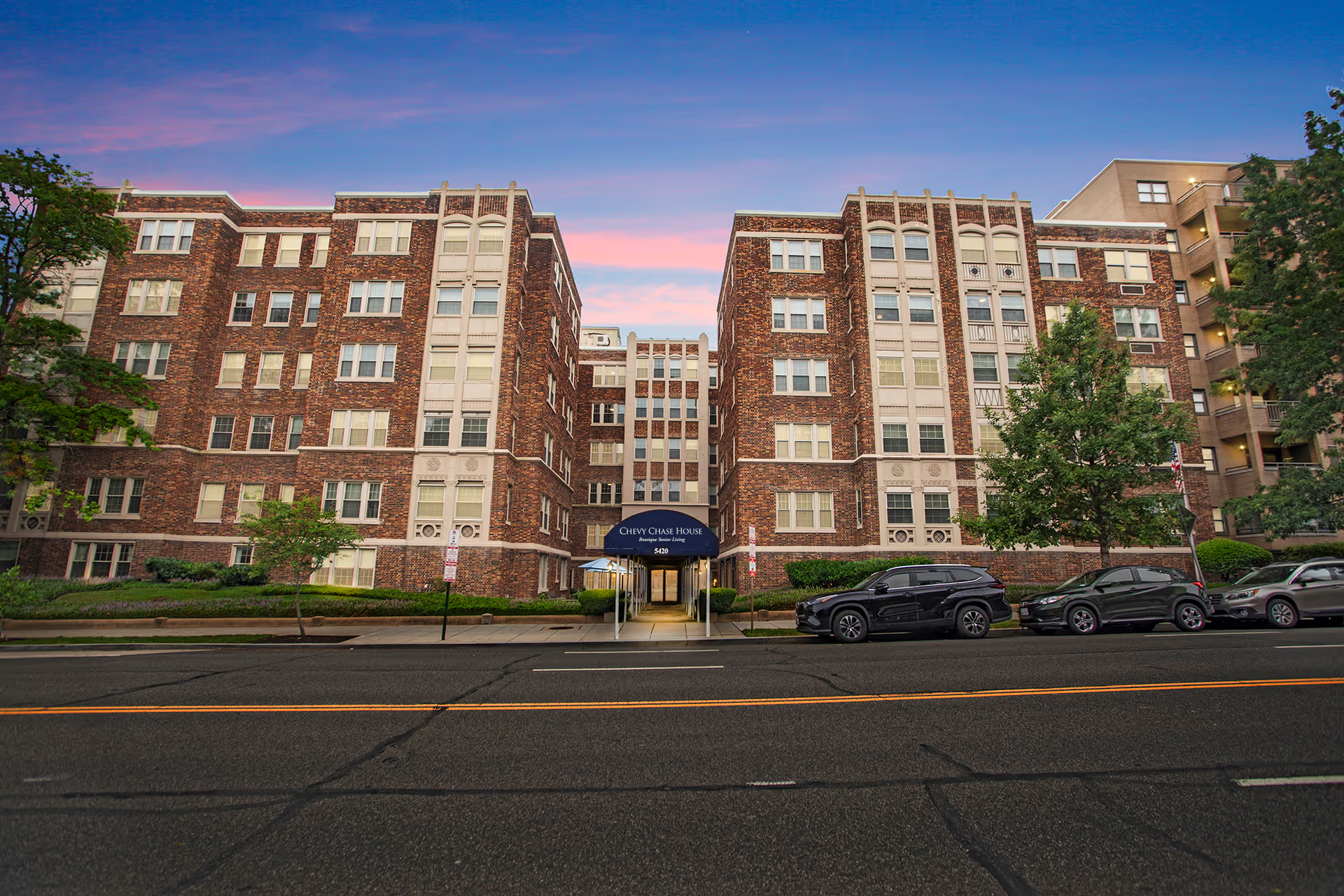
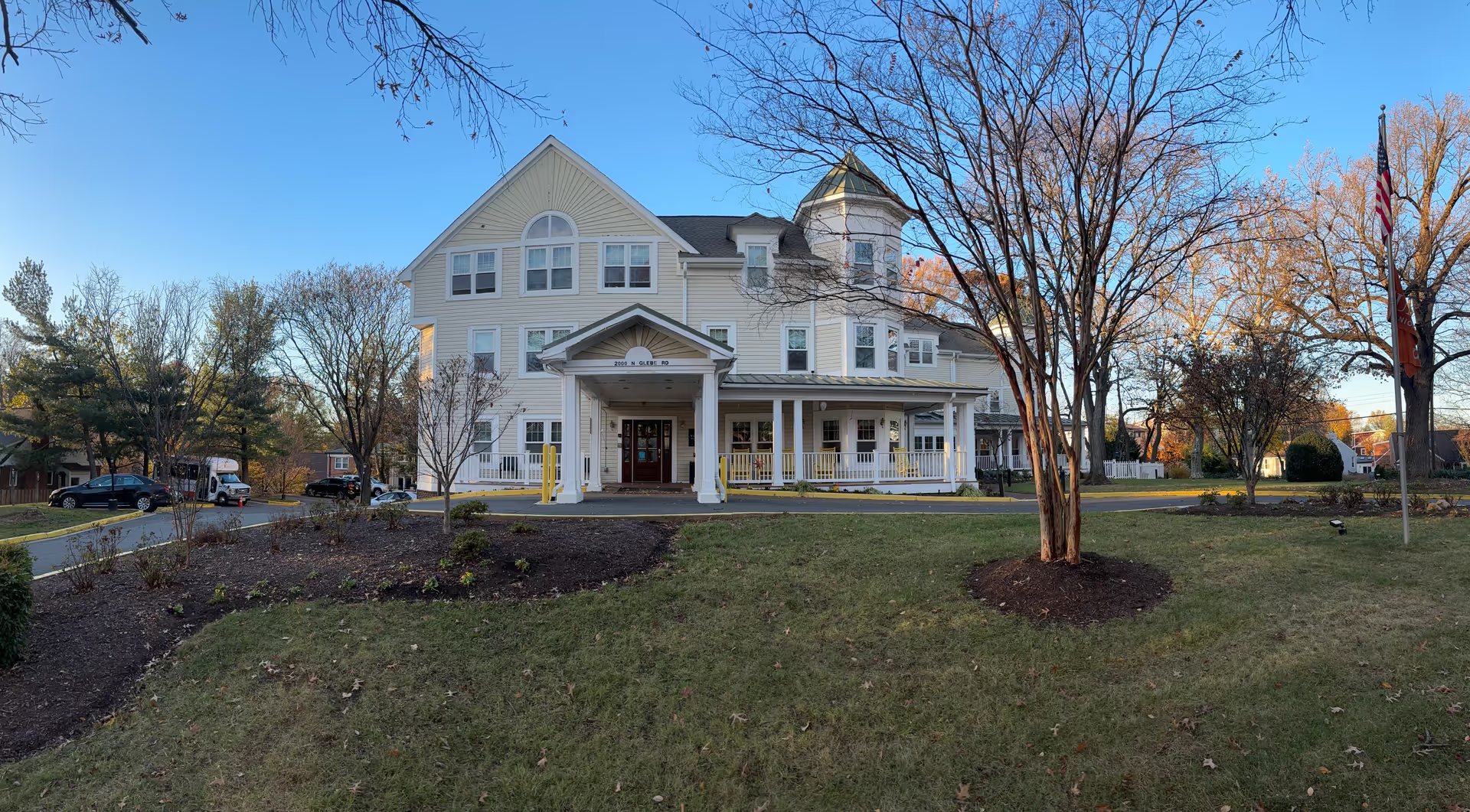
Renaissance Sibley Memorial Hospital's skilled-nursing and rehabilitation area presents a mix of strong clinical and environmental assets alongside several operational weaknesses. The facility is widely described as modern and upscale, with attractive, well-furnished rooms and comfortable common areas. Cleanliness and overall maintenance are consistently noted as strengths. For prospective short-term rehab patients, the center’s rehabilitation program and physical therapists receive consistently positive feedback — reviewers describe measurable functional gains (improved posture, stability, and strength), focused fall-prevention work, home-exercise plans, and encouraging therapist interactions that support discharge home.
Clinical staffing and frontline caregiving present a mixed picture. Many accounts describe polite, friendly, and helpful nursing and therapy staff and adequate overnight physician coverage. However, there are recurrent concerns about inconsistent staff conduct and professionalism in certain interactions, and descriptions of difficulties engaging social-work resources. These describe an operational pattern of variable interpersonal communication and occasional lapses in responsiveness that families should monitor when choosing long-term placements or during transitions of care.
Dining and activities receive generally favorable comments: there are separate dining areas, appealing and varied menu options, and daily activity programming with engaged staff. At the same time, reviewers noted instances of meal-service interruption (kitchen closures or missed deliveries), indicating potential gaps in meal-service continuity that could affect patient experience on certain days. Activity offerings appear active and resident-oriented, supporting social engagement during short stays.
Logistics and management systems show notable areas for improvement. Several accounts point to unclear wayfinding between the main hospital and the skilled-nursing area, which can complicate transfers. Phone and appointment-contact systems are described as unreliable at times, and a lack of clear rehab contact numbers was mentioned, potentially creating barriers for follow-up scheduling. Reviewers also described issues with equipment coordination and provisioning (for example, needing to source assistive devices externally), suggesting gaps in supply coordination during transitions from hospital to home.
In summary, Renaissance Sibley Memorial Hospital’s skilled-care environment is appealing for patients seeking short-term rehabilitation in a modern, well-maintained setting with strong therapy services. Families should weigh these clinical and environmental strengths against operational issues related to staff professionalism variability, management responsiveness, communication systems, and logistical coordination. These are practical considerations to address during admission and discharge planning: confirm contact numbers, clarify equipment and supply responsibilities, and assess the facility’s point persons for care coordination and social-work support before or during the stay.