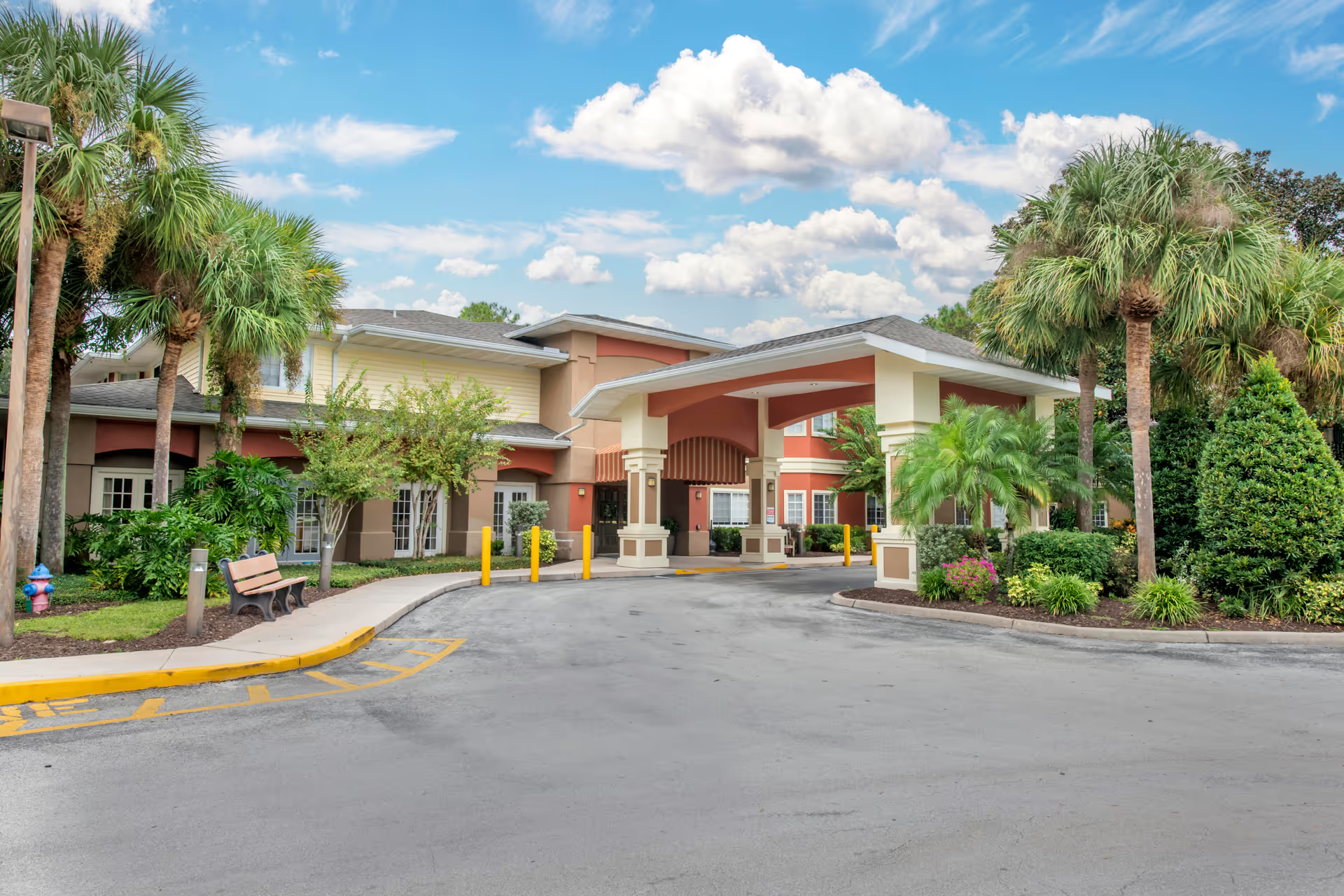
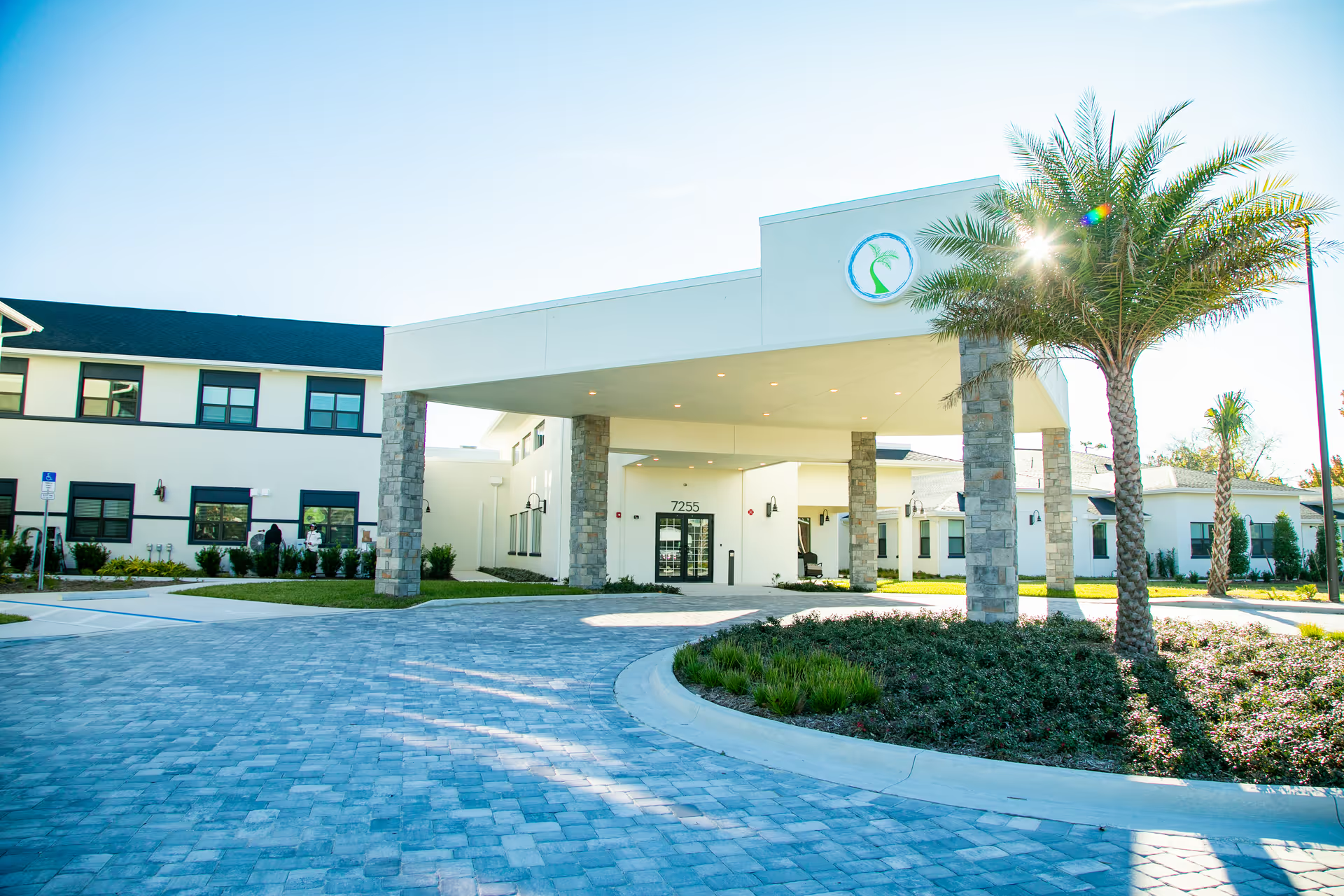
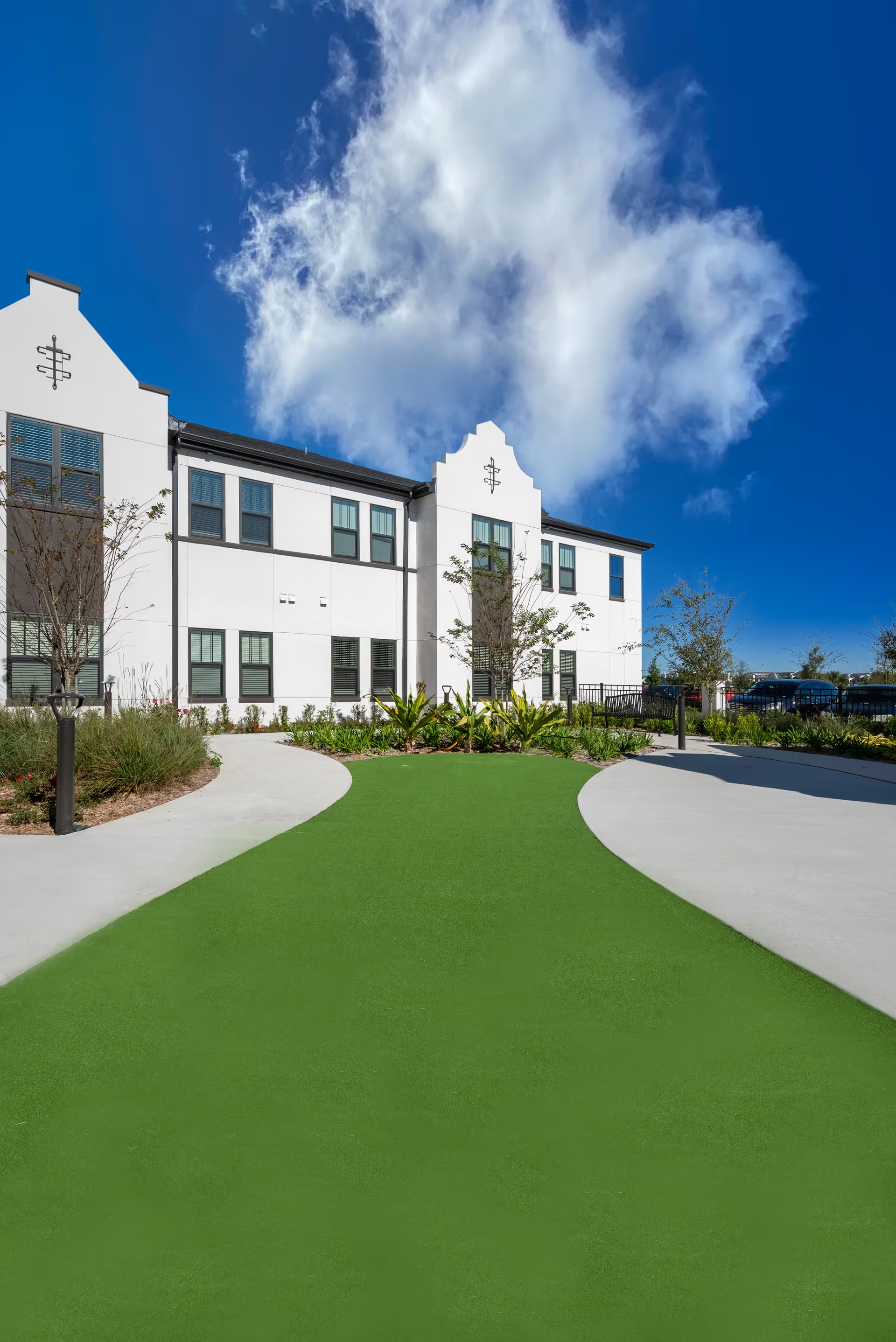
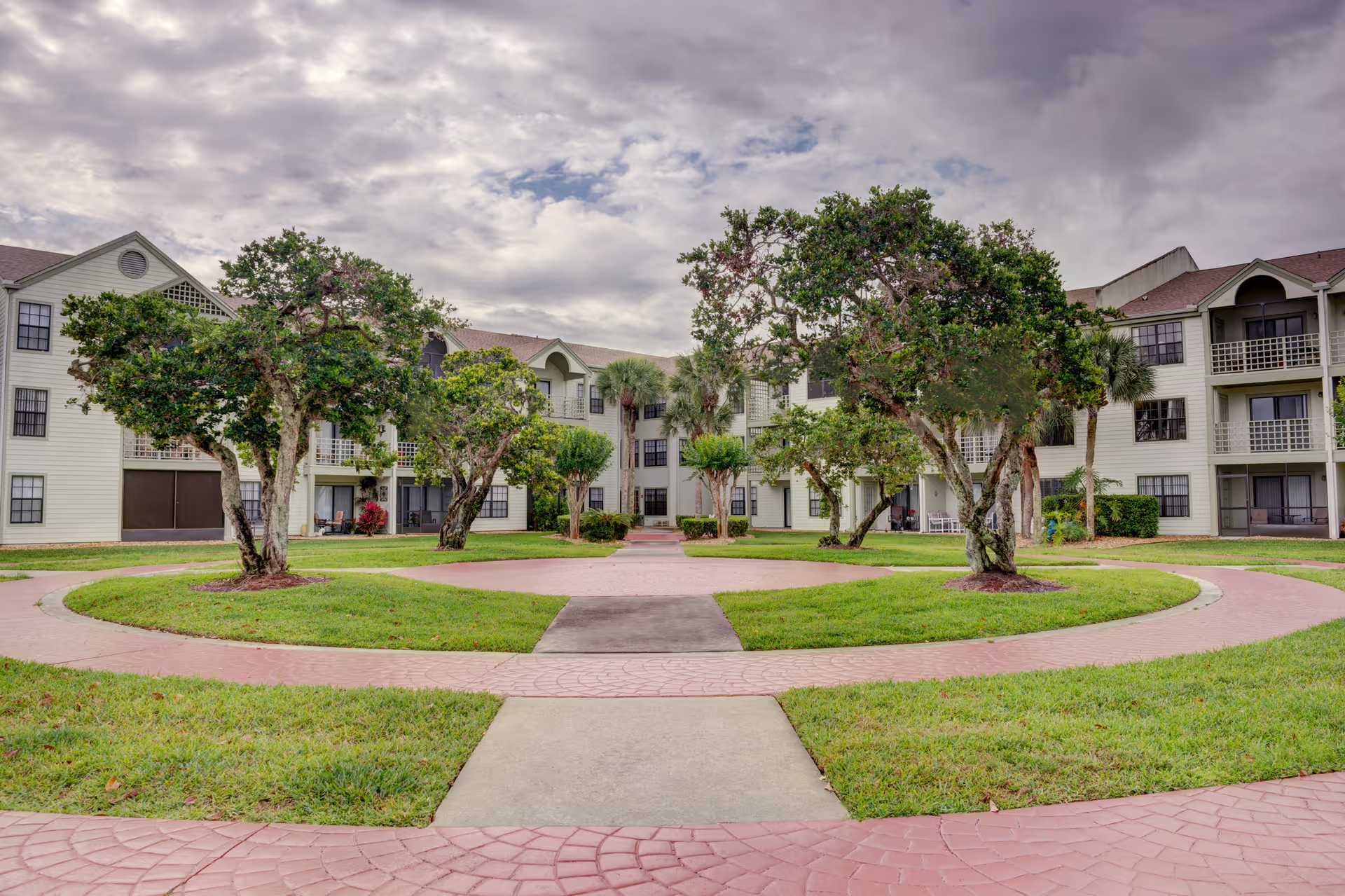
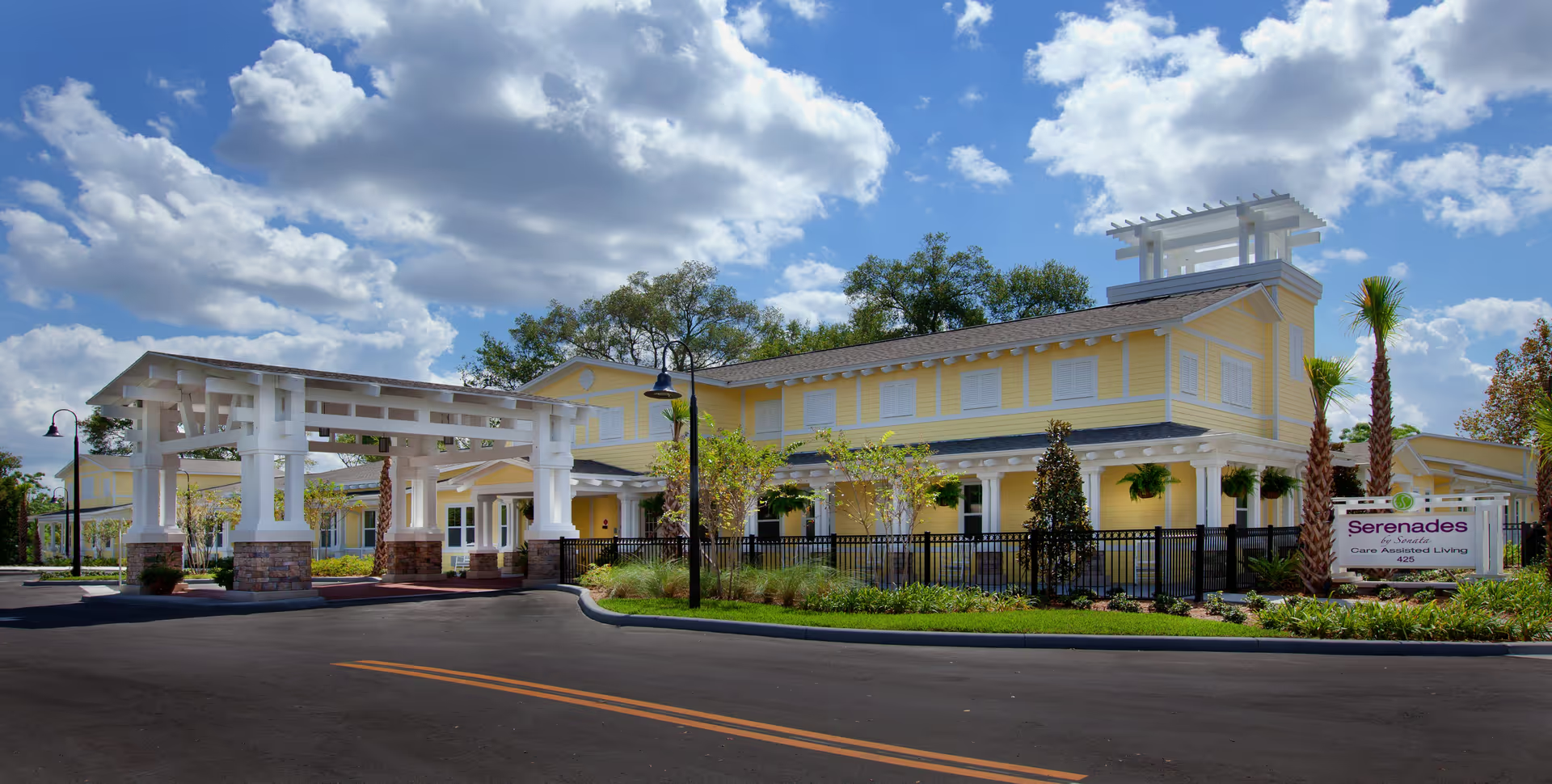
Overview Grand Villa of Altamonte Springs presents as a well-appointed assisted-living and memory-care community with many features families value: a generally clean, landscaped campus with renovated common areas; resort-style amenities such as a pool and outdoor seating; a variety of apartment sizes including private bathrooms; on-site therapy and medical support; and a robust activities program. Frontline staff, dining personnel, and life-enrichment teams are frequently described as engaged, friendly, and proactive, and the community offers conveniences such as transportation for appointments, pet-friendly policies, and accessible respite stays.
Care quality and clinical operations Strengths center on the caregiving team and clinical resources. Numerous accounts praise compassionate direct-care staff, attentive med-techs, and a knowledgeable nursing and therapy presence; several reviews note effective coordination with outside physicians and positive transitions from hospital to rehab. At the same time, there is a recurring pattern of clinical and communication gaps: follow-up on tests and results, notification about hospitalizations or acute illnesses, and nighttime call-response have been described as inconsistent. These items indicate the facility generally provides solid day-to-day care but may require explicit care-plan reviews and escalation protocols for higher-acuity residents.
Staffing, supervision, and dementia care Staff warmth and individualized attention are prominent positives, yet staffing stability and supervision emerge as operational concerns. Review content points to turnover and variable staffing levels that can affect supervision, timeliness of assistance, and the ability to support residents with complex dementia-related needs. Memory-care programming and activities are frequently lauded, but families are advised to clarify supervision ratios, behavioral-management expertise, and handoff procedures when a prospective resident requires close monitoring or has a high fall risk.
Dining and activities Dining is often highlighted as a strength: chef-led menus, restaurant-style service, and special events (happy hours, sundae days) are repeatedly praised. There are also consistent references to a broad activities calendar — exercise classes, outings, crafts, music, and memory-specific programming — that supports social engagement. Conversely, some accounts identify variability in meal quality, limited beverage or menu options at times, and occasional reductions in resident services or outings; prospective families should verify current menu offerings and activity schedules during touring and before move-in.
Facilities, maintenance, and logistics The physical plant is described as attractive and well-maintained in many areas, with updated rooms and pleasant common spaces. Reviewers also describe uneven maintenance across different buildings or units: some apartments are recently renovated while others show older finishes and need refreshes. Operational logistics are another theme — move-in/move-out processes have sometimes been hampered by insufficient moving equipment and unclear orientation for new residents, and parking/wayfinding can be confusing. There are isolated sanitation and pest-control concerns noted; these appear to be localized rather than campus-wide but warrant direct inquiry during a visit.
Management, billing, and communication Admissions, sales, and business-office staff receive frequent praise for responsiveness and helpfulness, and some families report smooth transitions and supportive follow-up. At the same time, there are recurring administrative issues: billing inconsistencies, rate increases or fee changes without clear early notice, and occasional lapses in follow-up after clinical incidents. Families should request written explanations of fee schedules, medication-management billing, and escalation pathways for clinical concerns so expectations are clear.
Who this community fits best Taken together, the pattern of strengths and weaknesses suggests Grand Villa is a strong option for residents who are moderately independent or who benefit primarily from social engagement, on-site therapy, and attentive daily support. The community’s social programming, dining, and campus amenities are clear assets. For prospective residents with higher medical acuity, significant behavioral symptoms of dementia, or frequent nighttime care needs, families should verify staffing ratios, supervision practices, and clinical-follow-up procedures before committing.
Recommendations for families touring During a tour, ask for the most recent staffing ratios and turnover data for the unit of interest; request examples of clinical follow-up workflows (how test results and hospitalizations are communicated); inspect the specific apartment unit you would occupy; confirm meal and activity schedule stability; and obtain a written fee and billing summary including any variable charges. These targeted questions will help align the facility’s strengths with the individual needs of a prospective resident.