Overall impression The Imperial Club receives consistent praise for its day-to-day resident experience: staff interactions, social programming, and the physical apartment units are frequent strengths in these summaries. Many families and prospective residents describe friendly, attentive front-line employees, a robust calendar of activities, and on-site amenities that support an active independent-living lifestyle. Pricing and bundled services (meals, housekeeping, transportation) are commonly cited as good value for people seeking an independent or low-level assisted setting.
Care and staff Caregiving and dining staff are often described as compassionate, responsive, and available for everyday needs. Several accounts highlight professional nursing and attentive aides in assisted settings, and families report that staff can provide reassurance and practical help. That said, there is a recurring theme of variability: staffing turnover, inconsistent shift coverage, and uneven responsiveness from upper management and select clinical leadership are noted. This creates a pattern where the quality of resident experience can depend on which staff are on duty and how recently management has engaged with the unit.
Dining and food service Dining is a central part of the community offering: most residents have meals included, with a restaurant-style dining room, alternative menu options, and meal delivery when needed. Reviewers praise many meals as enjoyable and highlight attentive dietary staff. Counterbalancing those positives are repeated comments about inconsistent food quality, occasional cold or small portions, and extra charges for delivered meals. These indicate that while the dining program is a strength, operational inconsistencies in service and billing have affected satisfaction for some families.
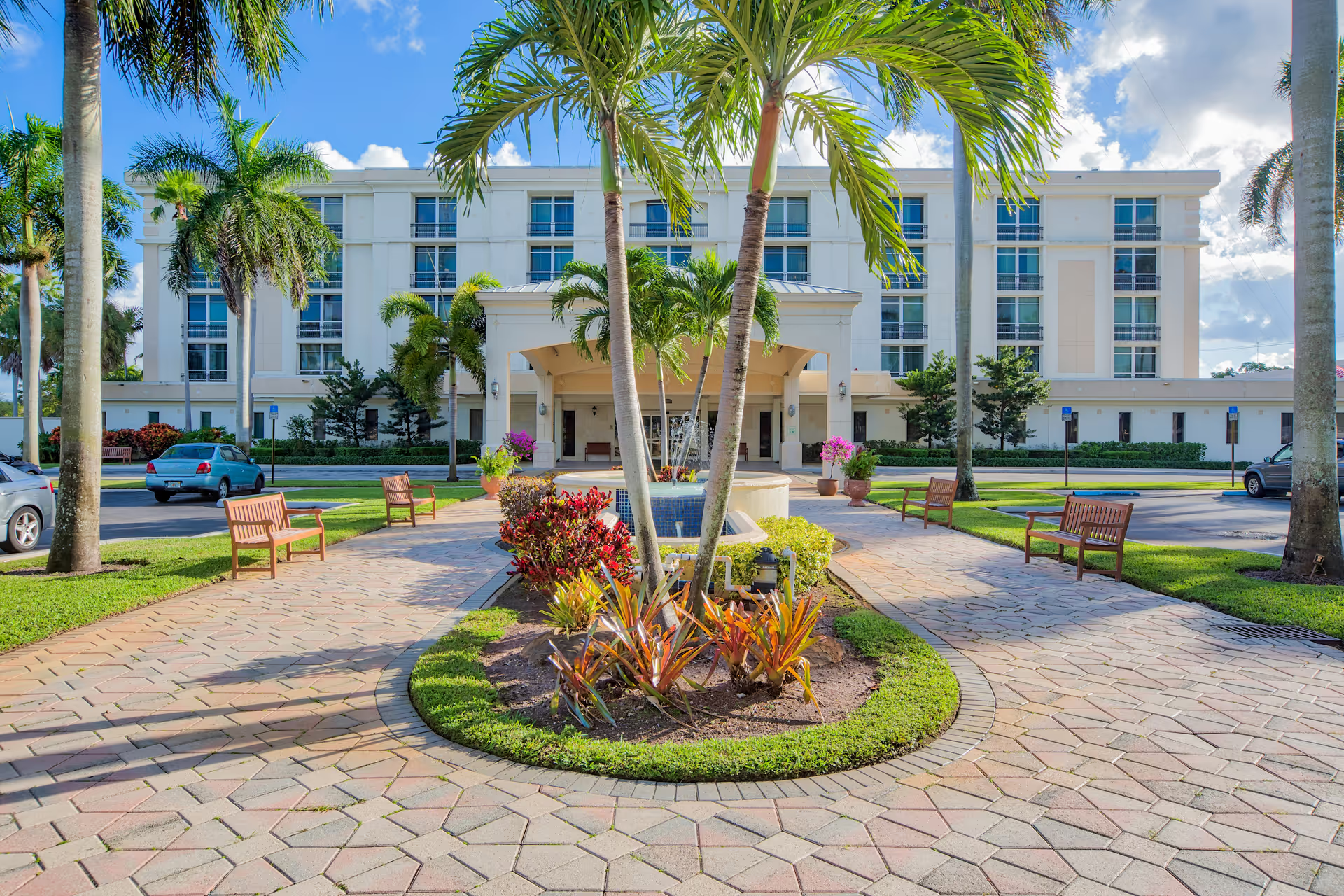
Activities and community life The activity program is a clear strength. Reviewers note a wide variety of offerings—exercise classes, arts and crafts, live music, outings, pool time, and cognitive/social events—that support social engagement and an active lifestyle. The community layout and common spaces (library, game room, pool, piano/music area) frequently support resident interaction and contribute to a family-like atmosphere. Pandemic-related restrictions were also mentioned as temporarily reducing access to some group activities and dining amenities.
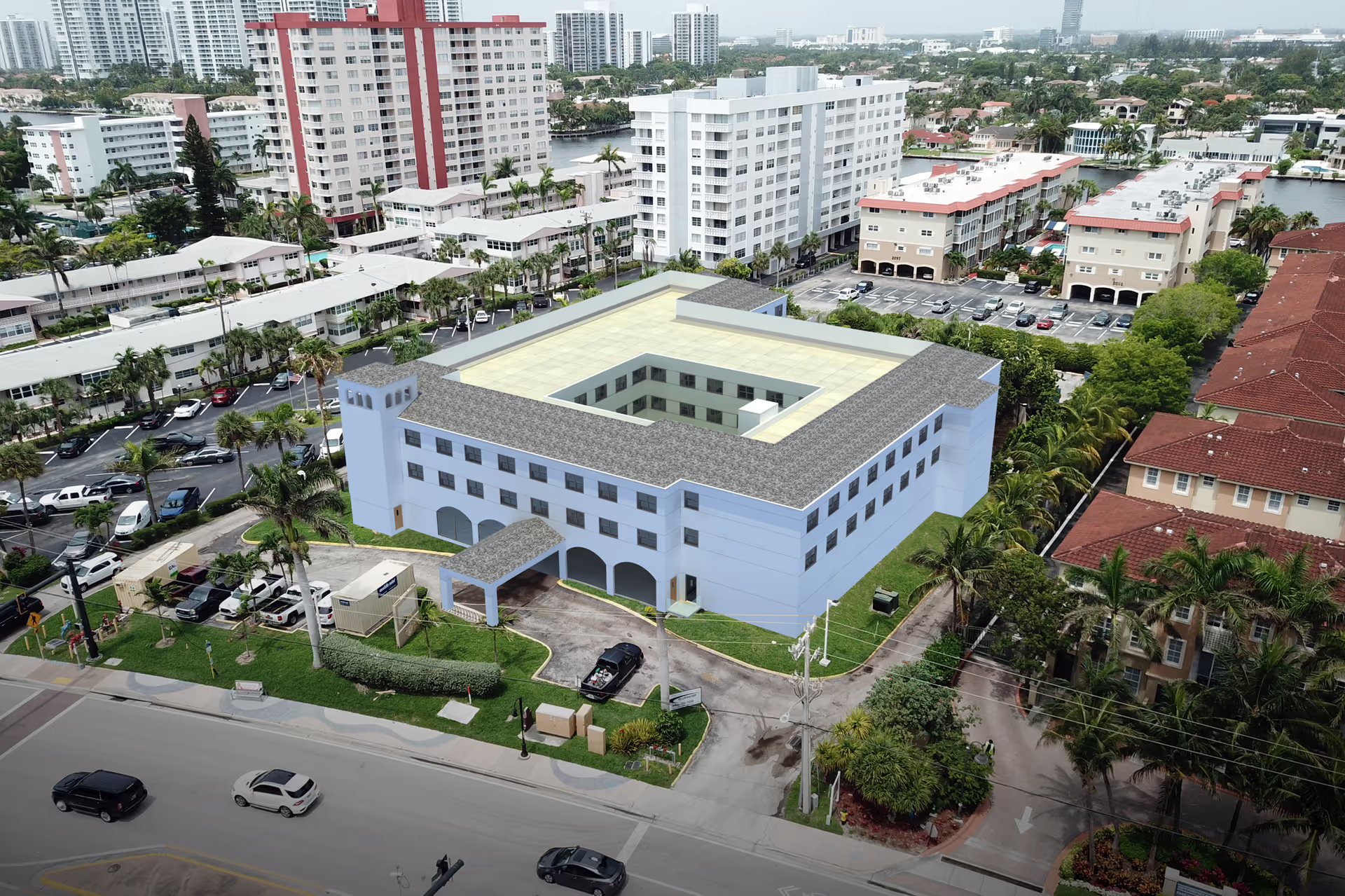
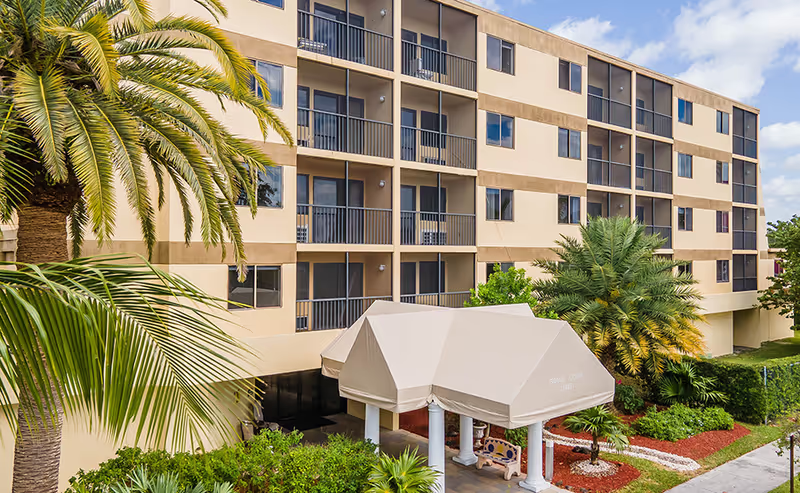
Facilities, maintenance, and safety-related operations Physical accommodations receive mixed but generally positive comments: many units are clean, some recently renovated, and one-bedroom floor plans are described as spacious and comfortable. Conversely, infrastructure and maintenance reliability are recurring concerns. Elevator failures and prolonged outages, slow repair response, window and carpet cleanliness inconsistencies, parking constraints, and occasional water- or hurricane-related impacts were raised. These infrastructure issues have practical impacts on resident mobility, safety perception, and daily routines.
Management, transparency, and fees A notable pattern across feedback is inconsistent management communication and uneven transparency around fees and service charges. Families praise specific admissions staff and sales counselors for being helpful, but they also describe episodes where leadership was perceived as reactive, uncommunicative, or insufficiently present during problems. Concerns about extra fees (for meal delivery, certain services) and unclear billing practices contribute to frustration. There are also comments about the community being more appropriate for independent or low-acuity residents, so families should confirm clinical capabilities and availability of memory care or higher-acuity services if those are needed.
Notable patterns and considerations for prospective families In summary, Imperial Club presents as a community with strong day-to-day strengths: personable staff, active programming, functional apartments, and an affordable value proposition for many independent-living residents. Recurrent operational weaknesses—elevator and building-maintenance reliability, variability in food and housekeeping standards, communication gaps at the management level, and unclear ancillary fees—warrant careful review during touring and contract negotiation. Prospective residents and families should ask specific questions about elevator history and maintenance plans, staffing continuity and turnover, meal-delivery policies and extra costs, clinical capabilities for changing care needs, and how the community handled recent infrastructure or pandemic-related disruptions. A focused tour that includes meetings with the activities director, dietary manager, and a member of leadership can help clarify whether the community’s strengths align with a given resident’s priorities.