Overall, Hampton Manor Belleview receives substantial praise for its caring staff, clean environment, and memory-care focus, although experiences are not consistent across families. Many describe caregivers as patient, compassionate, and attentive, with dementia-care experience and a willingness to help families through difficult transitions. Some families also praise the staff’s support with health needs and end-of-life arrangements. Other accounts raise concerns about staffing levels, use of temporary agency workers, personal-care follow-through, and how staff respond to residents’ dementia-related behaviors. A few families felt the community was not the right care setting for their relative or that the admission process did not sufficiently assess fit.
Communication is a strength in many accounts: families describe staff as accessible, informative, and proactive about health updates. However, other accounts describe inconsistent follow-up about changes in a resident’s condition, concerns, or administrative matters. Reviews also differ on how reliably staff monitor residents’ food and fluid intake and attend to grooming, hygiene supplies, laundry, and personal belongings. These differences suggest families may benefit from asking how care routines, health changes, and family updates are managed across shifts.
Dining feedback is generally favorable, with some families describing meals as good and plentiful and appreciating staff efforts to accommodate preferences. Other feedback raises concerns about nutritional variety, food quality, and the size or atmosphere of the dining area. Activities are a commonly noted strength, particularly daytime programming such as music, crafts, games, and seasonal events. Some families would like more evening activities and exercise opportunities.
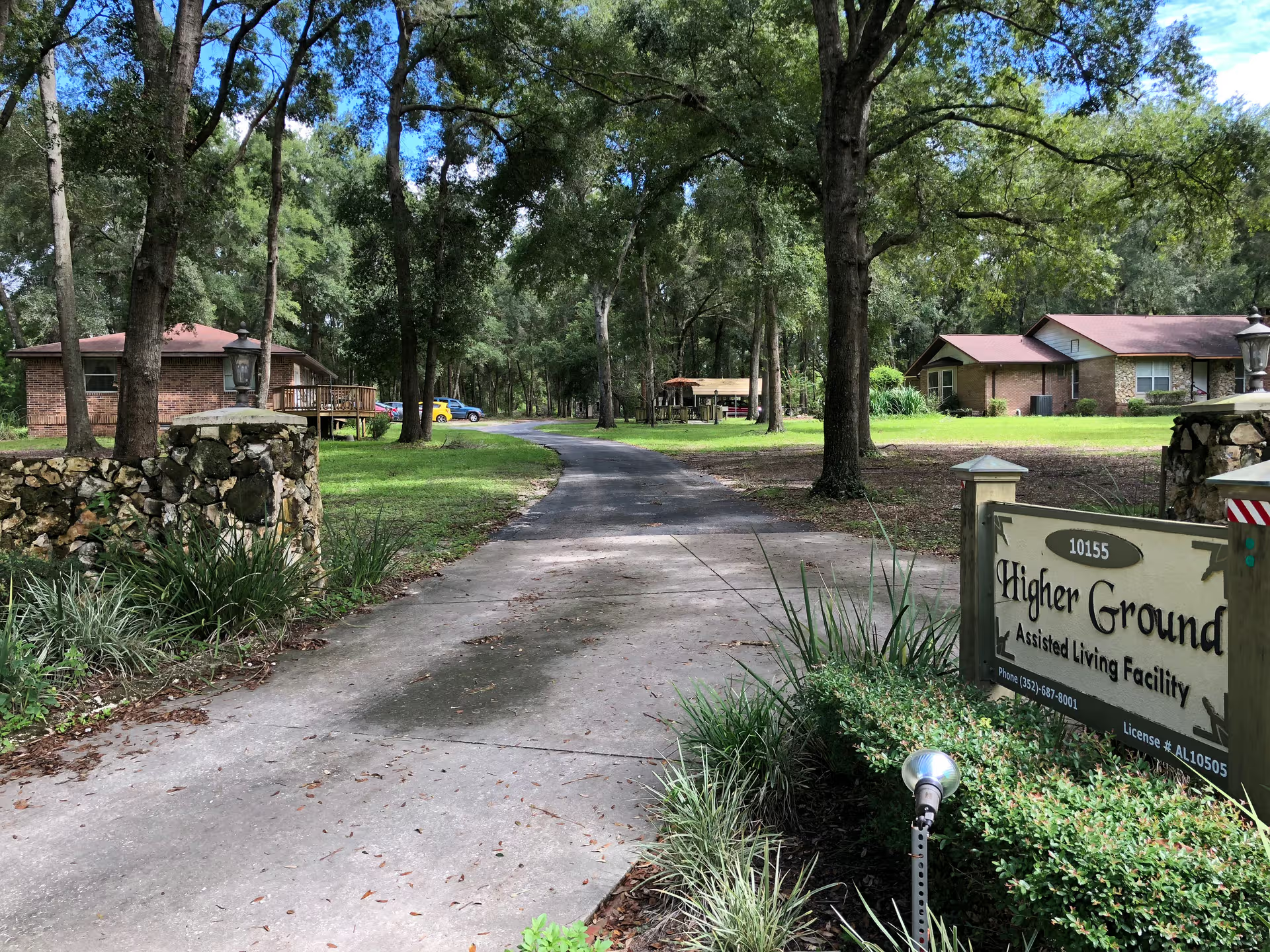
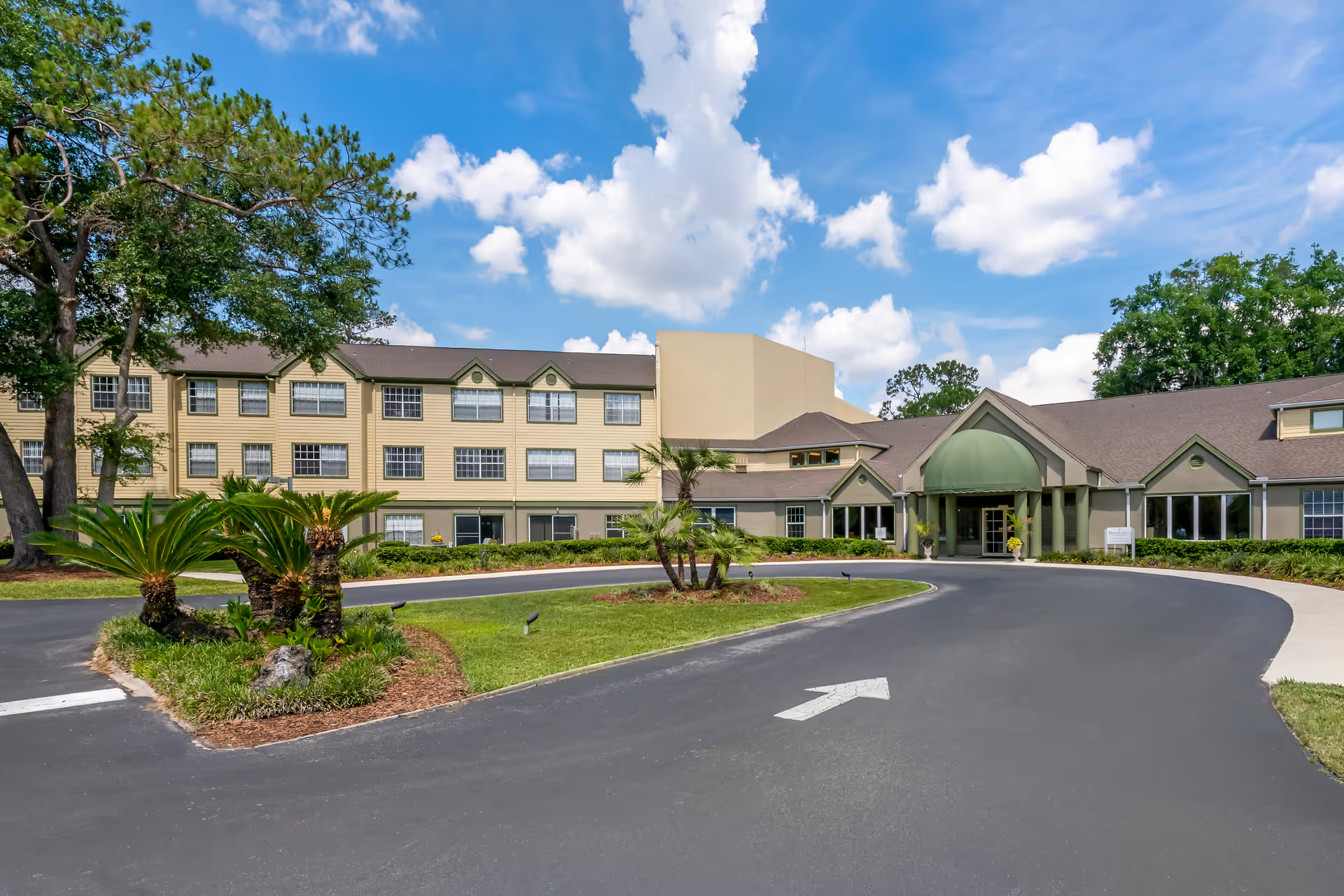
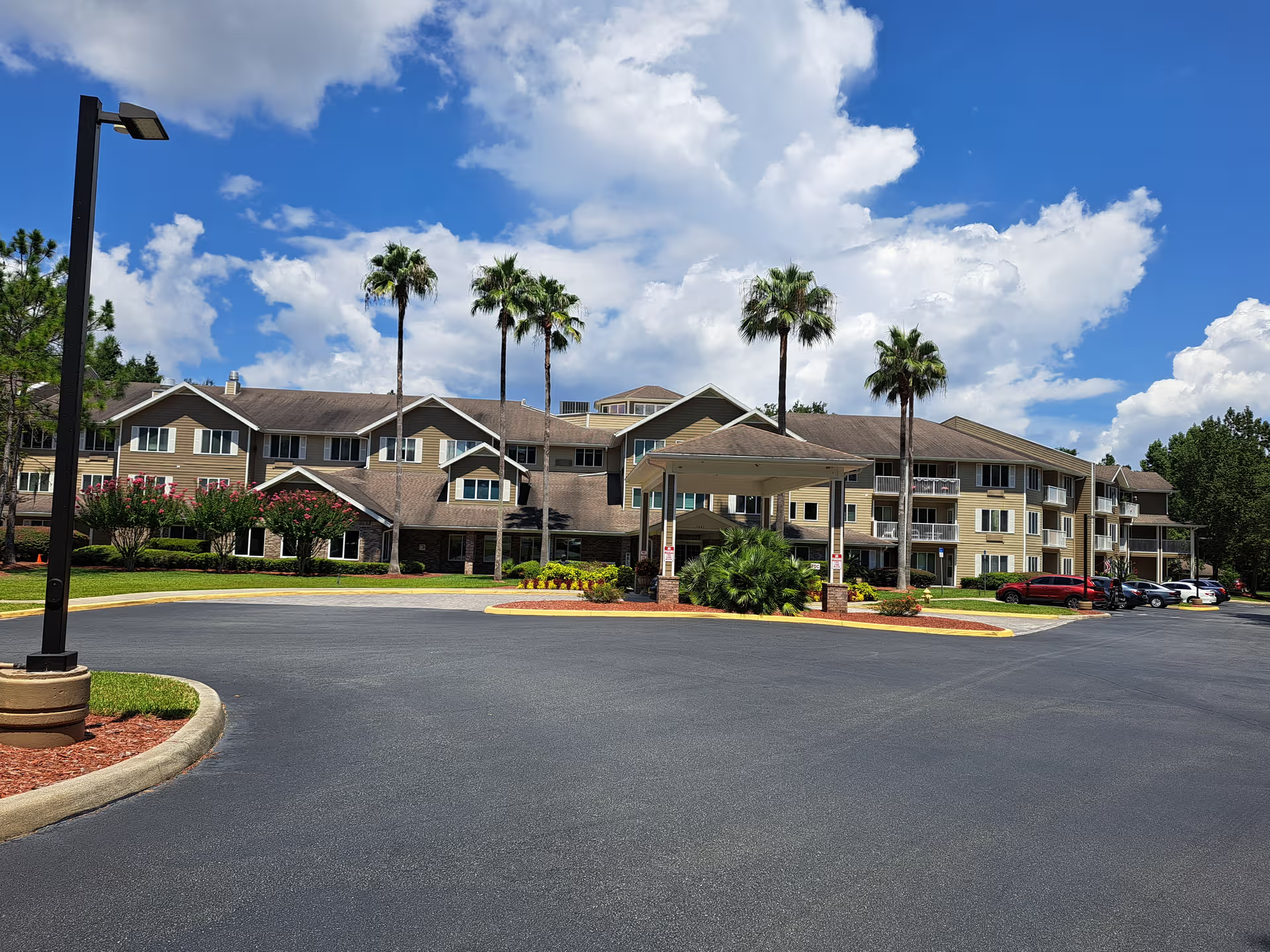
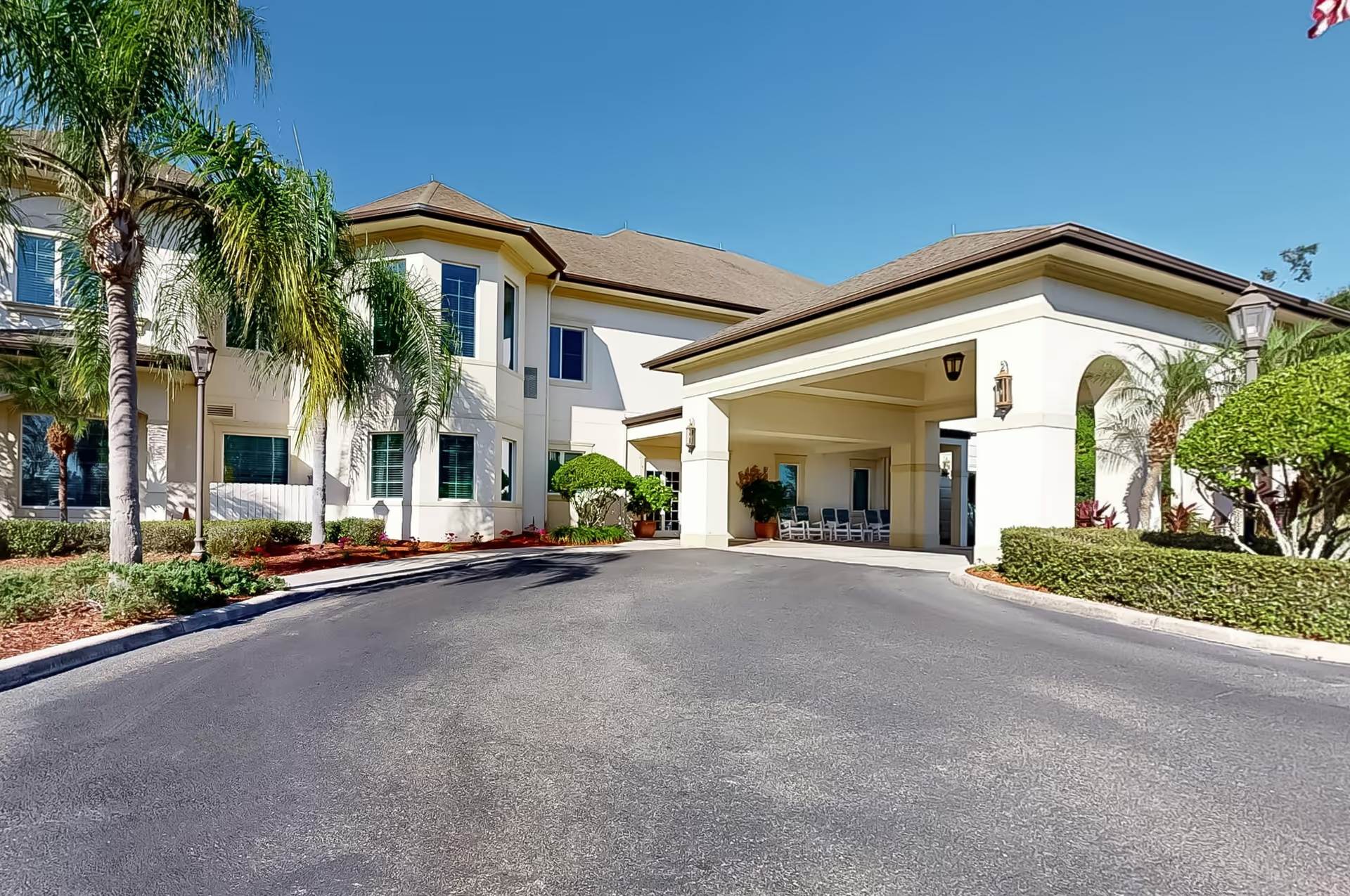
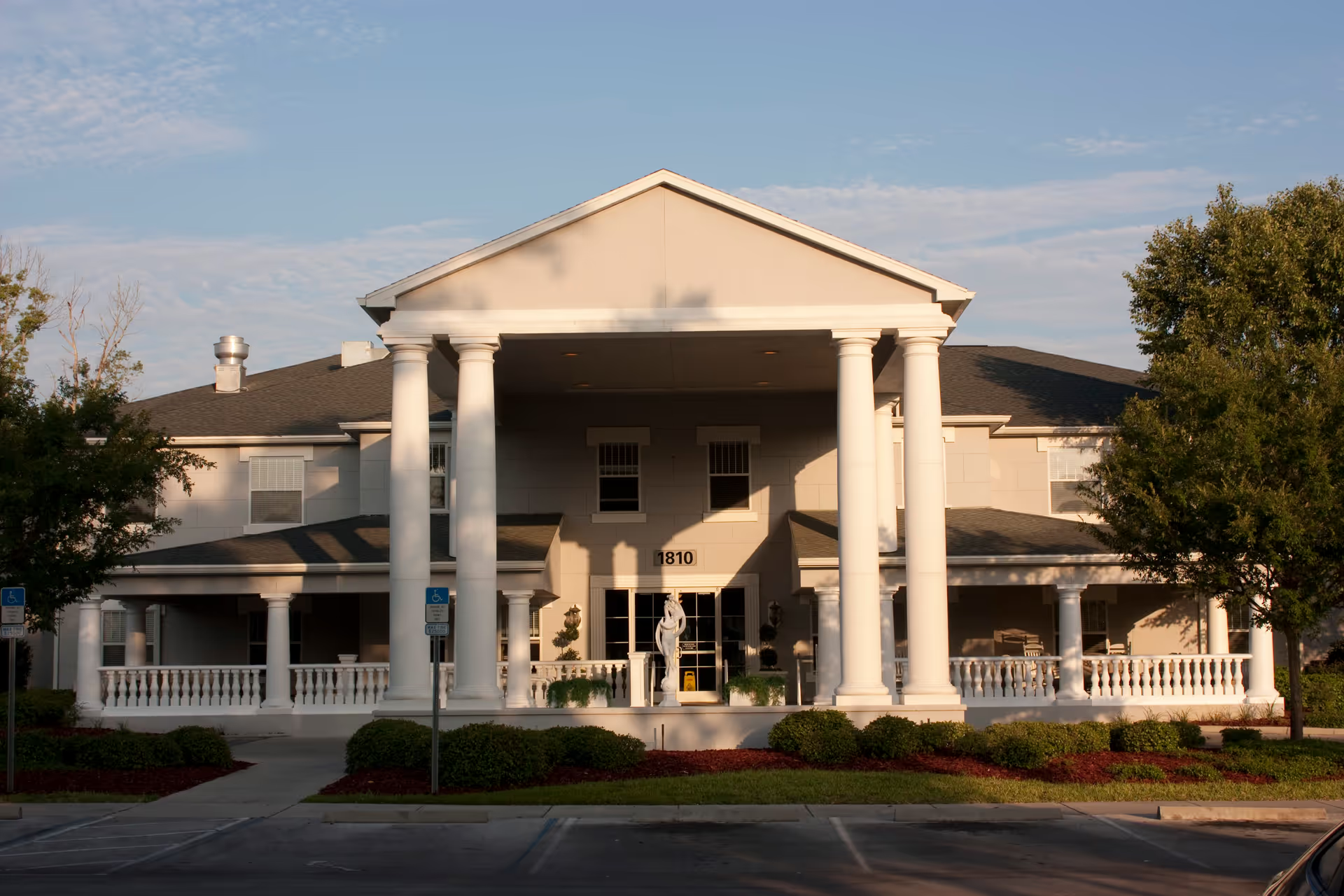
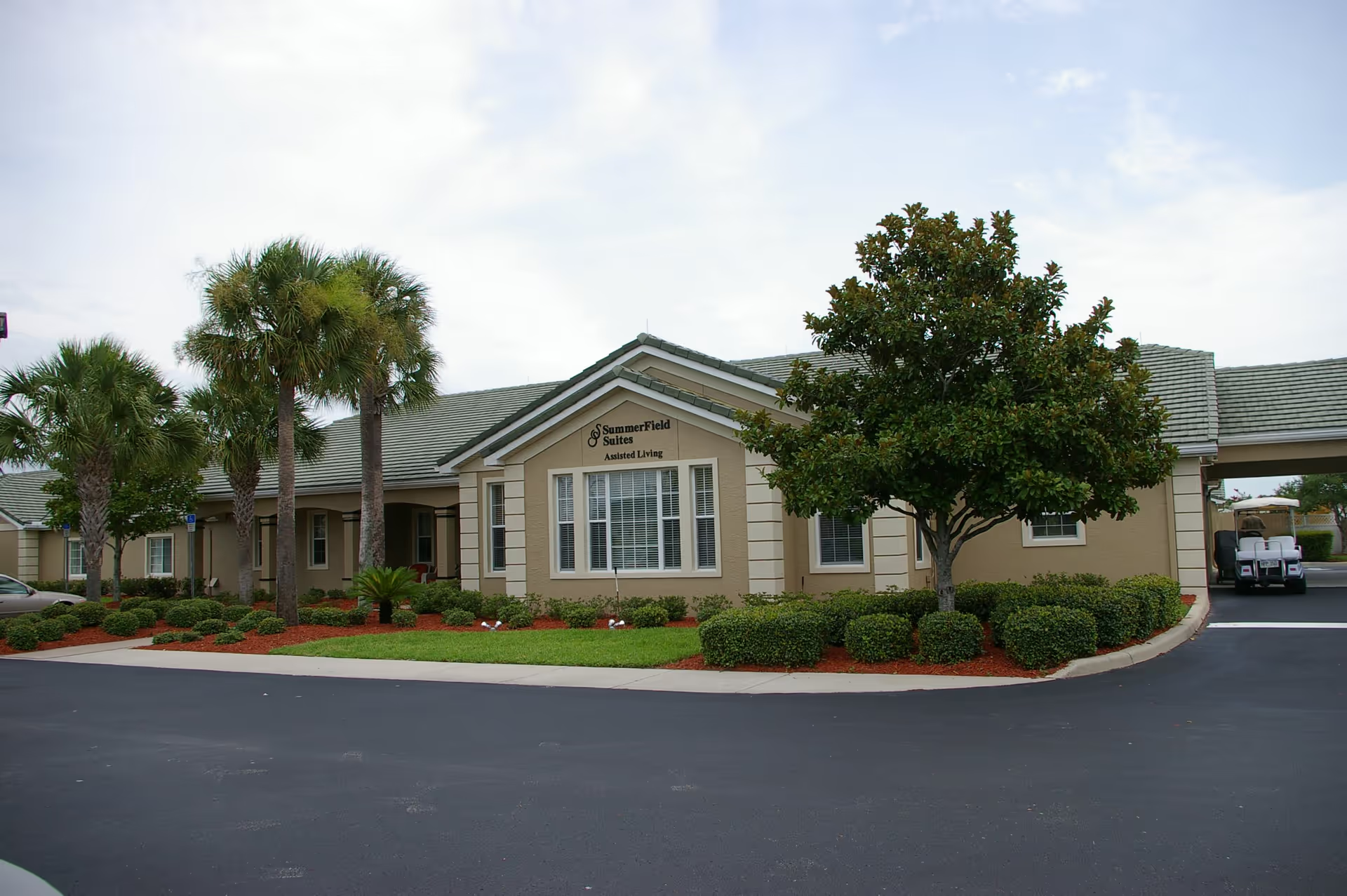
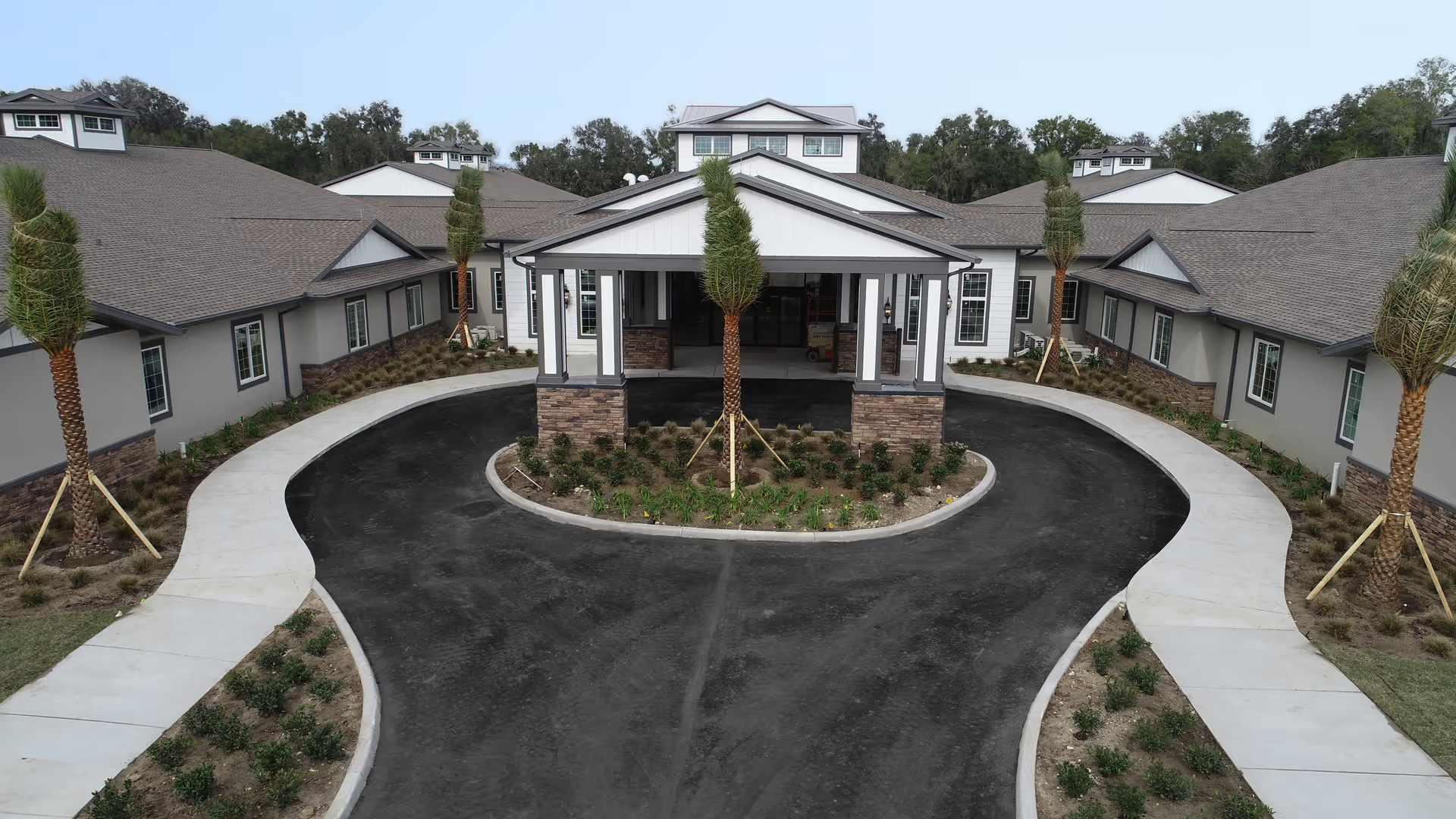
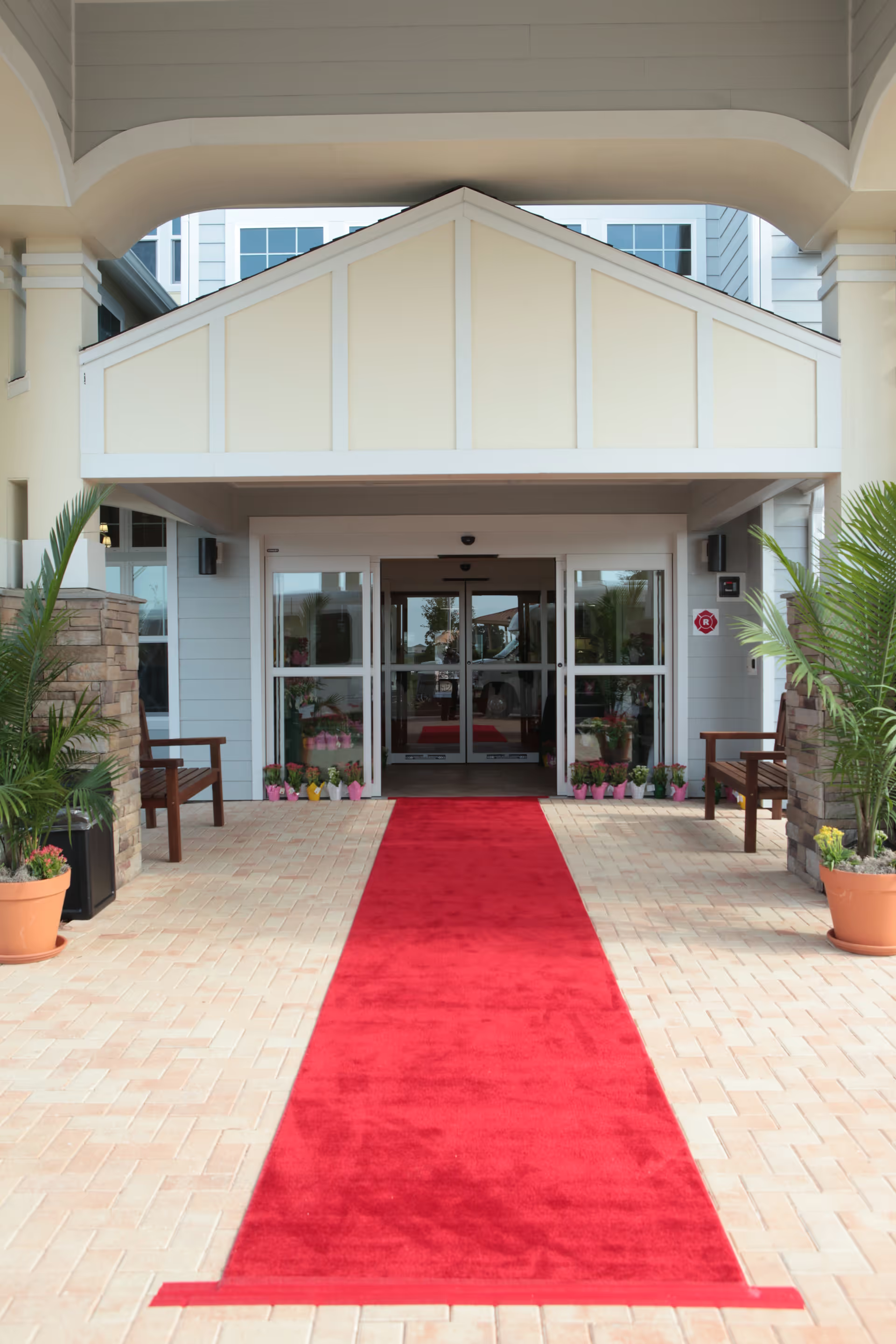
The building is often described as clean, well maintained, and comfortable, with a home-like feel, varied sitting areas, and private or shared room options. Reviewers also note that it is an older, relatively modest facility; some found rooms small or common areas limited. Secured entry is viewed positively for memory care, though one account describes difficulty accessing rooms or leaving without locating staff. Cost is a consideration: some families value the available financial flexibility, while others consider monthly charges high or describe uncertainty about fees and discharge arrangements.
In short, the strongest recurring positives are staff warmth, cleanliness, memory-care programming, and family support. The main areas to examine closely during a visit are staffing consistency, personal-care routines, communication about health changes, room and dining-space suitability, evening programming, and the full fee structure. Families may wish to tour more than once and ask how the community assesses care fit and maintains consistent practices across shifts.